The Art and Science of Intuitive User Onboarding: Lessons from Legacy Software to Modern SaaS

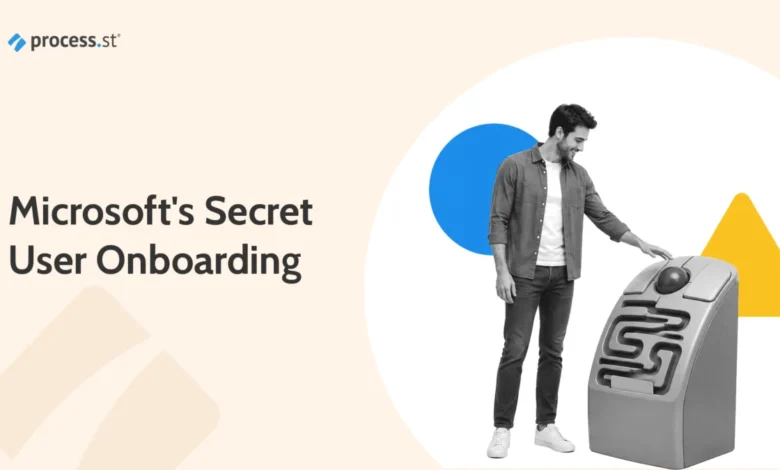
A user onboarding process moves someone from first contact to a useful result without making them stop and study the product first. In the contemporary landscape of software-as-a-service (SaaS), where competition is fierce and user attention spans are notoriously short, the ability to facilitate "time-to-value" has become a defining metric of success. The most effective onboarding frameworks reduce cognitive friction, reveal the next logical action, and empower the user to build proficiency through active engagement rather than passive consumption of manuals.
Historical Precedents: The Windows Gaming Strategy
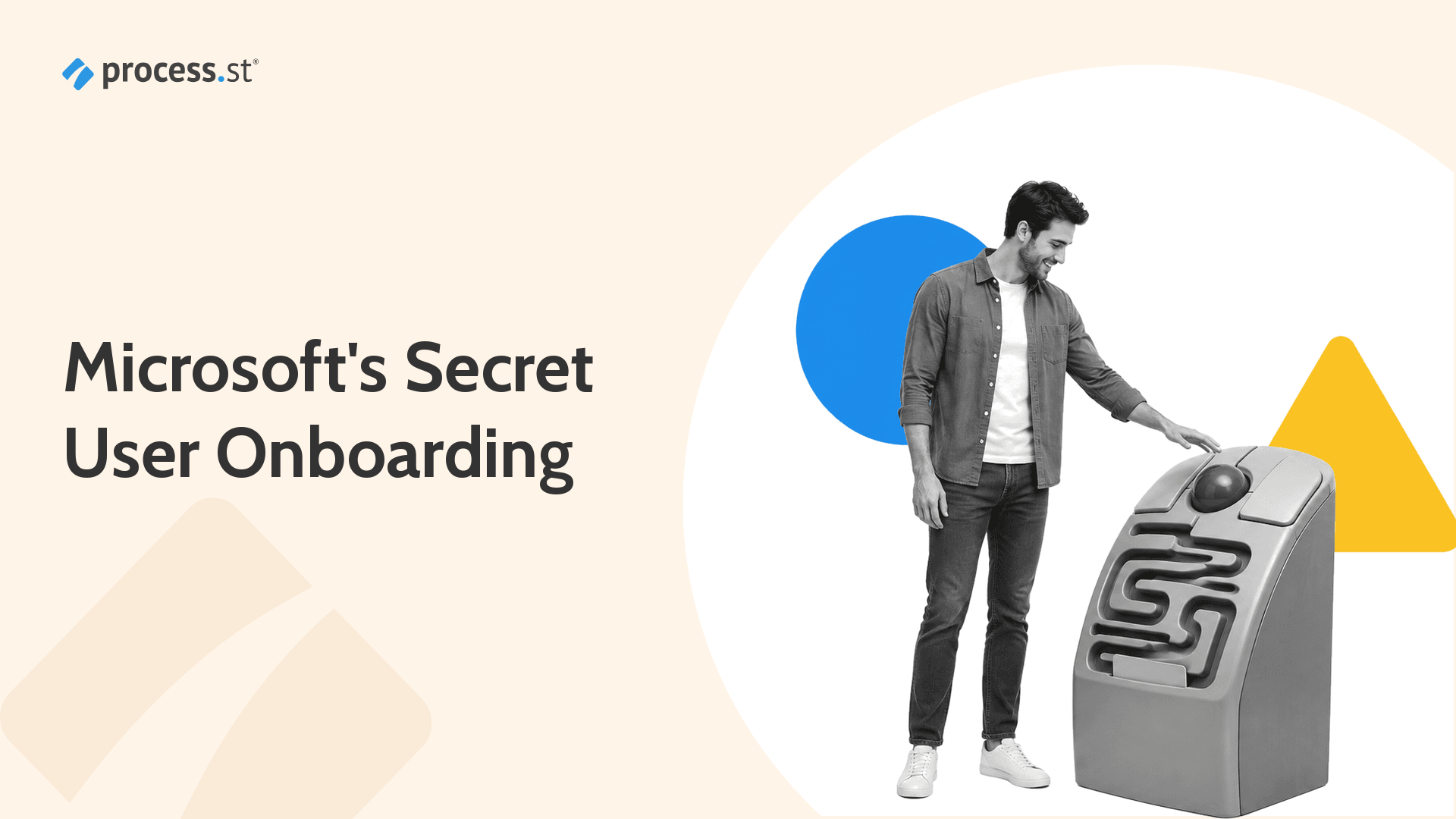
The philosophy of learning through action is perhaps best epitomized by the early history of Microsoft Windows. In the transition from the command-line interface (CLI) of MS-DOS to the graphical user interface (GUI) of Windows 3.1 and 95, Microsoft faced a significant educational challenge. The shift required users to master mouse dexterity, point-and-click precision, and the concept of drag-and-drop—behaviors that were entirely alien to individuals accustomed to typing text-based commands.
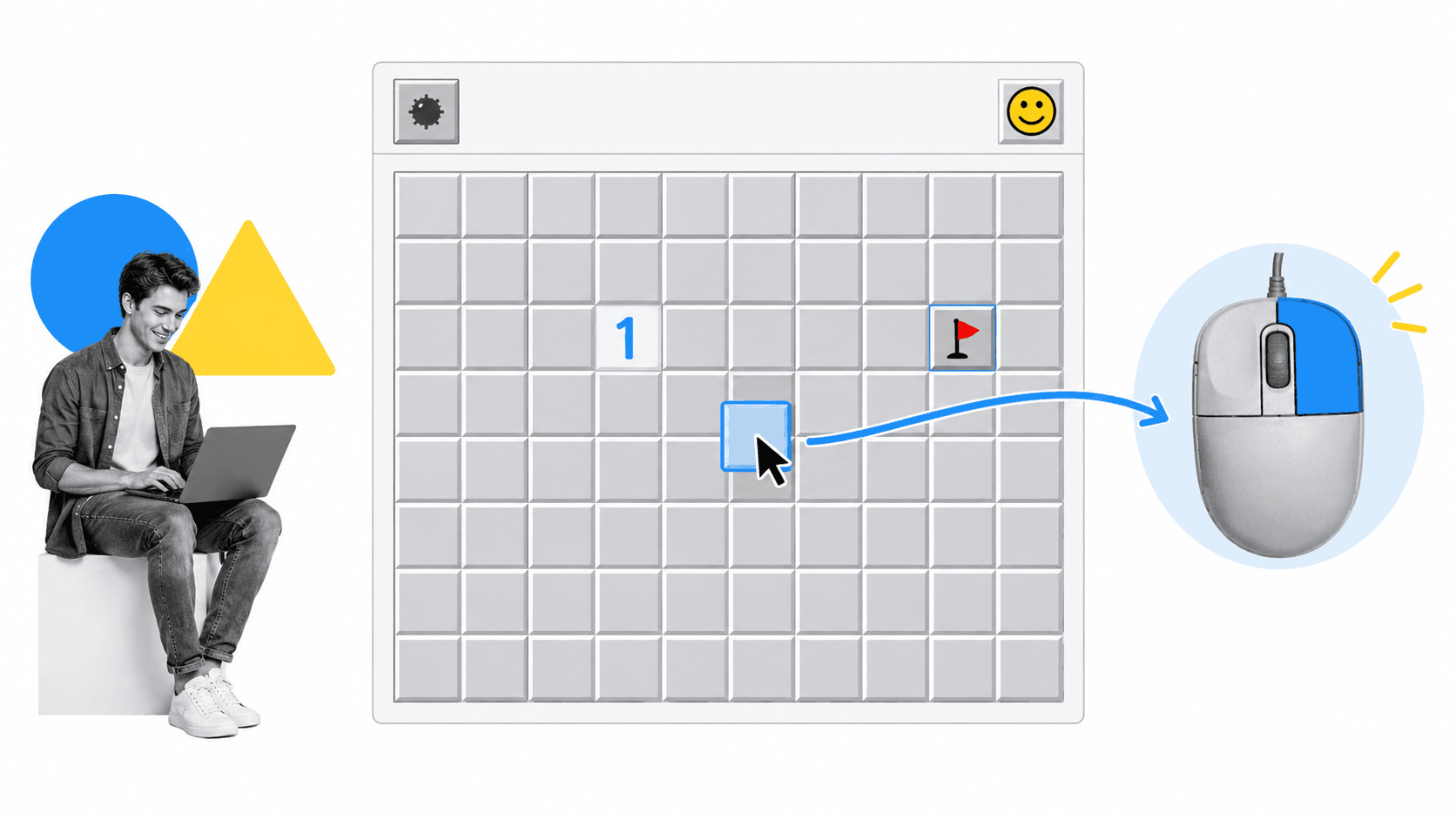
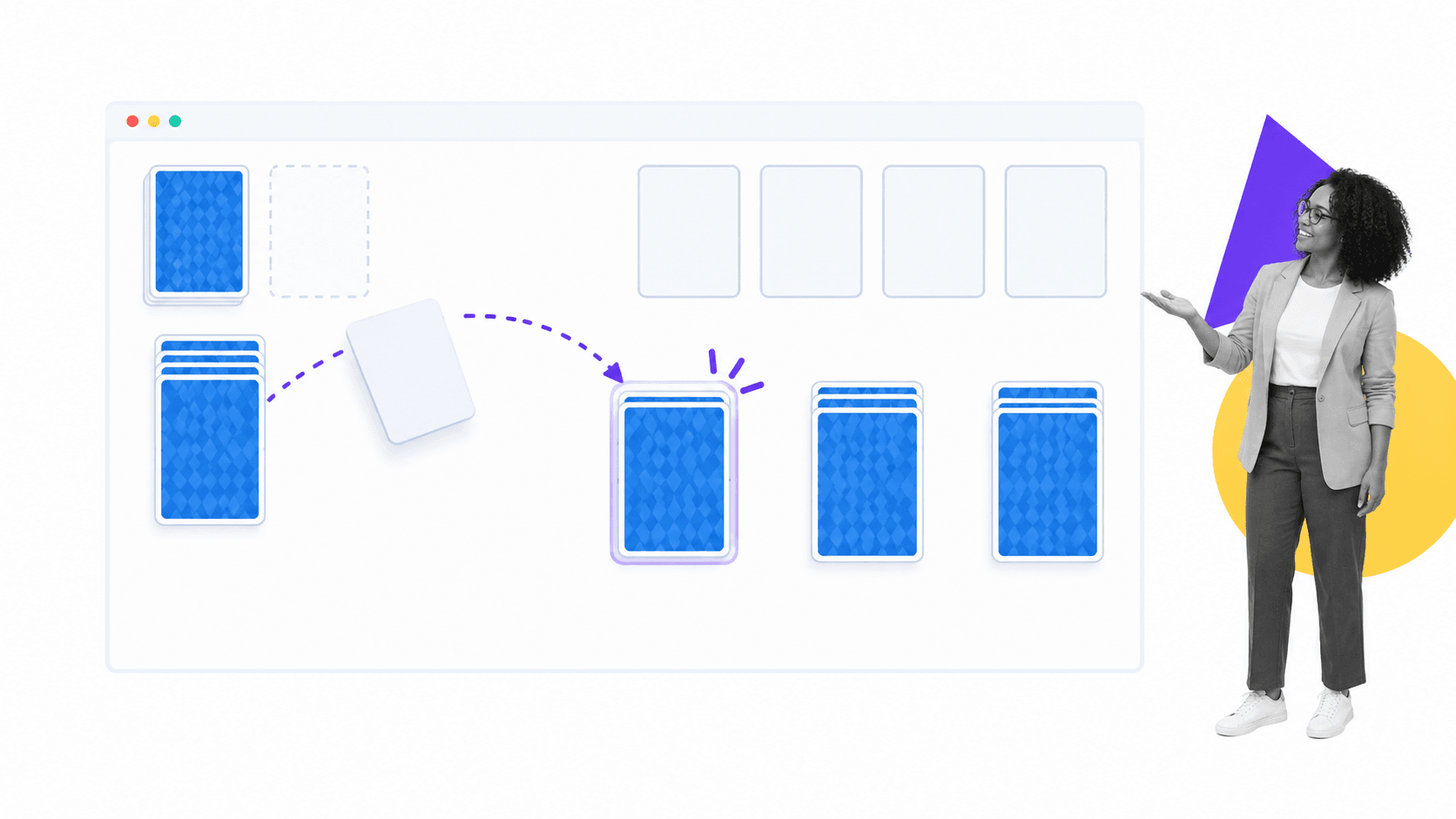
Rather than relying on dry, text-heavy tutorials that risked alienating power users, Microsoft embedded these lessons within bundled entertainment software: Minesweeper, Solitaire, and Hearts. This was not merely a marketing tactic to pass the time; it was a sophisticated onboarding strategy. Minesweeper, for example, forced users to distinguish between left-click (reveal) and right-click (flag) functions in a high-stakes, grid-based environment. This repetition built the muscle memory required to navigate the Windows OS. Solitaire served a similar pedagogical purpose, teaching the "click, drag, and release" mechanic that would become the cornerstone of managing files, icons, and windows on a desktop.
Chronology of Interaction Design
The integration of these games into the Windows ecosystem spanned roughly a decade, beginning in the late 1980s and reaching its peak in the mid-1990s.
- 1990: Microsoft releases Windows 3.0, including Solitaire, designed to introduce the mouse and GUI.
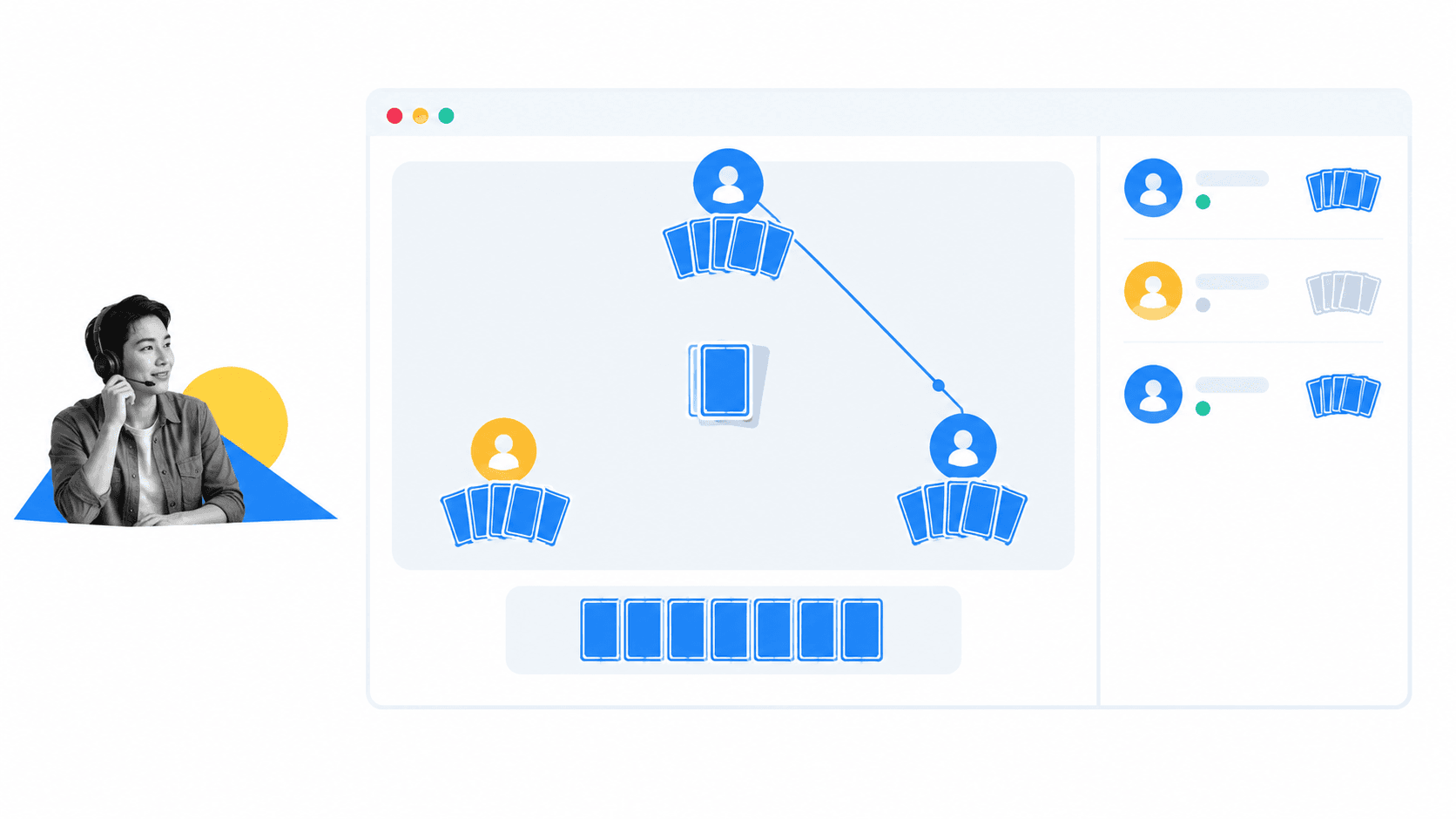
- 1992: Windows for Workgroups 3.1 introduces Hearts, a title focused on networked play.
- 1992: Minesweeper is included in the Windows Entertainment Pack, later becoming a staple of Windows 3.1, specifically targeting the mastery of secondary-click (right-click) inputs.
- 1995: The launch of Windows 95 cements these mechanics into the global consciousness, effectively training a generation of computer users through what would eventually be labeled "gamification."
Data and Performance Metrics in Onboarding
Modern product teams now measure the success of these onboarding flows through specific KPIs. Research from industry analysts suggests that products with optimized onboarding can see retention rates increase by as much as 50% within the first 90 days. Key metrics include:
- Time-to-First-Value (TTFV): The duration between initial login and the user completing a core, productive action.
- Activation Rate: The percentage of users who complete the "Aha!" moment—the specific action that signals long-term product adoption.
- Drop-off Rate per Step: Tracking where users abandon the onboarding flow to identify UI/UX friction points.
The core principle here is "progressive disclosure." By showing only the essential controls necessary for the immediate task, developers prevent cognitive overload. When users successfully complete an early win—such as successfully dragging a card in Solitaire or completing a profile setup in a modern app—they receive immediate, positive reinforcement. This loop of action, feedback, and success builds the confidence necessary for the user to explore more complex features later.
Modern Implementation: The Rise of Conversational Onboarding
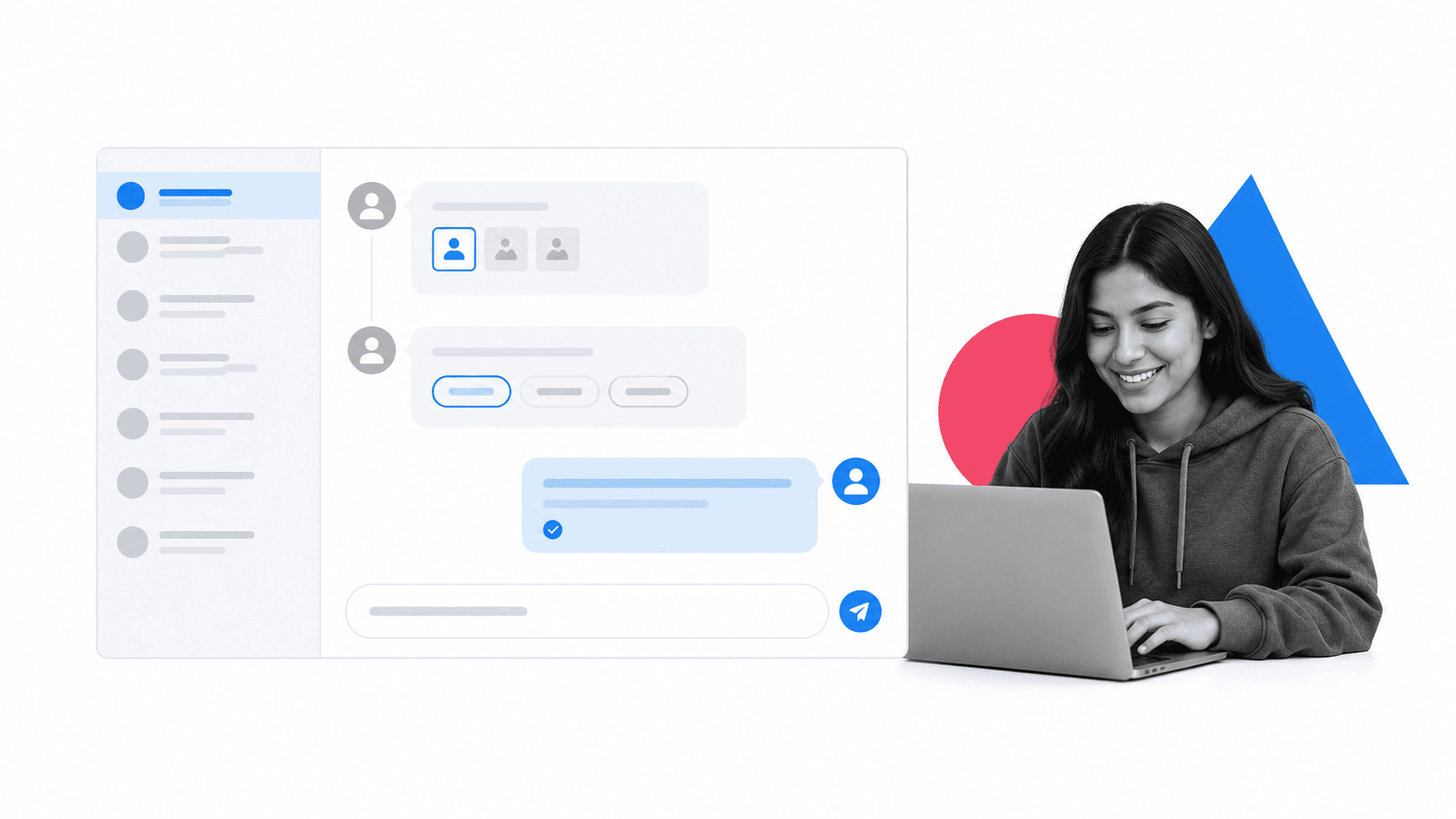
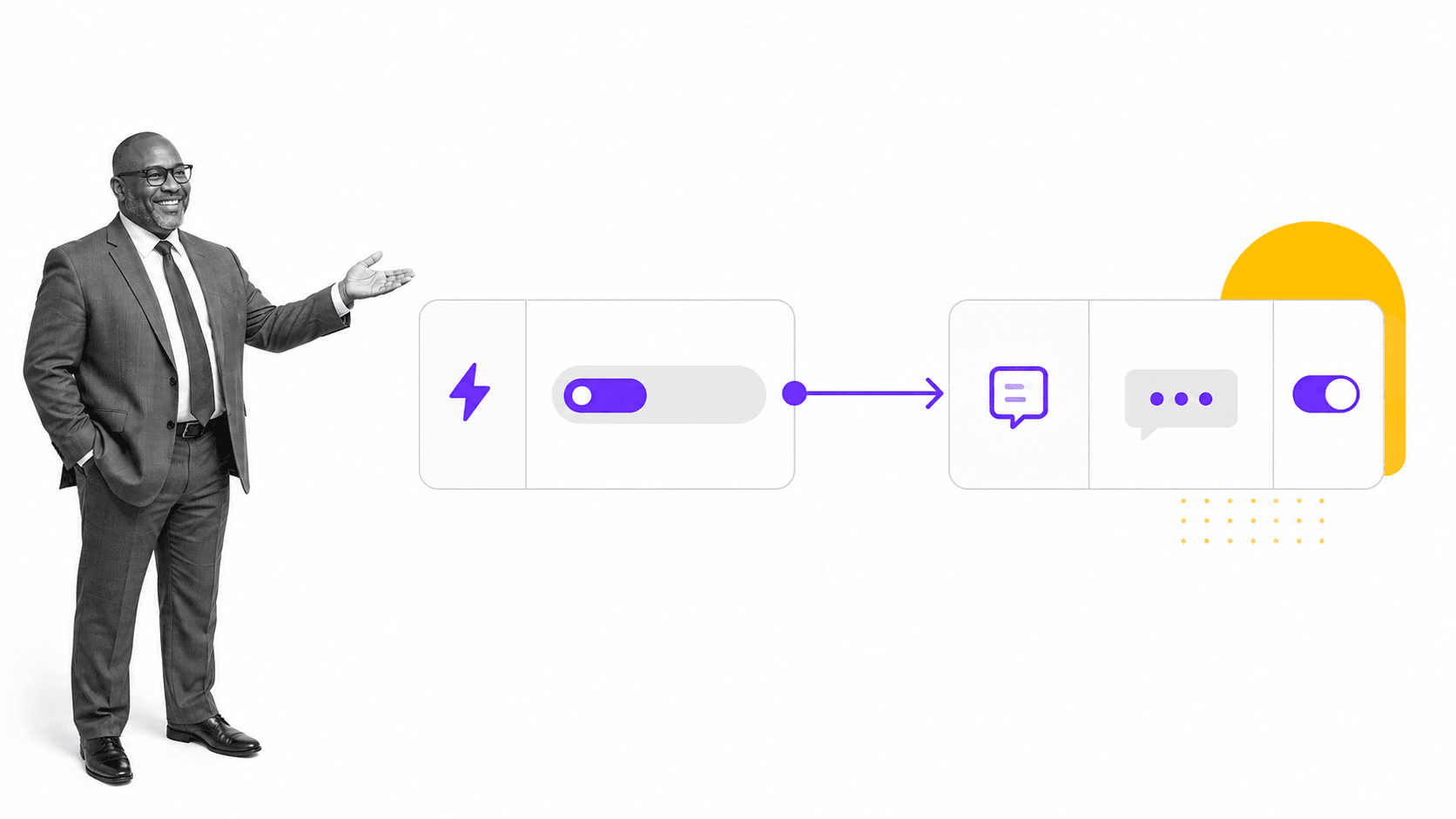
While the Microsoft era utilized games, modern enterprise software often utilizes conversational UI (CUI). A prime example of this evolution was the early onboarding of Slack. Instead of presenting a blank, intimidating interface, Slack employed "Slackbot." This persona guided users through the mechanics of the software—messaging, channel creation, and profile management—by treating the setup process as a simulated conversation.
This approach serves as a modern alternative to the "Clippy" era of the 1990s, which was often viewed as intrusive. The success of Slack’s model was predicated on context. Rather than providing unsolicited help, the interface prompted the user to perform tasks that were intrinsically linked to the product’s primary utility. As Samuel Hulick, a noted UX strategist, has observed, the most effective onboarding experiences are those that act as an extension of the product’s value proposition rather than a wall erected in front of it.
Broader Implications for Business Operations
The shift toward low-touch, automated onboarding has profound implications for how organizations scale. When a company cannot provide one-to-one training for every customer, the product must act as its own guide. This is critical in the realm of Compliance Operations and enterprise software, where complexity is high but the need for self-service is paramount.
For organizations managing these workflows, platforms like Process Street have emerged to manage the "human side" of these operations. By integrating documentation with actionable tasks, companies can ensure that onboarding isn’t just a one-time event for the customer, but a continuous loop of improvement. The integration of AI into these platforms allows teams to monitor, draft, and refine onboarding processes based on real-time user behavior data.
The Role of Gamification and Psychological Incentives
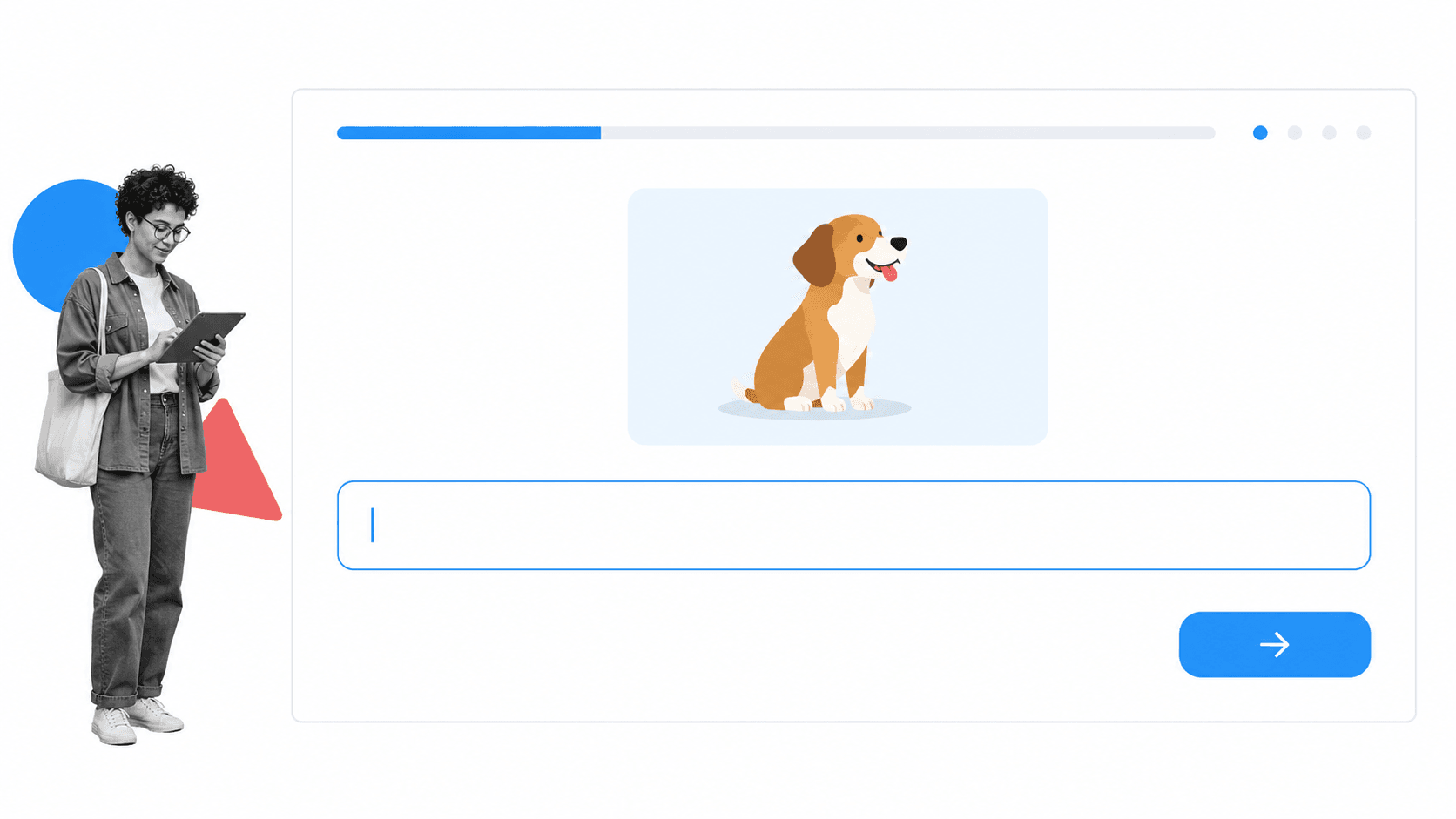
Gamification in software is often misunderstood as simply adding badges or leaderboards. In a professional context, true gamification is about creating a sense of progression and mastery. As noted in the theories of gamification expert Yu-Kai Chou, the goal is to make learning visible. Whether through progress bars, check-off lists, or early "win-states," the objective is to provide a sense of achievement that motivates the user to proceed to the next layer of complexity.
However, there is a caveat: gamification must be grounded in utility. If a user is forced to complete "meaningless" tasks to earn a badge, the experience becomes noise. The rewards must be tied to the successful completion of a real-world task, such as importing data, inviting a team member, or completing a specific document.
Analysis of the "Mastery Loop"
The enduring lesson from both the Windows gaming era and contemporary SaaS design is the "mastery loop." This consists of three distinct phases:

- Trigger: A clear, contextual call to action.
- Action: The user performs a task that yields a direct result.
- Feedback: The system confirms the success, reinforcing the behavior.
When this loop is closed, the user gains a sense of ownership over the tool. This is particularly vital during the identity-creation phase of onboarding. By allowing users to personalize their profiles or workspaces, companies foster an emotional investment in the platform. This psychological attachment often correlates with higher long-term retention.
Looking Toward Future Design
As software becomes increasingly complex, the demand for "invisible" onboarding—where the learning curve is flattened through intuitive design—will only grow. The goal is no longer to teach the user how to use the software; it is to enable the user to solve their problems with as little intervention as possible.
Organizations that continue to rely on long-form manuals or dense "product tours" that block the user from the interface are likely to see higher churn rates. The future of onboarding lies in the integration of AI-driven guidance, where the system monitors for friction and offers help only when it is needed. By treating every interaction as an opportunity to teach, companies can ensure that their products are not just functional, but essential.
In conclusion, effective onboarding is a balance of psychology and engineering. It requires a deep understanding of the user’s intent and a commitment to removing barriers between the user and their goals. Whether through the clever use of a digital card game or a well-timed conversational prompt, the ultimate objective remains unchanged: turn product mechanics into purposeful progress. As the digital landscape continues to evolve, the businesses that succeed will be those that respect the user’s time, provide immediate value, and turn the initial onboarding experience into a foundation for long-term mastery.
Related posts: