The Death of the Centralized Town Square: Jeff Atwood and the Tech Industry Reckoning with the Transformation of Twitter


Software developer and Stack Overflow co-founder Jeff Atwood has added his voice to the growing chorus of technologists, academics, and digital creators formally declaring the era of traditional, centralized social media effectively over. In a comprehensive critique examining the post-acquisition state of the platform formerly known as Twitter—now rebranded as X—Atwood dissected the vulnerabilities of hyper-scaled digital networks and issued a stark warning regarding the dangers of entrusting critical public discourse to the whims of singular, autocratic leadership.
Drawing upon cultural critiques, historical parallels, and the experiences of prominent figures within the software engineering community, the discourse highlights a fundamental paradigm shift in how the internet interacts, communicates, and organizes online communities. The transition of Twitter from a bustling, albeit flawed, digital town square into a polarized and volatile environment has served as a catalyst for a broader industry movement toward decentralization, open-source infrastructure, and user-owned platforms.

The Evolution and Decline of the Global Microblogging Paradigm
Launched in 2006, Twitter rapidly established itself as an indispensable utility for real-time information dissemination, journalism, technical collaboration, and cultural discourse. For nearly two decades, millions of users—ranging from casual observers to world leaders and critical infrastructure engineers—relied on the platform to broadcast thoughts, aggregate news, and maintain global networks. Despite perennial concerns regarding cyberbullying, algorithmic radicalization, and the proliferation of misinformation, the network maintained a vital gravitational pull across the global internet ecosystem.
However, the acquisition of the platform in late 2022 by billionaire entrepreneur Elon Musk marked a profound turning point. Under subsequent leadership, the platform experienced a rapid succession of operational overhauls, substantial workforce reductions, the dismantling of traditional trust and safety teams, and the reinstatement of previously banned accounts. Observers and digital sociologists noted an immediate deterioration in content moderation standards, accompanied by a sharp rise in hate speech, targeted harassment, and coordinated disinformation campaigns.

For veterans of the technology sector like Atwood, who documented the platform’s trajectory from its infancy, the degradation of the service felt particularly acute. Referencing observations by prominent internet scholars, critics characterized the dismantling of a healthy, functioning digital ecosystem not as an organic decline, but as an avoidable collapse driven by erratic executive decisions and ideological mandates.
Cognitive Limits and the Fallacy of the Megascale Town Square
At the core of Atwood’s critique—and echoed in contemporaneous essays by cultural critic Paul Ford—is a fundamental questioning of human cognitive scalability in digital spaces. Anthropological research, most notably Dunbar’s Number, suggests that human brains are neurologically equipped to maintain approximately 150 stable social relationships. Forcing millions of disparate individuals into a single, unmoderated colosseum inevitably strains human psychology, leading to tribalism, outrage addiction, and systemic dysfunction.
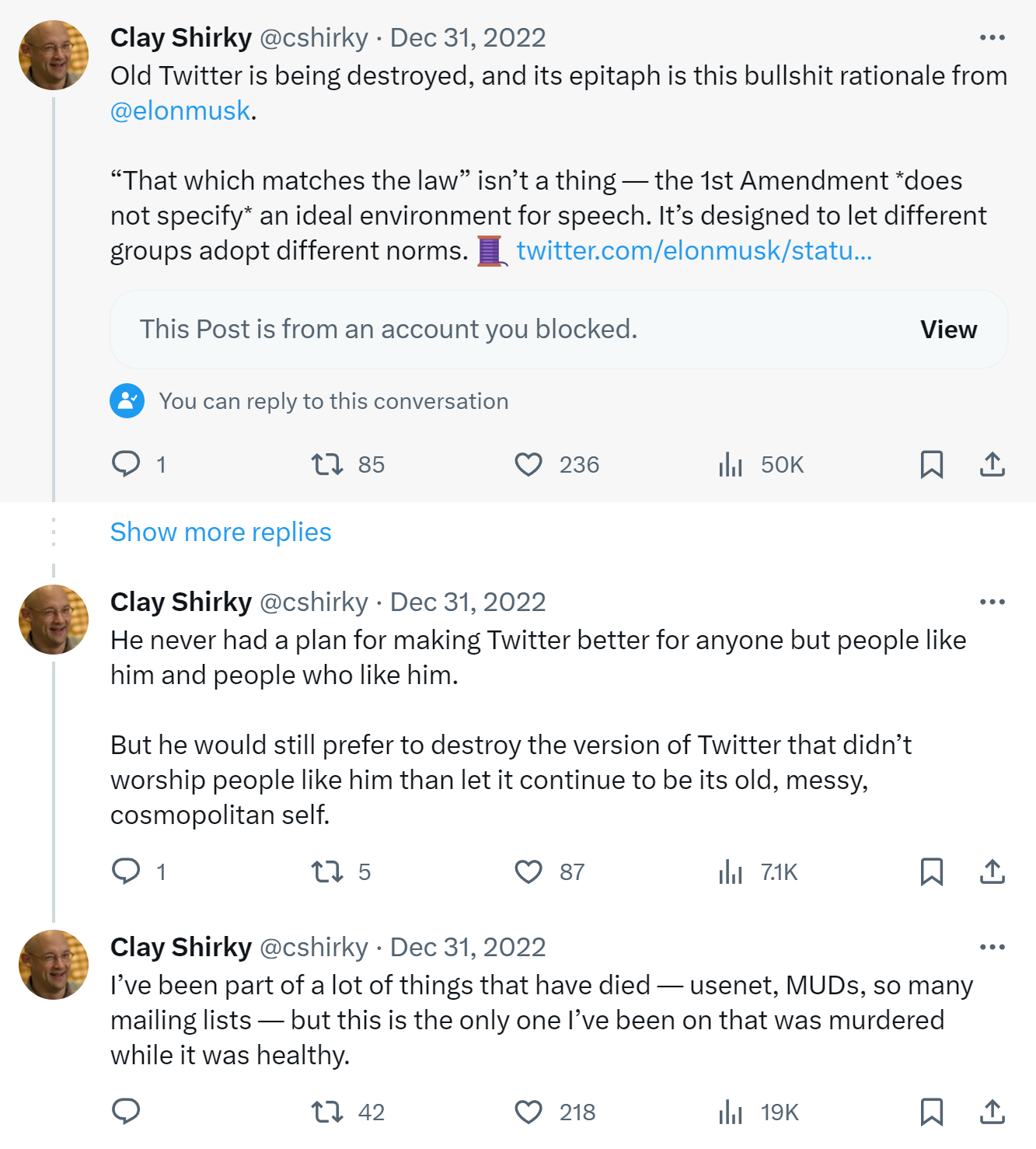
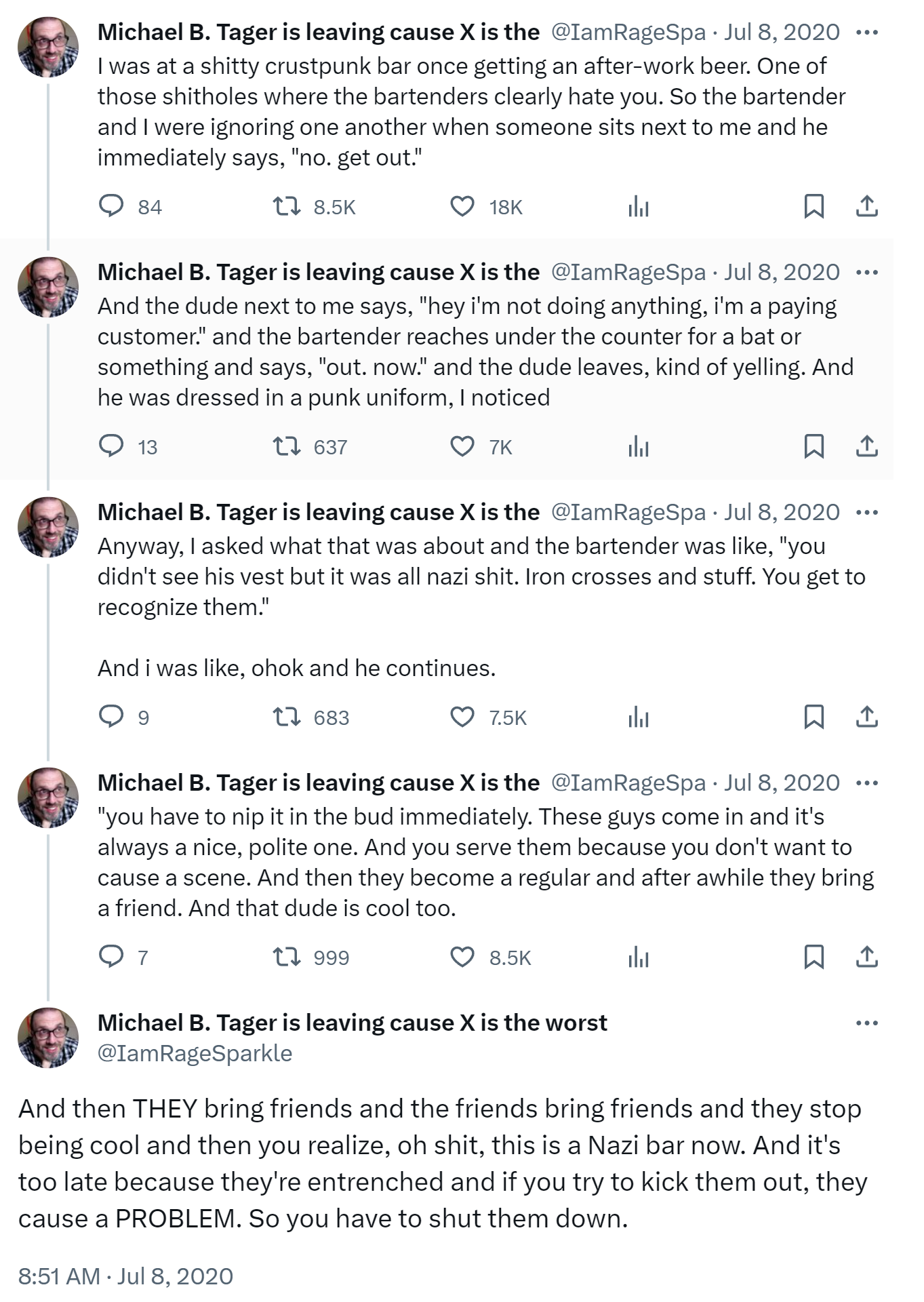
While Silicon Valley entities have historically championed the concept of a centralized "marketplace of ideas" or a global town square, critics argue that these monolithic architectures are fundamentally incompatible with healthy human interaction. When scaled infinitely without robust, community-driven guardrails, centralized platforms tend to devolve into adversarial battlegrounds. This phenomenon aligns with sociological warnings regarding platform governance: unmoderated spaces inevitably invite extremist elements whose aggressive tactics eventually crowd out moderate participants, fundamentally altering the cultural DNA of the community—a dynamic frequently compared to a neighborhood establishment slowly being co-opted by bad actors until normalization takes root.
The Pivot Toward Decentralization and Federated Networks
In response to the shifting landscape of centralized social media, a growing segment of the developer and academic communities has accelerated migration toward decentralized, federated protocols. Platforms built upon open standards—such as Mastodon and the broader Fediverse—offer an alternative model where control is distributed across independent servers rather than concentrated within a single corporate entity or controlled by an individual billionaire.
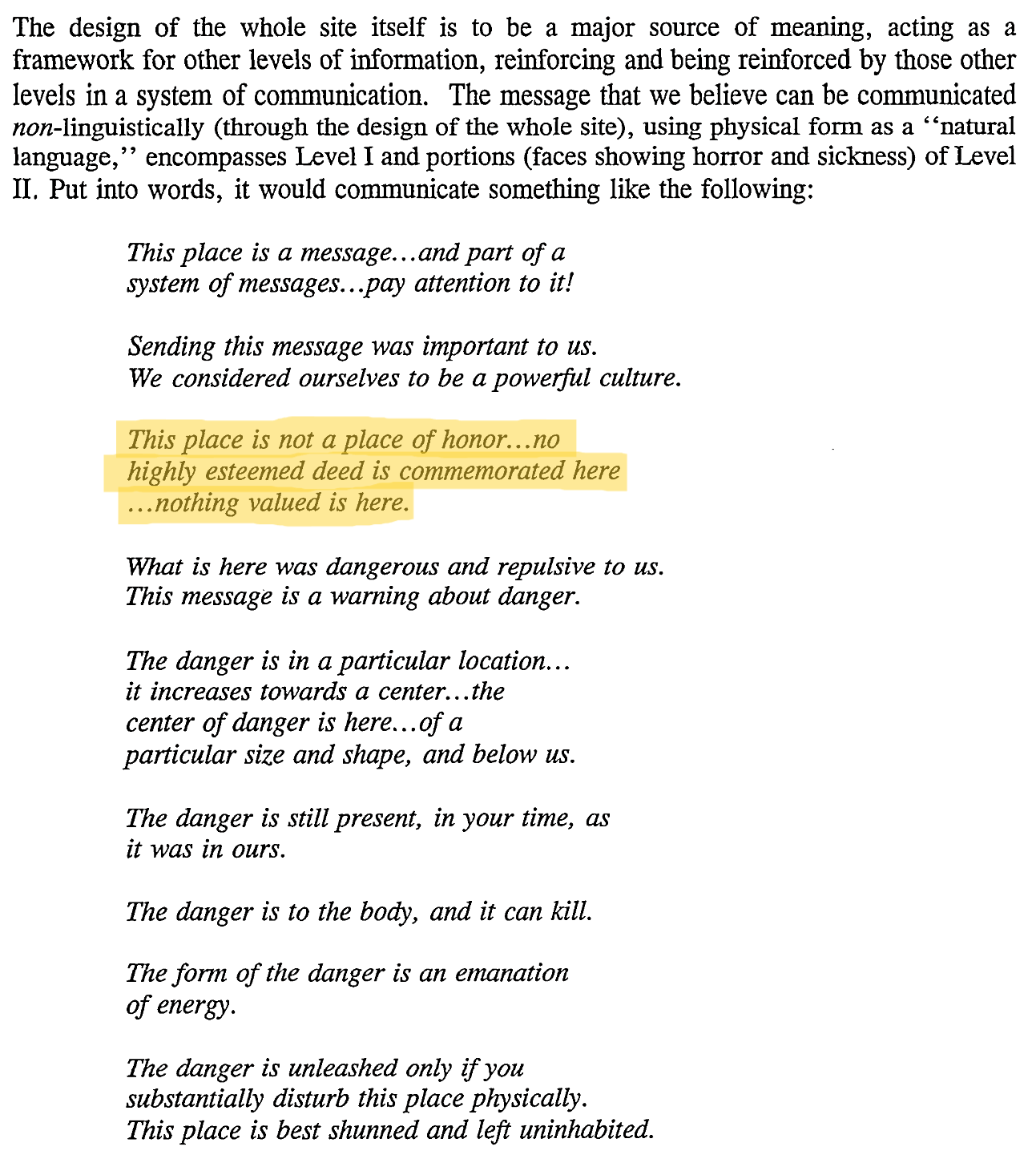
This decentralized approach mirrors the foundational ethos of the early internet and email protocols, where no single entity can unilaterally alter terms of service, implement arbitrary algorithmic changes, or pull the rug out from under established communities. Atwood, alongside his ongoing work with the Discourse open-source community platform, has long championed digital self-reliance and collective ownership. By rejecting the illusion of "free" centralized services—which often monetize user attention, data, and emotional labor—developers and community organizers are increasingly investing in sustainable, paid, or cooperatively managed digital infrastructure.
Broader Implications for Digital Governance and Public Discourse
The transformation of Twitter under new ownership carries profound implications for the future of digital governance, free expression, and the economics of the internet. The episode serves as a cautionary tale for institutions, journalists, and everyday users who remain tethered to proprietary platforms where their accumulated audience and content can be devalued overnight by executive fiat.
Furthermore, the shift highlights the growing viability of open-source, federated ecosystems as resilient alternatives to corporate-owned social media monopolies. While decentralized networks are frequently characterized by critics as fragmented, complex, or lacking the frictionless onboarding of legacy platforms, proponents argue that these friction points are the necessary cost of democratic governance and user sovereignty. Much like democratic political systems, open digital federation requires active participation, localized moderation, and continuous maintenance—traits that, while demanding, ensure long-term survival and resistance against tyranny.
As the digital landscape continues to adapt to the post-Twitter era, the consensus among many technology veterans points toward a permanent fragmentation of the social web. The era of the single, all-encompassing digital town square is giving way to a more pluralistic internet, defined by smaller, federated communities where users retain autonomy over their data, their interactions, and the governance of the spaces they inhabit.
Related posts: