Economic Sustainability: Navigating the Intersection of Long-Term Prosperity, Resource Stewardship, and Global Market Resilience


Economic sustainability represents a fundamental shift in how modern organizations define success, moving beyond the narrow confines of quarterly profit margins toward a model that ensures long-term viability without depleting the social and environmental capital upon which all markets depend. In an era of increasing ecological volatility and social inequality, the traditional metrics of economic progress, most notably Gross Domestic Product (GDP), are being scrutinized for their inability to account for the depletion of natural resources, the degradation of ecosystems, and the widening gaps in income distribution.
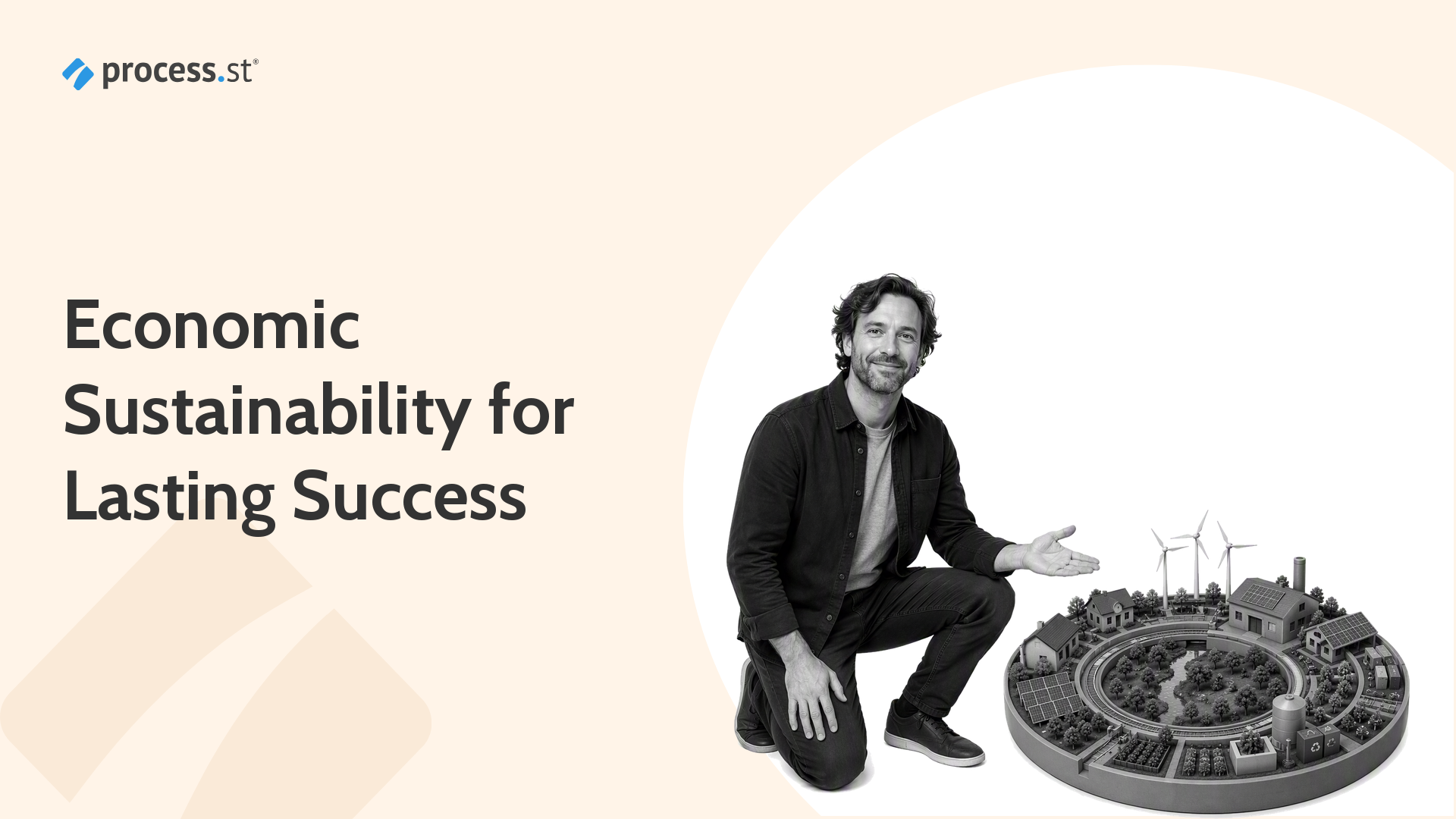
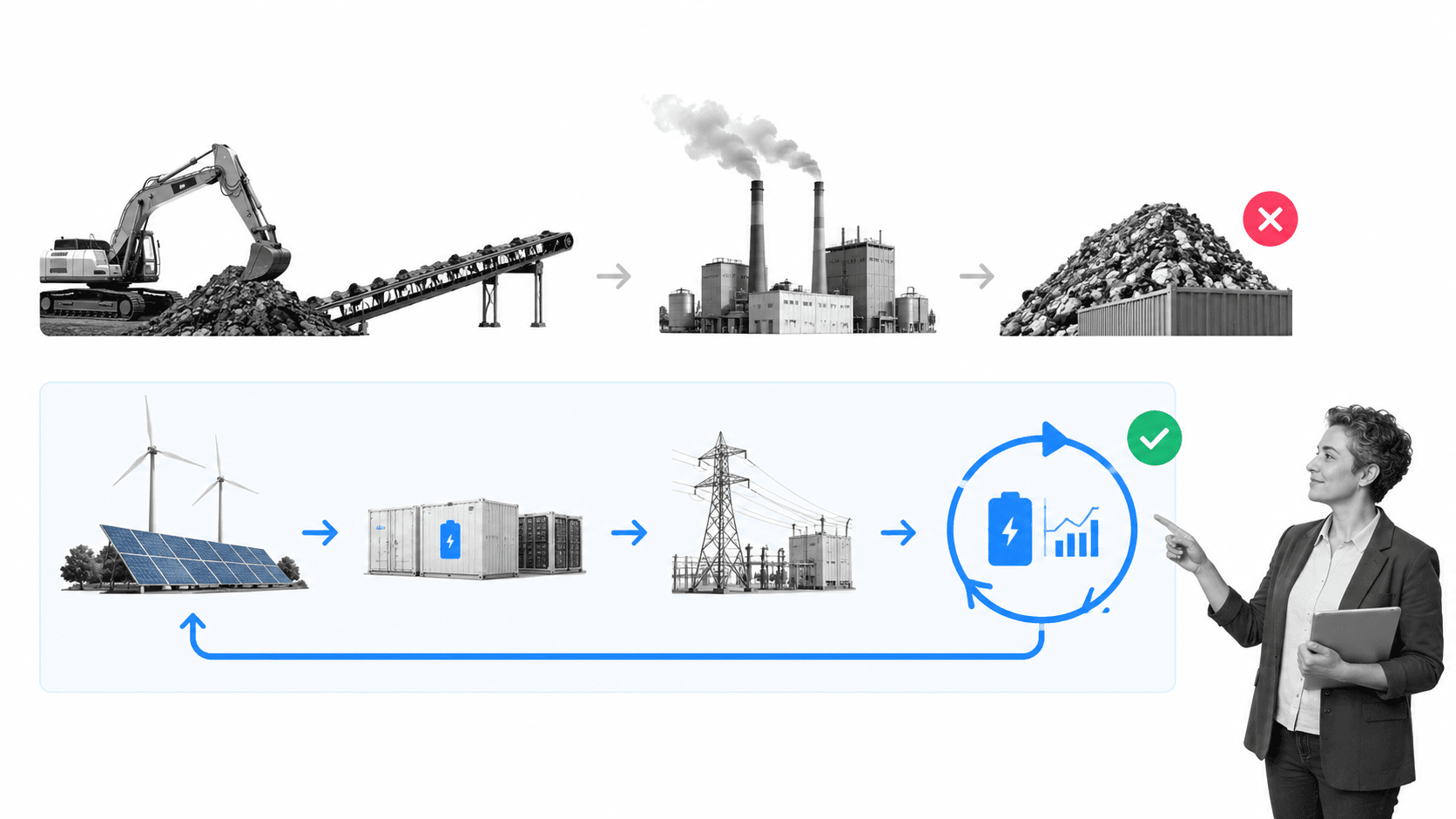
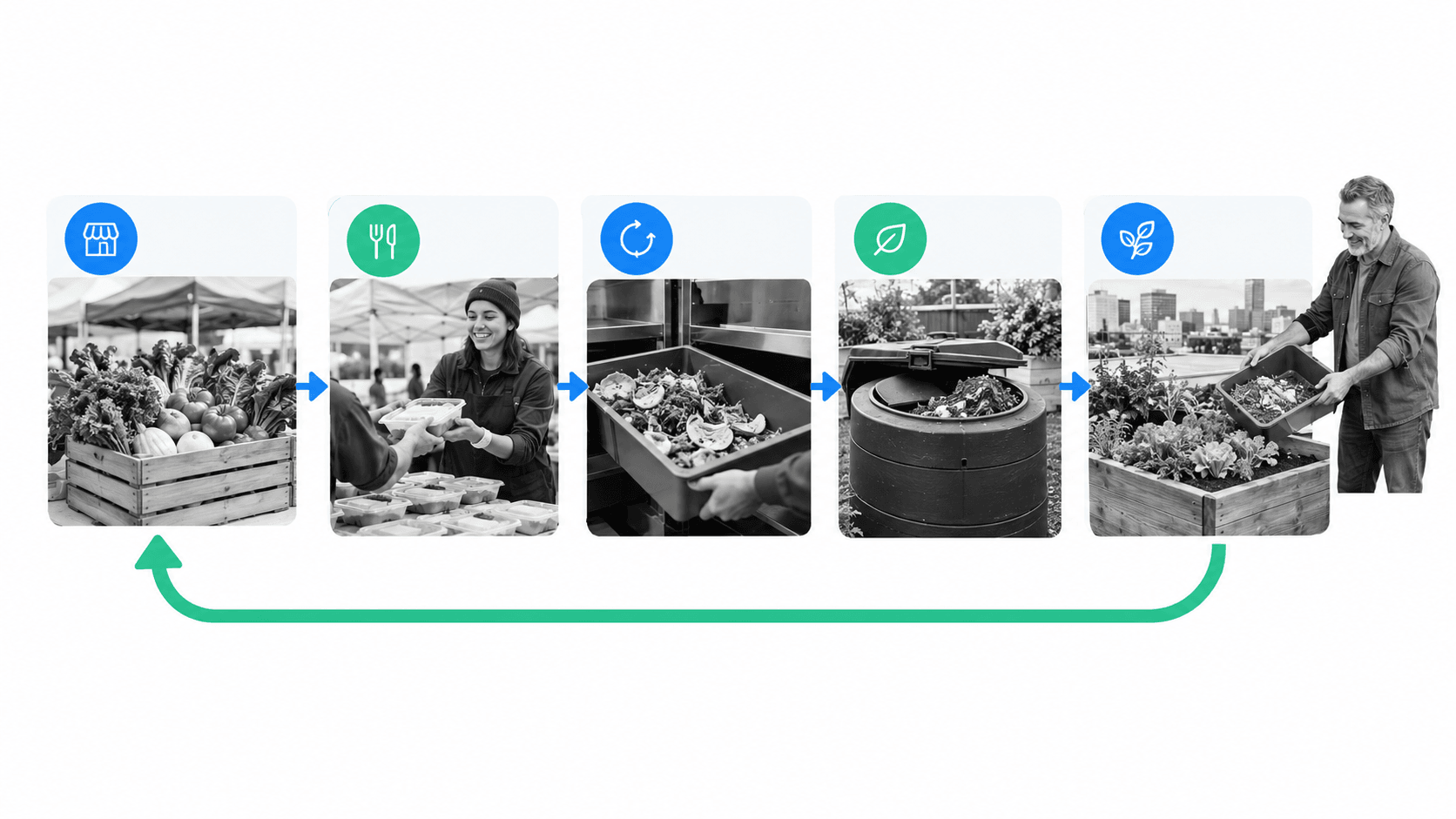
The evolution of this concept has been marked by a transition from the mid-20th-century focus on industrial expansion to the contemporary emphasis on "circular" and "regenerative" economic systems. Historically, the global economy operated under a linear extraction model: extract, produce, consume, and discard. However, the cumulative pressures of the 21st century—including climate change, resource scarcity, and supply chain disruptions—have forced a re-evaluation of this trajectory.
The Nested Dependency Framework
The core of economic sustainability lies in the understanding that the economy is not an independent entity. Rather, it is a sub-system embedded within human society, which in turn resides within the finite boundaries of the Earth’s biosphere. This "nested dependency" model highlights that economic activity is entirely reliant on the health of the biosphere for raw materials, stable climate conditions, and ecosystem services. Simultaneously, it relies on a stable, educated, and healthy society to provide the labor force, infrastructure, and regulatory environment necessary for commerce.
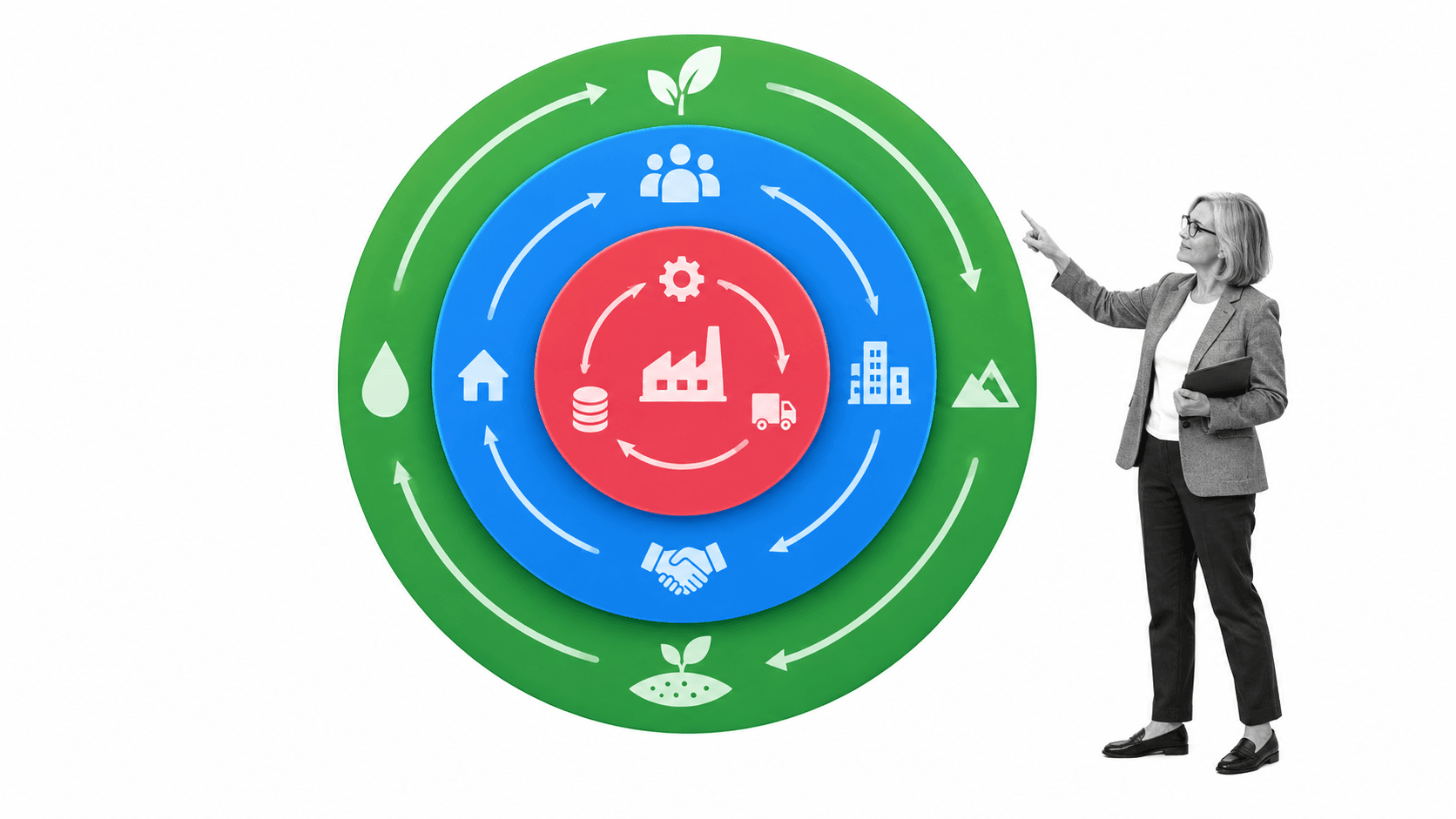
When a corporation achieves record profits by offloading the costs of pollution onto the public or by suppressing wages below a living standard, it is engaging in a form of "hidden borrowing" from the future. This practice is inherently unsustainable, as the resulting ecological and social deficits eventually manifest as systemic risks—such as regulatory penalties, labor unrest, or the loss of essential raw materials—that threaten the organization’s very survival.
Measuring Progress Beyond GDP
For decades, national performance has been judged primarily by GDP. While GDP tracks the volume of market-based transactions, it is a flawed barometer for the actual health of a nation. It registers the cleanup costs of an environmental disaster as a positive contribution to the economy, while ignoring the loss of natural capital or the depletion of groundwater.
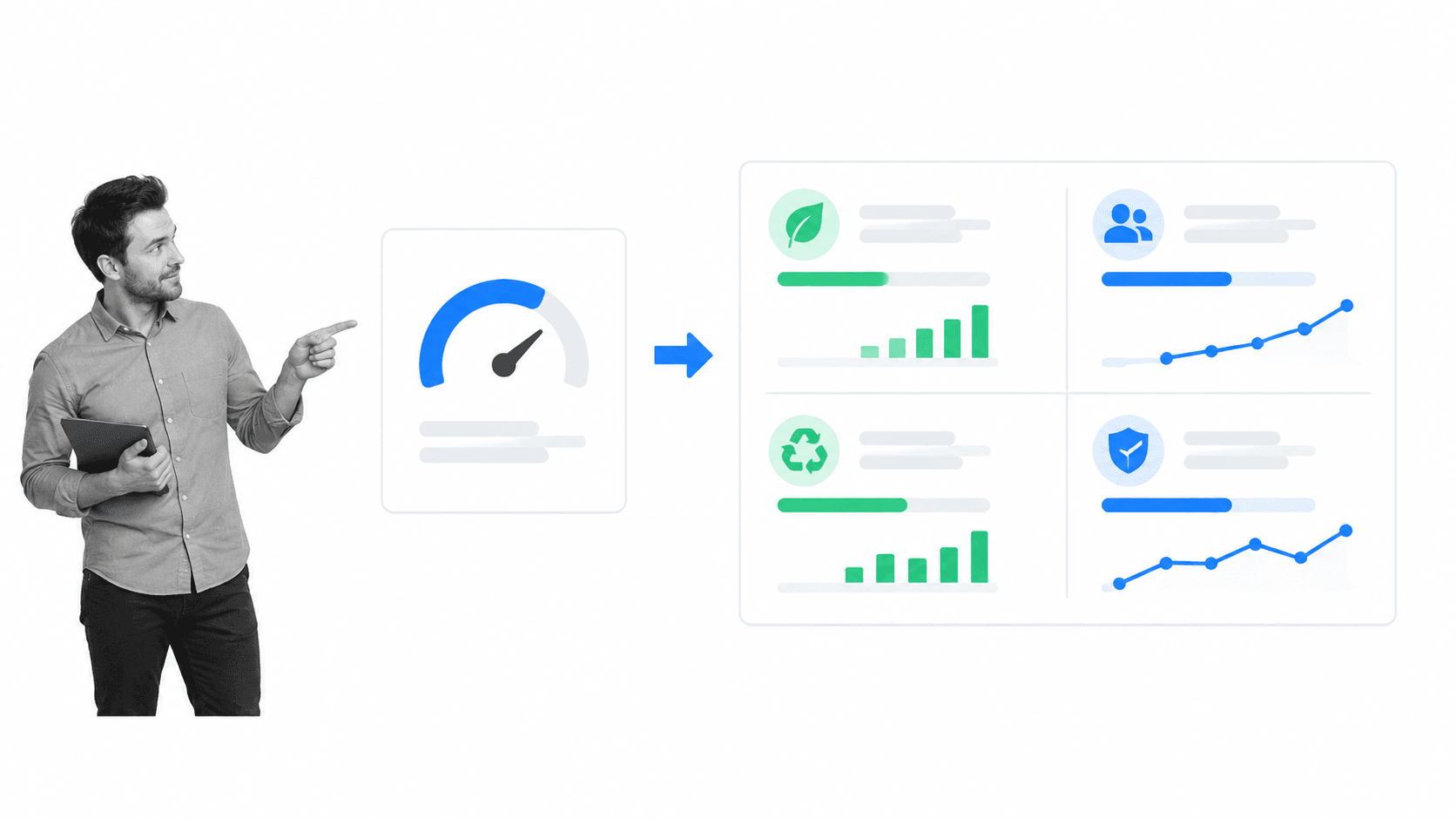
To move toward a more accurate assessment, economists and policymakers are increasingly adopting multi-dimensional scorecards. These frameworks incorporate:
- Resource Productivity: Measuring the value created per unit of energy or material consumed.
- Income Distribution: Evaluating whether economic gains are reaching the broader population or concentrating at the top.
- Resilience Indices: Assessing an organization’s or nation’s ability to withstand external shocks, such as supply chain failures or climate-related disasters.
- Natural Capital Accounting: Assigning value to ecosystem services that are typically treated as free, such as carbon sequestration by forests or water filtration by wetlands.
Chronology of the Sustainability Movement
The journey toward economic sustainability has gained significant institutional momentum over the past three decades:
- 1987: The UN Brundtland Commission report, "Our Common Future," popularized the definition of sustainable development: "meeting the needs of the present without compromising the ability of future generations to meet their own needs."
- 2015: The adoption of the UN Sustainable Development Goals (SDGs) provided a global roadmap, linking economic goals with social and environmental targets.
- 2021-2022: The World Bank and other international bodies updated their definitions of extreme poverty to reflect modern purchasing power, acknowledging that financial survival is a prerequisite for any meaningful economic participation.
- 2025: The International Energy Agency (IEA) estimated global clean energy investment reached approximately $2.2 trillion, signaling a decisive shift in how capital is allocated globally compared to fossil fuel investments.
The Fiscal and Economic Benefits of Sustainability
Critics of sustainable business practices often cite the cost of transition as a barrier. However, evidence suggests that the "sustainability premium" is increasingly being outweighed by operational efficiency and risk mitigation. According to research from the Institute for Local Government, proactive sustainability strategies yield several concrete financial advantages.
1. Reduced Operational Liabilities
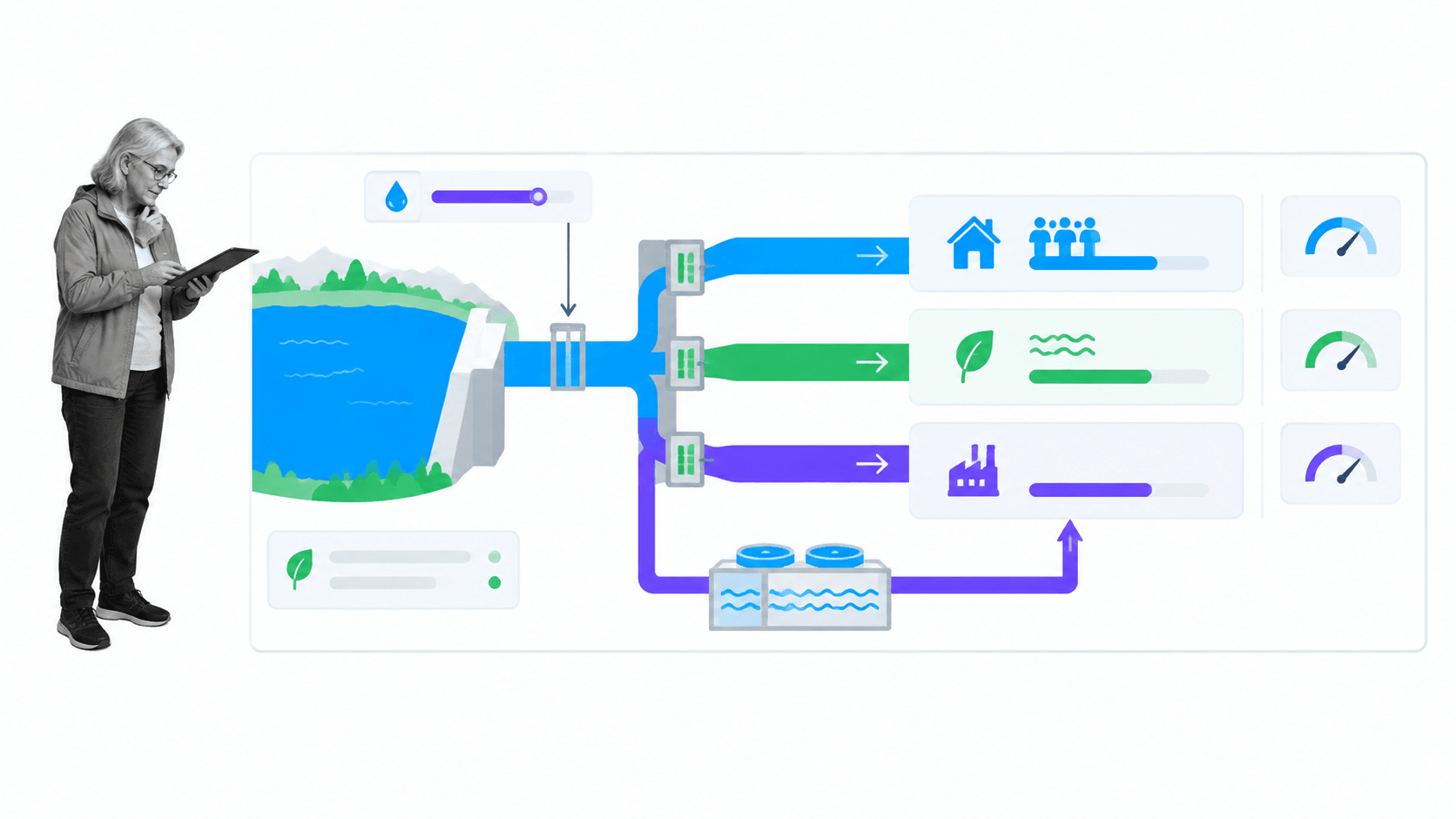
By implementing rigorous environmental accounting, companies can identify inefficiencies in water and energy usage. These are not merely "green" initiatives; they are cost-reduction strategies that improve the bottom line by lowering utility expenses and reducing waste management fees.
2. Access to Green Capital
Financial markets have responded to the shifting landscape by creating specialized instruments, such as green bonds and ESG-linked loans. Organizations that demonstrate transparent, verifiable sustainability data often enjoy lower costs of capital and increased interest from institutional investors who are mandated to manage long-term climate risk.
3. Enhanced Fiscal Stability
A business model built on the efficient use of resources is inherently more resilient to market volatility. As the cost of fossil fuels and water rises due to scarcity or carbon pricing, organizations that have decoupled their growth from high-resource consumption find themselves with a competitive advantage over slower-moving peers.
Operationalizing Sustainability: A Compliance-Led Approach
The transition from theoretical commitment to operational reality requires a robust governance framework. Sustainability is not a static policy; it is an ongoing process of data collection, verification, and adjustment. Modern organizations are utilizing Compliance Operations Platforms to bridge the gap between their stated goals and their daily workflows.
The operationalization process typically follows a three-stage lifecycle:

- Baseline Establishment: Before setting targets, an organization must define its boundaries. This includes cataloging current resource consumption, identifying supply chain vulnerabilities, and establishing the "source of truth" for environmental data.
- Procedural Integration: Sustainability must be woven into the daily operations of procurement, logistics, and manufacturing. This means moving beyond generic vendor requirements to specific, contractually binding sustainability criteria. When an organization integrates these checks into automated workflows, it removes the reliance on manual, error-prone spreadsheets.
- Evidence and Accountability: Public claims regarding sustainability—such as "carbon neutral" or "waste-free"—are increasingly subject to intense regulatory scrutiny and litigation. A robust system retains an immutable audit trail of every decision, ensuring that public communications are backed by verified evidence, thereby mitigating the risk of greenwashing allegations.
Challenges and Future Implications
The path to economic sustainability is not without obstacles. The "rebound effect"—where efficiency gains lead to lower costs, which in turn drive higher total consumption—remains a significant hurdle. For example, if a vehicle becomes more fuel-efficient, the cost of travel decreases, which may encourage people to drive more, potentially negating the initial carbon savings.
Furthermore, the global disparity in infrastructure complicates the implementation of a uniform standard. Developing nations face the dual challenge of lifting populations out of poverty while simultaneously transitioning to cleaner technologies. Economic sustainability in this context requires technology transfer, international cooperation, and a rejection of the idea that growth must always equate to increased material throughput.
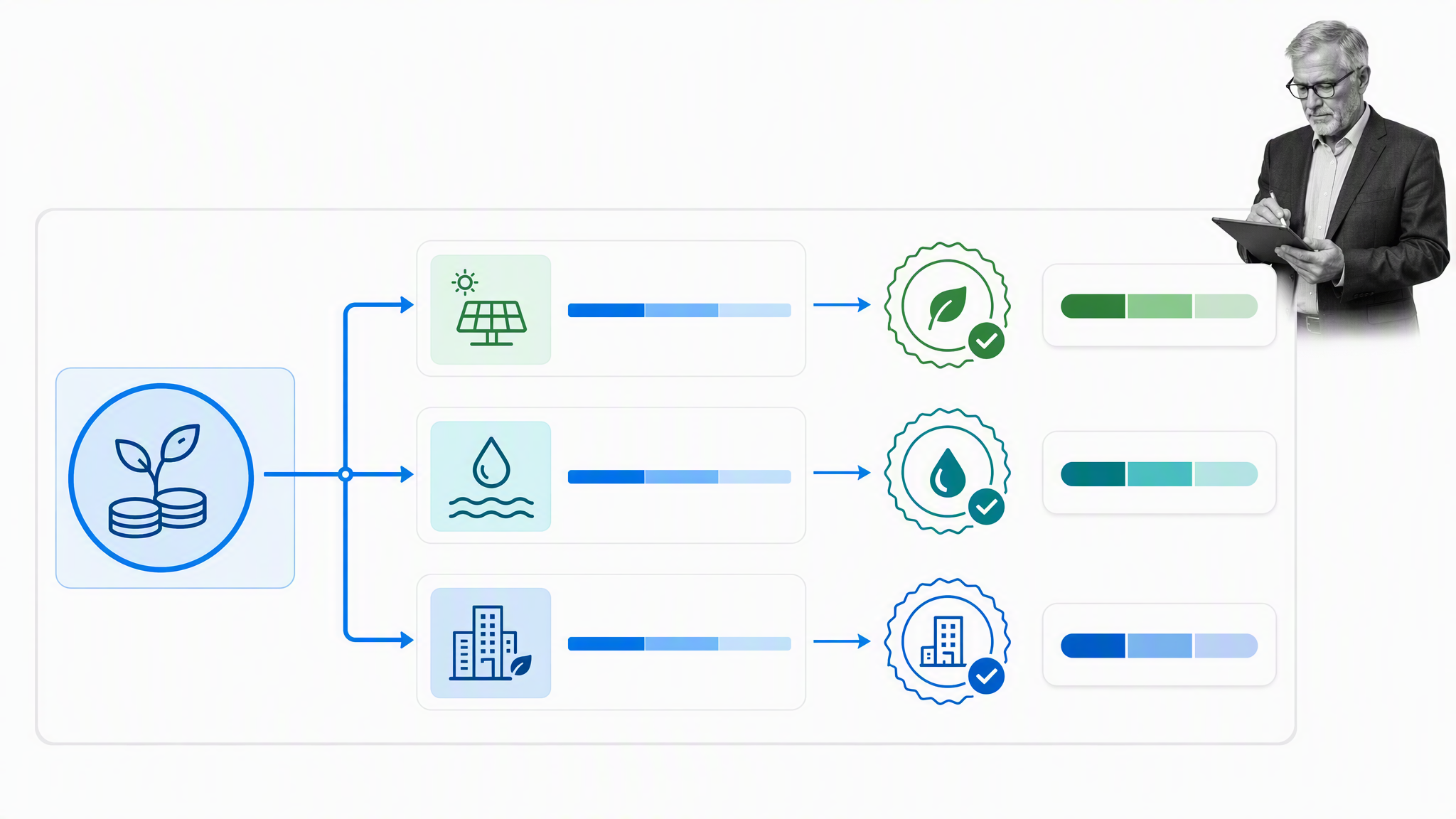
The goal for the next decade is the decoupling of economic value from environmental degradation. We are seeing a shift in the corporate narrative: the most successful firms of the 21st century will be those that view natural resources and social stability as assets to be nurtured, rather than commodities to be exploited.
Conclusion
Economic sustainability is, at its heart, a matter of risk management and long-term stewardship. Whether at the local, national, or corporate level, the objective remains the same: to create a system where prosperity is durable, broadly shared, and capable of operating within the regenerative capacity of the planet. As data and reporting standards mature, the ability to turn sustainability from a corporate slogan into a measurable, repeatable operational practice will define the winners of the coming economic era. Businesses that act now to align their operations with these realities will not only protect their bottom line but will also ensure their continued relevance in a changing global landscape.
Related posts: