How a Small Business Automated Answer Engine Optimization to Capture AI Search Visibility

The rapid integration of artificial intelligence into daily search habits has fundamentally altered how consumers and businesses discover products and services online. Traditional search engine optimization (SEO), focused primarily on blue links and keyword density, is increasingly sharing space with Answer Engine Optimization (AEO)—a discipline centered on ensuring a brand is explicitly named within conversational AI responses generated by platforms like ChatGPT, Perplexity, and Google AI Overviews. While major multinational corporations possess the dedicated resources required to systematically target these generative outputs, small and mid-sized enterprises often struggle to maintain a consistent digital presence. However, recent developments demonstrate that lightweight automation pipelines can bridge this gap, enabling localized firms to monitor, measure, and capture AI search visibility with minimal manual overhead.

The Genesis of an AI Visibility Strategy
The practical application of AEO for smaller enterprises was recently demonstrated by a generalist content marketer working with CAT Electric Vision, a localized Romanian firm specializing in earthing and lightning surge protection equipment. Operating in a niche industrial market, the three-year-old company traditionally relied on word-of-mouth referrals, returning enterprise clients, and sporadic digital marketing pushes. Content strategies typically followed a cyclical pattern: an initial surge of asset creation followed by dormant periods as operational demands took precedence.
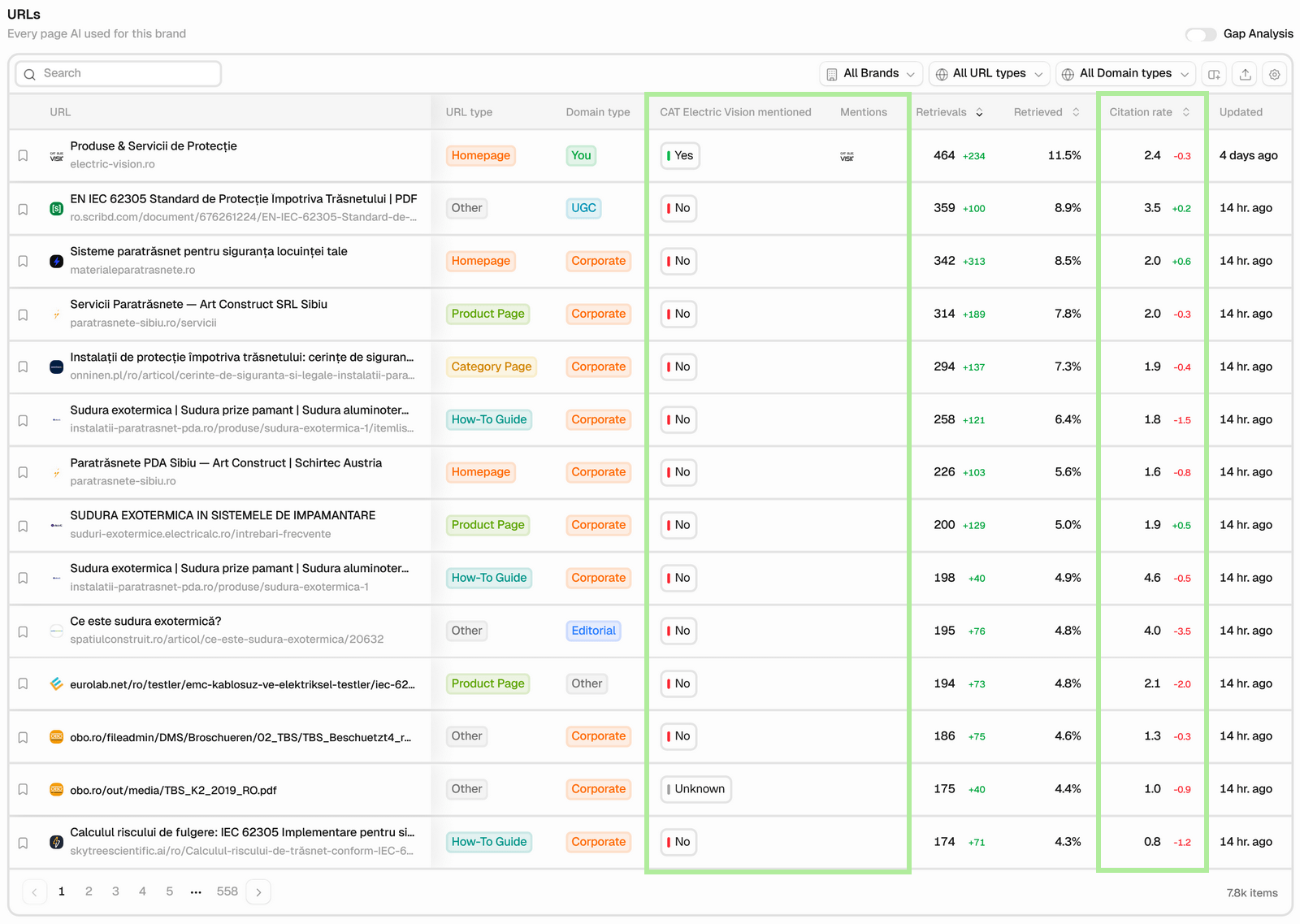
Despite this irregular content cadence, routine testing across generative platforms revealed an unexpected phenomenon. When queries regarding earthing and surge protection were entered into Perplexity, CAT Electric Vision appeared organically within the primary text response. In contrast, ChatGPT relegated the brand to a buried hyperlink within its sources panel. Recognizing that the brand possessed baseline visibility without active optimization, the marketing team sought to determine whether a systematic approach could amplify this presence across multiple generative search engines.
The core objective of AEO differs significantly from traditional SEO. Rather than driving raw web traffic via keyword rankings, AEO focuses on brand mentions—ensuring that when a user asks an AI engine a direct question, the brand is cited as a definitive solution within the generated answer. For professional and technical queries, this distinction is critical, as decision-makers frequently evaluate options directly from the summary text without clicking through to external web pages.
The Strategic Pivot to LinkedIn
To systematically address AI visibility, marketers must first understand where generative engines source their information. Empirical research published by digital analytics firms highlights the growing dominance of professional networking platforms in AI training data and real-time retrieval models. According to a Semrush study, LinkedIn is the second-most-cited domain across ChatGPT Search, Google AI Mode, and Perplexity, appearing in approximately 11% of all evaluated AI responses. Furthermore, research by Profound indicates that for professional and B2B queries specifically, LinkedIn serves as the single most cited domain across six major AI platforms, including Gemini and Microsoft Copilot.
For industrial suppliers like CAT Electric Vision, whose target demographic consists of electrical engineers, facility installers, and commercial building owners, these findings provided a clear strategic roadmap. Technical queries dominate their market segment, aligning directly with data from Scrunch, which revealed that technical details within a post increase the probability of AI citation by 77%, while named entities raise the odds by 33%. Conversely, formatting elements such as Unicode bold styling can reduce citation probability by up to 58% on specific models like ChatGPT.
Given that the firm already maintained a professional LinkedIn presence and that short-form professional updates require significantly less time to produce than long-form whitepapers or traditional blog posts, the platform was selected as the primary editorial channel for the automation experiment.
Building the Automation Stack
Rather than relying on manual audits and disjointed content calendars, the marketer engineered a four-tier automated content loop designed to operate on a weekly schedule. The technical architecture integrated specialized tools to handle orchestration, visibility tracking, and publishing workflows.
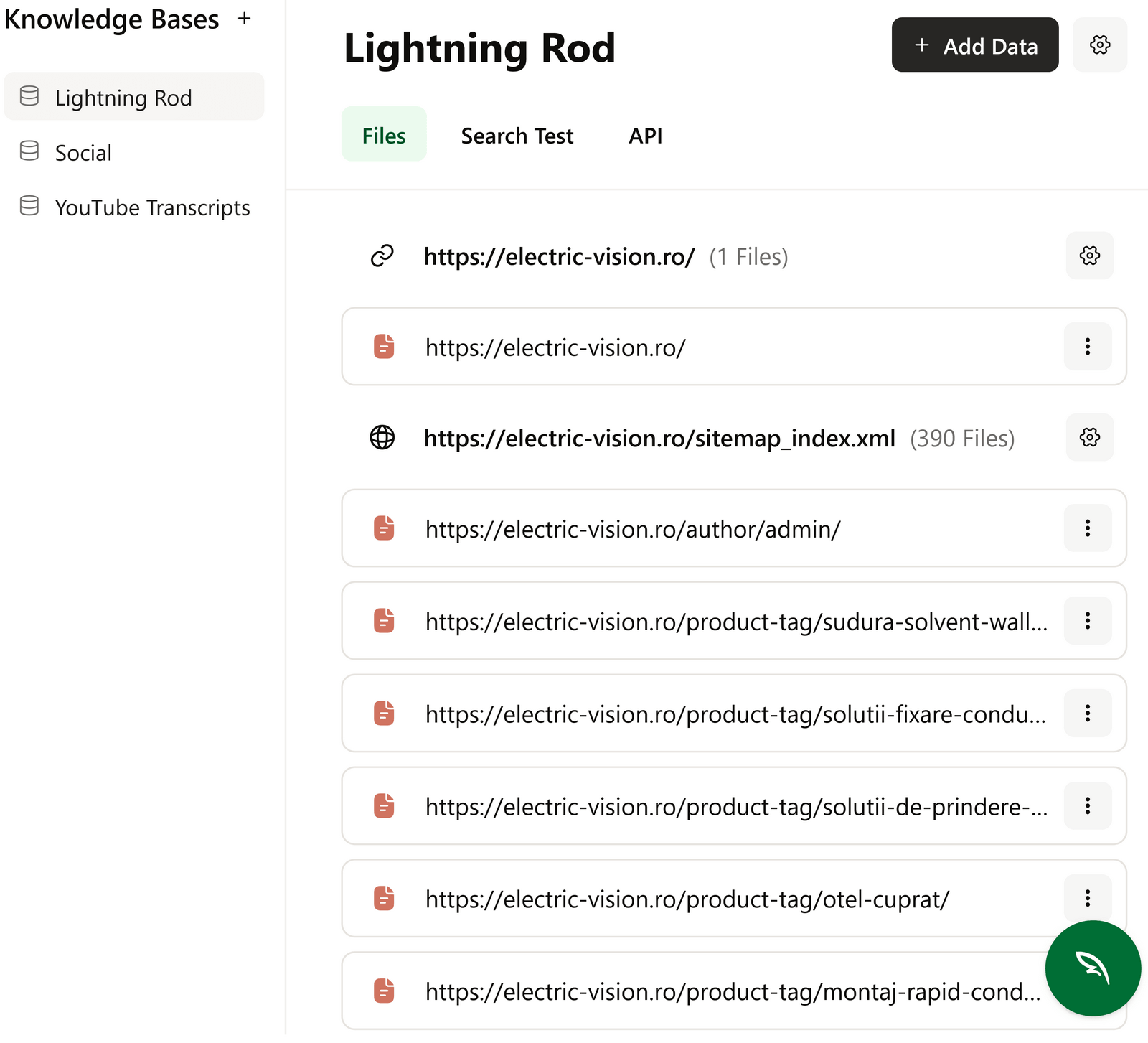
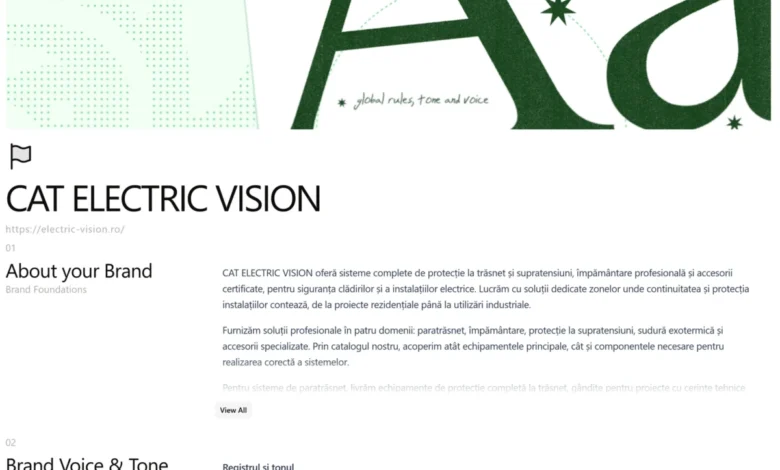
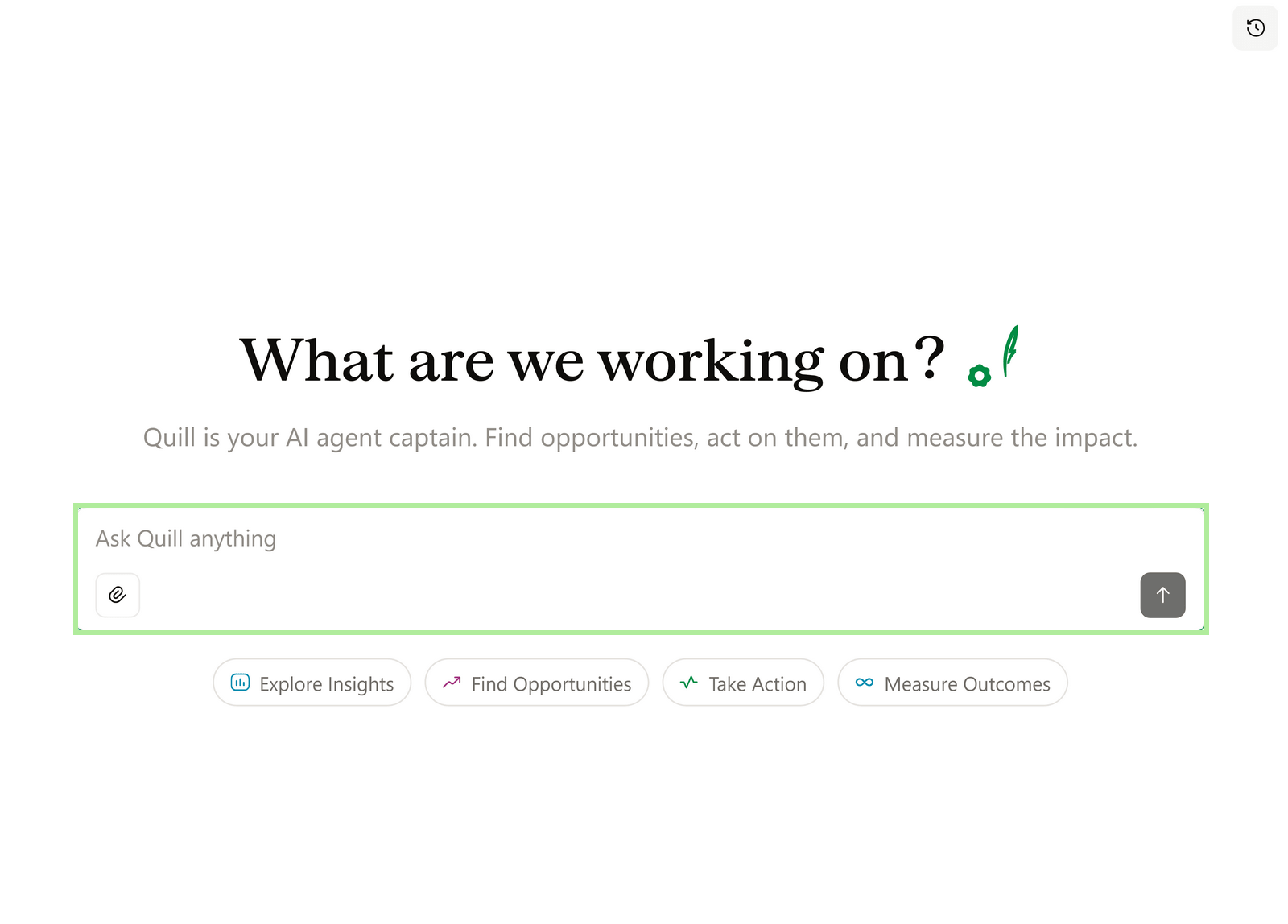
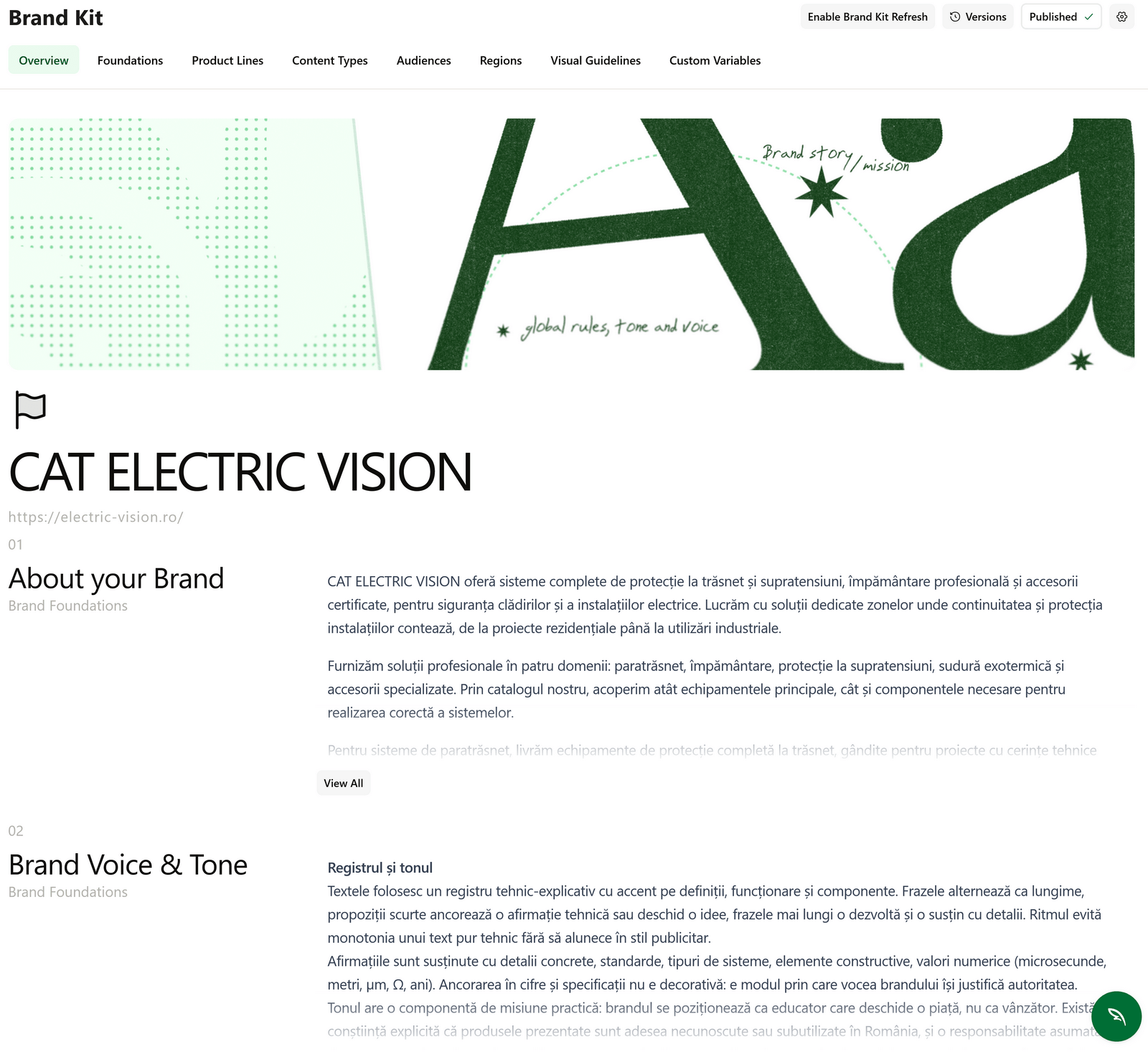
The orchestration layer was established using AirOps, an AI-driven automation platform. Utilizing an internal AI agent named Quill, the marketer developed the workflow through conversational prompt engineering, bypassing the need for complex software development. AirOps served as the repository for the company’s centralized Knowledge Base—which consolidated over 300 legacy product pages, historical social media posts, and transcripts from video content—alongside a comprehensive Brand Kit defining tone, persona, and audience profiles.
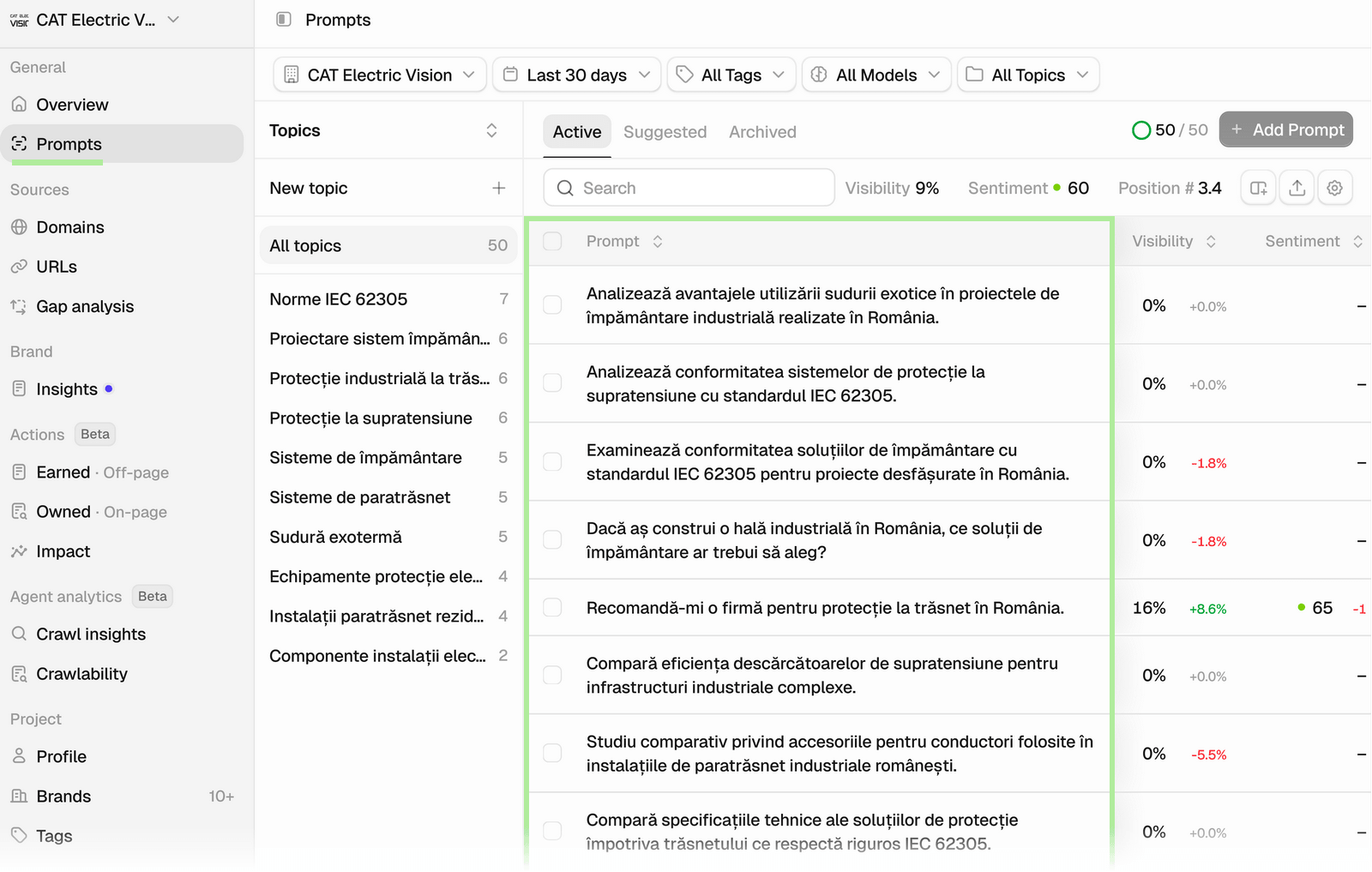
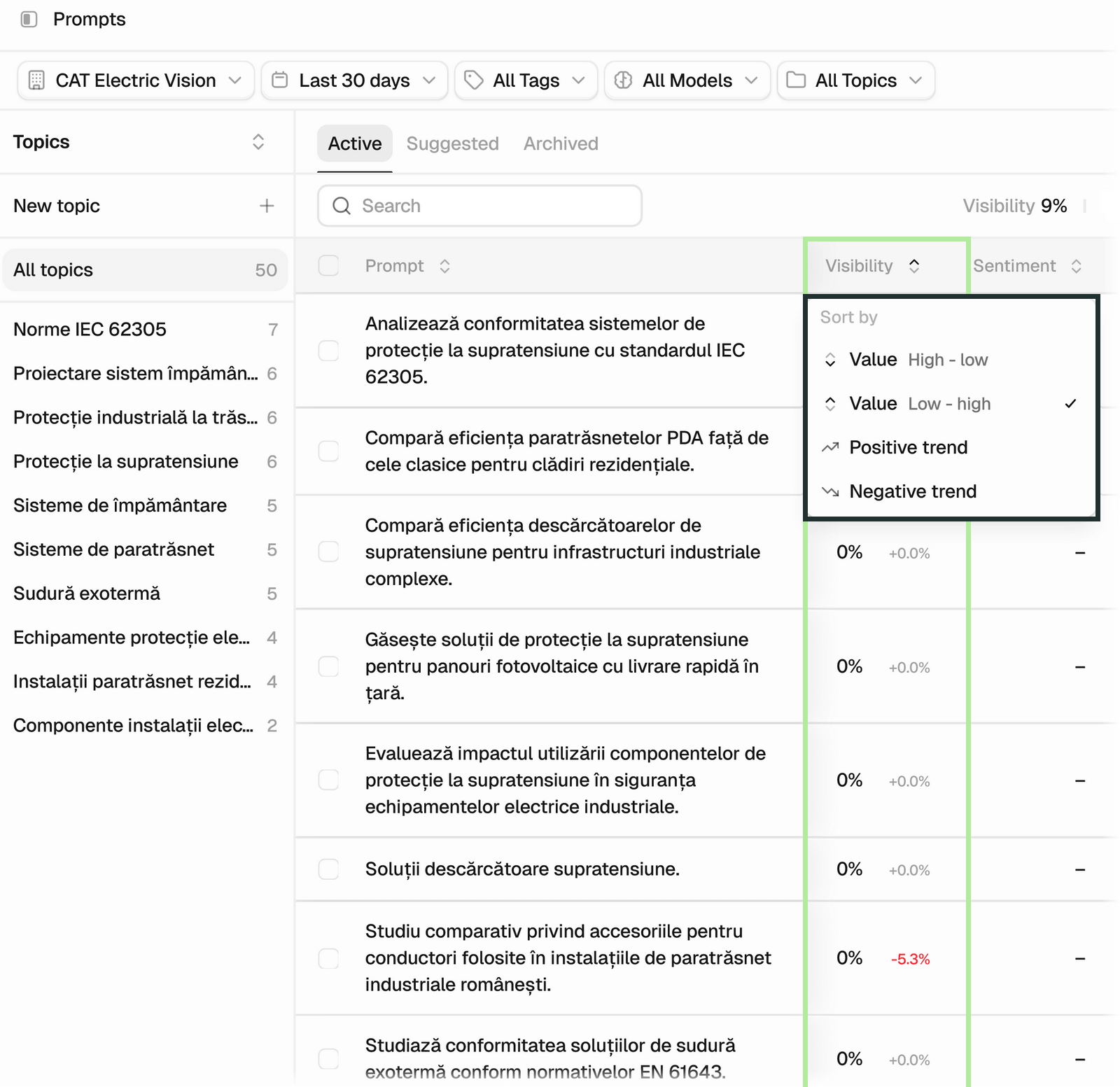
To track market visibility, particularly within the Romanian linguistic and geographic context, the system integrated with Peec AI. While many visibility analytics tools focus exclusively on English-language prompts and enterprise-level budgets, Peec AI provided localized tracking across multiple AI engines, recording daily metrics regarding brand mentions, sentiment analysis, share of voice, and competitor positioning.
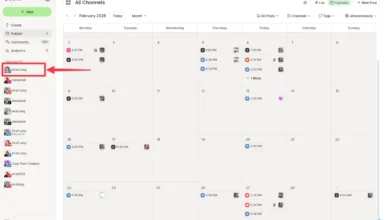
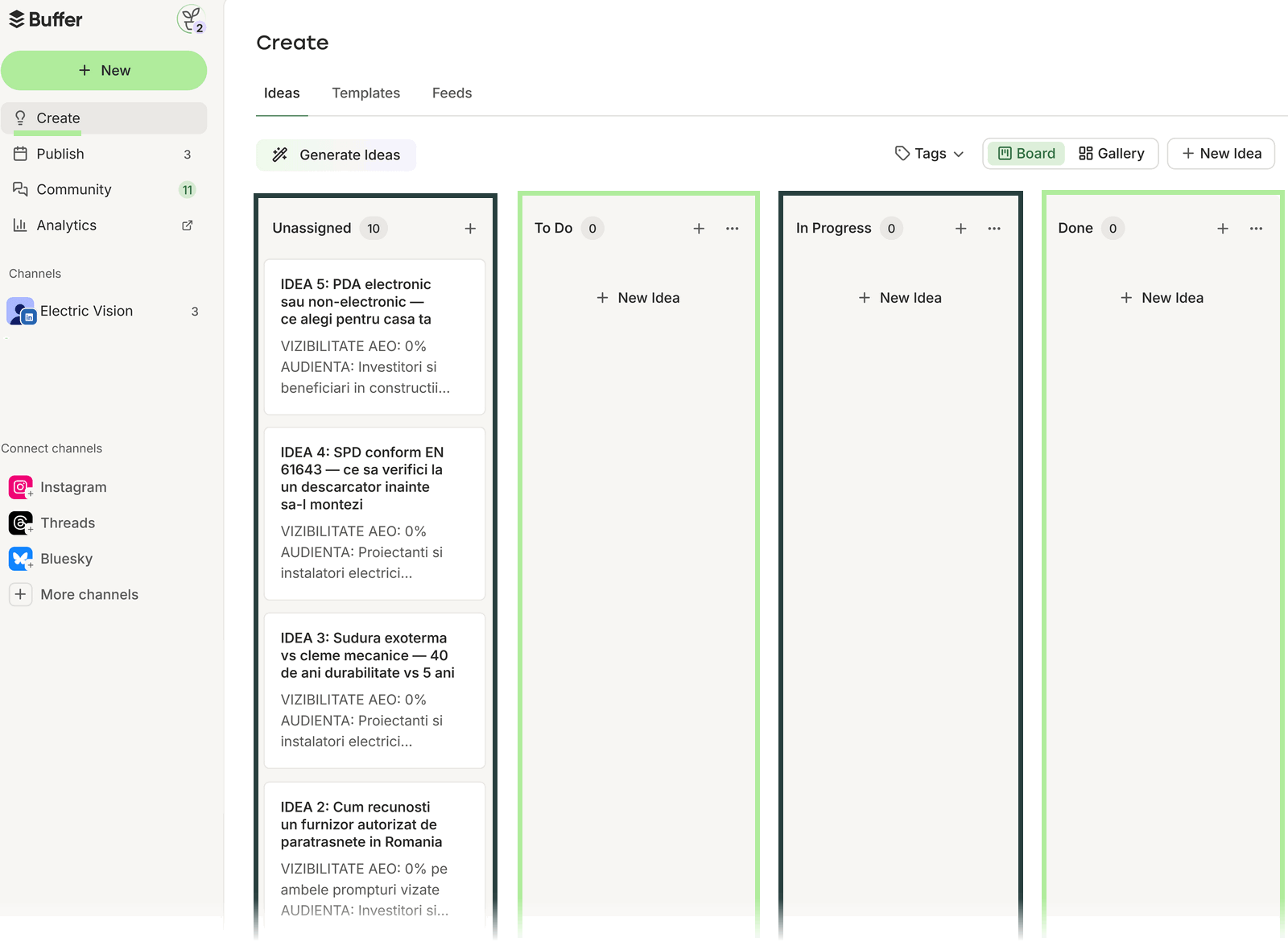
For editorial management and performance data retrieval, Buffer was integrated via its API. Operating as a LinkedIn marketing partner, Buffer not only allowed the automated pipeline to pull real-time engagement metrics—such as impressions, reactions, and reach—for previously published posts, but also served as the editorial home for the team. Utilizing Buffer’s Kanban-style "Create" board, writer-ready briefs generated by the automation pipeline were automatically populated into the workflow without requiring the human copywriter to access the underlying AI orchestration tools.
The End-to-End Workflow Chronology
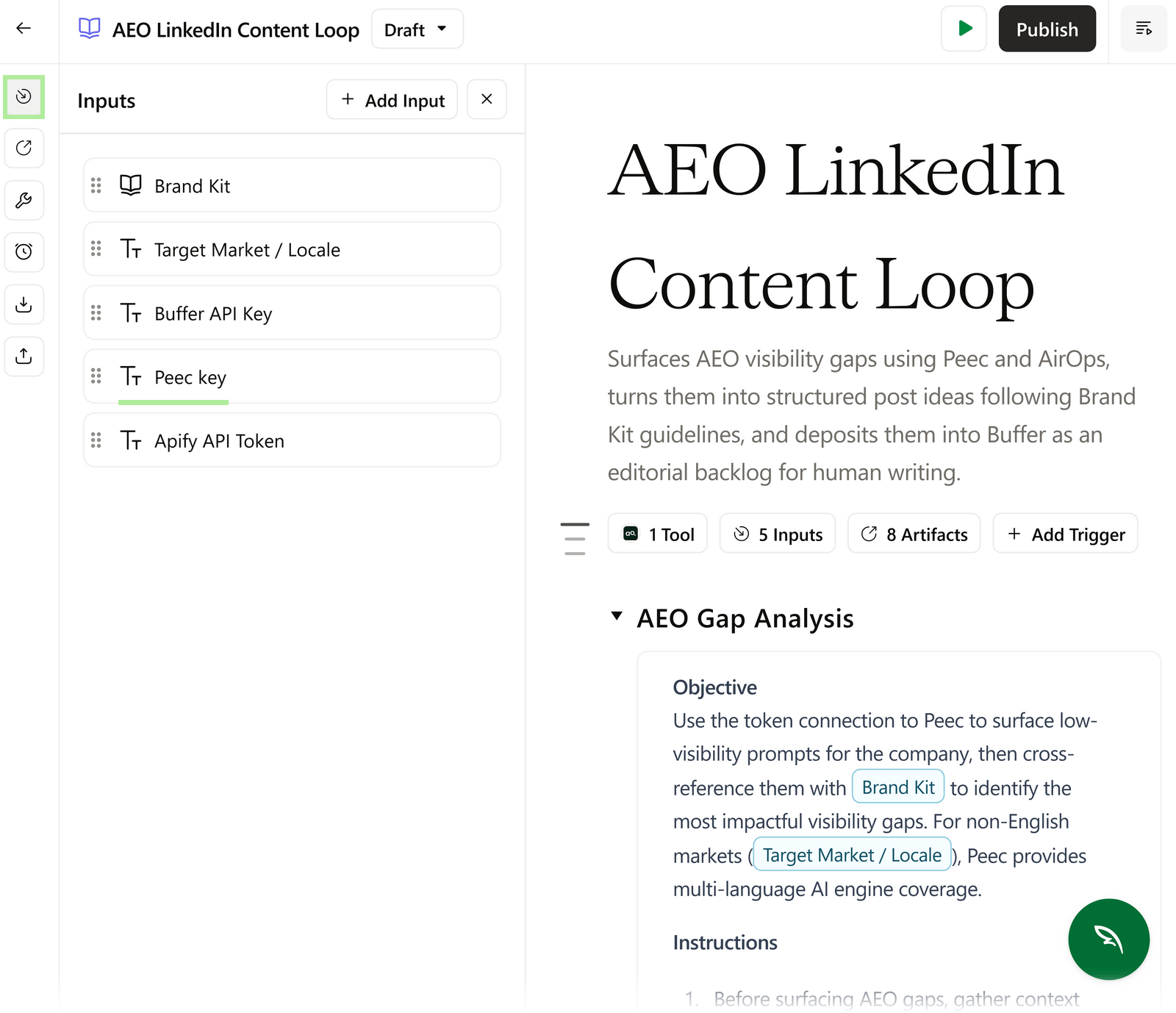
The automated content loop executes on a weekly schedule, executing four distinct operational phases designed to minimize human administrative effort while maximizing strategic output.
In the initial phase, the AirOps agent queries the Buffer API to evaluate ongoing editorial momentum. It reviews scheduled posts, active drafts, and historical performance metrics from recently published content. By analyzing engagement data such as reach and comment volume, the system identifies which topics resonated most strongly with the professional audience, using these insights as signals for subsequent content generation.
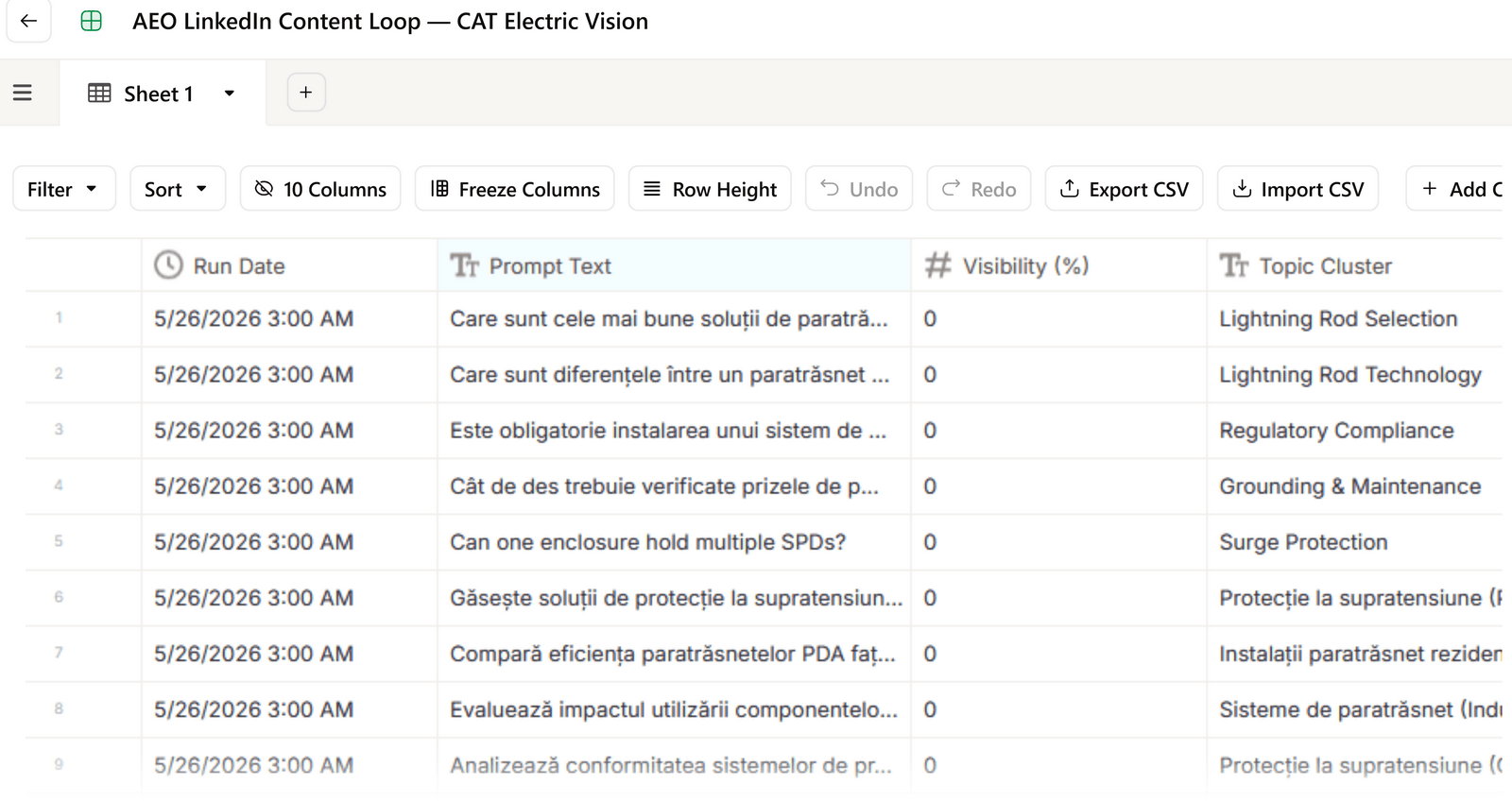
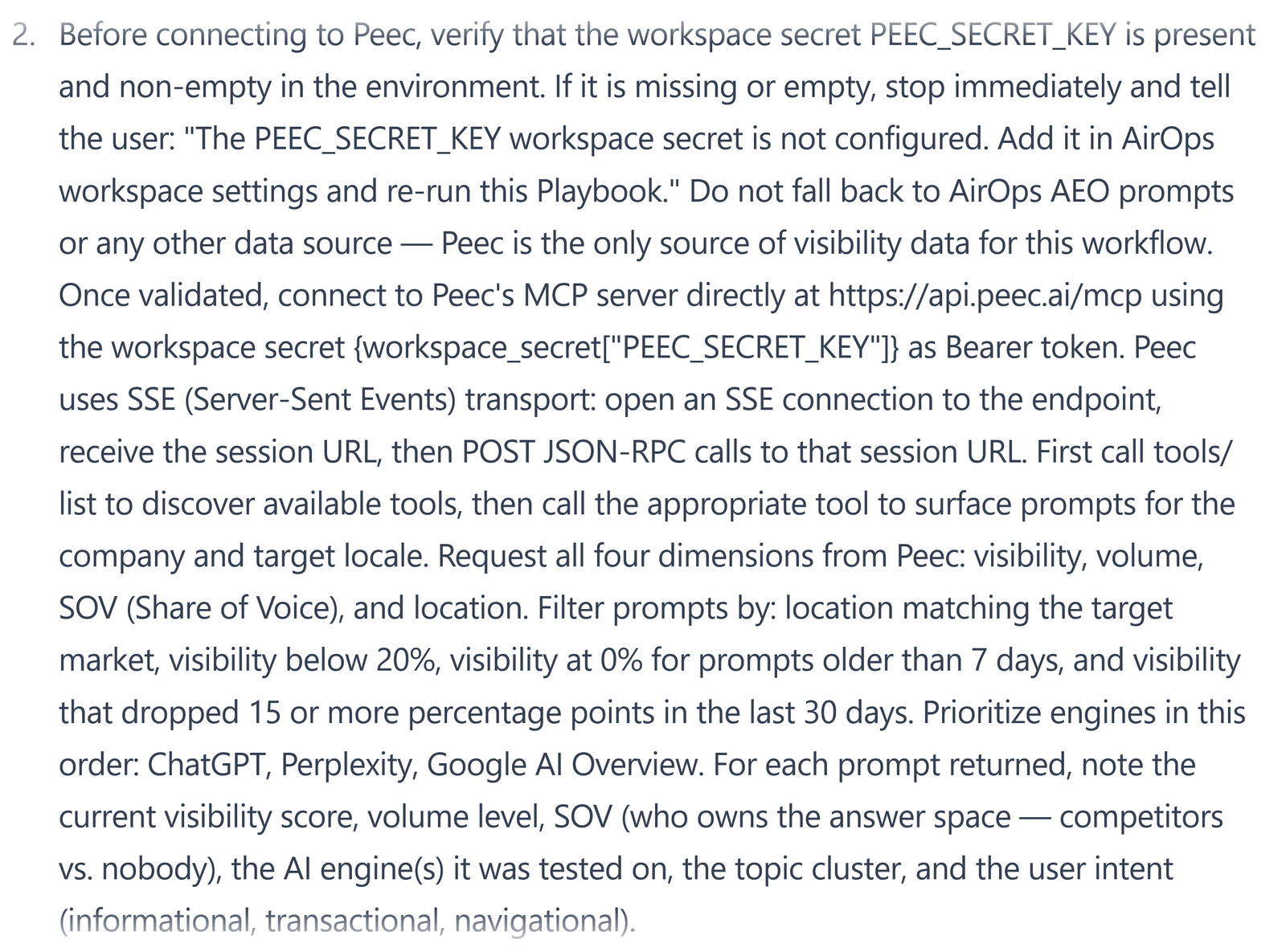
The second phase involves querying Peec AI via an authentication token to assess market visibility gaps. Peec continuously tracks pre-defined industry prompts across ChatGPT, Perplexity, and Google AI Overviews. The workflow pulls visibility scores, flagging prompts where the brand’s mention rate sits at zero percent after a sustained monitoring period, or where visibility has experienced a significant downward trajectory. This phase automates the tedious data-entry and CSV-export processes typically required in manual SEO audits.
During the third phase, the agent cross-references the identified visibility gaps against the company’s centralized Knowledge Base. The system evaluates whether sufficient proprietary material exists to credibly answer the targeted user query. Prompts lacking supporting evidence are automatically discarded to prevent the generation of hollow or inaccurate content. Surviving topics are then ranked based on search volume, gap magnitude, competitor saturation, and evidence strength. The top five ideas are combined with the Brand Kit guidelines to generate comprehensive, writer-ready briefs containing specific angles, key talking points, and source material.
In the final phase, the generated briefs are transmitted via API directly to Buffer’s editorial board. Human writers and editors review, refine, and schedule the posts for publication. Once published, the loop closes as subsequent weekly runs track the post’s performance and measure whether the targeted AI prompts register an increase in brand mentions.
Implications and Broader Industry Impact
While it remains premature to quantify long-term revenue shifts resulting directly from the automated AEO pipeline, initial observations highlight several critical implications for small business marketing.
Most notably, the experiment successfully restructured internal operations by transforming stagnant brainstorming sessions into a streamlined, predictable content production pipeline. Writers spend less time conducting preliminary research, and editorial capacity has scaled without a corresponding increase in overhead. Furthermore, the initiative fundamentally shifted executive perception regarding digital strategy; leadership teams previously focused exclusively on regulatory compliance and traditional outbound channels have recognized generative AI search visibility as a vital component of modern brand discovery.
Industry analysts note that as conversational search engines continue to capture market share from traditional search indices, businesses of all sizes will be forced to adapt their digital marketing architectures. While enterprise-level tools and dedicated search optimization agencies will continue to dominate high-competition sectors, low-code automation stacks demonstrate that resource-constrained organizations can effectively leverage modular APIs and localized visibility trackers to secure their position in the evolving digital landscape.