Mastering Project Change Orders: Essential Strategies for Construction and Beyond

Every project, regardless of its scale or industry, encounters alterations to its original blueprint. Whether caused by unforeseen site conditions, regulatory updates, or evolving client demands, change is an inevitable reality of modern project management. However, unchecked deviations can quickly spiral, leading to severe budget overruns, missed deadlines, and strained stakeholder relationships. To maintain absolute control over a project’s timeline and financial parameters, organizations rely heavily on a formal mechanism known as a change order. Also referred to as an amendment or contract modification, a change order is the definitive tool used to identify, define, evaluate, and track project modifications in a manner that satisfies all participating parties, while officially accounting for any additional costs and extended timeframes required for implementation.
While change orders are applicable across numerous industries—ranging from software development to large-scale manufacturing—their deployment is exceptionally critical within the construction sector. In civil engineering and construction management, legally binding contracts established between project owners, general contractors, and various sub-trades form the fundamental backbone of project execution. Because construction environments are inherently dynamic and susceptible to environmental shifts, material shortages, and architectural adjustments, the change order serves as the primary instrument for legally modifying existing agreements, recalibrating total pricing, and adjusting completion deadlines.
Defining the Change Order and Its Core Purpose
At its operational core, a change order is a formalized project management document that addresses any substantive alteration to the agreed-upon project scope. It explicitly details what physical or operational changes must occur, the precise financial investment required, and the revised date by which the modified work is expected to reach completion. Because a change order directly influences the financial baseline and the critical path schedule, it is rarely executed unilaterally. Industry standards dictate that a change order remains invalid until the project owner and the responsible contractor mutually agree upon and sign off on all revised terms and conditions.

The integration of change orders into a project’s lifecycle typically begins well before a hammer strikes the ground. Often, the process is triggered by a Request for Information (RFI)—a formal inquiry utilized during execution to clarify ambiguities in architectural drawings, specifications, or engineering requirements. When an RFI reveals that a design assumption is unfeasible or that unforeseen site conditions require a divergence from the original plan, it frequently evolves into a formal request for a contract change.
The Dual Nature of Change Orders: Additive Versus Deductive
In contemporary construction and project management, change orders generally fall into two distinct categories: additive and deductive. Understanding the operational differences between these two classifications is vital for accurate financial forecasting and schedule management.
Additive change orders represent an expansion or modification of the current scope of work that introduces new elements to the job site. This can range from relatively minor adjustments, such as altering the specified interior paint color or relocating a non-load-bearing partition wall, to major structural modifications. Because additive changes require additional labor, materials, or specialized equipment, they invariably increase the overall project cost and frequently extend the timeline.
Conversely, deductive change orders occur when a portion of the previously agreed-upon work is officially removed from the project scope. Unlike additive modifications, a deductive change order typically results in a direct reduction of overall project costs and may shorten the critical path schedule, allowing the team to deliver the asset earlier than anticipated. Examples include canceling the installation of specialized landscaping features or substituting specified high-end materials with standard alternatives due to supply chain constraints or budgetary adjustments.
The Chronology of a Standard Change Order Process
Implementing a structured, step-by-step workflow for managing change orders prevents administrative chaos and minimizes the risk of litigation. Project management professionals generally adhere to a five-stage chronological process when addressing project alterations:
-
Contract Review and Root Cause Identification: Upon recognizing the need for a modification, the project team must first consult the original contract documents. Identifying the underlying catalyst—whether it is a differing site condition, a regulatory mandate, or a client-requested redesign—is essential for determining liability and assessing financial impact.
-
Formalizing the Request: The initiating party, whether owner or contractor, must draft a formal change order request. This document outlines the proposed addendum to the original scope of work, providing a clear narrative of the required operational shifts.
-
Negotiation and Terms Alignment: All involved stakeholders must carefully review the proposed contractual adjustments. This phase involves resolving any contradictory language, verifying specific technical requirements, and ensuring that all necessary supporting documentation is fully secured.

-
Authorization and Contractual Adjustment: Once consensus is reached regarding costs, labor hours, and schedule impacts, the parties must secure formal written authorization. Contractors are strongly advised never to commence physical work on a modification until this authorization is fully executed by all legally responsible parties, including primary owners and key subcontractors.
-
Implementation and Tracking: Approved modifications are immediately entered into a centralized change order log. This master registry tracks every approved, pending, and rejected modification throughout the project lifecycle, ensuring absolute transparency and compliance with the master schedule.
Essential Components of a Valid Change Order Document
While the precise layout of a change order can vary significantly depending on the scale and complexity of an enterprise, industry best practices dictate that every comprehensive document must include specific core elements. A legally sound change order should clearly articulate the internal project and owner identification data, establish a unique tracking number, and provide a thorough, unambiguous description of the proposed scope of work.
Furthermore, the document must explicitly quantify the financial impact—itemizing labor, material, equipment, and overhead costs—alongside any verified extension to the project calendar. Crucially, the final section of the document must feature dedicated signature blocks and date fields for authorized representatives from both the contracting entity and the project owner, transforming the form into a legally binding contract addendum.
Best Practices for Mitigating Risk and Preventing Disputes
The ultimate objective of a change order is to maintain control over project modifications, ensuring that the final asset is delivered on time and within an optimized budget while protecting both parties from adversarial legal disputes. To achieve these outcomes, seasoned project managers adhere to stringent operational protocols.
First, comprehensive knowledge of the baseline contract is non-negotiable. Project teams cannot successfully negotiate amendments if they do not intimately understand their baseline obligations, warranties, and performance thresholds. Second, cost alignment must always precede physical execution. Proceeding with work based on verbal agreements or informal handshakes frequently results in unrecoverable expenses, as courts and arbitration panels consistently favor documented, written agreements over informal communications.
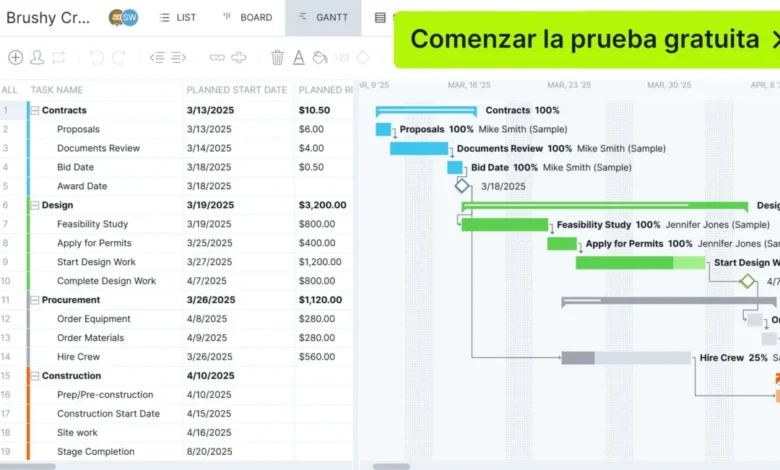
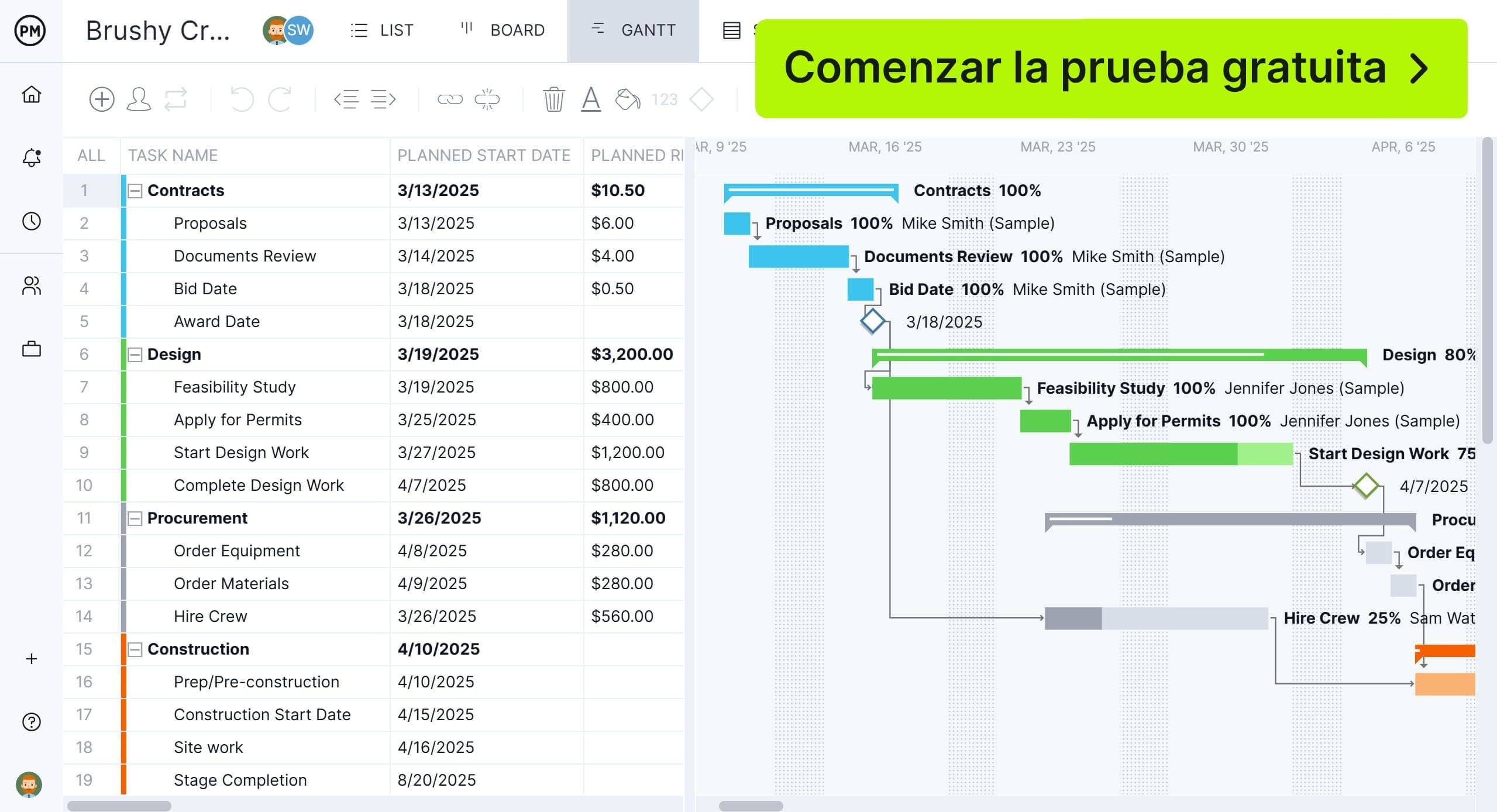
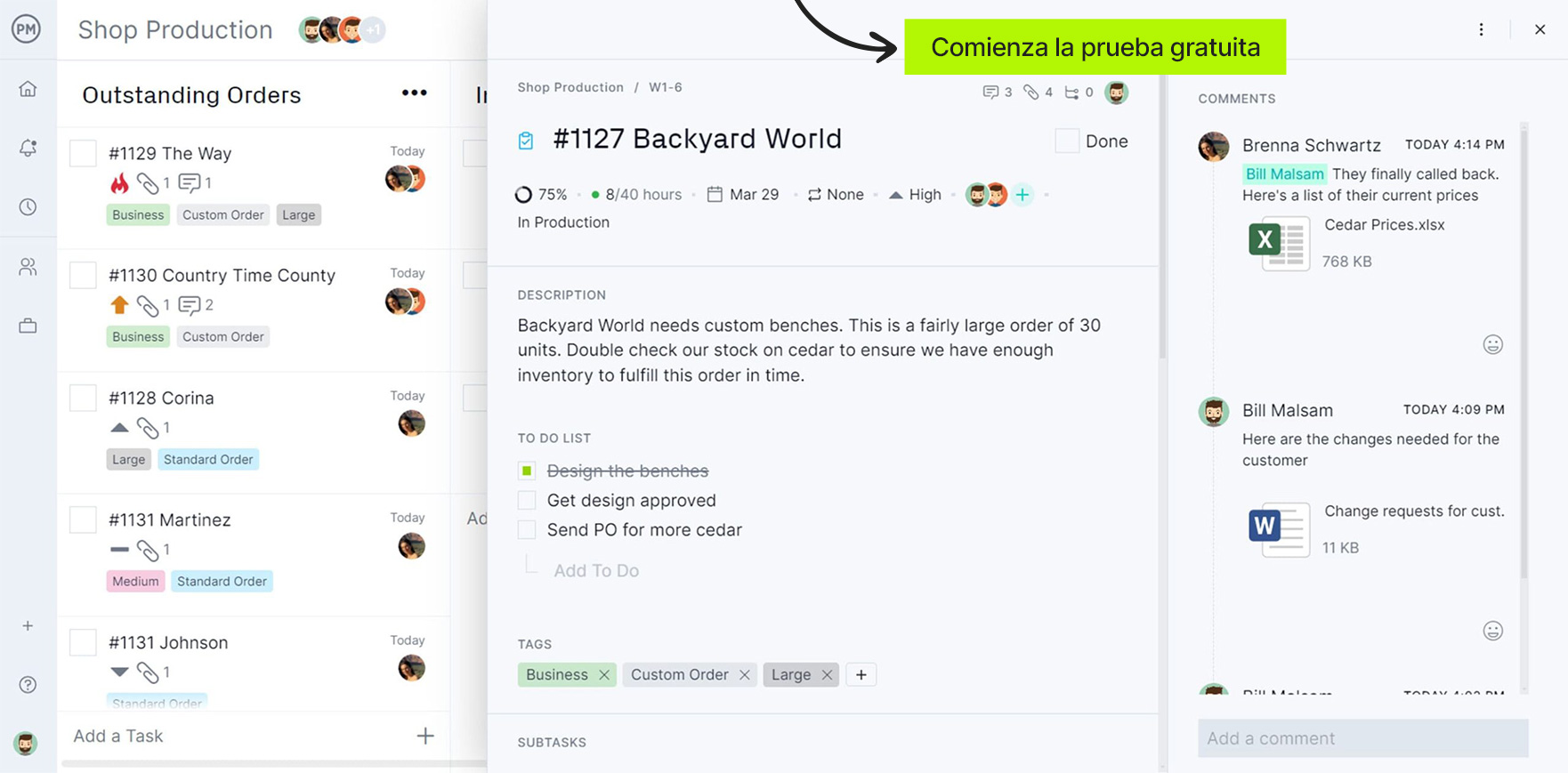
Third, organizations must establish and enforce a standardized, transparent workflow. The deployment of modern project management software has revolutionized this administrative burden. Digital platforms centralize project documentation, allowing teams to convert change requests directly into trackable digital tasks using Kanban boards, Gantt charts, and integrated timesheets. By linking change orders to real-time resource tracking and digital dashboards, project managers can monitor labor hours, assess budgetary health, and visualize critical path adjustments instantly.
Ultimately, the mastery of change order management separates high-performing organizations from those plagued by chronic delays and budget overruns. By treating change not as a disruption, but as a manageable, quantifiable component of project execution, businesses can safeguard their financial interests, foster collaborative relationships, and consistently deliver successful projects across all sectors.