New Data Study Reveals the Best Times to Post on TikTok in 2026 Based on Analysis of 7.1 Million Posts

The ongoing debate over the optimal window to publish short-form video content has received fresh empirical backing following a comprehensive new data study released by social media management platform Buffer. Analyzing a massive dataset comprising more than 7.1 million videos, carousels, photos, and text posts, researchers sought to demystify the mechanics of the TikTok algorithm and provide content creators and small business owners with actionable insights to maximize audience engagement.
While digital marketing experts have long debated whether timing truly dictates algorithmic success, the study demonstrates clear, quantifiable patterns regarding when users are most receptive to content on the platform. The findings indicate that while content quality and immediate viewer retention remain paramount, precise scheduling can provide a vital initial momentum boost necessary to penetrate the platform’s coveted For You Page (FYP).
The Mechanics of TikTok’s Recommendation Algorithm
To understand why publication timing retains relevance, digital analysts point to the foundational architecture of the TikTok recommendation engine. When a content creator publishes a video, the platform immediately tests the material on a small, targeted cohort of users. The algorithm monitors early interaction signals—specifically watch time, likes, comments, shares, and completion rates—within the critical first hour following publication.
If this initial audience demonstrates high engagement, the algorithm interprets the data as an indicator of broader appeal, subsequently pushing the content out to a exponentially wider demographic on the FYP. Conversely, content published during off-peak hours when target demographics are dormant or asleep frequently suffers from low initial engagement. Consequently, the video may fail to clear the algorithmic threshold required for viral distribution, leaving its reach permanently throttled.
Despite the advantages of strategic timing, industry analysts emphasize that scheduling is not a standalone remedy for subpar content. Digital strategists note that the three-second rule—hooking viewers immediately to preserve retention—remains the single most critical performance variable. Timing functions primarily as a catalyst, offering high-quality content a streamlined pathway to an active audience.
Peak Engagement Windows: Weekly Trends and Specific Hours
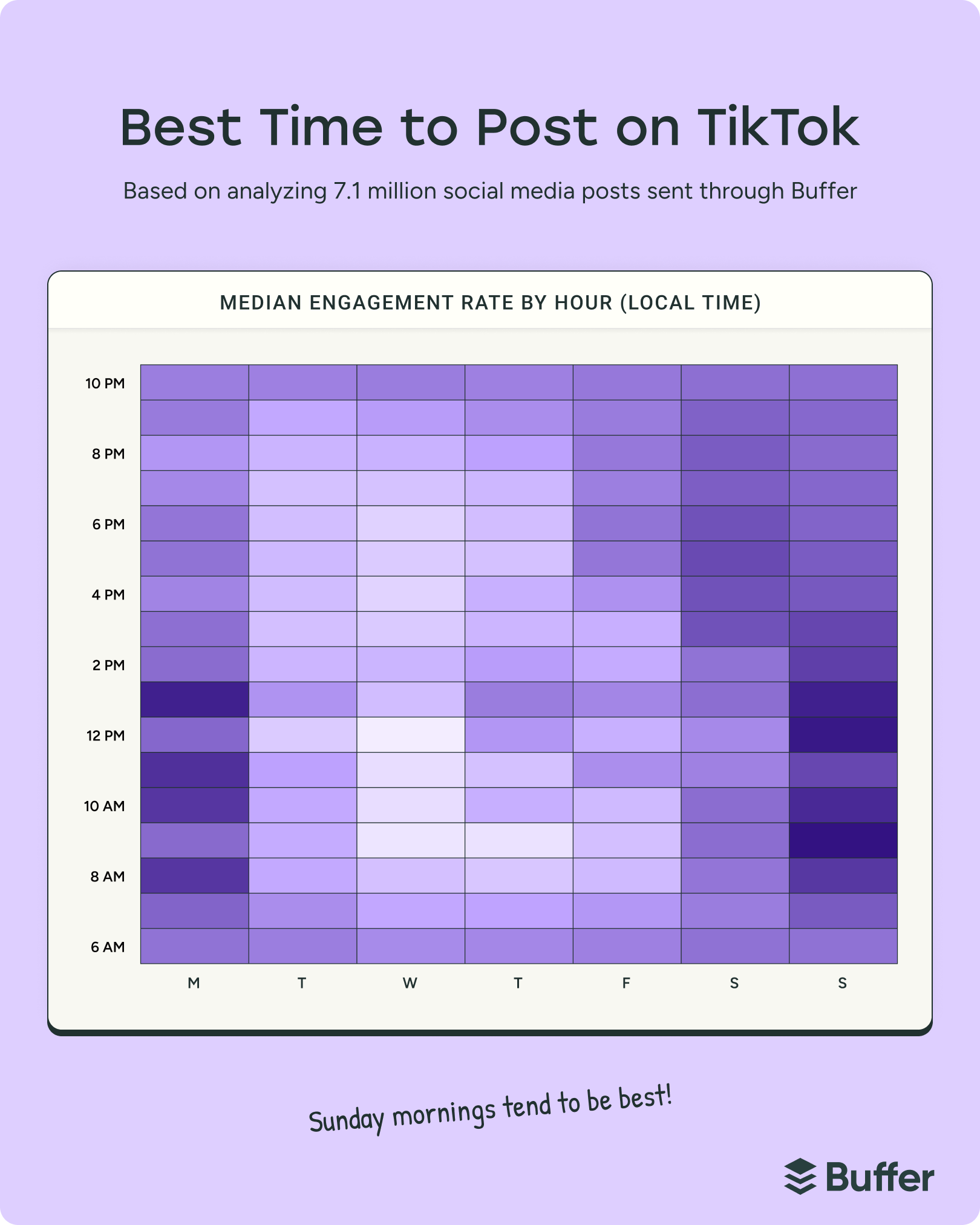
The Buffer study mapped median engagement rates across an entire weekly cycle, revealing distinct performance peaks and troughs. Overall, the data highlighted weekends and evening hours as the most fertile ground for audience interaction, contrasting sharply with midday periods.
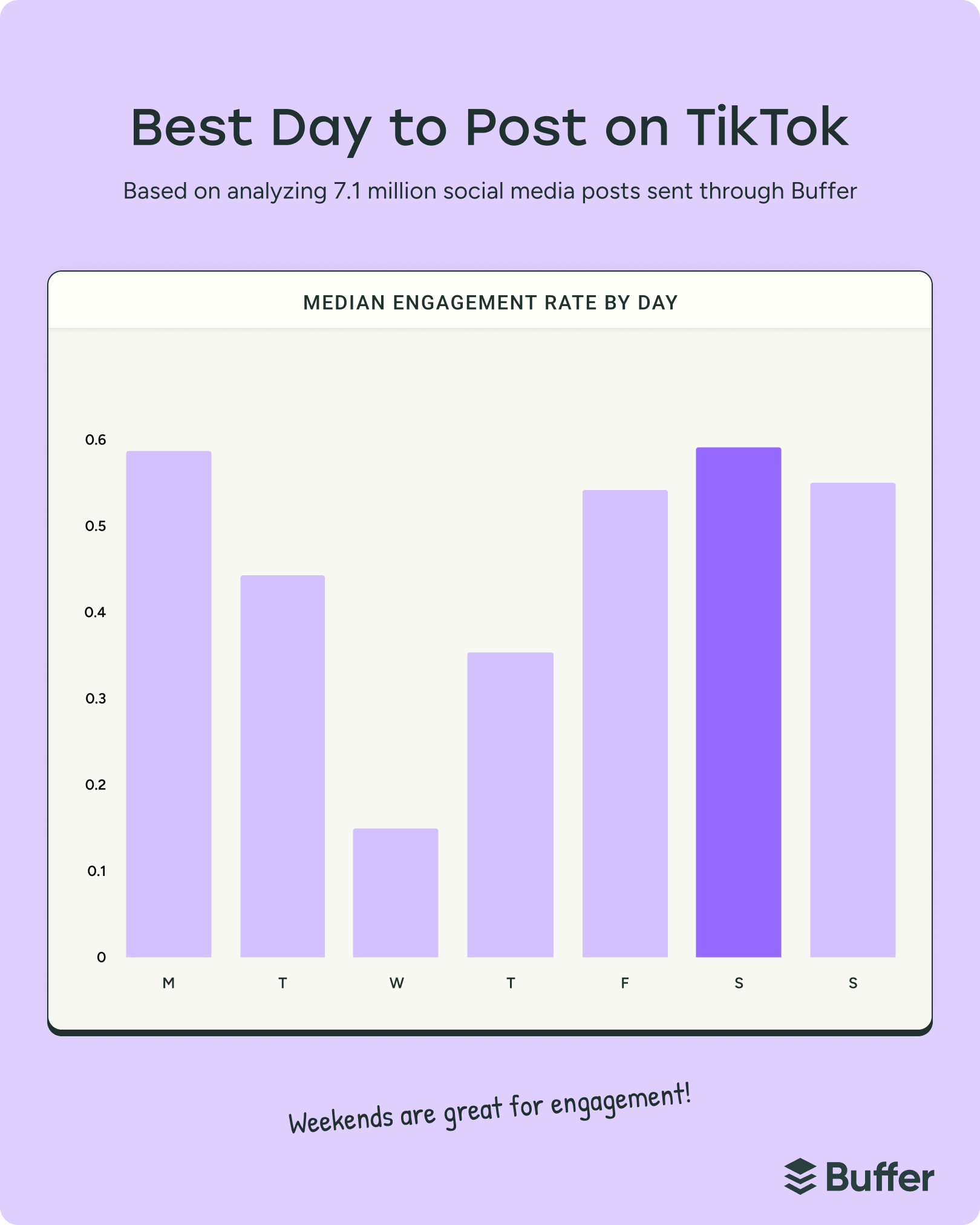
Saturdays emerged as the strongest single day of the week for overall engagement across the platform, driven largely by afternoon and early evening activity. The primary peak on Saturdays occurs at 5:00 p.m., supported closely by secondary windows at 4:00 p.m. and 3:00 p.m. This extensive afternoon-to-evening corridor aligns with consumer leisure habits, as users unwind away from traditional workplace obligations.
Surprisingly, Sunday morning secured the highest-performing single time slot across the entire weekly dataset. Content published on Sundays at 9:00 a.m. achieved the highest median engagement rate recorded in the study. Secondary high-performing windows on Sundays occurred at 12:00 p.m. and 1:00 p.m., making the weekend morning and early afternoon ideal targets for creators utilizing scheduling automation.
Among weekdays, Mondays demonstrated unexpected strength, securing the second-best overall performance ranking for the platform. Engagement on Mondays frequently peaked around 1:00 p.m., with reliable secondary activity observed at 11:00 a.m. and 8:00 a.m. Tuesdays and Thursdays showed specialized engagement spikes during early morning and late evening hours, while Wednesdays generally experienced subdued overall platform activity, requiring creators to target specific outlier windows—such as 10:00 p.m.—to capture viewer attention.
General observations from the heatmap analysis indicate that platform engagement consistently swells during the late evening hours, specifically between 6:00 p.m. and 11:00 p.m. This phenomenon is directly linked to the nature of short-form video consumption. Unlike text-based social networks that permit rapid scanning during brief pauses in the workday, TikTok demands active, sound-on attention. Users are significantly more likely to invest this cognitive focus during evening downtime, commutes, or weekend relaxation periods. Conversely, standard afternoon working hours (12:00 p.m. to 5:00 p.m.) typically exhibited the lowest engagement rates across most days of the week.
Tailoring Schedules to Specific Audience Demographics
While macro-level datasets offer a reliable baseline, social media strategists caution against treating generalized schedules as universal mandates. An account’s ideal posting window is intrinsically tied to the geographic distribution, time zones, and behavioral patterns of its specific niche audience.
For instance, educational creators often experience success during morning hours when users are in a receptive, learning-oriented mindset. Conversely, entertainment and lifestyle accounts frequently see exponential growth during evening and weekend slots when leisure consumption peaks.
To refine these generalized findings, platform analysts recommend a systematic, multi-step optimization process for creators and business owners:
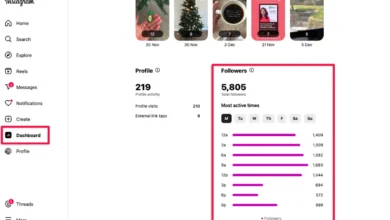
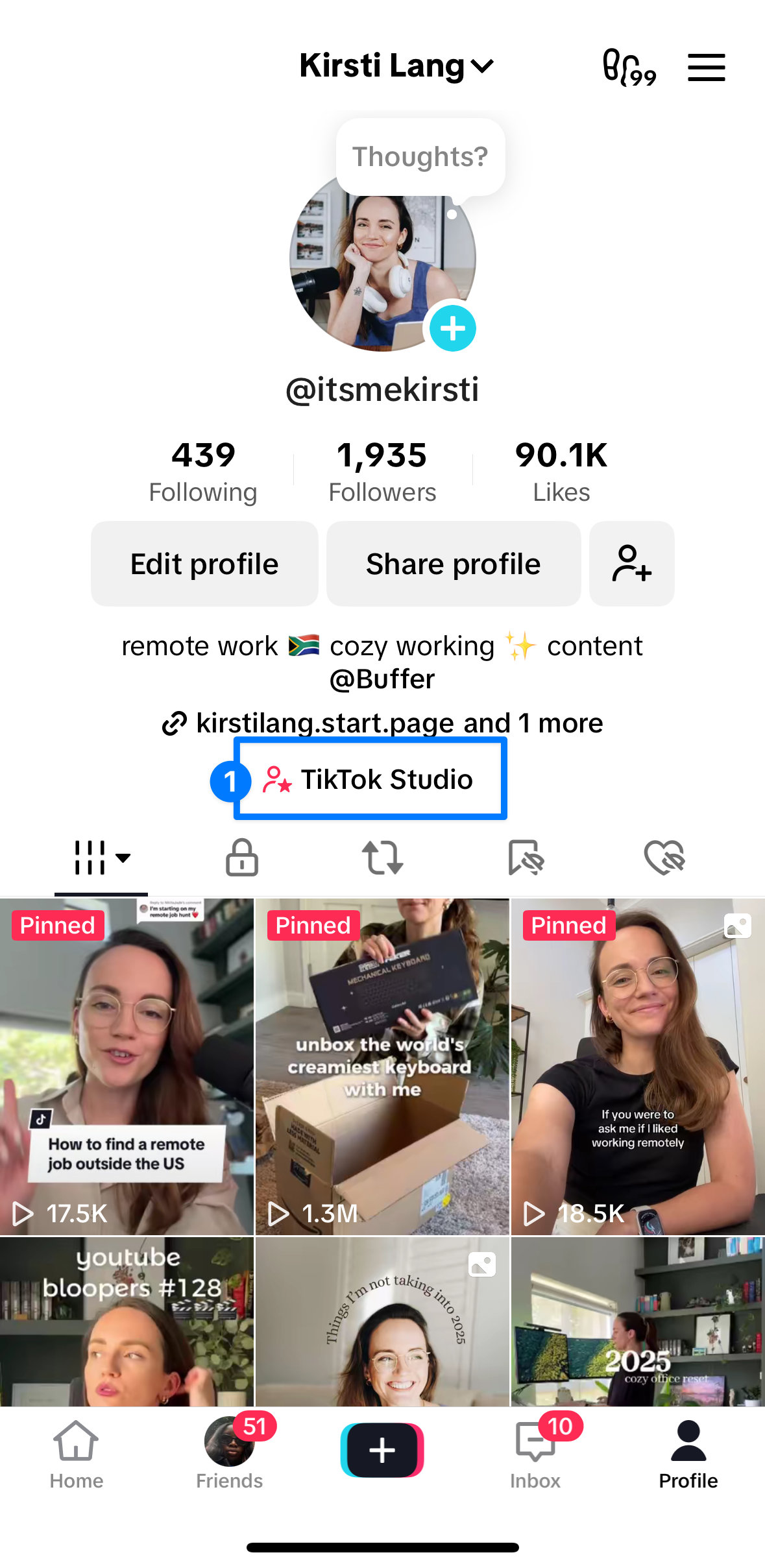
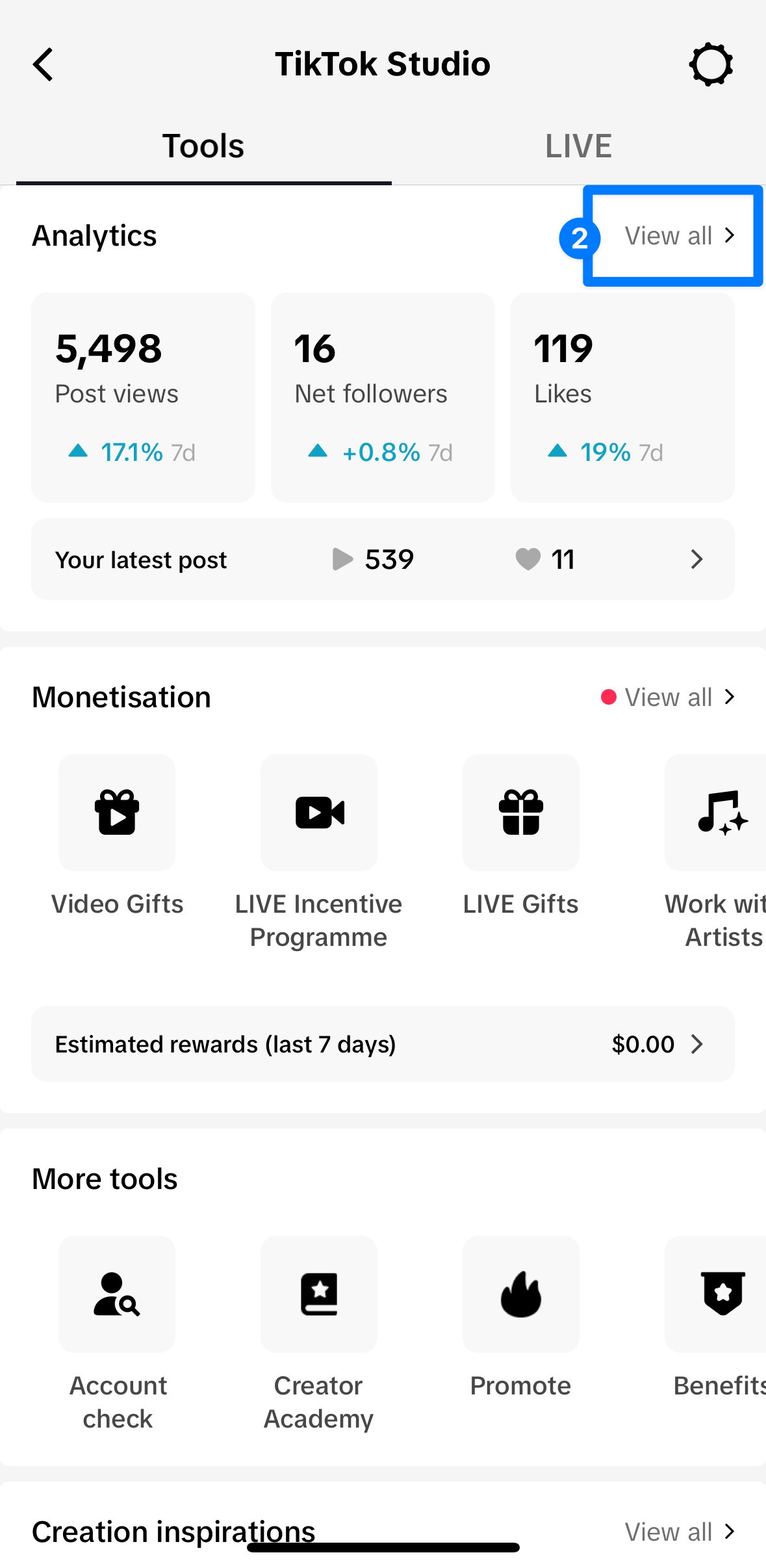
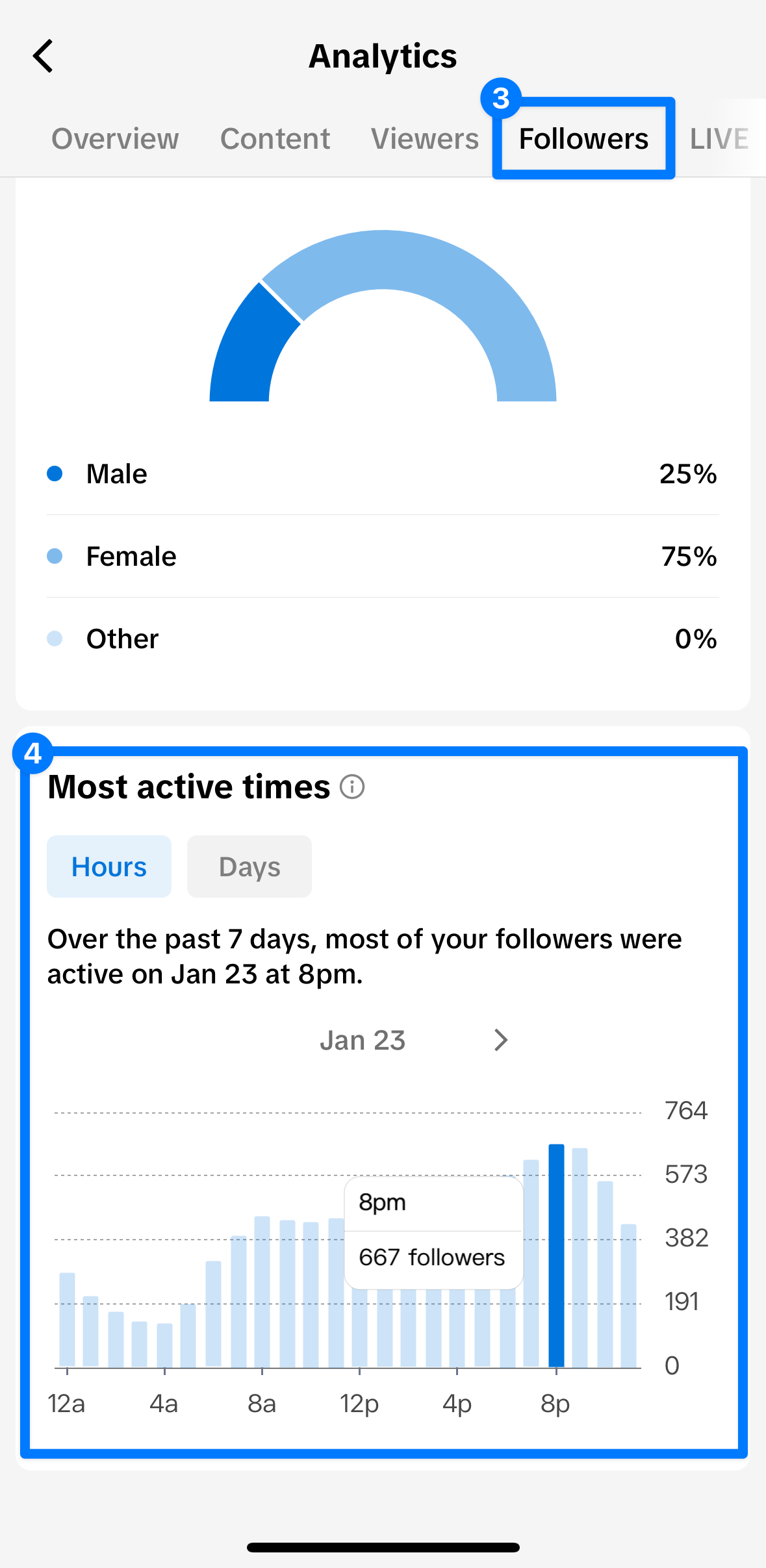
- Review Native Analytics: Content creators are advised to consult the analytics dashboard within their creator tools, specifically navigating to the followers tab to examine historical data regarding when their specific audience was most active over the preceding week.
- Implement Systematic Testing: Creators should select targeted time slots—incorporating both industry benchmarks and native analytics insights—and maintain a consistent schedule for a minimum of two to four weeks.
- Analyze Retention Metrics: Performance evaluations should focus heavily on average watch time and total play time rather than vanity metrics alone, isolating which posting hours consistently drive higher initial velocity.
- Adjust for Global Audiences: Accounts with geographically diverse followership must identify overlap windows. Scheduling content during early morning or evening hours in major target markets ensures baseline coverage, while regional segmentation tools can further refine delivery.
Implications for Content Creators and Small Businesses
The release of these comprehensive engagement metrics arrives as small businesses and independent creators face mounting pressure to professionalize their digital marketing operations. With platform saturation increasing year-over-year, organic reach requires sophisticated execution. Utilizing automated scheduling tools enables creators to pre-program high-engagement windows without remaining tethered to mobile devices during non-traditional hours, such as Sunday mornings.
Furthermore, the integration of recommended posting times directly into third-party management applications streamlines workflow efficiency. By minimizing the guesswork associated with publication schedules, businesses can redirect cognitive resources toward core content creation, narrative pacing, and audience community-building.
Ultimately, while data-driven scheduling cannot salvage fundamentally misaligned content, aligning publication times with verified user activity patterns remains an essential, evidence-backed strategy for maximizing digital visibility in an increasingly crowded media ecosystem.