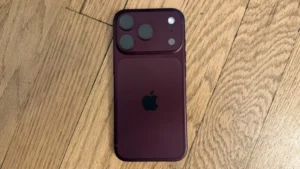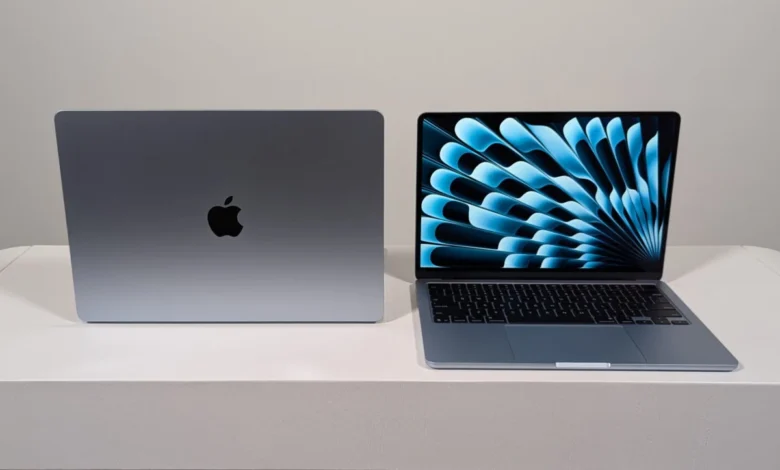
Apple is reportedly accelerating its long-term strategy to transition its entire personal computing lineup to Organic Light Emitting Diode (OLED) technology, though consumers may need to exercise significant patience before these displays reach the brand’s most popular consumer-facing devices. According to the latest industry intelligence from Bloomberg’s Mark Gurman, the MacBook Air and the iMac are the next major products slated for the OLED treatment, following the path paved by the iPhone, Apple Watch, and most recently, the M4 iPad Pro. However, internal development timelines and supply chain constraints suggest that a comprehensive transition for the Mac ecosystem will span the remainder of this decade.
The shift toward OLED represents a fundamental change in Apple’s hardware philosophy. For years, the company relied on Liquid Crystal Display (LCD) technology, eventually moving to Mini-LED (branded as Liquid Retina XDR) for its high-end MacBook Pro and iPad Pro models. While Mini-LED offered improved contrast and brightness, OLED provides per-pixel dimming, which eliminates "blooming" artifacts and allows for even thinner device profiles. As Apple seeks to further differentiate its hardware in a maturing market, the adoption of OLED is viewed by analysts as a critical driver for future upgrade cycles.
The Roadmap for the OLED MacBook Air
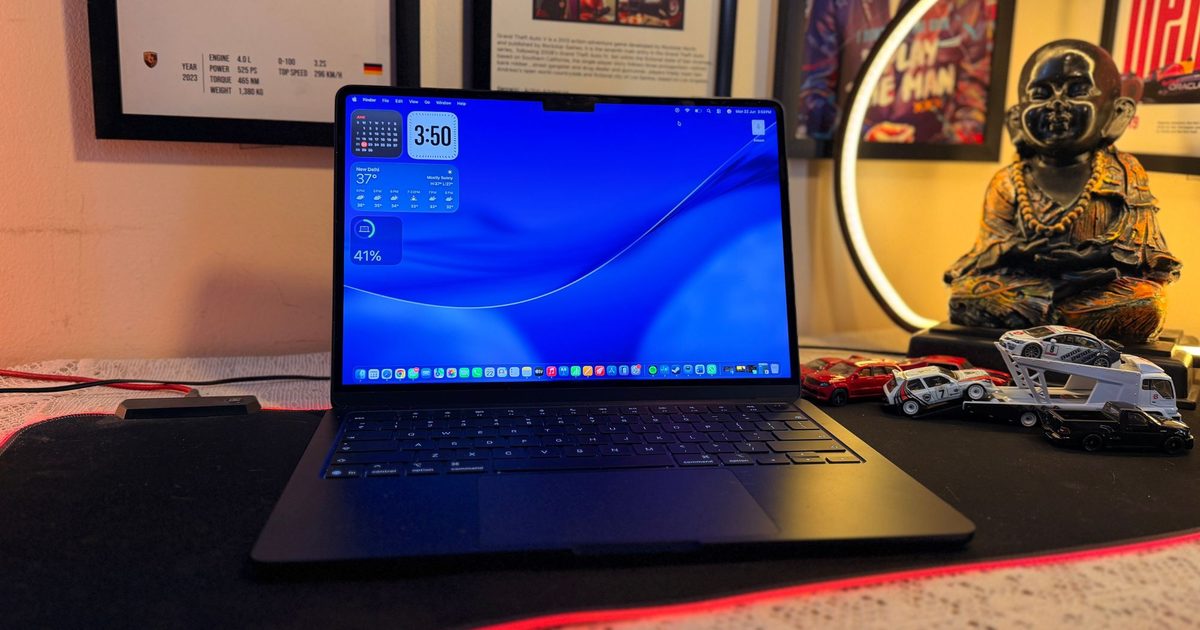
The MacBook Air remains Apple’s best-selling laptop, prized for its portability, battery life, and relatively accessible price point. Integrating an OLED panel into this chassis presents a unique set of challenges for the Cupertino-based tech giant. Bloomberg reports that an OLED-equipped MacBook Air is currently in development with a target release window of 2028. This timeline is consistent with earlier projections from Ming-Chi Kuo, a prominent supply chain analyst, who suggested that a 2028 or 2029 launch was the most realistic scenario given the current cost of components.
Before the OLED transition occurs, Apple plans to maintain the momentum of the current MacBook Air design. Sources familiar with the matter indicate that the company is preparing to refresh the 13-inch and 15-inch MacBook Air models as early as the first half of 2025. These upcoming machines, internally codenamed J913 and J915, are expected to feature the M5 chip but will likely retain the existing LCD-based Liquid Retina displays. The decision to delay OLED for the Air lineup is largely driven by economics. OLED panels, particularly the high-performance "tandem" stacks Apple prefers, are significantly more expensive than traditional LCDs. For a product like the Air, which must maintain a specific price floor to remain competitive, the cost of the display remains a primary hurdle.
Furthermore, the global supply of medium-to-large-sized OLED panels is currently limited. While Samsung Display and LG Display are the primary partners for Apple’s mobile and tablet screens, scaling production to meet the tens of millions of units required for the MacBook Air necessitates the construction of new "8.6-generation" fabrication plants. These facilities are designed specifically to cut larger glass substrates into laptop-sized panels more efficiently, but they are not expected to reach full capacity until the 2026–2027 timeframe.

The iMac’s Distant OLED Future
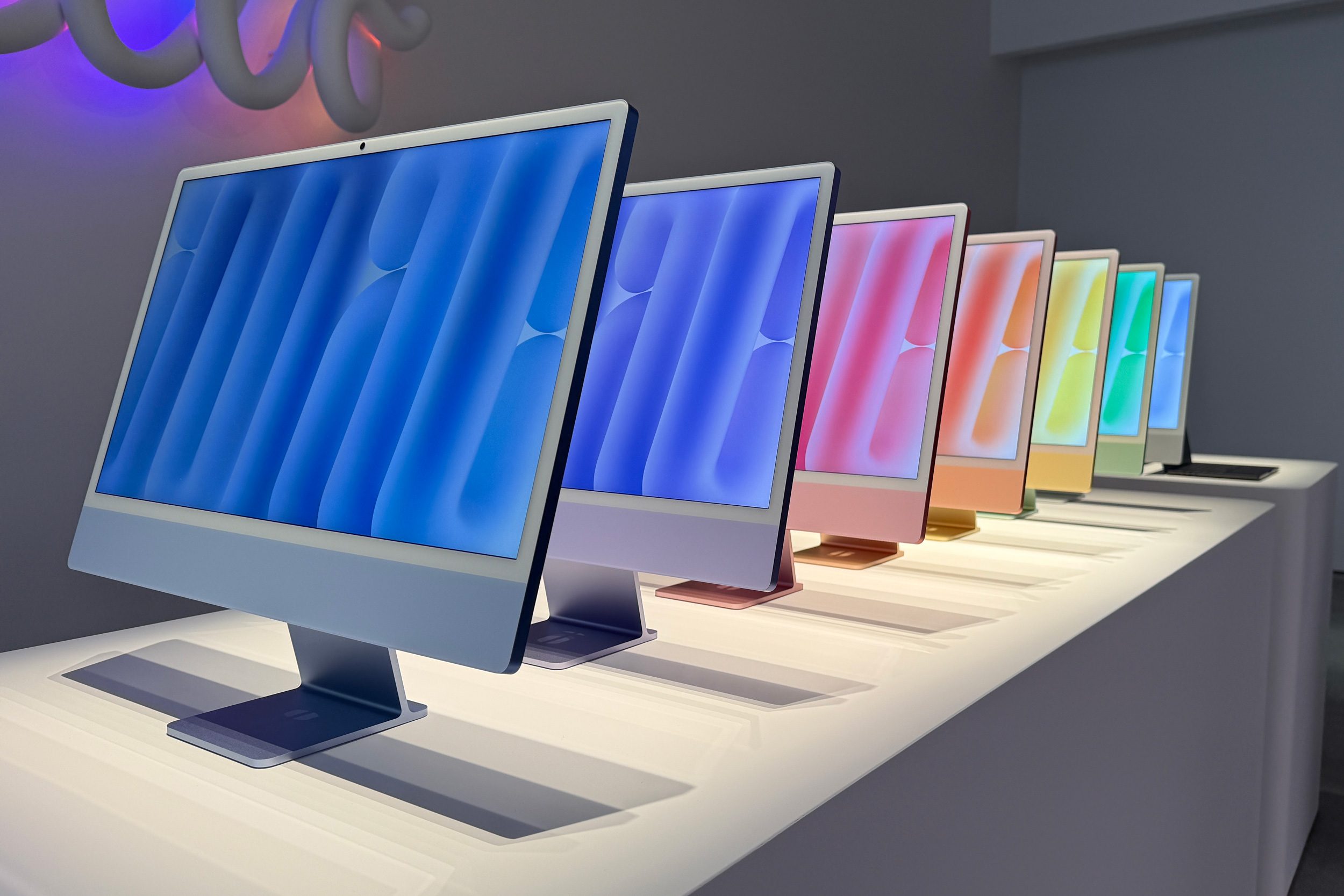
The iMac, Apple’s iconic all-in-one desktop, is also on the roadmap for an OLED upgrade, though its release appears to be even further on the horizon than the MacBook Air. While Bloomberg confirmed that Apple is actively working on an OLED iMac, the project does not yet have a firm public-facing launch window. Current indications suggest that development is in the mid-to-late stages, with a potential release occurring after the MacBook Air makes its transition.
Industry reports from TrendForce and other supply chain trackers have suggested that Apple is evaluating 24-inch OLED panels from Samsung and LG. These panels are expected to offer professional-grade color accuracy, potentially covering up to 95% of the BT.2020 color gamut. This would mark a significant leap over the current 4.5K Retina display used in the M4 iMac, which covers the P3 color space.
The delay for the iMac may also be strategic. Unlike laptops, where OLED’s power efficiency directly impacts battery life, the benefits of OLED on a desktop are primarily aesthetic and visual. Apple appears to be prioritizing its portable lineup for OLED integration because the technology allows for thinner lids and reduced weight—key selling points for the MacBook Pro and Air. For the time being, the iMac will continue to receive internal performance bumps, such as the recent move to the M4 architecture, while keeping its tried-and-true LCD panel.
The MacBook Pro as the OLED Trailblazer
While the Air and iMac wait in the wings, the MacBook Pro is expected to lead the charge. Reports indicate that Apple is planning a major redesign of the MacBook Pro for late 2025 or early 2026. This redesign is rumored to feature a thinner chassis made possible by the adoption of OLED technology. Crucially, this move may also coincide with the introduction of touchscreen functionality to the Mac—a feature Apple has famously resisted for decades but is now reportedly testing to bring the Mac experience closer to that of the iPad.
The MacBook Pro’s OLED screen is expected to utilize "tandem OLED" technology, similar to that found in the 2024 iPad Pro. This involves stacking two layers of organic light-emitting material to increase peak brightness, improve energy efficiency, and significantly extend the lifespan of the panel. Longevity is a particular concern for Mac users, who typically keep their computers longer than their smartphones. By using tandem OLED, Apple aims to mitigate the "burn-in" issues that have historically plagued OLED displays when used for static productivity tasks, such as displaying a desktop menu bar for hours at a time.
Economic and Supply Chain Context
The transition to OLED across the Mac lineup is occurring against a backdrop of rising component costs and shifting market dynamics. Apple recently adjusted its pricing strategy in several global markets to account for the rising cost of memory and advanced semiconductors. The integration of OLED will likely put further upward pressure on MSRPs.

For the MacBook Air, Apple must balance the desire for premium features with the necessity of the $999 to $1,299 price bracket. If OLED panels remain at their current price points, Apple may be forced to either accept lower margins or move the Air into a higher price tier, potentially alienating its core student and general consumer demographic.
From a supply chain perspective, the move to OLED is a boon for South Korean display manufacturers. Samsung Display and LG Display have both announced multi-billion dollar investments in 8.6-generation OLED production lines specifically to secure Apple’s future orders. This shift also represents a strategic move away from Chinese LCD manufacturers, as Apple seeks to diversify its supplier base and focus on high-margin, proprietary display technologies.
Chronology of Apple’s Display Evolution
To understand the significance of the upcoming OLED transition, it is helpful to look at the history of Apple’s display innovations:

- 2010: The introduction of the "Retina Display" on the iPhone 4, setting a new standard for pixel density.
- 2012: The MacBook Pro receives the Retina Display, significantly increasing resolution for creative professionals.
- 2015: The Apple Watch becomes the first Apple product to feature an OLED screen, chosen for its deep blacks and power efficiency.
- 2017: The iPhone X marks the first time OLED is used in Apple’s flagship smartphone.
- 2021: Apple introduces Mini-LED (Liquid Retina XDR) to the 14-inch and 16-inch MacBook Pro, offering 1,600 nits of peak brightness.
- 2024: The M4 iPad Pro introduces "Tandem OLED," the most advanced display ever put in a consumer tablet.
- 2025/2026 (Projected): The first OLED MacBook Pro is expected to debut with a redesigned, thinner chassis.
- 2028 (Projected): The MacBook Air is expected to adopt OLED, completing the transition for the laptop lineup.
Broader Impact and Industry Implications
Apple’s move to OLED is likely to trigger a "halo effect" across the entire PC industry. While high-end Windows laptops from manufacturers like Dell, ASUS, and Razer have offered OLED options for years, Apple’s mass-market adoption usually serves as the catalyst for the technology to become a standard feature across all price points. Once the MacBook Air—the world’s most popular laptop—moves to OLED, it will force competitors to accelerate their own transitions, likely driving down the cost of OLED panels for the entire industry.
Furthermore, the shift to OLED may redefine the "pro" vs. "consumer" distinction in Apple’s catalog. With the iPad Pro already on OLED and the MacBook Pro soon to follow, the display is becoming the primary differentiator between tiers. By the time the MacBook Air receives OLED in 2028, the MacBook Pro may have moved on to even more advanced technologies, such as Micro-LED, which promises the benefits of OLED without the organic degradation issues.
In conclusion, while the prospect of an OLED MacBook Air or iMac is exciting for enthusiasts, the reality is dictated by the slow-moving gears of global supply chains and the harsh mathematics of manufacturing costs. For most users, the current M3 and upcoming M4/M5 Macs with LCD and Mini-LED displays will remain the standard for several years to come. However, the roadmap is clear: the future of the Mac is organic, vibrant, and increasingly thin.