Optimizing YouTube Content: A Comprehensive Analysis Reveals Peak Engagement Times for Videos and Shorts

The dynamic landscape of digital content demands a sophisticated understanding of audience behavior, particularly on platforms as vast and influential as YouTube. Success in this highly competitive environment hinges on a multitude of factors, ranging from compelling content quality and strategic titling to visually engaging thumbnails and, crucially, the precise timing of uploads. While the quality of the content itself remains paramount, a recent extensive study by Buffer, a leading social media management platform, offers concrete, data-backed guidance on one often-overlooked yet impactful variable: the optimal time to publish on YouTube. This analysis, encompassing nearly 2 million videos, including both traditional long-form content and the increasingly popular YouTube Shorts, provides critical insights that can significantly boost early engagement and algorithmic visibility.
Methodology and the Shifting Landscape of YouTube Engagement
Buffer’s comprehensive study meticulously analyzed the median engagement across 1.8 million videos uploaded at various times throughout the week. This robust dataset allowed researchers to identify distinct patterns in posting times correlating with the highest engagement rates. Engagement, in this context, refers to critical early signals such as clicks, watch time, and likes – metrics that YouTube’s sophisticated algorithm heavily weighs when determining wider content recommendation. The findings underscore that while timing is not a "magic bullet," it can provide a substantial advantage, especially when considering the minimal effort required to align with peak audience activity compared to the intensive process of content creation.
A notable revelation from this latest analysis is a significant departure from previous findings. The study highlights a clear divergence in optimal posting times for long-form videos versus YouTube Shorts, a distinction that was less pronounced or not separately analyzed in earlier research. This shift reflects the evolving consumption habits on the platform and YouTube’s continuous refinement of its content distribution mechanisms. Long-form videos, which often require a dedicated viewing session, appear to thrive at different times than Shorts, designed for quick, on-the-go consumption. Understanding these format-specific nuances is crucial for creators aiming to maximize their reach and impact.
Key Findings: Long-Form Videos
The Buffer analysis unequivocally identifies Sunday at 10 a.m. (local time) as the single best time to post long-form YouTube videos, demonstrating the highest engagement across the entire week. This represents a significant shift from previous datasets, which often pointed towards late afternoon on weekdays. The current data suggests a strong preference for morning uploads, particularly between 8 a.m. and 11 a.m., with weekends, especially Sundays, now outperforming midweek days by a considerable margin.
Detailed Daily Breakdown for Long-Form Videos:
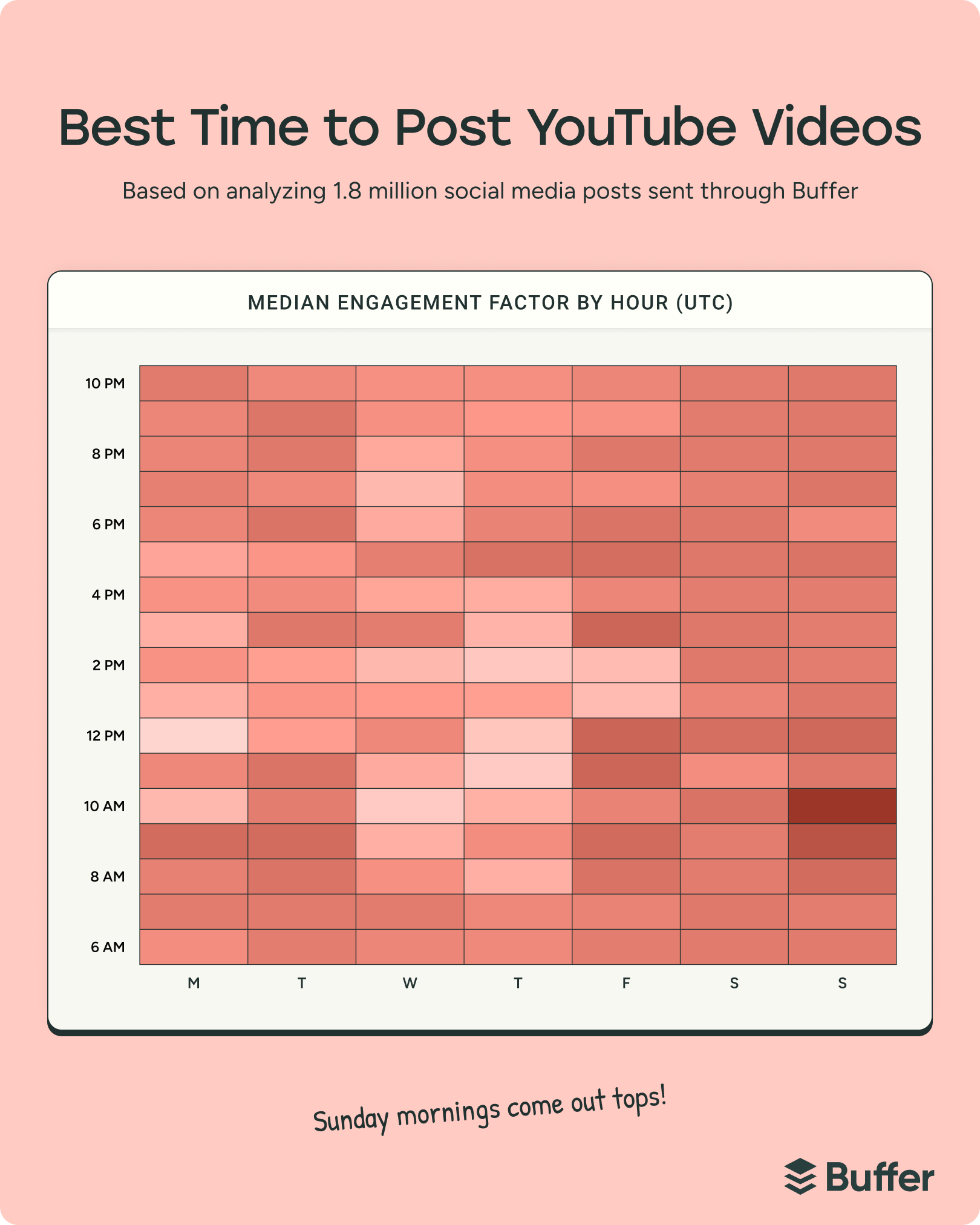
- Monday: The optimal time to post long-form videos on Monday is 9 a.m., with 10 p.m. and 7 a.m. also showing strong performance. This indicates that viewers are receptive to new content as they begin their week, with a secondary peak for late-evening viewing.
- Tuesday: Tuesdays present a consistently high-performing window in the morning, with 9 a.m. being the peak, closely followed by 11 a.m. and 8 a.m. If a creator’s schedule permits only one weekday upload, Tuesday morning emerges as a robust choice.
- Wednesday: While generally one of the weaker days for engagement, Wednesday still offers viable slots. The best time is 7 a.m., followed by 3 p.m. and 5 p.m., suggesting an early start or mid-to-late afternoon window for creators committed to a Wednesday schedule.
- Thursday: This day recorded the lowest overall engagement for long-form videos. The best performance was observed at 5 p.m., with 6 p.m. and 7 a.m. also providing some uplift. Creators might consider shifting Thursday uploads to Friday for better performance if flexibility allows.
- Friday: Uniquely among weekdays, Friday’s midday period outperforms mornings. The optimal time is 12 p.m., which registered one of the highest engagement factors (0.70) of the entire week, making it a strong alternative to Sunday. Other peak slots include 11 a.m. and 3 p.m.
- Saturday: Engagement on Saturday is moderate and relatively consistent throughout the day. 12 p.m. is the best time, followed by 10 a.m. and 3 p.m., catering well to audiences who consume content over the weekend.
- Sunday: The undisputed champion for long-form content, Sunday at 10 a.m. scored an impressive 0.95 engagement factor. 9 a.m. (0.80) and 12 p.m. (0.67) also performed significantly above average, solidifying Sunday mornings as the prime window for long-form video releases.
Best and Worst Days for Long-Form Content:
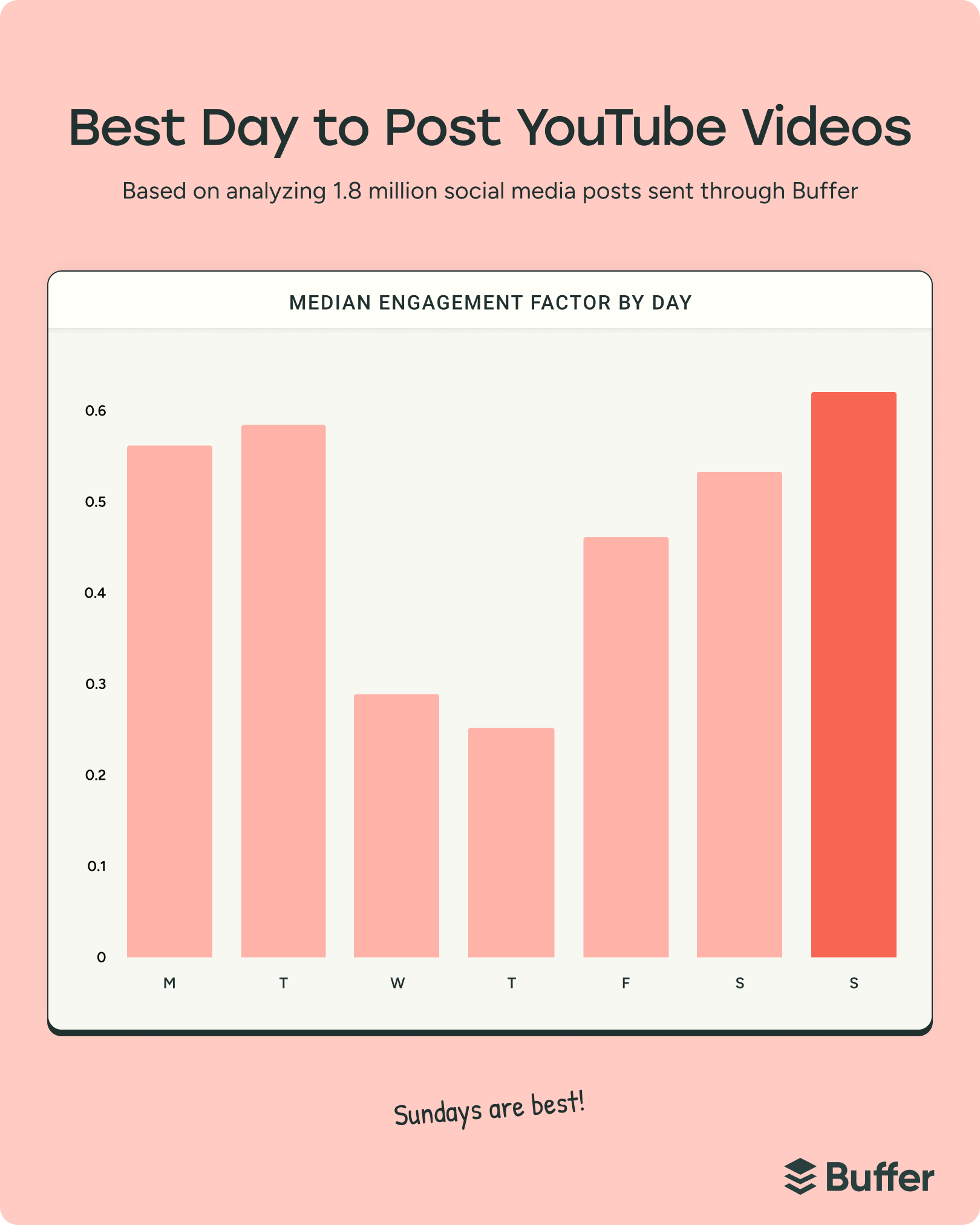
Sunday stands out as the best day for long-form video engagement, followed by Tuesday and Monday, all categorized as "strong" engagement days. Friday and Saturday fall into the "moderate" range. Conversely, Wednesday and Thursday emerge as the weakest days, with Thursday scoring the lowest overall. This reversal from previous trends suggests a significant shift in audience availability and viewing habits, possibly due to changing work-life balances or increased weekend screen time.
Key Findings: YouTube Shorts
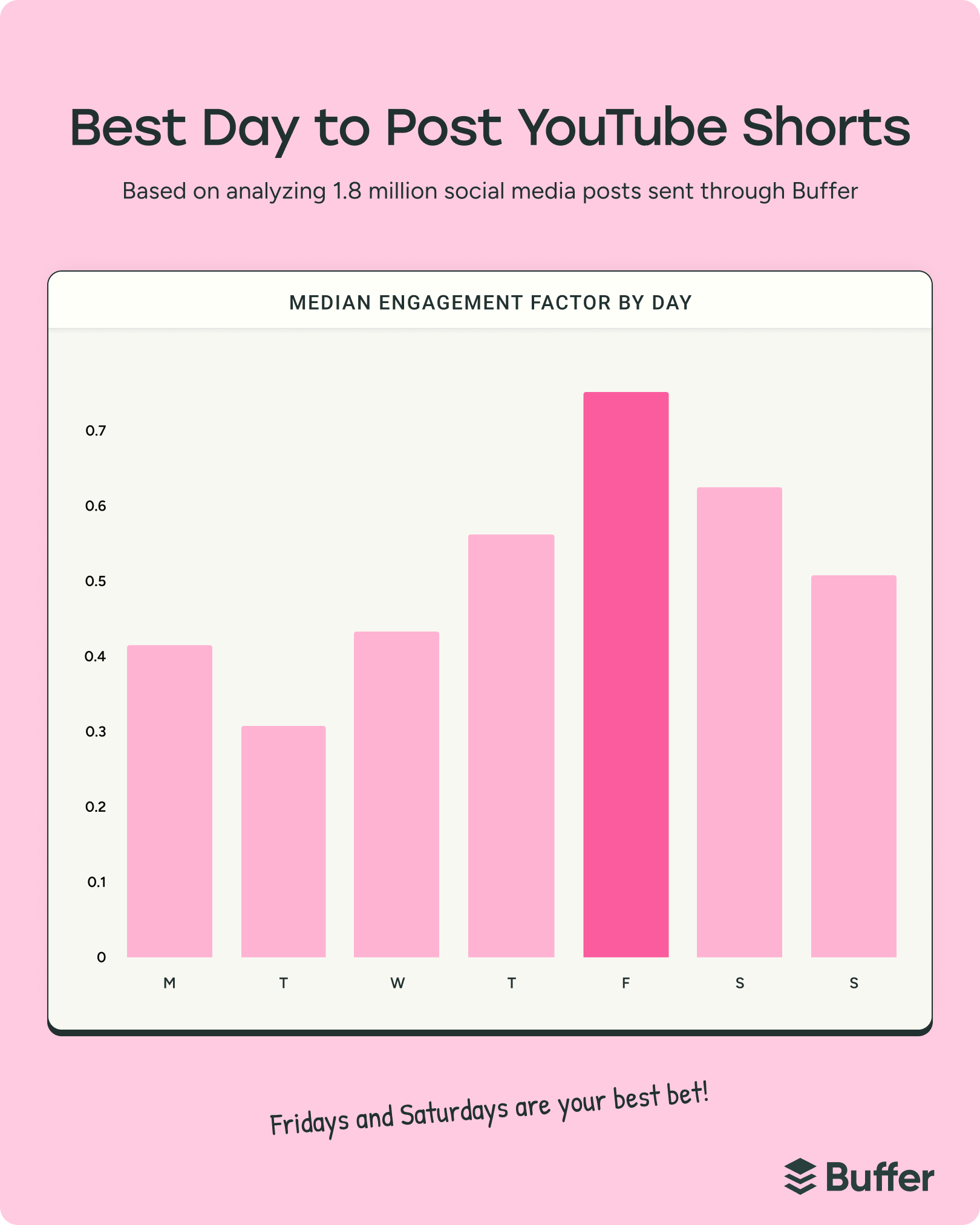
In a stark contrast to long-form content, YouTube Shorts exhibit entirely different engagement patterns. The Buffer analysis reveals that Friday is the undisputed best day for Shorts, with 4 p.m., 6 p.m., and 7 p.m. taking the top three slots. This suggests an evening-centric consumption pattern for short-form content.
Detailed Daily Breakdown for YouTube Shorts:
- Evening Dominance: Generally, YouTube Shorts engagement peaks in the evenings, primarily between 6 p.m. and 11 p.m. This aligns with the understanding that short-form content is often consumed during leisure hours, such as unwinding after work or during commutes.
- Worst Times: The weakest periods for Shorts typically fall in the afternoon, between 12 p.m. and 5 p.m., with the exception of Friday, where the late afternoon is actually a prime window.
- Saturday Exception: Interestingly, Saturday is the only day where a morning slot (11 a.m.) breaks into the top three, indicating a potential window for early-day Shorts consumption on the weekend.
Best and Worst Days for YouTube Shorts:
Friday leads as the best day to post YouTube Shorts, followed by Saturday and Thursday. This emphasizes the latter half of the week for optimal short-form content performance. Tuesday and Monday are identified as the weakest days for Shorts, suggesting that creators should prioritize end-of-week uploads for this format.
Long-Form vs. Shorts: A Strategic Comparison
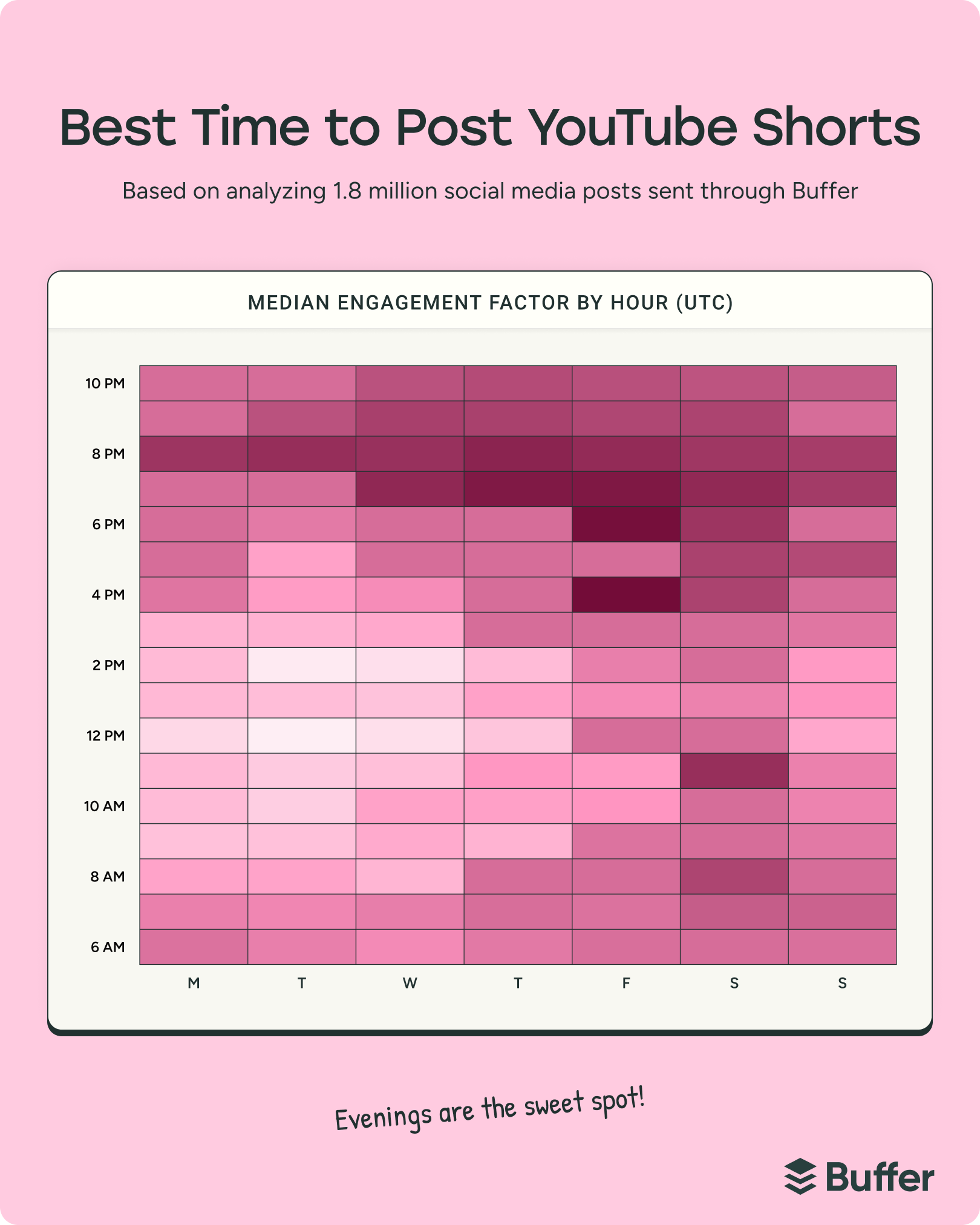
The most significant takeaway for creators publishing both formats is the necessity of distinct scheduling strategies. There is almost no overlap in peak engagement times: long-form content thrives in Sunday mornings and weekday mornings/midday, while Shorts excel on Friday evenings and generally throughout the late evenings. This divergence is advantageous, allowing creators to schedule different content types without self-competition, optimizing their reach across YouTube’s diverse content ecosystem.
Beyond General Recommendations: Finding Your Audience’s Sweet Spot
While Buffer’s broad data provides invaluable benchmarks, it is critical to remember that every audience is unique. Demographic factors, geographic location, and specific content niches can all influence optimal viewing times. Therefore, creators and marketers must fine-tune their YouTube posting schedules using personalized analytics.
Utilizing YouTube Studio for Personalized Insights:
YouTube Studio offers an robust suite of analytics tools that empower creators to identify their specific audience’s peak activity times. The process involves a few simple steps:
- Access YouTube Studio: Navigate directly to studio.youtube.com. This centralized control room provides comprehensive data on channel performance, video metrics, subscriber growth, and more.
- Explore Analytics: Click on the "Analytics" tab on the left-hand side. This section offers an overview of viewership, watch time, subscriber trends, and engagement metrics. Regular review of these analytics should be a cornerstone of any social media marketing strategy.
- Navigate to the Audience Tab: Within the Analytics section, select the "Audience" tab at the top of the screen. Here, creators can delve into rich demographic data, including audience location, age, gender, and even the types of content they typically consume (Shorts, Lives, long-form).
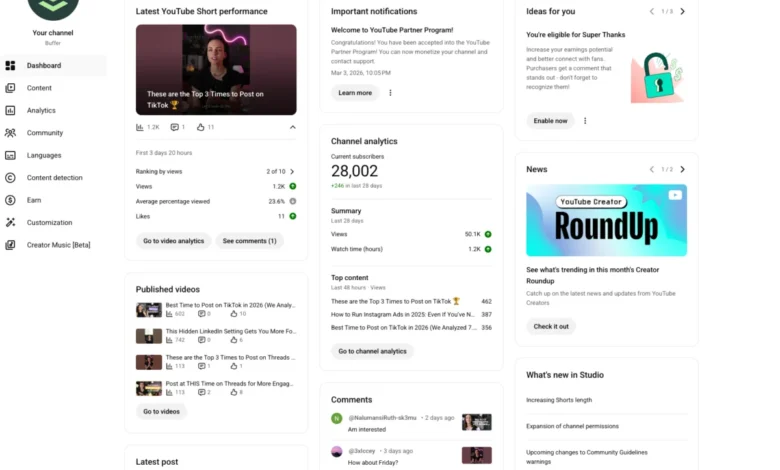
- Pinpoint ‘When Your Viewers Are on YouTube’: Scroll down to find the "When your viewers are on YouTube" graph. This unique heatmap visually represents audience activity in local time. Darker purple slots indicate periods of high viewer activity, while lighter shades denote lower activity. These darker slots are the most reliable indicators of a channel’s personalized best posting times. It’s advisable to check this data regularly, as it reflects activity over the past 28 days and can shift over time.
Holistic Optimization: A Multifaceted Approach
While posting time can provide a valuable boost, it is one component of a larger strategy for YouTube success. The YouTube algorithm considers numerous signals to determine a video’s discoverability and reach. A comprehensive checklist for high-performing content includes:
- Content Quality: The most crucial factor. Engaging, well-produced, and valuable content will always perform better in the long run.
- Compelling Titles: Clear, keyword-rich, and intriguing titles are essential for attracting clicks.
- Eye-Catching Thumbnails: High-quality, relevant thumbnails act as visual advertisements, significantly impacting click-through rates.
- Audience Engagement: Encouraging likes, comments, and shares signals to YouTube that the content is resonating.
- Watch Time & Retention: Videos that keep viewers engaged for longer periods are favored by the algorithm.
- Search Engine Optimization (SEO): Using relevant keywords in titles, descriptions, and tags helps YouTube understand the content and recommend it to interested viewers.
- Consistency: Regular uploads can build audience anticipation and train the algorithm to expect new content from your channel.
Implications for Creators and Marketers
The findings from Buffer’s analysis offer several key implications for content creators and digital marketers:
- Strategic Scheduling: Channels can now implement a dual-format scheduling strategy, leveraging Sunday mornings and weekday mornings for long-form content, and Friday evenings for Shorts, without cannibalizing their own audience.
- Repurposing Content: Understanding peak times for different formats can guide content repurposing efforts. A longer tutorial, for instance, might be cut into several Shorts, each optimized for evening release.
- A/B Testing: Even with general data and personalized analytics, continuous A/B testing of different posting times (e.g., publishing an hour before peak activity) is crucial for refining strategy.
- Algorithm Alignment: Publishing during active hours helps videos gain early engagement signals, which are vital for the YouTube algorithm to identify and promote content more widely. This initial momentum can be a critical determinant of a video’s long-term performance.
In conclusion, the meticulous analysis by Buffer provides a valuable roadmap for navigating the complexities of YouTube content distribution. While the foundational elements of quality content, compelling presentation, and audience understanding remain paramount, strategically aligning upload times with observed peak engagement patterns offers a tangible advantage. For both seasoned creators and emerging marketers, embracing a data-driven approach – combining broad industry insights with granular, channel-specific analytics – is the most effective path to maximizing visibility and fostering a thriving presence on YouTube.