Reflecting on Stack Overflow, AI, and the Human Commons: Jeff Atwood and Ben Dumke-von der Ehe Take the Stage at WeAreDevelopers World Congress

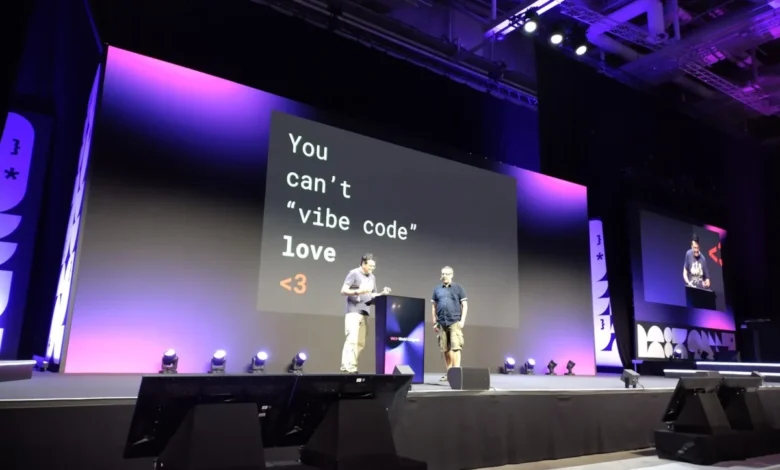
The evolution of digital knowledge sharing reached a poignant milestone at the CityCube in Berlin during the WeAreDevelopers World Congress, where Stack Overflow co-founder Jeff Atwood and early community pioneer Ben Dumke-von der Ehe delivered a joint keynote presentation. Titled "None of Us Is As Dumb As All of Us: Community And Knowledge Go Hand In Hand," the address brought together two figures whose professional trajectories helped shape modern software development. While the event served as a retrospective on the rise of collaborative programming platforms, it also provided a critical forum for discussing the existential challenges facing developer communities in the age of Large Language Models (LLMs).
The Genesis of a Collaborative Ecosystem
To understand the weight of the Berlin keynote, one must look back at the founding principles of Stack Overflow. Launched in 2008 by Jeff Atwood and Joel Spolsky, the platform was designed to solve a fundamental friction point in software engineering: the fragmented, often toxic nature of internet forums where programmers sought help. By implementing a system of reputation points, badges, and strict community moderation, Stack Overflow transformed technical Q&A into a structured, searchable commons.
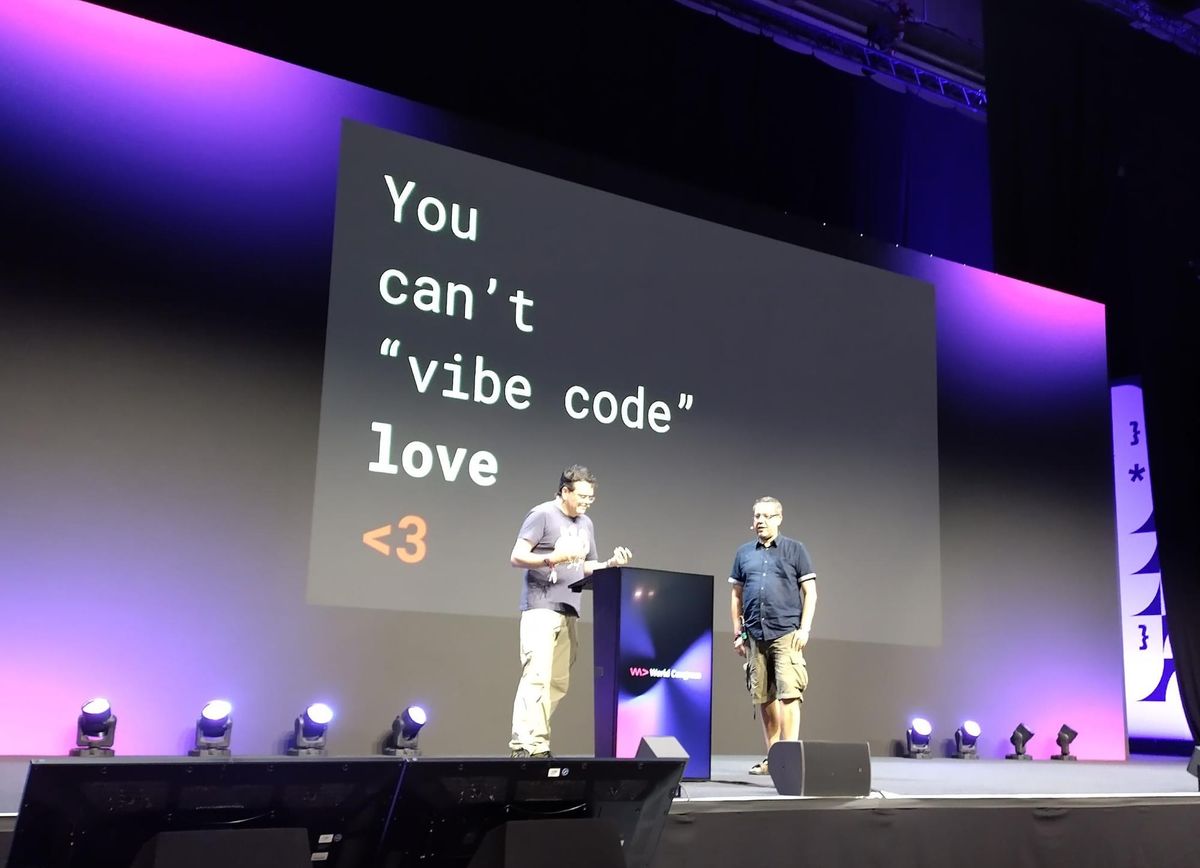
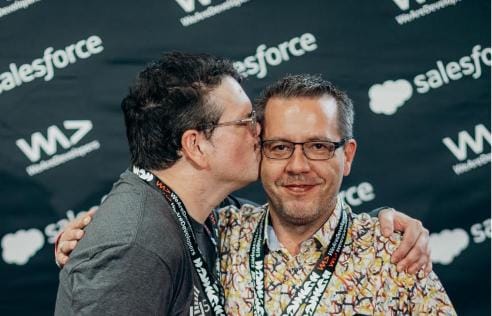
Central to this ecosystem was Ben Dumke-von der Ehe, one of the platform’s earliest community hires based out of Berlin. Dumke-von der Ehe’s journey—transitioning from an active community contributor to an integral internal team member, experiencing departures and returns—mirrors the maturation of Stack Overflow itself. Atwood noted during the presentation that his primary motivation for accepting the WeAreDevelopers speaking engagement was to publicly acknowledge this shared history, describing their meeting as a life-altering event rooted in the collaborative spirit of the web.
The Role of Creative Commons and Open Knowledge
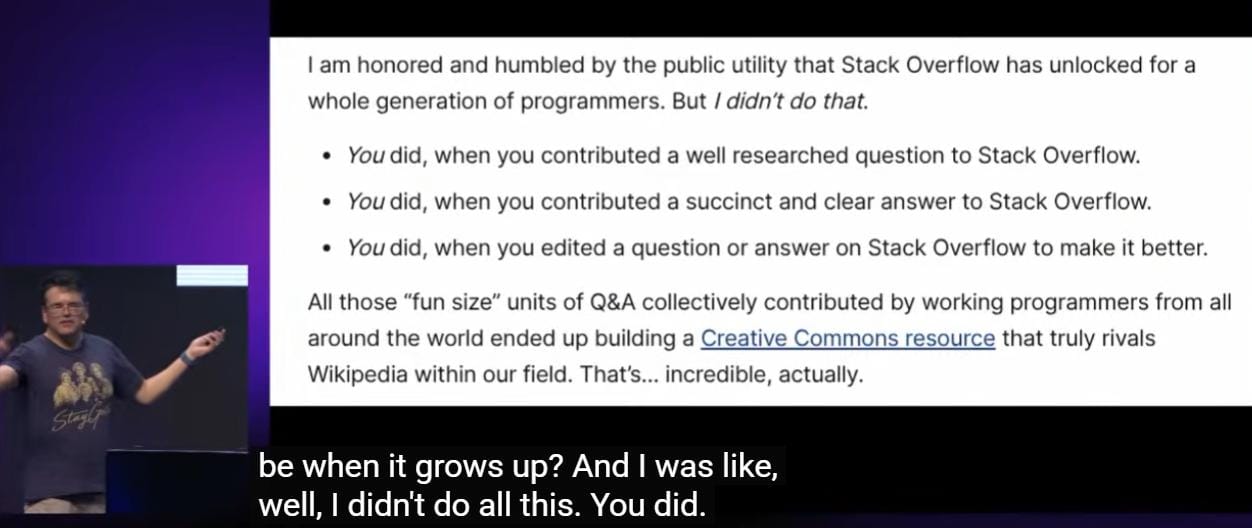
A cornerstone of Stack Overflow’s early success was its reliance on the Creative Commons license. This legal framework ensured that the knowledge contributed by millions of programmers remained part of a public commons rather than being locked behind proprietary walls. Every code snippet, troubleshooting tip, and conceptual explanation provided by users built a massive, interconnected dataset.
For over a decade, this dataset served as the primary reference library for the global programming community. It aligned with Atwood’s long-standing philosophy that an ideal knowledge-sharing platform should allow the vast majority of users to find what they need passively through search engines, minimizing the need to repeatedly ask and answer redundant questions.

The AI Disruption: LLMs and the Duplicate Question Dilemma
The rapid emergence of generative artificial intelligence and Large Language Models has fundamentally shifted how developers interact with technical information. Historically, platforms like Stack Overflow struggled immensely with the problem of duplicate questions. As the database grew from one million to tens of millions of entries, avoiding redundancy became a monumental task. Asking a novel question required navigating a complex labyrinth of prior art, often resulting in strict closure policies that frustrated newer users.
LLMs have largely solved this gordian knot. By leveraging natural language processing, modern AI tools can map a user’s query—phrased in completely idiosyncratic terms—directly to existing technical solutions across vast repositories of training data. In this sense, AI acts as an efficient bridge, intercepting common programming inquiries and delivering rapid, synthesized answers. Atwood has acknowledged this shift as a net positive, noting that it aligns with the ultimate goal of making programming knowledge universally accessible without placing an unsustainable burden on community curators.
The Paradox of the AI Commons
Despite the efficiency gains provided by AI, the Berlin keynote raised a critical question for the future of software engineering: What happens to the public commons when developers shift from public collaboration to private interactions with AI models?
Industry analysts and open-source advocates have increasingly pointed to a looming paradox in the tech ecosystem. LLMs rely fundamentally on human-generated data—sourced from platforms like Stack Overflow, GitHub, and open-source forums—to train their models. If these foundational communities atrophy because programmers no longer feel incentivized to contribute publicly, the pipeline of fresh, high-quality human knowledge could dry up.
Furthermore, community platforms provide more than just transactional answers; they foster mentorship, professional networking, and a sense of shared identity. As Dumke-von der Ehe’s career trajectory demonstrates, these digital spaces often serve as launchpads where developers discover their passions and build lifelong careers through direct human engagement.
Broader Implications for the Tech Industry
The discussions at the WeAreDevelopers World Congress highlight a transitional phase for the software development industry. As corporations and developers increasingly adopt AI-driven workflows, the economic and social models underpinning open knowledge are under strain.
Key implications moving forward include:
- Sustainability of Open Data: Ensuring that creators and communities whose data trains commercial AI models are properly valued and sustained.
- Evolution of Moderation: Adapting community governance models to account for declining manual Q&A traffic while preserving the cultural hubs where developers learn.
- The Value of Human Connection: Reinforcing the idea that while technical problems can be solved via automation, the empathy, mentorship, and collective passion of a community—the "love" of coding together—cannot be replicated by algorithms.
Ultimately, Atwood and Dumke-von der Ehe’s presentation in Berlin was both a celebration of past achievements and a cautionary reminder. Protecting the digital commons is no longer just about maintaining a website; it is about safeguarding the human networks that generate the foundational intelligence of the modern technological world.