Surveillance Tech Giant Flock Safety Offers Generous Voluntary Buyouts Amid Massive Public Backlash and Municipal Contract Cancellations

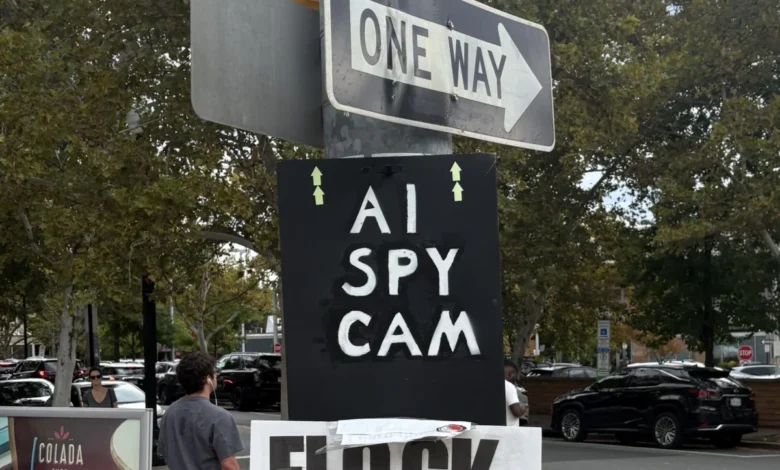
Flock Safety, the embattled automated license plate recognition and surveillance technology company, has announced a sweeping program offering what internal communications describe as its most generous severance package to date for employees opting for voluntary departure. The move comes as the 1,500-person startup navigates an unprecedented wave of public scrutiny, declining internal morale, and a rapidly expanding list of municipal and state government contract cancellations.
According to internal company announcements reviewed by industry reporters, Flock Safety anticipates that a substantial portion of its workforce will express interest in the buyout packages. Leadership has indicated that the company intends to grant these voluntary exits to the vast majority of applicants. Industry analysts note that without this voluntary reduction strategy, the firm would likely have been forced to implement involuntary layoffs to right-size its operations in the face of plunging revenues and plummeting public sector trust.
The decision to offer these buyouts highlights the acute pressure facing Flock Safety as it struggles to contain the fallout from multiple high-profile controversies regarding data misuse, privacy violations, and law enforcement overreach. By allowing demoralized workers to exit voluntarily with financial compensation, the company hopes to stabilize its remaining corporate culture while discreetly shrinking its overhead.
Background Context of the Flock Safety Crisis
Founded with the mission to eliminate crime and secure communities, Flock Safety experienced rapid growth by deploying network cameras that capture vehicle data, including license plates and vehicle characteristics, utilizing advanced machine-learning algorithms. The company marketed its hardware and software infrastructure directly to law enforcement agencies, homeowners associations, and private businesses as an essential crime-fighting tool capable of tracking stolen vehicles, amber alerts, and suspects in violent crimes.
However, the rapid proliferation of the company’s camera network—spanning thousands of communities across the United States—raised immediate alarms among civil liberties organizations, privacy advocates, and local residents. Critics argued that the continuous collection and retention of location data created a pervasive mass surveillance apparatus capable of tracking the daily movements of ordinary citizens without a warrant.
The tension surrounding the company’s technology reached a boiling point over the summer, transforming a simmering policy debate into a full-scale corporate and operational crisis.
Chronology of Events and Escalating Fallout
The downward spiral for Flock Safety accelerated dramatically over a compressed two-month window in mid-2026, driven by investigative journalism, decisive political maneuvers, and grassroots activism.
Early August 2026: An investigative report published by The Washington Post exposed widespread systemic vulnerabilities and abuse within law enforcement agencies utilizing Flock technology. The report identified at least 46 distinct cases where police officers were accused of misusing the surveillance network to spy on personal acquaintances, including estranged wives, girlfriends, and ex-partners. The revelations provided concrete evidence for critics who had long warned that the infrastructure lacked adequate safeguards against domestic surveillance and stalking.

Mid-August 2026: The political fallout was swift. State governments began distancing themselves from the startup amid mounting constituent pressure. Officials in Florida and Texas announced formal decisions to block and phase out the use of Flock cameras across state-managed projects and law enforcement frameworks, citing severe privacy concerns and potential constitutional violations.
Late August 2026: Municipalities followed the state-level bans at a historic pace. A prominent national anti-surveillance advocacy group released data showing that approximately 90 cities canceled their contracts with Flock Safety during the month of August alone. This figure represented a staggering fourfold increase compared to the cancellation rate recorded just one month prior, signaling a catastrophic loss of institutional trust.
September 2026: Confronted with plummeting municipal partnerships and a tarnished public image, Flock Safety leadership acknowledged the severity of the situation. In a recent appearance on the All-In podcast, Flock CEO Garrett Langley candidly admitted that the most damaging aspect of the ongoing controversy was not merely the financial or contractual setbacks, but the profound toll the backlash had taken on internal employee morale.
Official Responses and Industry Reactions
As the crisis has unfolded, representatives for Flock Safety have struggled to mount an effective defense that reassures both nervous clients and an increasingly skeptical public. While the company has historically defended its security protocols and emphasized the utility of its technology in solving violent crimes, the systemic abuse documented by investigative media outlets has made standard public relations strategies ineffective.
Privacy advocates, meanwhile, have viewed the mass cancellation of municipal contracts and the introduction of employee buyouts as vindication of their long-standing warnings. Representatives from organizations such as the Electronic Frontier Foundation (EFF) and local grassroots coalitions have pointed to the August exodus of client cities as proof that communities are waking up to the inherent dangers of unchecked private-public surveillance partnerships.
Legal experts suggest that the fallout could trigger additional regulatory scrutiny, potentially drawing attention from federal agencies regarding data privacy compliance, consumer protection standards, and the adequacy of third-party auditing mechanisms for law enforcement technologies.
Broader Impact and Economic Implications
The struggles encountered by Flock Safety serve as a watershed moment for the broader law enforcement technology and smart-cities sector. For years, venture capital firms heavily funded startups promising algorithmic security solutions, often prioritizing rapid market expansion over robust civil liberties protections. The sudden collapse of Flock’s municipal customer base demonstrates that public tolerance for unaccountable surveillance infrastructure has reached a definitive limit.
Financially, the implementation of a costly voluntary buyout program indicates that Flock Safety is attempting to proactively manage a contraction in its addressable market. With key states like Florida and Texas enacting blocks, and dozens of municipalities severing ties, the company’s recurring revenue streams from hardware subscriptions and software maintenance have sustained a severe blow.
For the company’s remaining workforce, the challenge moving forward will involve rebuilding trust with a skeptical public, overhauling internal compliance mechanisms to prevent officer misuse of data, and convincing local governments that robust privacy safeguards can coexist with modern crime-fighting tools. However, with anti-surveillance momentum gathering pace across the nation, Flock Safety faces an uphill battle to restore its reputation and secure its long-term viability in an increasingly hostile regulatory landscape.