The Essential Guide to Maximizing the Autumn Orchard Experience and Understanding the Rise of Agritourism

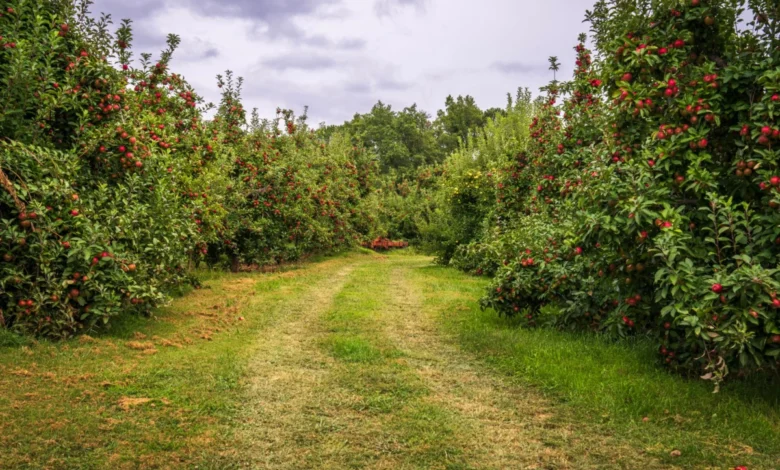
The phenomenon of apple picking has transitioned from a seasonal agricultural chore into a cornerstone of the modern American autumn experience. Data from the U.S. Apple Association confirms that annual domestic consumption exceeds 10 billion apples, a significant portion of which is now sourced directly from commercial orchards through pick-your-own (PYO) programs. This surge in consumer interest reflects a broader cultural shift toward agritourism, where urban and suburban populations seek immersive, outdoor experiences that connect them to food production. To execute an orchard excursion successfully, visitors must navigate the intersection of logistical planning, peak harvest timelines, and the specific horticultural requirements of orchard management.
The Historical Context and Modern Rise of Agritourism
Historically, orchards served as vital hubs for regional food security, providing shelf-stable produce for winter storage. Over the last three decades, however, the economic model of many family-owned orchards has shifted toward diversification. Faced with increasing competition from globalized supply chains, orchard owners have pivoted to the "experience economy." By inviting the public onto their land, farmers create a secondary revenue stream that relies on entertainment value—hayrides, cider pressing demonstrations, and retail cafes—rather than purely wholesale distribution.
Industry analysts observe that this trend is not merely aesthetic; it is a strategic adaptation to the changing demands of the consumer base. Recent reports from the U.S. Department of Agriculture (USDA) suggest that farms integrating agritourism activities report higher long-term financial stability compared to those relying solely on wholesale produce sales. For the visitor, this provides a "third space" that exists between the home and the workplace, offering an environment that promotes physical activity and mental wellness.
Chronology of the Harvest: Understanding Apple Phenology
The successful orchard visit is entirely dependent on the biological clock of the trees. Apple harvesting is not a singular event but a staggered process dictated by variety and latitude.
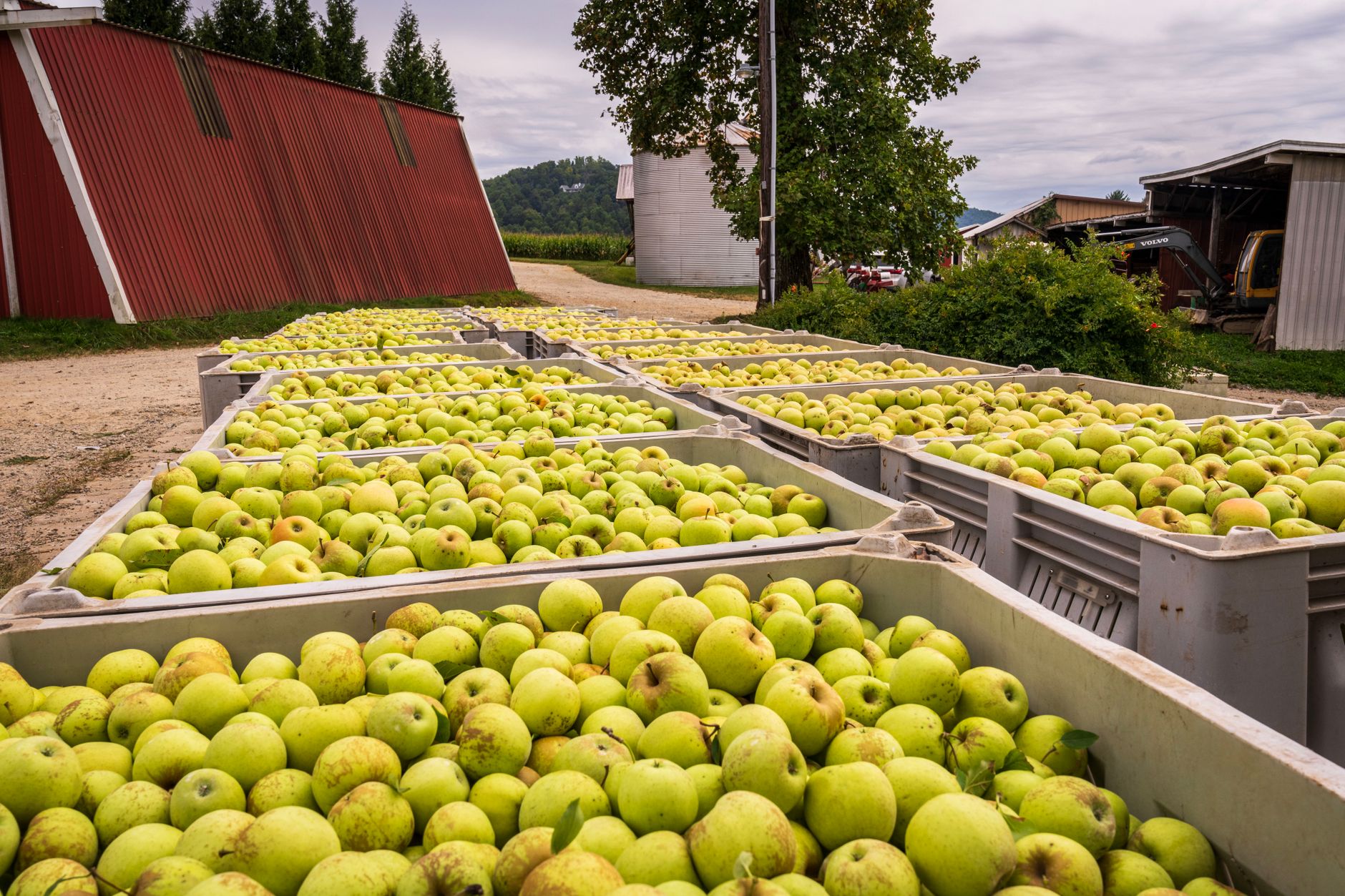
Early-season harvesting typically commences in late August in northern climates, featuring cultivars such as Zestar or Ginger Gold. These varieties are characterized by shorter shelf lives and are intended for immediate consumption. As the season progresses into late September, mid-season varieties like Gala and McIntosh reach maturity. The peak of the season—often the most heavily attended period for orchards—occurs from late September through mid-October, when high-demand varieties like Honeycrisp, Fuji, and Cortland are harvested.
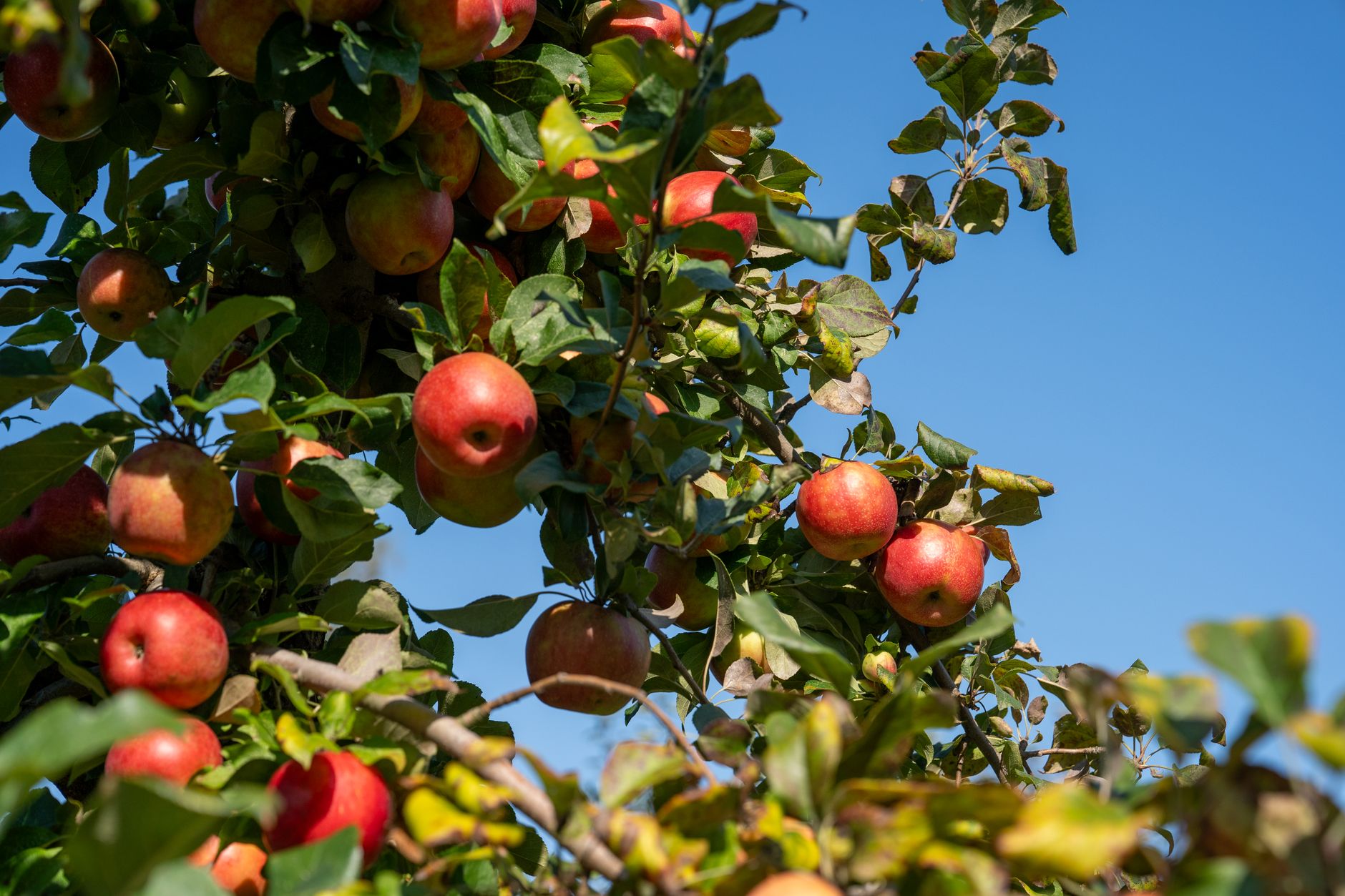
Climate patterns significantly influence these dates. In years with late spring frosts, the bloom period is delayed, which can push the harvest window back by as much as two weeks. Conversely, hot, dry summers can accelerate fruit ripening, potentially compressing the harvest window. Potential visitors are encouraged to consult regional agricultural extensions, which provide real-time updates on fruit maturity and orchard accessibility.
Nutritional Implications and Health Benefits
The T.H. Chan School of Public Health at Harvard underscores the nutritional value of regular apple consumption, citing the fruit’s high fiber content and density of phytonutrients, including quercetin and catechin. Beyond the physical health benefits, there is a growing body of research regarding the psychological impact of outdoor, nature-based activities. The "biophilia hypothesis"—the idea that humans possess an innate tendency to seek connections with nature—is often cited by public health experts to explain the popularity of orchard visits. Engaging in manual, repetitive tasks like picking fruit has been shown to lower cortisol levels and improve cognitive function, providing a stark contrast to the sedentary nature of modern digital life.
Logistics and Best Practices for Orchard Navigation
To ensure a productive visit, planning should prioritize timing and gear. Most commercial orchards experience peak traffic during Columbus Day weekend and other federal holidays. Agricultural experts and farm owners frequently advise that weekday visits are superior for both the consumer and the orchard’s management. Mid-week trips allow for less density, which reduces the physical impact on the orchard floor, prevents soil compaction, and ensures a more quiet, controlled environment.
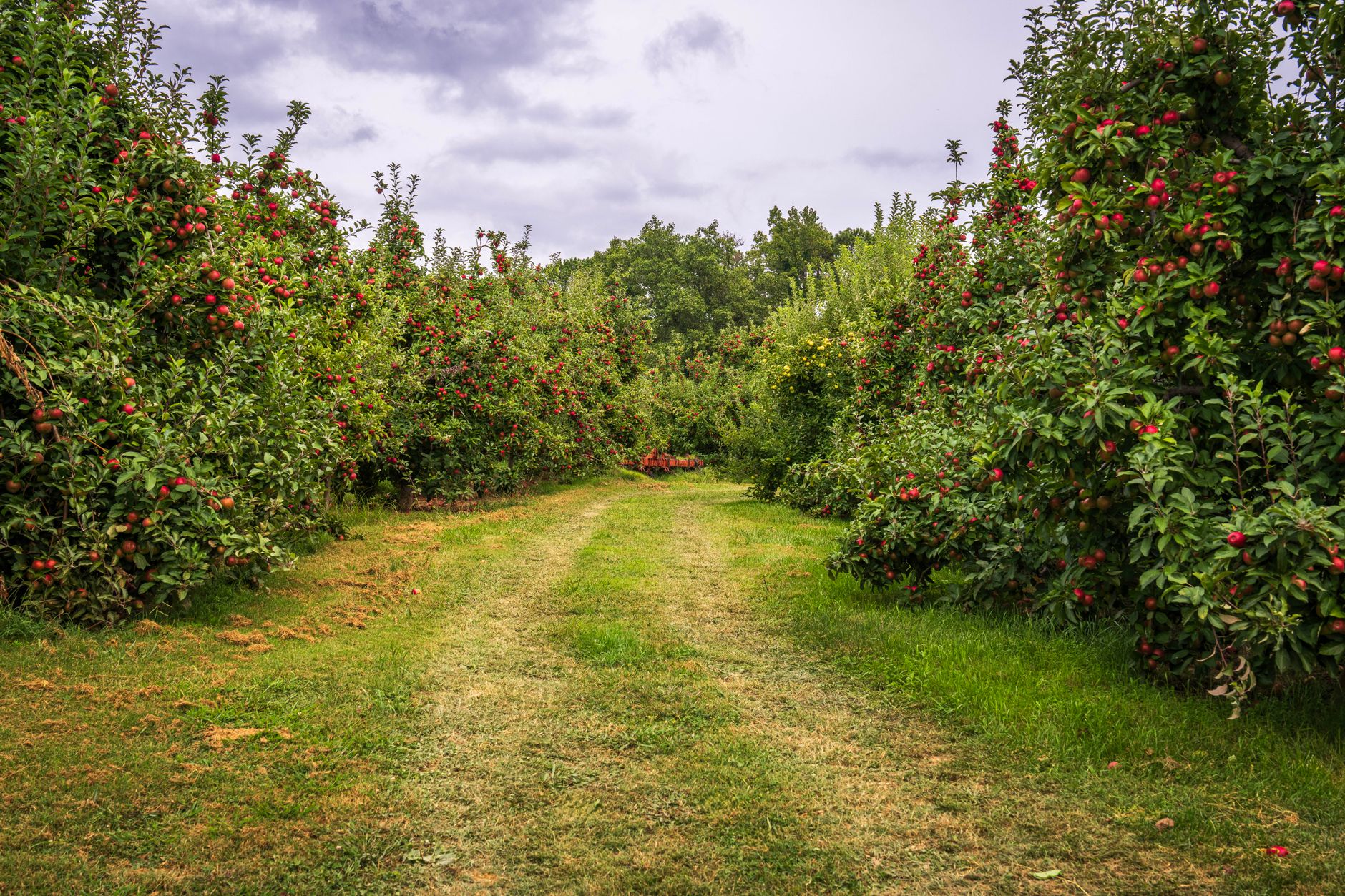
Proper attire is a critical, often overlooked component of the visit. The terrain in a typical orchard is uneven, often muddy, and susceptible to sudden temperature fluctuations. Standard footwear should prioritize ankle support and traction, while clothing should be layered to accommodate the rapid cooling that occurs in autumn as the sun sets.
When packing for an orchard trip, visitors should consider the following essential items:
- Weather-appropriate layers: A base layer for perspiration management and an outer shell for wind protection.
- Durable footwear: Waterproof boots or sturdy sneakers with rubber soles to navigate orchard grass.
- Sun protection: Even in October, UV exposure can be significant, particularly in open, elevated orchard locations.
- Reusable containers: While many orchards provide bags, bringing personal, sturdy containers can protect the fruit from bruising during transport.
The Role of Integrated Pest Management (IPM)
When visiting a working orchard, it is important for the public to understand the realities of Integrated Pest Management (IPM). Modern orchards employ a rigorous, data-driven approach to minimize the use of pesticides while ensuring a viable crop. Visitors may notice pheromone traps, netting, or specific ground covers designed to manage pests like the codling moth or apple maggot. Understanding these practices helps consumers appreciate the complexity of fruit cultivation. It is also a reminder that "perfect" fruit is a result of immense labor and precision science; minor blemishes on fruit are often the result of sustainable, low-intervention farming techniques.
Strategies for Long-Term Engagement
For families and individuals looking to move beyond the superficial aspects of orchard visits, there are several ways to deepen the experience. Educators suggest that engaging children in the harvesting process—specifically, teaching them to identify ripeness through color and stem pressure—fosters a greater appreciation for food sources.
Furthermore, the economic impact of these visits can be maximized by purchasing secondary products directly from the orchard’s farm store. Fresh-pressed cider, apple butter, and heritage-variety apples often represent the highest quality of the farm’s output, and purchasing these items ensures that more of the consumer’s dollar remains within the local agricultural economy.
Broader Economic and Environmental Implications
The sustainability of the orchard model relies on the continued support of the local community. As urbanization continues to encroach upon agricultural land, the presence of thriving, public-facing orchards provides a crucial buffer against development. These spaces function as carbon sinks and provide essential habitat for local pollinators, such as the honeybee and wild bee populations, which are critical for the fertilization of the trees.

The growth of the U-pick industry serves as a testament to the resilience of the family farm. By transforming the act of harvesting into a shared social event, orchards have successfully integrated themselves into the modern calendar. For the consumer, the goal is to balance the aesthetic and social benefits of the visit with an awareness of the agricultural labor and environmental stewardship required to maintain these spaces. Ultimately, the orchard visit serves as a bridge between the historical foundations of American agriculture and the modern, experience-driven economy, offering a sustainable model that benefits both the producer and the public.