The Paradox of AI-Native SaaS Growth: Why Fast Activation is Breeding Higher Churn Rates

The landscape of software-as-a-service (SaaS) development is currently undergoing a structural transformation catalyzed by the rapid maturation of artificial intelligence. Historically, the primary metric of initial product success was time-to-value (TTV), a metric dictated by tedious onboarding cycles, multi-step configurations, and administrative friction. Today, AI has compressed the journey from user intent to initial outcome down to seconds. Platforms can now generate fully realized presentations, populate complex customer relationship management (CRM) databases, and construct bespoke conversational environments within a user’s opening session.
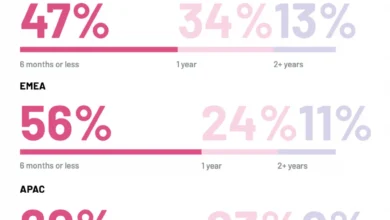
However, emerging industry data reveals a profound commercial contradiction beneath this technological triumph. According to recent benchmark studies released by subscription metrics platform ChartMogul, the very AI-native SaaS products scaling the fastest—frequently hitting the $1 million Annual Recurring Revenue (ARR) milestone up to three times faster than their traditional SaaS predecessors—are simultaneously experiencing unprecedented early-stage attrition. These companies exhibit significantly weaker Net Revenue Retention (NRR) rates, unmasking a systemic vulnerability where frictionless acquisition is routinely undermined by accelerated churn.
Industry analysts and product-led growth (PLG) strategists point to a fundamental miscalibration in how modern software companies measure success. While the deployment of generative artificial intelligence has effectively eliminated the traditional "empty-state" onboarding hurdle, it has inadvertently introduced a deeper cognitive disconnect: passive value consumption. When an intelligent system performs the foundational setup work on behalf of the user, it bypasses the necessary cognitive investment required to build a permanent mental model of the product. Consequently, users experience transient satisfaction rather than genuine operational integration, leaving them susceptible to churn within their first 60 days of adoption.

The Historical Evolution of Onboarding and the AI Disruption
To understand the current retention crisis, industry observers must examine the evolution of software deployment over the past two decades. Traditional B2B SaaS architecture was built around configuration. Users were required to bridge a structural gap between their operational workflows and the software’s requirements through manual data entry, integration setups, and architectural mapping. While this friction caused significant drop-offs during initial onboarding funnels, it forced users to actively construct their digital environments. This labor-intensive process inadvertently established high switching costs and embedded the software deeply into daily routines.
The arrival of modern generative models dismantled this friction-based paradigm. Mirroring the way mobile distribution radically simplified software accessibility in the early 2010s, artificial intelligence has dissolved setup barriers. Platforms such as Gamma allow users to input a simple text prompt and instantly receive fully styled, professional slide decks. Similarly, enterprise giants like HubSpot and Intercom utilize automated inference models to synthesize customer databases and conversational help centers from raw, unstructured data sources.
While these advancements represent a legitimate leap forward in user experience design, they have rendered traditional activation metrics obsolete. Standard telemetry dashboards that measure activation purely through binary milestones—such as "completed onboarding" or "generated first output"—fail to distinguish between a passive observer who samples a novelty feature and an active operator who integrates the tool into core business processes.
Anatomy of the Churn Wave: Four Emergent Product Patterns
A comprehensive review of market leaders indicates that companies successfully navigating this transition are implementing distinct architectural patterns designed to bridge the gap between initial impressions and long-term utility. These methodologies focus on transforming passive recipients into active participants.
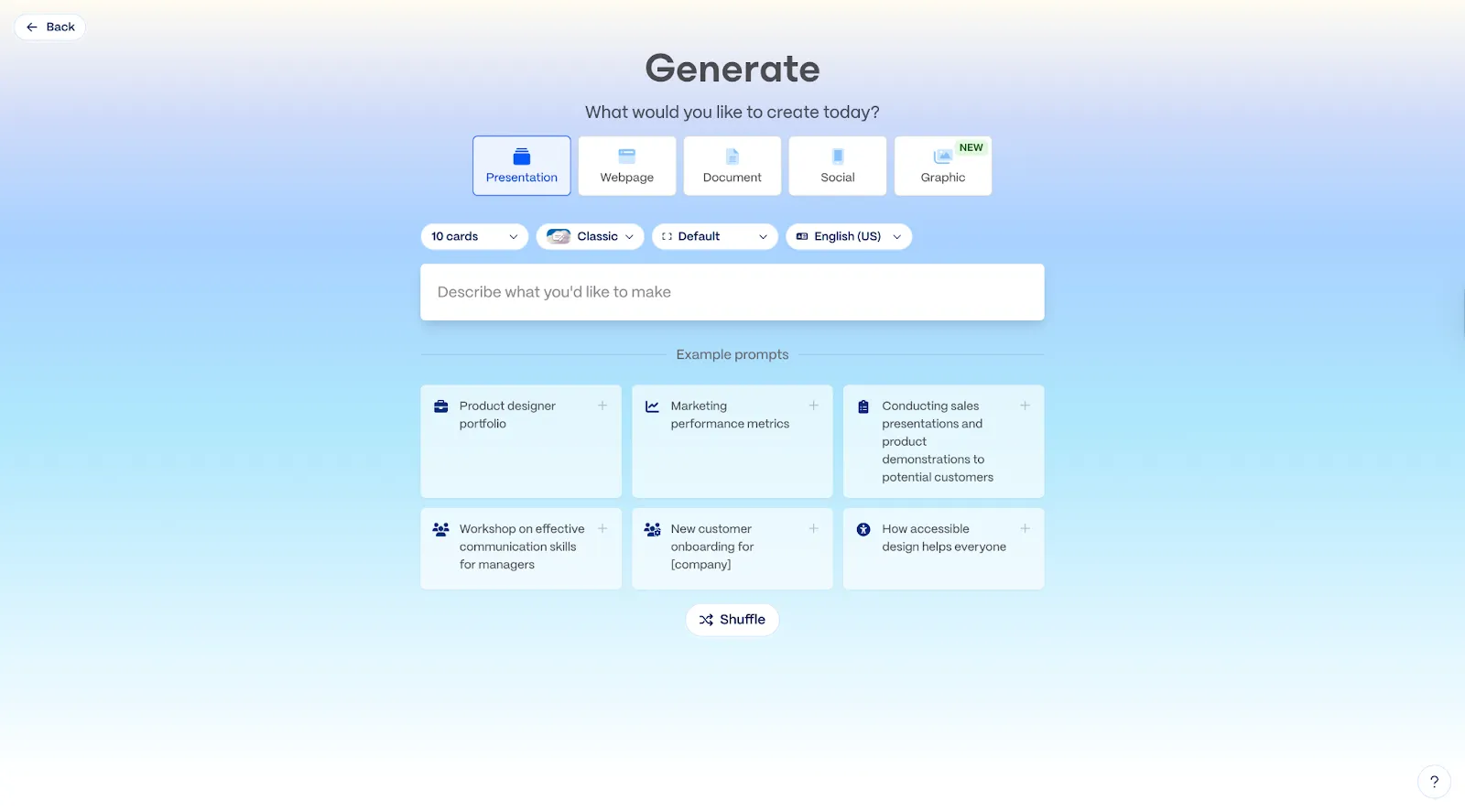
First, leading platforms utilize advanced AI-generated first outputs. Rather than presenting a blank slate, applications supply functional artifacts—such as drafted documents, code repositories, or analytical dashboards—that users can immediately critique and refine. This approach shifts the psychological dynamic from creation to editing, capitalizing on instantaneous specificity to validate user intent.
Second, modern developers are shifting setup labor from human effort to model inference. By automating backend configurations, products remove the administrative fatigue that historically stalled user momentum before the first core feature could be evaluated.
Third, conversational onboarding has begun to replace rigid, linear click-through tutorials. Adaptive dialogue loops allow software to dynamically respond to user inputs, capturing precise contextual requirements in real-time. This dynamic feedback loop informs subsequent algorithmic interactions, tailoring the utility of the platform to the individual’s exact operational context.
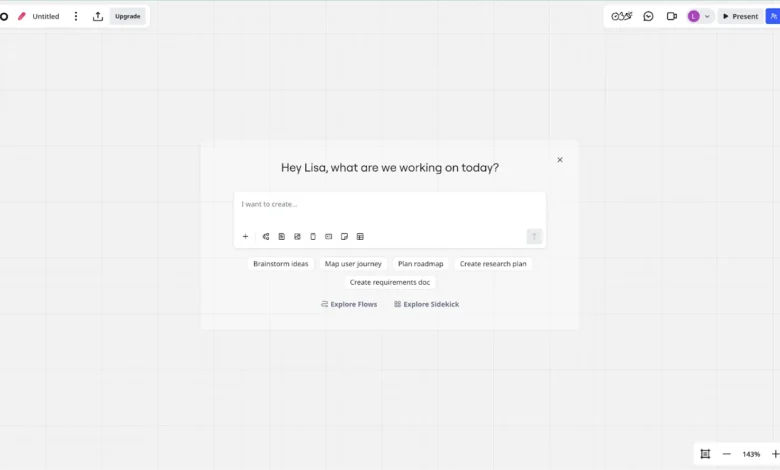
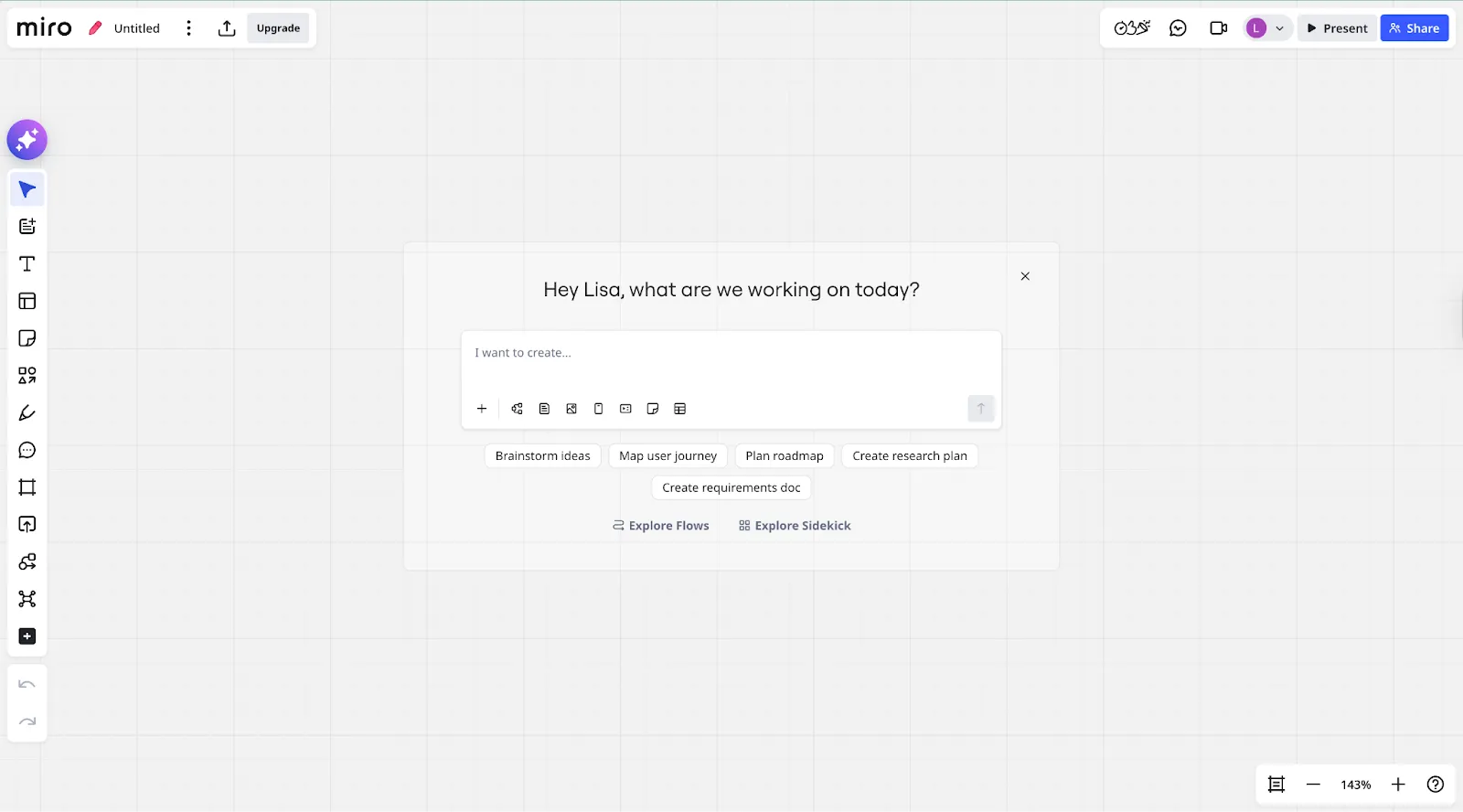
Finally, market leaders are embedding context-aware intelligence directly into ongoing workflows. Rather than isolating AI features within distinct tabs or auxiliary menus, platforms like Miro integrate cognitive assistance natively into the primary workspace. By continually absorbing project history, user preferences, and collaborative patterns, these tools accumulate contextual equity over time, thereby establishing organic switching costs.
Economic Implications and Strategic Adjustments for SaaS Leadership
The financial ramifications of the AI-native retention deficit are forcing executive teams to re-evaluate their go-to-market strategies. Venture capital firms and private equity investors, historically enamored with rapid top-line ARR acceleration, are increasingly auditing cohort retention curves past the 90-day mark. An acquisition model fueled by hyper-efficient onboarding that ultimately sheds customers due to a lack of sticky habits ultimately masks structural product-market deficiencies.
PLG specialists emphasize that mitigating this vulnerability requires a deliberate realignment of internal analytics and product design philosophy. Organizations are being advised to abandon binary activation definitions in favor of downstream action metrics. By tracking whether a user actively edits, exports, shares, or returns to an AI-generated asset, product teams can isolate the specific threshold where perceived value transforms into operational dependency.
Furthermore, engineering teams are being tasked with explicitly designing return triggers—the precise, concrete operational events that compel a user to reopen the application on subsequent days. Whether driven by asynchronous notifications, collaborative team pings, or evolving project data, these triggers cannot be left to serendipity.
Future Outlook for Enterprise Software Architecture
As the software industry matures past the initial speculative wave of generative AI integration, the competitive advantage is shifting decisively from acquisition novelty to retention resilience. The market bifurcation between high-growth, high-churn startups and durable, deeply integrated enterprise platforms underscores a timeless commercial truth: velocity opens the door, but operational integration determines longevity.
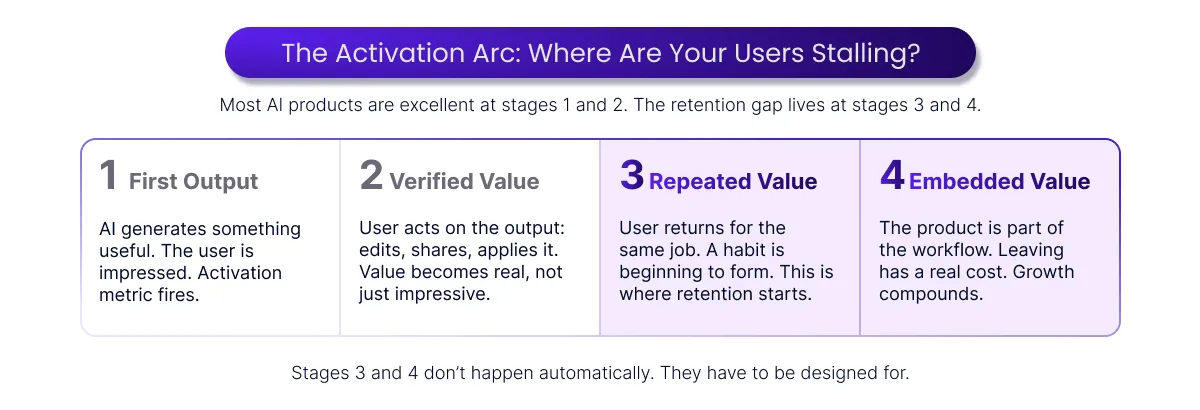
Companies that successfully recalibrate their product architecture to foster genuine habit formation will capture sustainable market dominance. For the broader SaaS ecosystem, the current wave of high-attrition metrics serves as a necessary corrective, signaling that the future of software belongs not to the fastest tools, but to those that become indispensable to how work is performed.
Related posts: