How to Build a Seamless Approval Process to Streamline Operations and Ensure Compliance

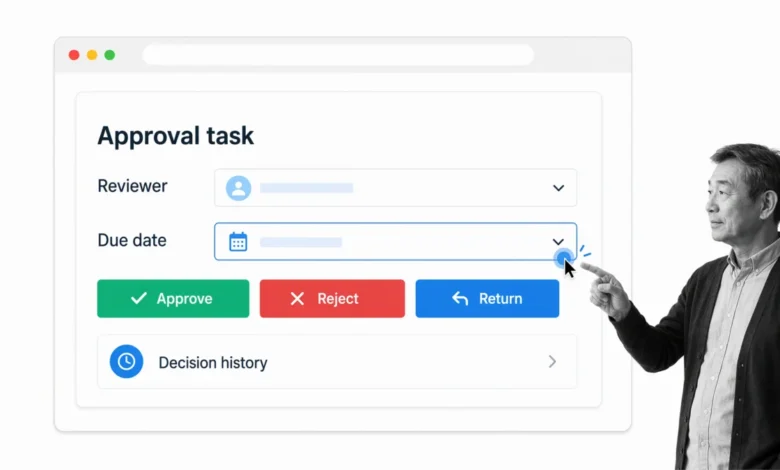
An approval process is the foundational mechanism that governs the movement of work from initial submission through rigorous review, strategic decision-making, and final recording. In modern enterprise environments, relying on fragmented email threads, disparate spreadsheets, and manual follow-ups is increasingly viewed as a significant operational liability. These antiquated methods often result in bottlenecks, missed deadlines, and a lack of auditability—factors that can compromise both quality and regulatory compliance.
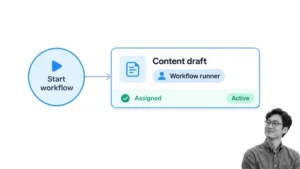
The transition toward digital transformation has prioritized the integration of automated approval workflows. By utilizing platforms like Process Street, organizations can apply standardized rules to route requests, assign designated reviewers, establish strict due dates, and automate notifications. This structured approach ensures that whether a request pertains to content creation, financial expenditures, or employee onboarding, it moves through a controlled path that preserves a comprehensive audit trail.

The Anatomy of an Efficient Approval Workflow
A well-architected approval process follows a predictable lifecycle consisting of five distinct states: request, routing, review, decision, and historical documentation. The efficiency of this cycle depends on the type of routing implemented. Sequential routing requires a linear progression where one stakeholder must act before the next. Parallel routing allows multiple stakeholders to review information simultaneously, significantly reducing turnaround times. Conditional routing—often the most sophisticated—uses data fields to determine the path based on variables such as department, risk profile, or monetary value.
This framework acts as a critical component of Quality Management Systems (QMS). By standardizing these checkpoints, organizations can ensure that every output meets predefined quality benchmarks before reaching the next stage of development. Data indicates that companies employing automated approval workflows report a 30% to 40% reduction in cycle times for administrative tasks, as it eliminates the "waiting room" effect common in manual, email-based processes.
The Shift Toward Automated Governance
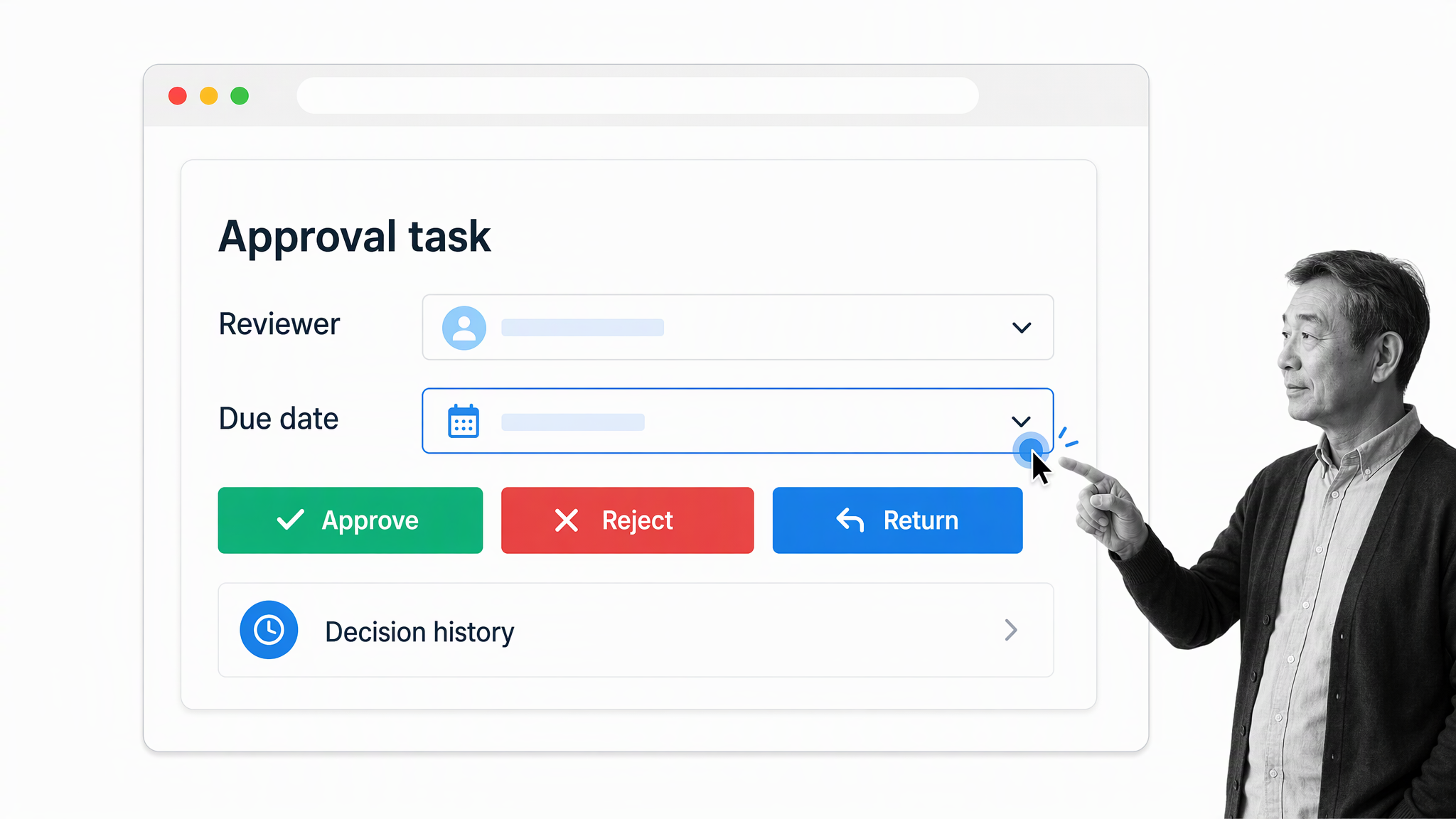
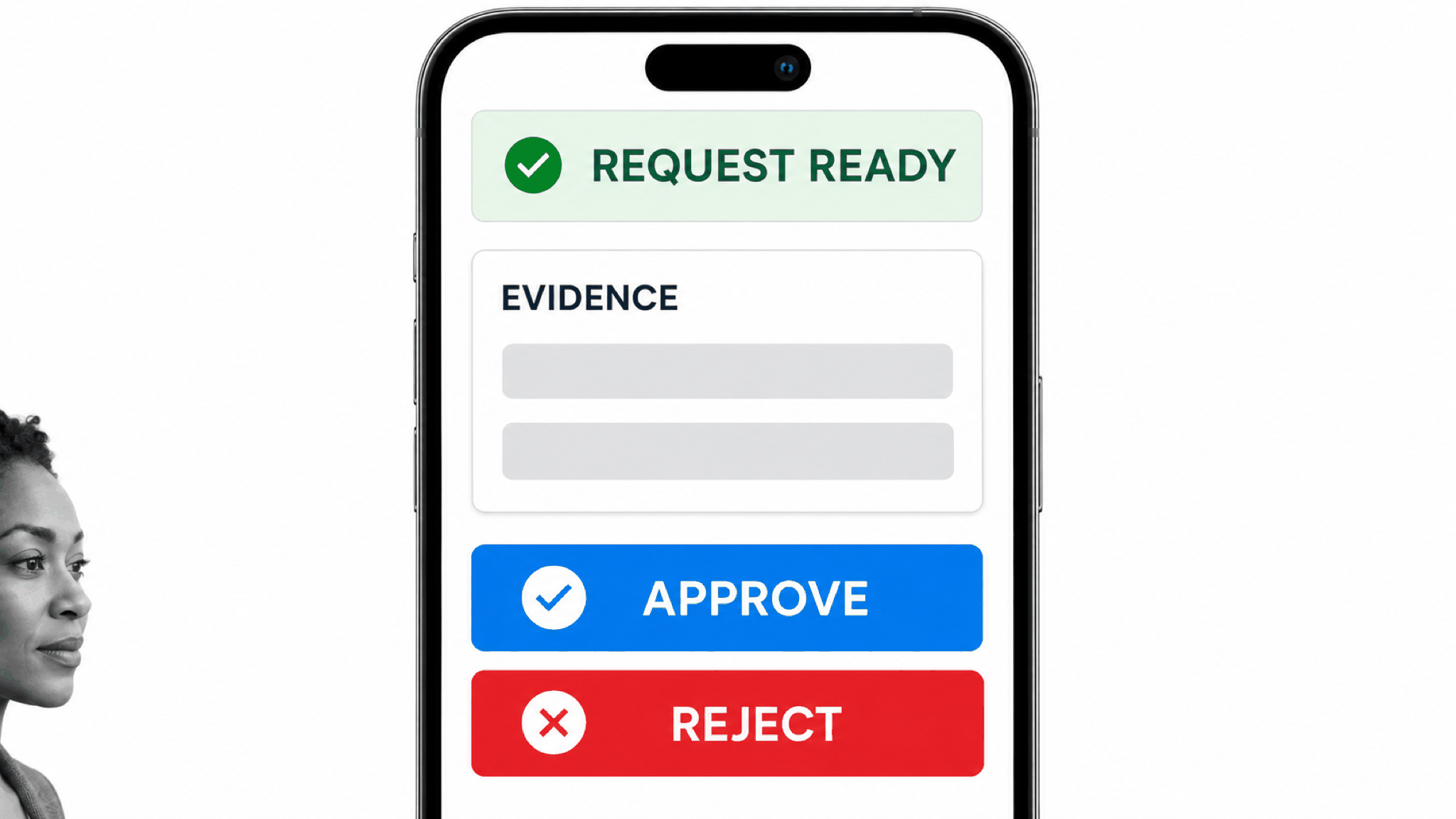
Modern compliance operations platforms, such as Process Street, serve to bridge the gap between policy documentation and daily execution. By embedding approval tasks directly into the workflow, these systems ensure that reviewers have immediate access to the necessary evidence to make an informed decision. This integration removes the need for external trackers or secondary status reports, as the workflow itself functions as the system of record.
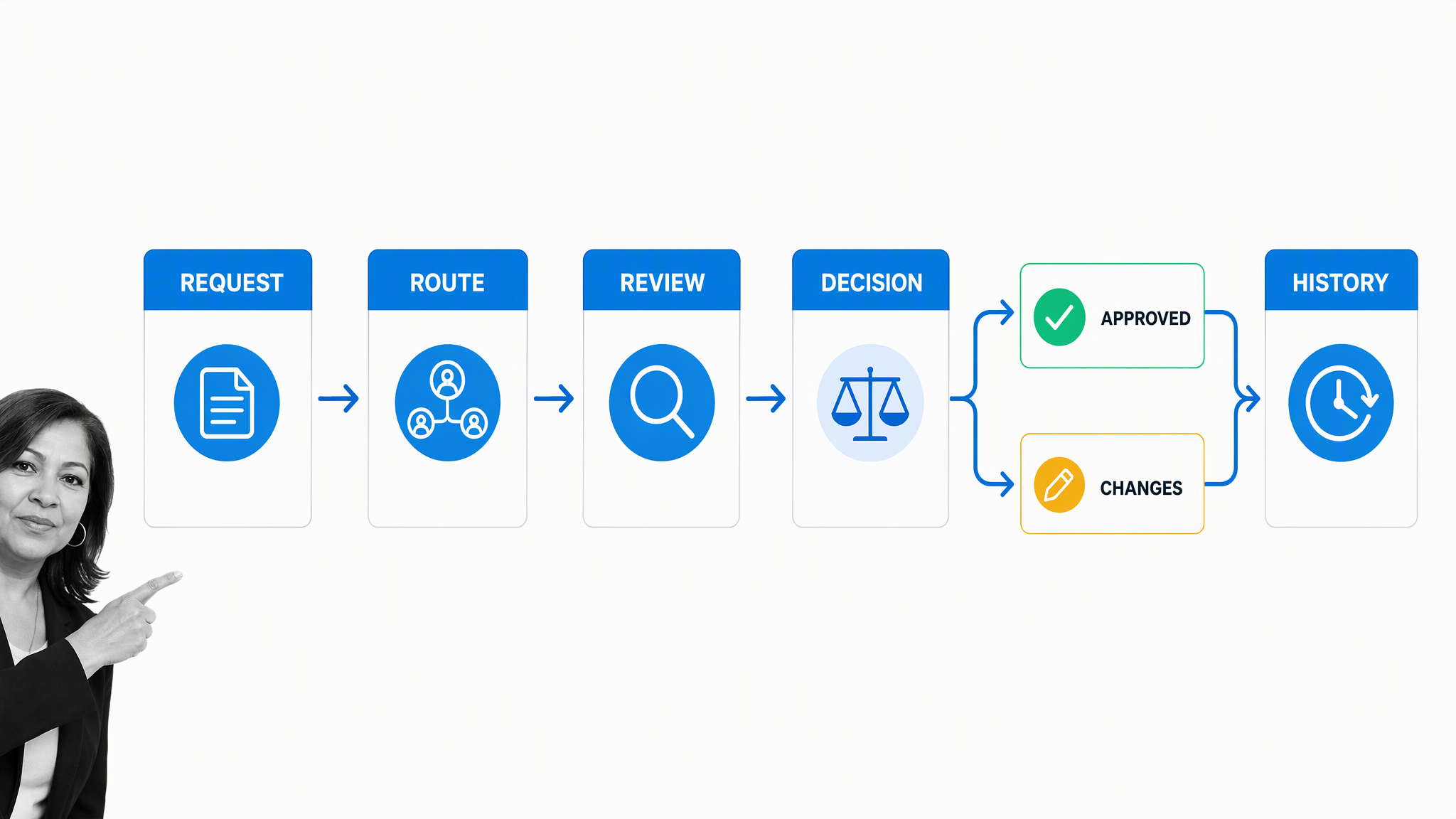
Industry analysts emphasize that automation should be employed to handle the logistics of routing and notification, leaving the actual judgment to human experts where nuance is required. For instance, a document approval process can automatically escalate an overdue request to a manager while ensuring that a senior executive provides the final sign-off based on corporate risk policies. This hybrid approach ensures that processes remain agile without sacrificing the necessary human oversight.
Identifying Approval Patterns
To optimize internal operations, leaders must distinguish between three primary approval patterns: fixed, variable, and multi-level.
- Fixed Approvals: These are utilized for routine, static processes, such as leave applications or standard procurement requests. In these instances, the reviewer is predetermined by the organizational hierarchy. Process Street facilitates this through direct task assignments, ensuring that the same individual or department is always held accountable for specific types of requests.
- Variable Approvals: These occur when the reviewer changes based on the specific context of the request. For example, a budget approval might require different signatories depending on the project department. Advanced role assignments based on form field data allow these systems to dynamically assign the correct approver at runtime, preventing the need for manual intervention or custom coding.
- Multi-level Approvals: Common in large-scale enterprises, these processes involve cascading sign-offs. A complex project might require a technical lead’s approval, followed by a departmental head, and finally a financial controller. By configuring multiple approval tasks at various nodes in a template, organizations can manage complex, high-stakes workflows with minimal administrative overhead.
Strategic Implementation and Best Practices
When configuring an automated approval system, the design phase is paramount. Best practices include defining clear "stop tasks"—points in the workflow where progress cannot continue until an approval is secured. This prevents "process slippage," where work proceeds before it is officially authorized.
Furthermore, integrating mobile accessibility into these workflows has emerged as a key efficiency driver. Executives and managers often operate outside of traditional office hours; the ability to approve or reject a request directly from a mobile email client or dedicated app ensures that critical decisions are not delayed by travel or off-site meetings. This capability minimizes the "inbox chase" that characterizes inefficient organizations.
Case Studies in Diverse Operational Domains
The utility of these approval structures is evident across various business functions:
- Marketing and Creative Services: Content workflows, such as blog pre-publication checklists or social media influencer outreach plans, benefit from multi-level approvals. These ensure that brand guidelines are met and that legal or executive teams have reviewed the final output before it reaches the public domain.
- Sales and Client Onboarding: For marketing agencies, the client onboarding phase is critical. By automating the approval of marketing plans and service roadmaps, agencies can ensure that both the client and the internal team are aligned on project scope before the first invoice is sent.
- Financial Management: The stakes are highest in financial reporting. Whether it is a monthly sales report, a cash flow statement, or annual tax filings, the requirement for absolute accuracy is non-negotiable. Automating these approvals provides a robust audit trail for external auditors, proving that each document was reviewed and authorized by the appropriate financial officer.
- Human Resources: Holiday leave and employee onboarding are high-frequency, low-complexity tasks that nevertheless consume significant time. Standardizing these processes through automated approvals reduces the administrative burden on HR departments, allowing them to focus on employee engagement rather than paperwork tracking.
Broader Implications and Future Outlook
The broader implication of adopting a digital-first approach to approvals is the creation of a "data-driven operations culture." When every decision—whether an approval or a rejection—is captured as a data point, organizations can perform granular analysis on their internal bottlenecks. If a specific department consistently takes longer to approve reports, or if a particular type of request is rejected 50% of the time, leadership can intervene with targeted training or process refinement.
This evolution is fundamentally changing how mid-to-large-sized businesses view compliance. It is no longer a peripheral activity restricted to internal audit departments; it is becoming a core aspect of daily operational excellence. By connecting governed information with automated execution, companies can achieve a level of transparency and agility that was previously unattainable.
Conclusion
The transition from manual, legacy approval methods to an automated, centralized system represents a significant step forward for operational maturity. By leveraging platforms that integrate documentation, workflow execution, and evidence-based decision-making, organizations can eliminate the uncertainty of manual tracking.
For businesses looking to scale, the implementation of these processes is not merely about convenience; it is about risk mitigation and the creation of a reliable, scalable foundation for growth. As digital tools continue to advance, the ability to automate, audit, and analyze every decision point will distinguish industry leaders from their peers. By investing in these standardized, automated workflows today, companies are effectively future-proofing their operations against the complexities of a rapidly evolving global market. Whether through the implementation of a simple leave request flow or a complex multi-level financial audit, the message remains clear: the path to efficiency is paved with structured, transparent, and automated approvals.