The Sweet Success of New York City’s Viral Baklava Entrepreneur Jacob Komarow

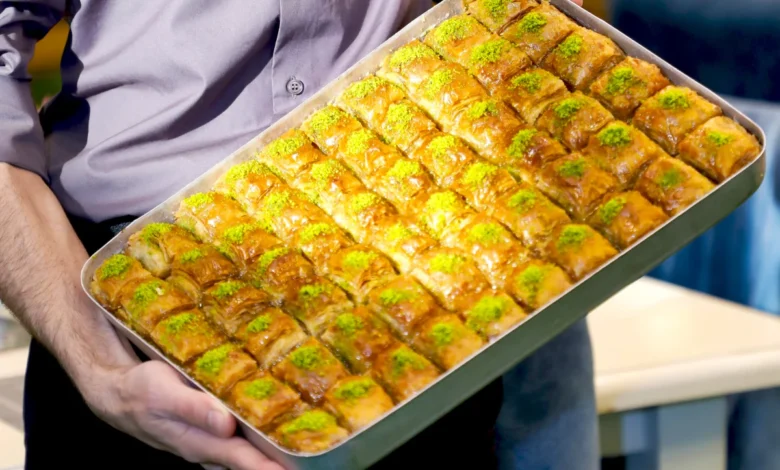
In the bustling, high-stakes environment of New York City’s street-vending economy, few stories have captured the public imagination quite like that of 30-year-old Jacob Komarow. Known widely as the "Baklava Guy," Komarow has transformed a modest, unconventional side hustle into a burgeoning enterprise that navigates the intersection of digital virality, street-level guerrilla marketing, and traditional supply chain management. His company, Good Baklava, currently operates without a traditional brick-and-mortar storefront, instead leveraging a nomadic business model that relies on mobile distribution, social media engagement, and strategic event partnerships.
The Origins of a Sweet Venture
The genesis of Good Baklava traces back to September 2021, a period defined by a blend of spontaneity and necessity for Komarow. Following a personal journey that involved overcoming drug addiction—a process he began in 2021—Komarow was looking for ways to structure his life and build a sustainable future. The business concept emerged during a road trip to a Phish concert in California. After purchasing three trays of pre-made baklava from a Middle Eastern grocer, he entered into a lighthearted wager with a friend regarding his ability to resell the pastries to concertgoers.
The success of that initial experiment was immediate. By selling the entire inventory at a significant profit, Komarow recognized a latent market demand for high-quality, artisanal snacks in event-heavy environments. This discovery transitioned from a concert-specific side hustle into a more disciplined pursuit over the subsequent three years. During this time, Komarow refined his procurement process, eventually sourcing authentic, high-quality baklava directly from a supplier in Gaziantep, Turkey. This partnership, initiated after a chance encounter with a Turkish vendor in Paterson, New Jersey, in the spring of 2022, secured a consistent, high-end inventory that became the hallmark of his brand.
Chronology of a Digital Explosion
While Komarow spent years building his brand through grassroots efforts in city parks and at festivals, the company’s trajectory shifted dramatically in mid-2024. A series of social media videos, particularly those documenting his presence outside Madison Square Garden during the Knicks playoffs, served as a catalyst for national attention.
The viral nature of these interactions—characterized by Komarow offering free samples to enthusiastic fans—caught the attention of major media outlets. A profile in The New York Times in June 2026 acted as a turning point, propelling Good Baklava from a local novelty to a recognizable brand. Following this coverage, Komarow reported an influx of interest from corporate entities seeking partnerships, effectively validating his unconventional business model in the eyes of the broader commercial sector.
Financial Performance and Market Data
The fiscal health of Good Baklava reflects the volatile yet potentially lucrative nature of the mobile food industry. According to reports, the company has generated average monthly sales of approximately $20,000 over a recent nine-month period. However, these figures are subject to significant seasonal fluctuations.
For instance, the business realized its most successful month in December 2025, recording nearly $70,000 in sales driven by the high demand of the holiday gifting season. Conversely, the following month saw a sharp contraction, with revenue falling below $10,000. This disparity highlights the challenges inherent in a business model that lacks the consistent foot traffic of a permanent location. To mitigate these dips, Komarow has utilized an e-commerce platform where a 12-pack of baklava retails for approximately $30, providing a buffer against the unpredictability of on-the-street sales, where three pieces typically fetch between $10 and $15.
Strategic Partnerships and Corporate Integration
The recent pivot toward corporate partnerships represents the next phase of maturity for Good Baklava. By collaborating with established brands such as US Mobile and Acme Smoked Fish, as well as various local and national restaurant chains, Komarow has moved beyond individual street transactions.
These partnerships serve two primary functions: they provide a steady revenue stream and they enhance the brand’s legitimacy. Industry analysts suggest that these collaborations allow the business to leverage the existing audience of established brands, effectively lowering the cost of customer acquisition. For a company that has relied entirely on organic growth and social media engagement, these corporate alliances represent a significant evolution in strategy.
The Intersection of Recovery and Entrepreneurship
A crucial element of the narrative surrounding Jacob Komarow is his personal history. Having struggled with substance abuse in his youth, his path to sobriety and professional success is a central theme in his public persona. Now over five years sober, Komarow credits the discipline required to maintain his business as a vital component of his personal recovery.
His story resonates with a growing demographic of modern entrepreneurs who prioritize flexibility and personal agency over traditional employment structures. By "showing up" in the literal sense—engaging directly with New Yorkers and capitalizing on the unique, high-energy culture of the city—Komarow has managed to carve out a niche that traditional retailers often overlook.
Analysis: Implications for Street-Level Retail
The success of Good Baklava provides a compelling case study for the future of urban retail. As commercial real estate prices in major cities like New York continue to reach record highs, the "roaming" business model offers a viable alternative for small-scale entrepreneurs.
- Low Overhead: By eliminating the need for a permanent storefront, Komarow minimizes fixed costs such as rent, utilities, and long-term lease obligations.
- Dynamic Adaptation: The ability to move to where the crowds are—whether that be a basketball game, a park, or a music festival—allows for a highly elastic supply chain that tracks with consumer demand.
- Brand as Experience: In the modern retail landscape, the "experience" of purchasing is as important as the product itself. Komarow’s interaction-heavy sales approach creates a memorable brand experience that is highly shareable, fueling the digital word-of-mouth that sustains the business.
However, the model is not without risks. Regulatory hurdles regarding street vending permits, health department compliance for food handling, and the physical toll of transporting inventory are significant barriers. Furthermore, the reliance on social media virality can be fickle; sustaining brand relevance requires consistent innovation and high-quality product delivery.
Looking Ahead
As Good Baklava continues to navigate its growth, the question of long-term scalability remains. Whether the brand will eventually transition to a permanent location or continue its nomadic, pop-up-centric strategy is a decision that will likely define its future. For now, Komarow remains focused on his core competency: delivering high-quality, authentic Turkish pastries to the people of New York.
"I don’t think this company could have ever survived anywhere else besides New York City," Komarow noted in recent discussions, emphasizing the symbiotic relationship between his business and the city’s unique cultural landscape. By remaining responsive to customer feedback and continuing to iterate on his sales tactics—a process he describes as "five years of careful testing"—the Baklava Guy has successfully translated an impulsive decision into a sustainable, growing enterprise.
The trajectory of Good Baklava serves as a reminder that even in the most saturated markets, there remains space for innovation driven by persistence, direct consumer engagement, and the willingness to adapt to the changing rhythms of urban life. As the company continues to secure new partnerships and expand its reach, the "Baklava Guy" serves as a modern emblem of the American entrepreneurial spirit—built one tray at a time.