The Ultimate Guide to Mastering Substack: Strategy, Setup, and Growth in the Modern Creator Economy

The digital publishing landscape continues to undergo a profound transformation, moving away from algorithmic social media feeds and toward direct-to-consumer models like newsletters and curated communities. Central to this shift is Substack, a publishing platform that has redefined how independent writers, journalists, and media organizations distribute content and monetize their expertise. Having managed Buffer’s flagship publication, The Weekly Scroll—which recently surpassed 92,000 subscribers—publishing executives have gained crucial insight into the platform’s mechanics through daily, hands-on operation. This comprehensive analysis outlines the architectural framework of Substack, offering a strategic blueprint for setup, content strategy, audience acquisition, and monetization.

Understanding Substack: Platform Architecture and Mechanics
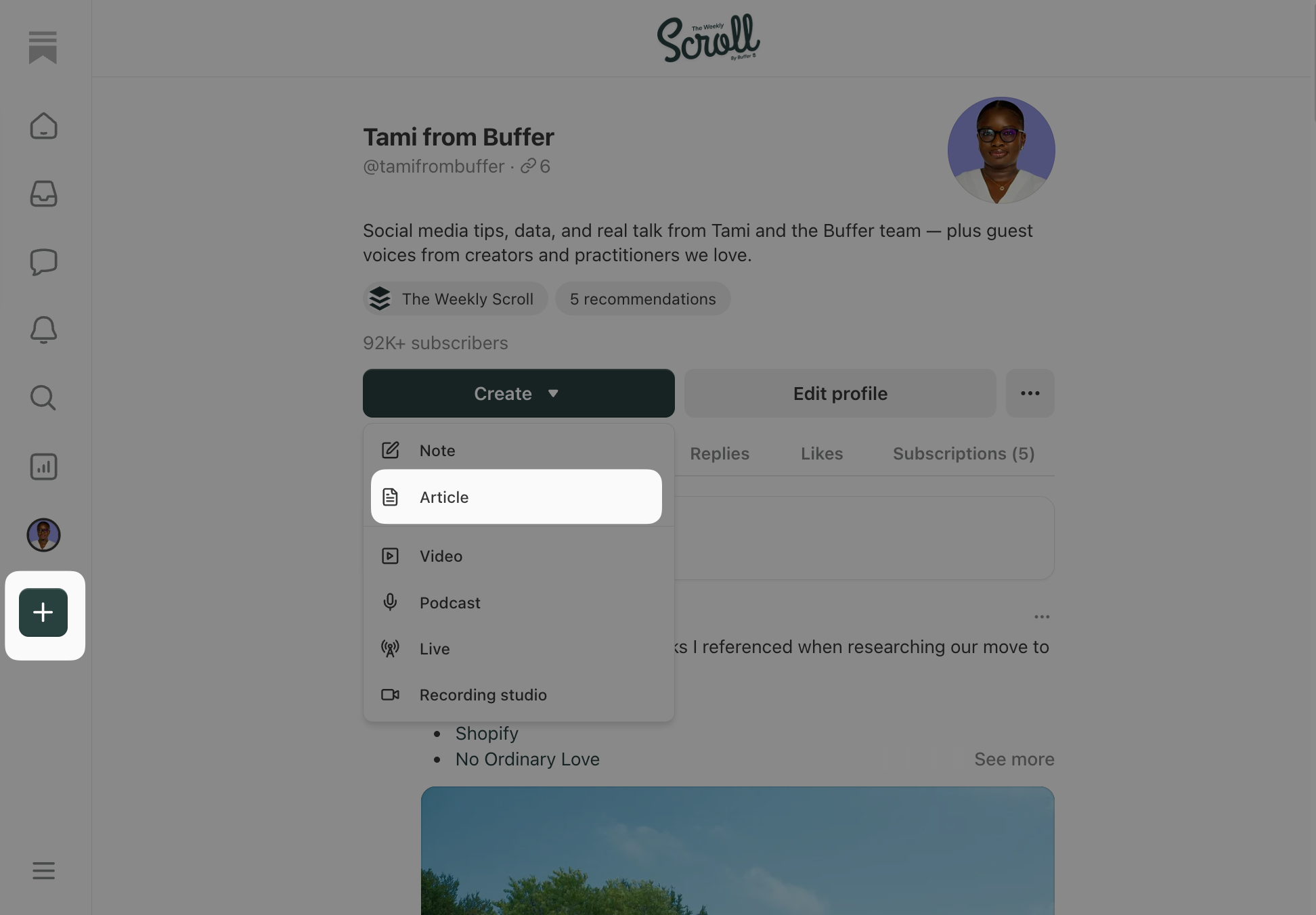
Substack operates at the intersection of traditional email marketing and modern social networking. At its core, the platform allows writers to publish long-form posts and distribute them directly to subscribers’ email inboxes at no cost, with built-in infrastructure for optional paid subscriptions. Unlike traditional mailing list providers, Substack functions as an integrated ecosystem comprising an independent website, a public content archive, and an active discovery application featuring the short-form social feed known as Notes.

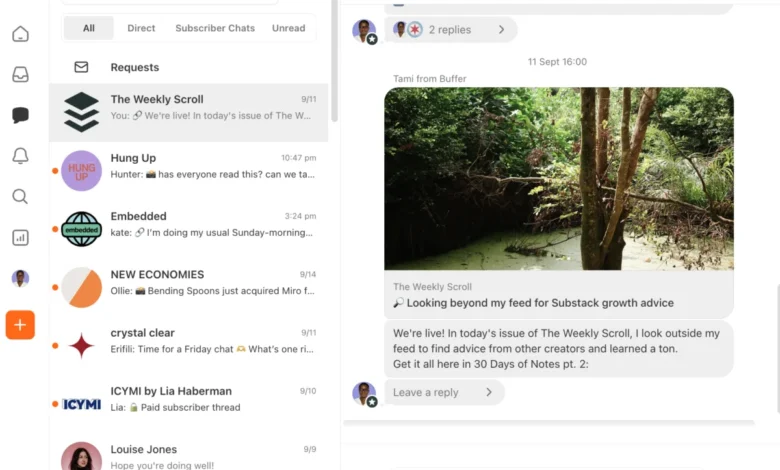
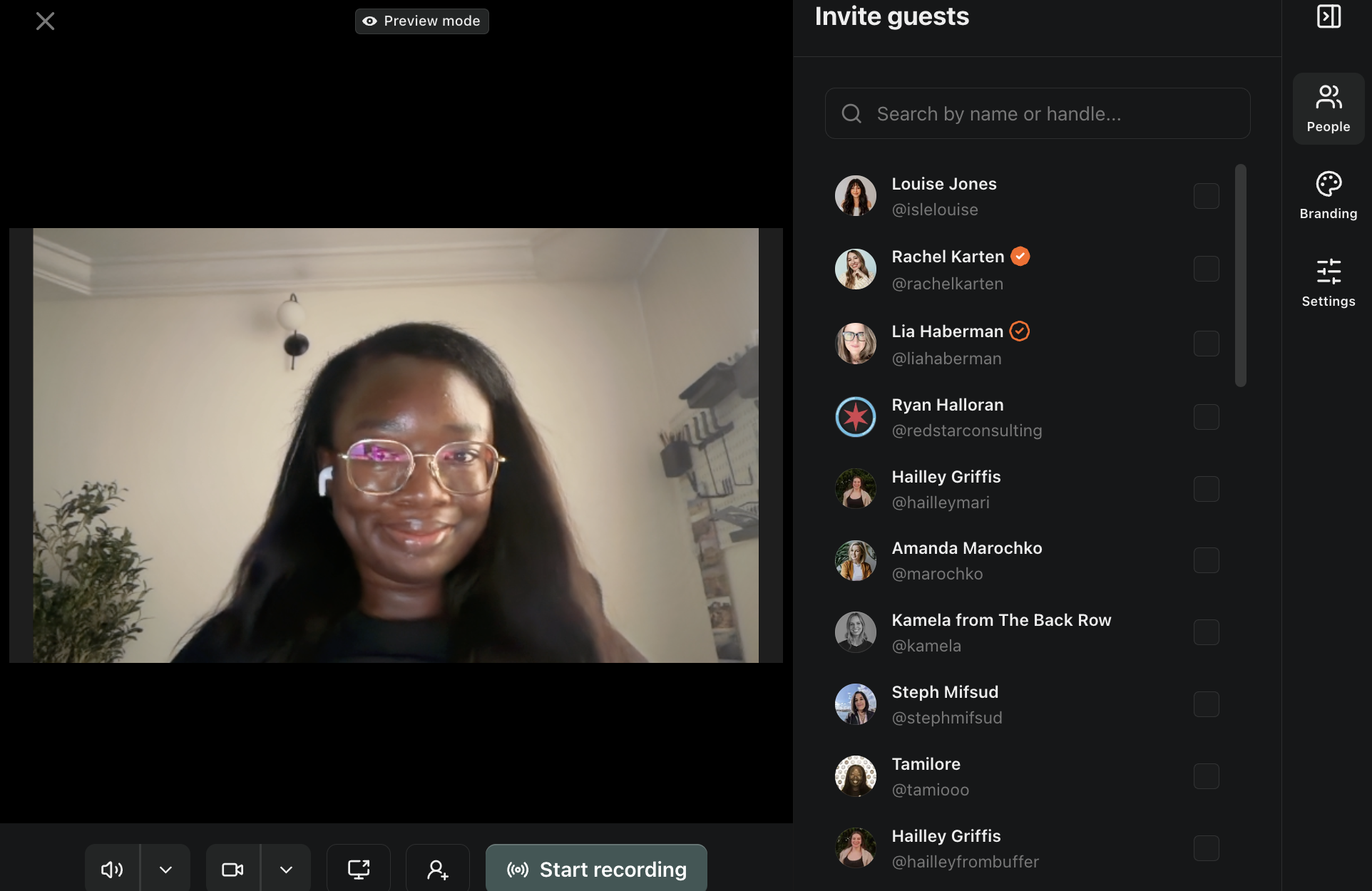
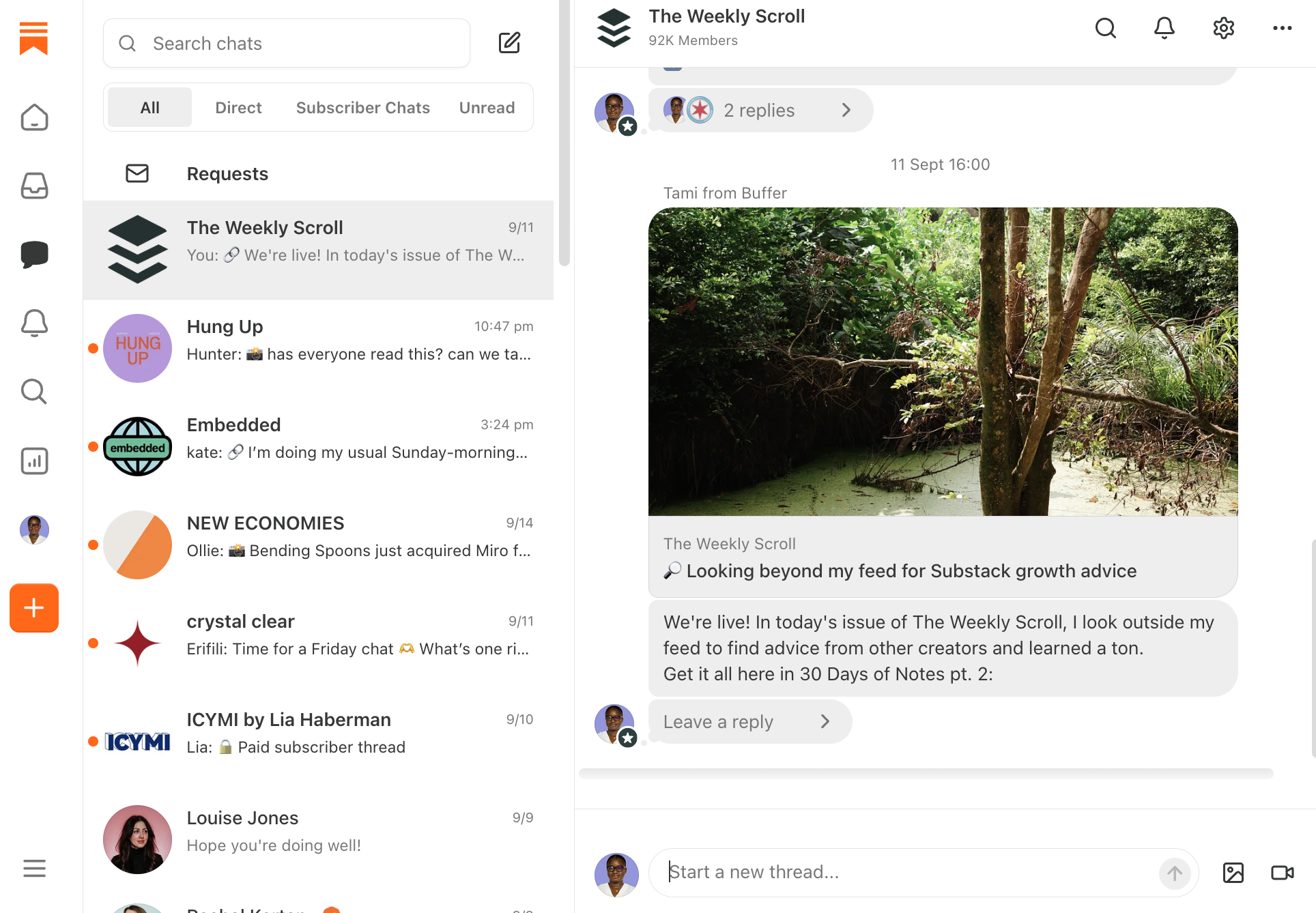
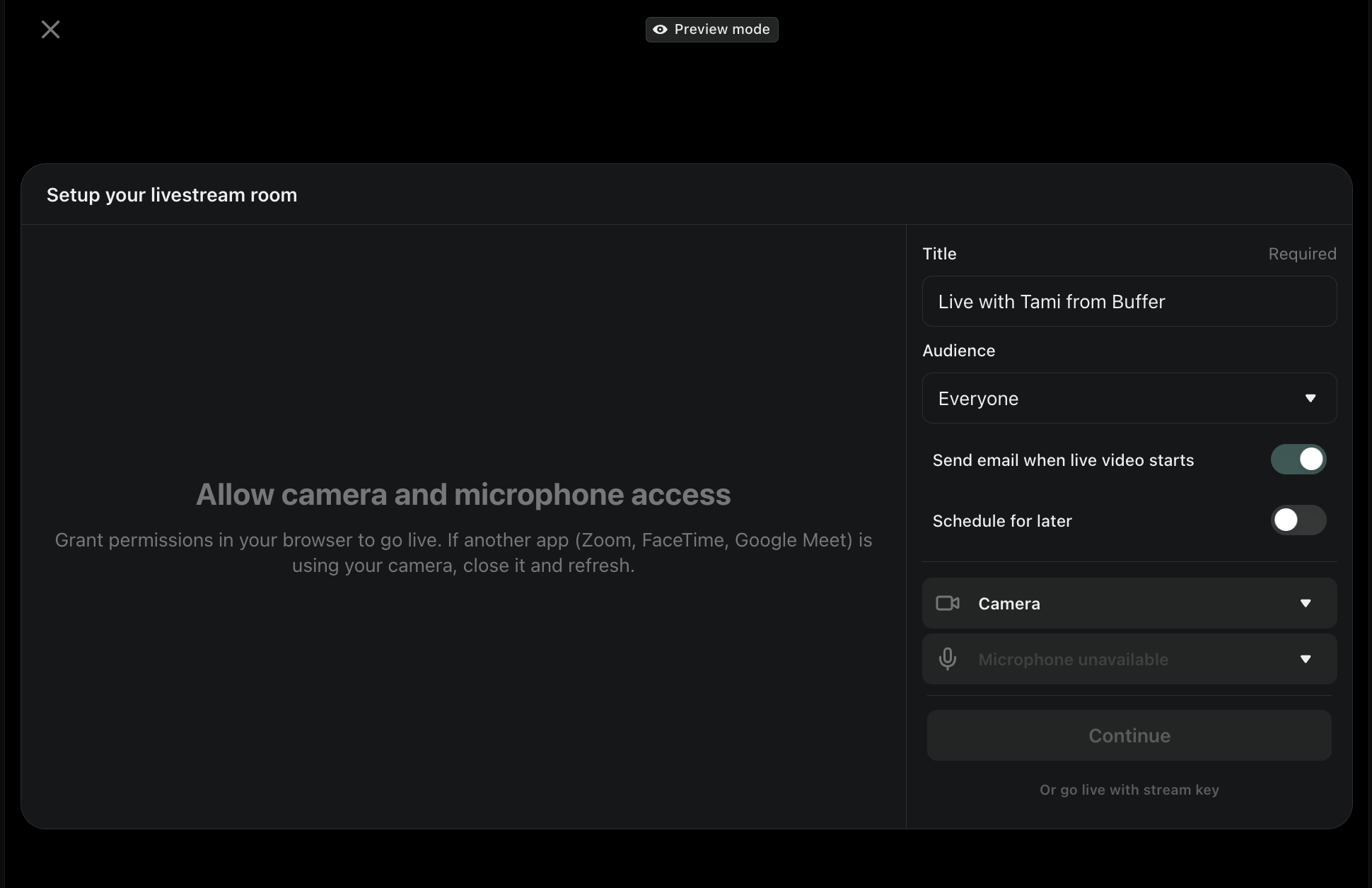
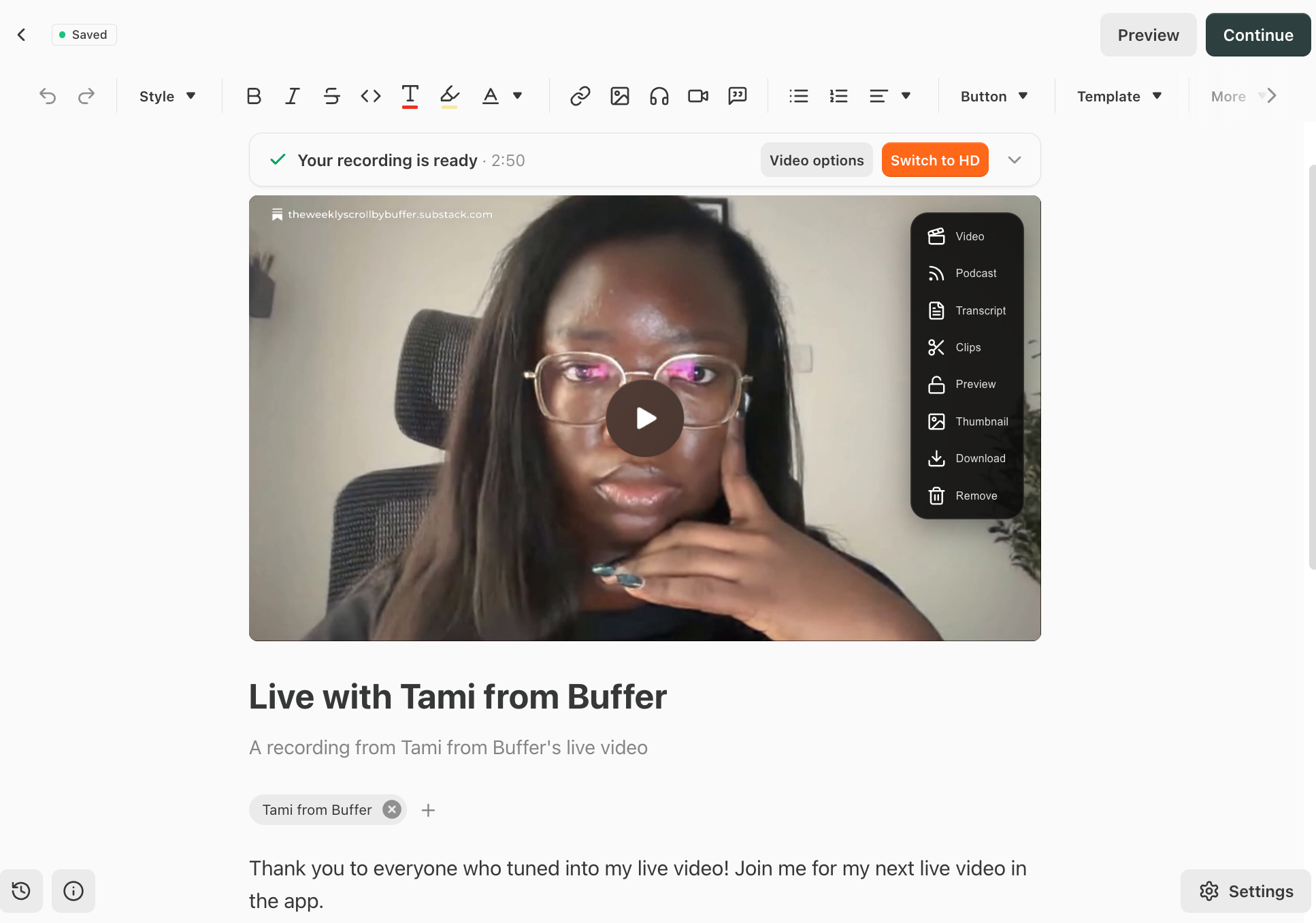
To fully leverage the platform, publishers must understand its four primary content surfaces: Posts, Notes, Chat, and Live. Posts remain the foundational medium, supporting long-form writing, integrated audio podcasts with native RSS generation for distribution on platforms like Apple Podcasts and Spotify, and direct video uploads. Video infrastructure has evolved significantly, incorporating recording studios and automated transcription services, alongside automated syndication to YouTube and the generation of short-form vertical clips.
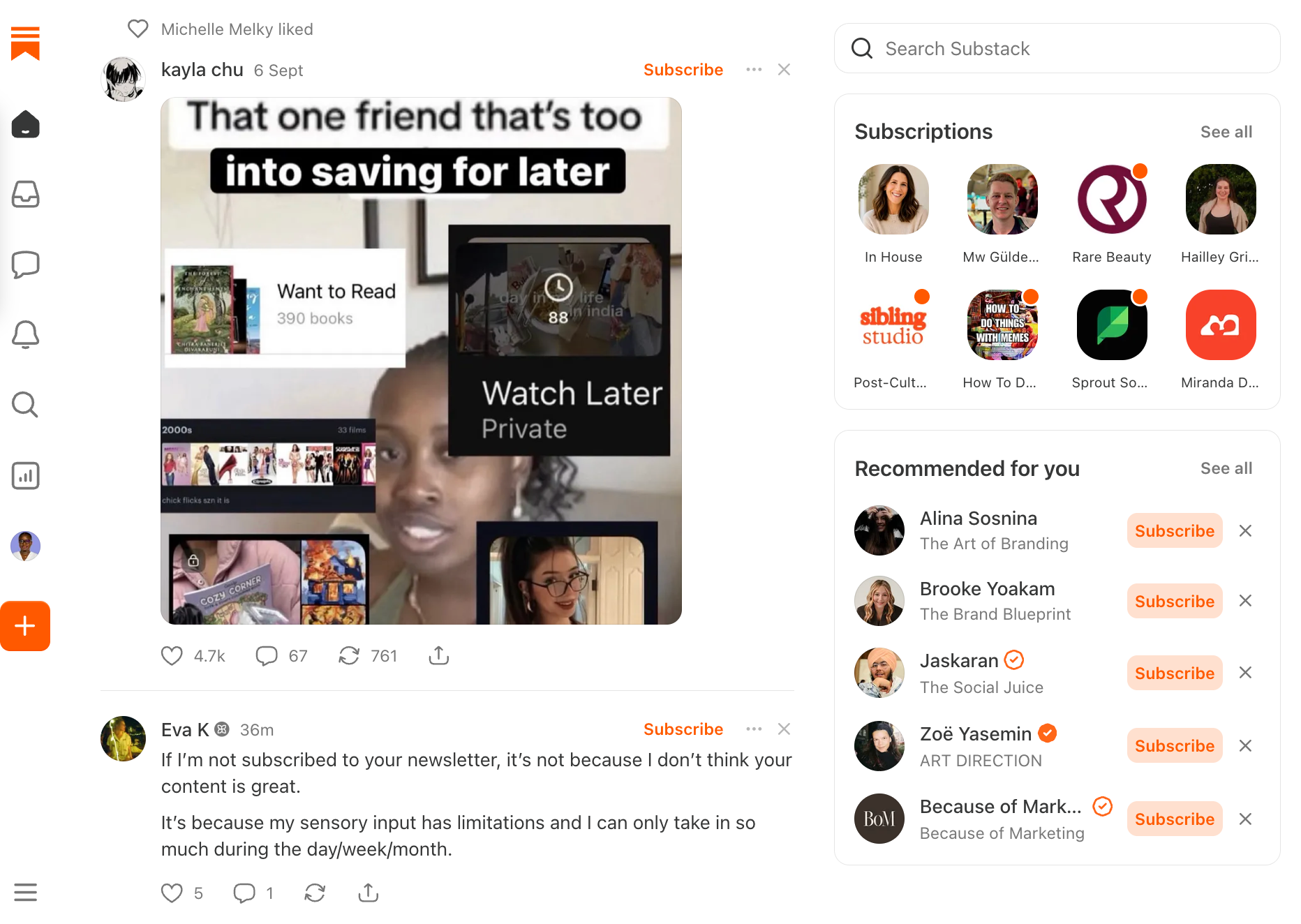
The short-form ecosystem centers on Notes, a public feed resembling microblogging platforms where users can share text, images, GIFs, and videos up to five minutes in length. This surface acts as the primary engine for organic discovery, exposing creators to readers who do not yet follow their publication. Meanwhile, Chat and Live facilitate community engagement through subscriber-only group discussions, direct messaging, and interactive video streaming.
Subscribers versus Followers: The Audience Dichotomy
A critical distinction within the Substack ecosystem lies between subscribers and followers. Subscribers represent individuals who receive publication updates via email and maintain access to gated community features and paid archives. Conversely, followers interact exclusively through the application interface, consuming Notes and short-form media without receiving direct email dispatches.
This separation dictates growth strategies. While followers help amplify content within the application’s internal network, the ultimate objective remains converting followers into subscribers. Unlike social media audiences tied to proprietary algorithms, subscriber lists are fully exportable assets owned entirely by the creator, ensuring long-term audience retention and platform independence.
Step-by-Step Publication Setup and Infrastructure
Establishing a professional Substack publication requires careful foundational setup before releasing initial content. Rushing into publication without proper profile optimization can hinder early credibility when prospective readers arrive via organic discovery channels.
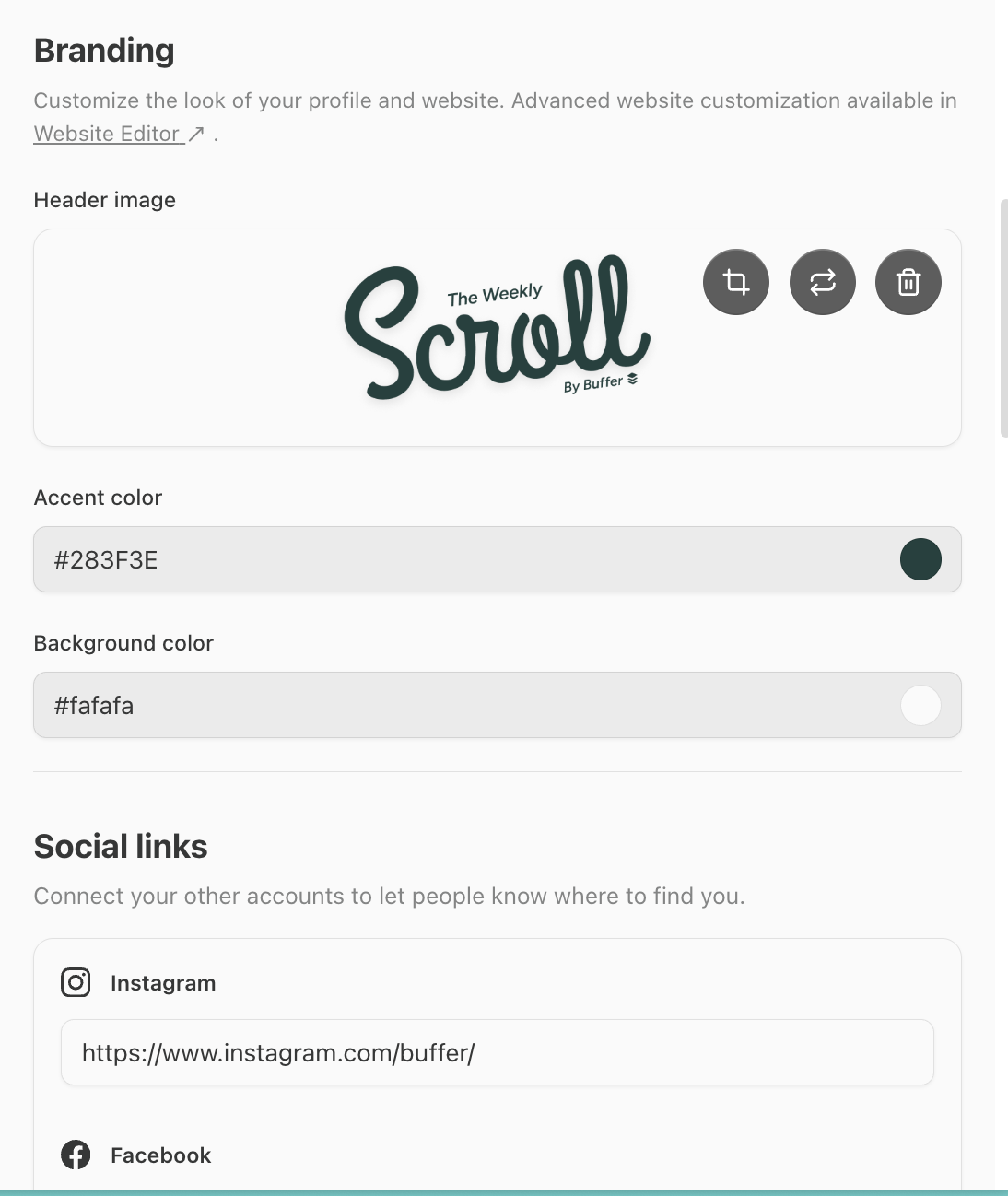
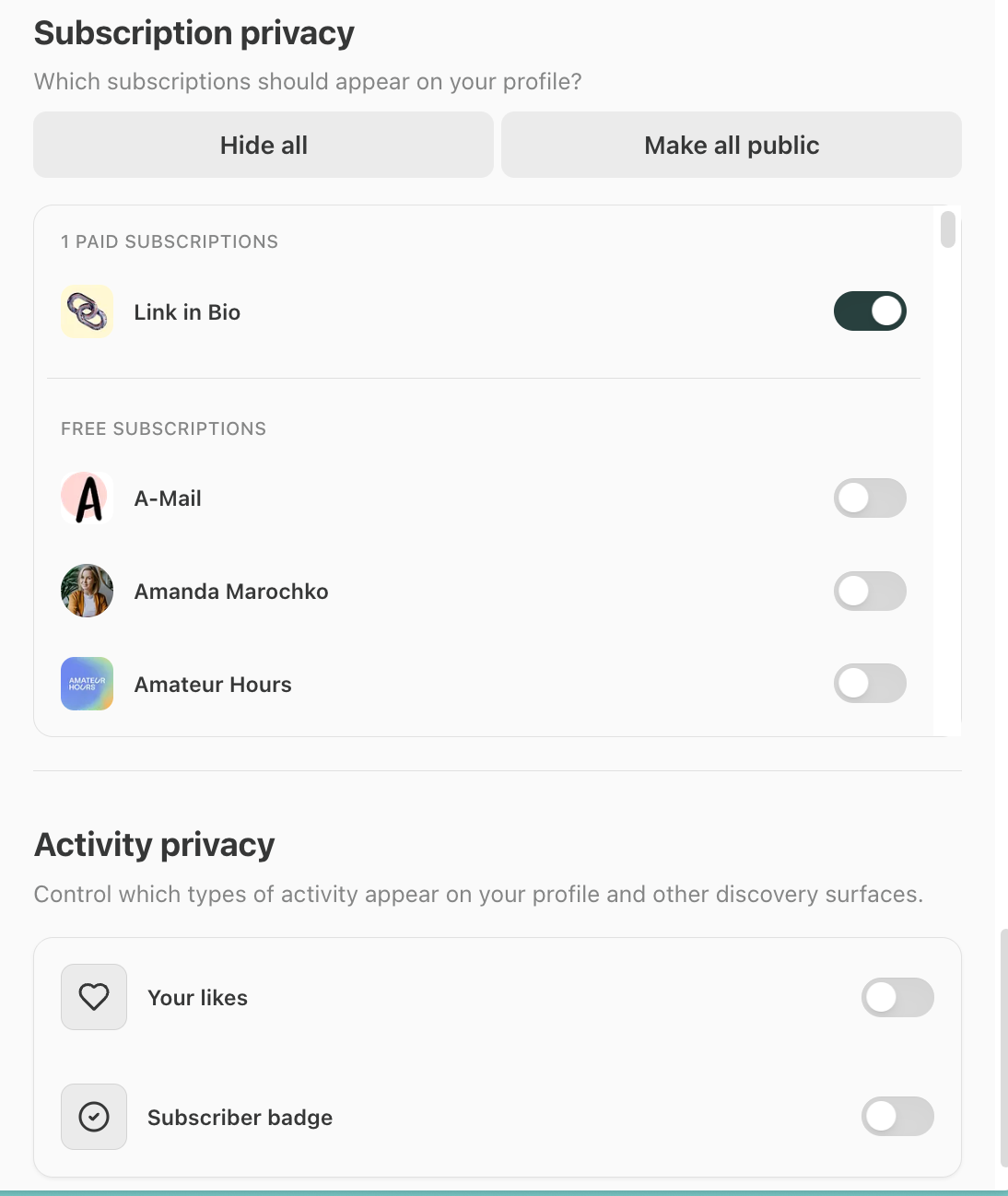
The setup process begins with comprehensive profile optimization. Creators must configure their author biography, profile imagery, and branding settings to establish an immediate professional identity. Additionally, managing subscription privacy settings to display supported publications enhances cross-promotion opportunities within the platform’s recommendation network.
Following profile completion, publishers must configure the core publication settings through the publisher dashboard. This includes defining the publication name, secure URL structure, visual branding, and layout preferences. Concurrently, creators should draft a robust welcome email—a crucial automated message delivered to new subscribers that establishes content expectations, outlines publishing frequency, and encourages reader replies to optimize email deliverability.
Even for creators launching entirely free publications, integrating Stripe as a payment processor is strongly advised. Setting up financial infrastructure in advance prevents administrative friction when transitioning to paid tiers. However, creators must verify regional availability, as Stripe and Substack’s paid subscription features remain restricted in certain jurisdictions.
Content Strategy: Niche Selection, Formatting, and Consistency
Developing a sustainable content strategy requires balancing audience demand with creative longevity. Successful publications typically adhere to a well-defined niche, a consistent publishing rhythm, and a distinct editorial voice. While hyper-specific categorization is not mandatory at inception, establishing a clear thematic focus enables prospective subscribers to immediately understand the value proposition of the newsletter.
Format selection varies widely across successful creators, ranging from analytical deep dives and curated weekly roundups to highly visual design essays and practical tutorials. Regardless of the format chosen, maintaining a predictable publishing schedule is vital. Industry data indicates that a weekly cadence represents the optimal balance for long-form output, preventing creator burnout while maintaining reader engagement. Furthermore, integrating basic search engine optimization (SEO) practices—such as setting custom metadata and utilizing proper categorization—enhances discoverability across traditional search engines.
Growth Mechanics and Organic Discovery

Unlike traditional web-based media, Substack’s growth model relies heavily on internal platform mechanics rather than external search traffic. The platform’s Recommendation network, wherein established publishers endorse complementary newsletters, serves as the primary driver of rapid subscriber acquisition.
Simultaneously, active participation in the Notes ecosystem accelerates organic visibility. Creators who consistently publish short-form insights, engage in community discussions, and utilize cross-platform promotion typically experience higher conversion rates from casual readers to dedicated subscribers.
Monetization Models and Financial Implications
Substack offers a flexible monetization framework that allows creators to introduce paid tiers whenever appropriate. When enabled, creators can place specific posts, archives, audio episodes, or community chat threads behind a paywall, offering free previews to non-paying subscribers.
From a financial perspective, Substack retains a 10 percent revenue share on all paid subscriptions. In addition, Stripe applies standard transaction processing fees, which include a percentage-based fee and a fixed per-transaction charge, alongside minor billing fees introduced for newer accounts. Despite these platform deductions, the model offers creators a high margin relative to traditional ad-supported publishing networks.
Implications for the Modern Media Landscape
The rapid expansion of Substack highlights a broader economic shift toward creator-led media enterprises. By consolidating content distribution, community building, and financial processing into a single utility, the platform has lowered the technical barriers associated with launching independent publications.
Industry analysts note that as traditional media organizations face declining advertising revenues and algorithmic volatility, subscription-backed micro-publishers offer a resilient alternative. By prioritizing direct reader relationships and high-engagement communication channels, independent creators are successfully building sustainable, highly targeted media businesses in an increasingly fragmented digital economy.
Related posts: