Why Processes Are The Critical Infrastructure For Business Scalability and Operational Integrity

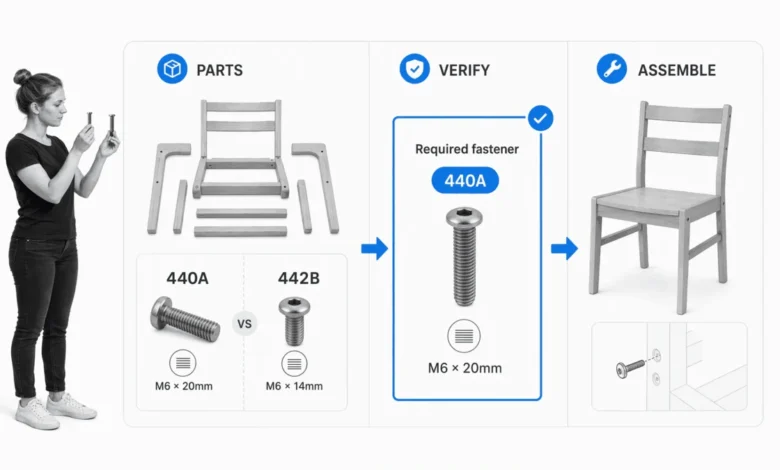
In the modern enterprise, the difference between a high-growth organization and a collapsing venture often resides in the maturity of its operational processes. Far from being mere bureaucratic hurdles, well-architected processes serve as the fundamental connective tissue that transforms institutional knowledge into repeatable, scalable, and auditable success. When a business lacks defined workflows, it inadvertently forces its workforce to rely on individual memory, intuition, and sheer luck—variables that inevitably fail under the pressure of rapid scaling, staff turnover, or technological integration.
The Anatomy of Operational Failure
The transition from a startup to a mature enterprise is frequently characterized by the shift from informal communication to formal, process-driven governance. Without documentation, institutional knowledge remains siloed within the minds of key employees. When these individuals depart or when a company attempts to introduce automation, the lack of a standardized operating procedure results in cascading inefficiencies.
The consequences of this "knowledge fragmentation" are not merely anecdotal; they are documented in the annals of industrial and corporate history. The most catastrophic failures in history, such as the loss of the NASA Mars Climate Orbiter in 1999, provide a stark case study in the dangers of process misalignment. In that instance, the $125 million spacecraft was lost because of a simple, preventable error: one team used imperial units of measurement, while another utilized metric units. The subsequent investigation by NASA revealed that the failure was not due to a lack of engineering talent, but a lack of a rigorous, cross-departmental verification process. The software interface requirements were known, but the operating system of the organization failed to force compliance with those requirements.
Chronology of Systemic Risk
The failure of the Mars Climate Orbiter serves as a foundational lesson in organizational risk. On September 23, 1999, the orbiter entered the Martian atmosphere at an altitude of approximately 57 kilometers instead of the intended 140 kilometers. The spacecraft disintegrated due to atmospheric stresses. The post-mortem report highlighted a critical breakdown in communication protocols between Lockheed Martin Astronautics, which provided the thruster performance data in pound-force seconds, and the NASA Jet Propulsion Laboratory, which expected the data in newton-seconds.
This error was not an isolated technical glitch; it was a failure of the "systemic checklist." In business, this mirrors the risk found in complex compliance environments. The 2017 scandal involving Zenefits, an HR software provider, offers a contemporary example of process manipulation. The company utilized an internal software program, ironically dubbed "the Macro," to bypass mandatory state-regulated training hours for insurance brokers. By automating a system that falsely recorded training time, the organization bypassed legal guardrails. The SEC found that the company’s internal controls were not merely weak—they were designed to provide the appearance of compliance while actively subverting the underlying regulatory requirements.
Data-Driven Perspectives on Human Error
Philosophical and academic frameworks, most notably those explored by Atul Gawande in The Checklist Manifesto, suggest that human error in high-stakes environments generally stems from two sources: ignorance and ineptitude. Ignorance occurs when we lack the scientific knowledge to prevent an outcome, while ineptitude occurs when the knowledge exists, but we fail to apply it correctly.
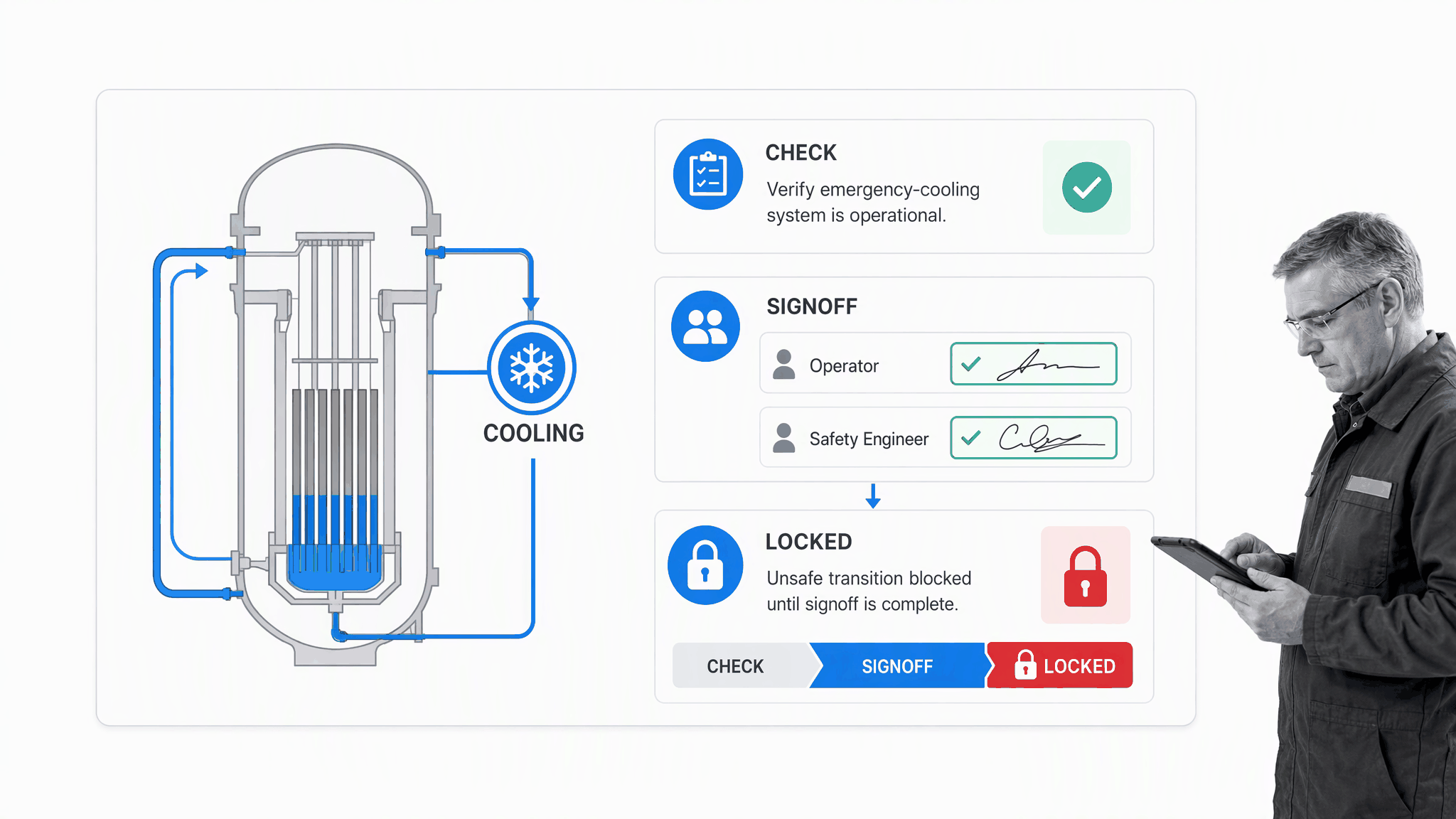
In a corporate setting, the primary objective of a process is to eliminate ineptitude. Research by the International Atomic Energy Agency (IAEA) into the 1986 Chernobyl disaster underscores this point. The accident was not the result of a single operator error, but a systemic failure where design defects, poor communication of hazards, and a lack of redundant safety protocols converged. The IAEA report concluded that high-risk operations require more than just documentation; they require a "safety culture" enforced by:
- Independent verification: Ensuring that no single individual has the sole authority to bypass safety gates.
- Escalation paths: Clearly defined triggers for when a process must be halted due to anomalous data.
- Evidence-based handoffs: Requiring proof of completion at each stage of a workflow to ensure accountability.
The Business Case for Process Governance
For the modern CEO or operations manager, the implementation of formal processes provides three distinct competitive advantages: consistency, scalability, and resilience.
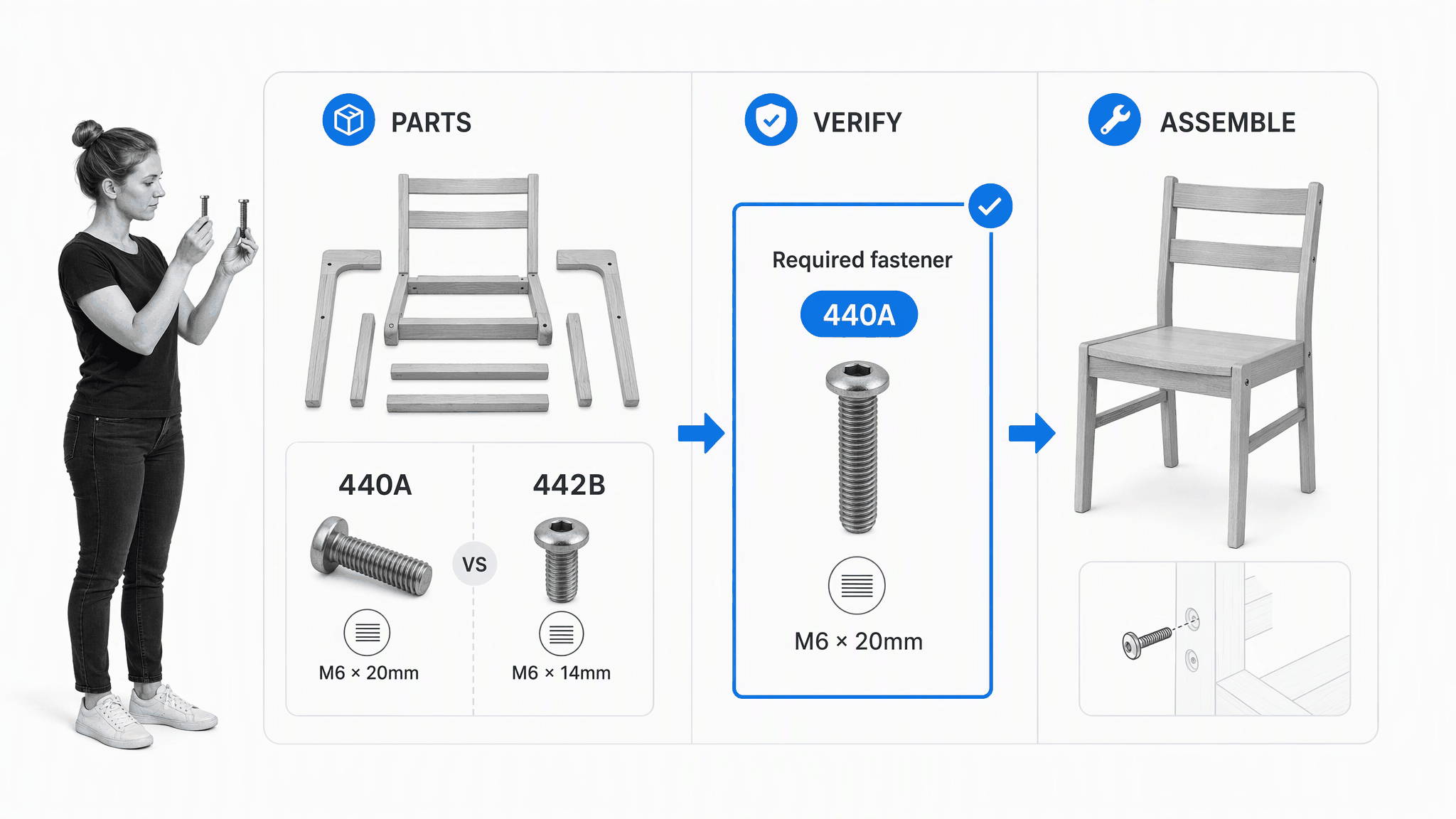
Consistency is achieved when the outcome of a task is no longer dependent on the specific employee performing it. When instructions are codified, the quality of output becomes a function of the process, not the individual. This is particularly vital for organizations integrating AI agents into their workflows. AI, while efficient, operates within the strict parameters defined by the developer. Without a clear, documented process, an AI agent lacks the necessary guardrails to handle edge cases or to identify when a specific action violates compliance standards.
Scalability relies on the ability to transfer knowledge rapidly. When a business is small, the founder can oversee every transaction. As the business grows to 50, 500, or 5,000 employees, the "founder-as-a-filter" model becomes the primary bottleneck. Documented workflows allow for the onboarding of new talent without the loss of operational integrity.
Resilience is the final, and perhaps most important, benefit. In an era of global supply chain disruptions and shifting labor markets, a company that relies on the "heroics" of a few key individuals is inherently fragile. If those individuals leave, the knowledge leaves with them. A maintained workflow, however, ensures that the business remains operational regardless of personnel changes.
The Methodology of Continuous Improvement
The creation of a process is not a "set-and-forget" exercise. It is a dynamic loop. Organizations must view their process library as a living document that requires periodic review and refinement. The following framework is recommended for businesses seeking to formalize their operations:
- Cataloging: Identify the most critical, high-frequency recurring tasks.
- Mapping: Document the actual steps taken, identifying the current owners, the necessary inputs, and the required evidence of completion.
- Testing: Execute the process and observe where it diverges from reality. If the process is ignored, it is usually because it is either too complex or misaligned with the actual workflow.
- Refinement: Implement a review cycle where team members can flag bottlenecks or outdated instructions.
The goal is not to eliminate human judgment but to reserve it for where it is most needed. By automating the routine and codifying the standard, employees are freed to solve the non-routine, high-value problems that actually drive business growth.
Implications for Future-Proofing
As we look toward the future of work, the integration of specialized platforms—such as Process Street—becomes essential for translating static documentation into executable workflows. By embedding approvals, automation, and real-time evidence tracking into the daily operations of a company, leaders can transform a "forgotten document" into a "governed workflow."
The cost of failing to implement such structures is high. When an organization suffers a data breach, a compliance fine, or a failed product launch, the post-mortem almost always reveals that the "instructions" were either missing, ignored, or impossible to follow. In the final analysis, the difference between a successful project and a disaster often comes down to the visibility of the path taken. If an organization cannot see its own workflow, it cannot measure its performance, and if it cannot measure, it cannot improve. The era of the "unmanaged business" is drawing to a close; the era of the process-governed enterprise is the current standard for resilience.