
The mid-morning energy slump—typically manifesting around 10:15 a.m.—is a near-universal experience among modern professionals, yet it is rarely treated as a physiological consequence of dietary choice. While many attribute this premature hunger to a lack of willpower or an overly demanding schedule, nutritional science suggests the culprit is an imbalance of macronutrients in the first meal of the day. Modern breakfast habits, frequently dominated by high-glycemic carbohydrates, lack the structural components necessary to regulate glucose levels and hunger hormones effectively. To move beyond the cycle of mid-morning lethargy, one must transition from reactive eating to a strategic, science-backed approach centered on protein, fiber, and healthy fats.
The Physiological Basis of Satiety
The biological mechanism behind hunger is complex, involving a delicate interplay between blood glucose, insulin, and satiety hormones such as ghrelin and leptin. When an individual consumes a breakfast composed primarily of refined sugars or simple carbohydrates—such as sweetened cereals, pastries, or white toast—the body experiences a rapid spike in blood glucose. In response, the pancreas releases insulin to shuttle that glucose into the cells. This process is often followed by a "reactive hypoglycemia" or a blood sugar crash, which triggers the brain to demand more fuel, manifesting as intense hunger and diminished cognitive focus.

Research from Harvard Health Publishing emphasizes that protein is the most satiating macronutrient. Unlike carbohydrates, which are broken down rapidly, protein requires more complex digestive processes and actively signals the brain to suppress appetite. When protein is paired with fiber—the indigestible component of plant foods that slows gastric emptying—and healthy fats, the result is a sustained release of energy. This "satiety trio" effectively acts as a metabolic buffer, preventing the rapid glucose fluctuations that characterize the typical modern breakfast.
The Evolution of the Breakfast Crisis
Historically, breakfast was a meal designed for sustenance, often consisting of leftovers or dense, whole-grain porridges. However, the mid-20th century saw a paradigm shift toward convenience. The rise of industrialized food production introduced highly processed, shelf-stable breakfast items marketed for their speed rather than their nutritional density. This shift fundamentally altered the standard morning intake, prioritizing convenience at the cost of long-term metabolic health.
By the early 2000s, clinical studies began to correlate this shift in dietary patterns with rising rates of metabolic syndrome and obesity. Data from the National Institutes of Health (NIH) indicates that breakfast composition significantly influences caloric intake for the remainder of the day. A seminal study found that subjects who consumed an egg-based breakfast reported higher satiety levels and lower caloric intake during lunch compared to those who consumed a cereal-based breakfast of equal caloric value. This data provides a clear mandate: the composition of the meal is as important as the calorie count.

Strategic Macronutrient Integration
To achieve sustained energy, nutritional guidelines suggest that a breakfast should contain between 20 and 25 grams of protein. Achieving this threshold requires intentional selection of ingredients.
Animal-Derived Protein Sources
Eggs remain a gold standard in breakfast nutrition, providing approximately six grams of high-quality protein per large egg, alongside choline and healthy fats. When integrated into a meal with complex carbohydrates, such as whole-grain bread or sautéed vegetables, they create a balanced nutritional profile. Other effective options include full-fat Greek yogurt, which, according to the USDA, provides upwards of 17 grams of protein per cup, and fatty fish such as smoked salmon, which offers essential omega-3 fatty acids that support cardiovascular health.
Plant-Based Strategies
The assumption that high-protein breakfasts require animal products is increasingly challenged by modern plant-based research. Tofu, when prepared as a scramble, offers a soy-based protein alternative that contains all nine essential amino acids. Furthermore, the inclusion of chia seeds and hemp hearts allows for significant fiber and omega-3 enrichment. A serving of chia pudding, prepared with plant-based milk, utilizes the fiber-heavy nature of chia seeds to provide a slow, sustained energy release that lasts well into the afternoon.

The Role of Lifestyle and Sleep
It is critical to note that nutrition does not exist in a vacuum. Recent investigations by the National Institutes of Health have highlighted the molecular ties between sleep deprivation and weight gain. Insufficient sleep disrupts the production of ghrelin—the hormone that signals hunger—and suppresses leptin, the hormone that signals fullness. Consequently, an individual may consume a nutritionally perfect breakfast and still experience hunger if their circadian rhythm is disrupted.
Professionals should consider the "satiety equation" to be a three-legged stool: diet, sleep, and activity levels. If an individual is consistently hungry by mid-morning despite a high-protein intake, the primary variable to adjust is often sleep hygiene rather than additional caloric intake.
Practical Implementation for the Busy Professional
For many, the barrier to a high-protein breakfast is time. However, the application of "batch cooking" can mitigate these constraints.
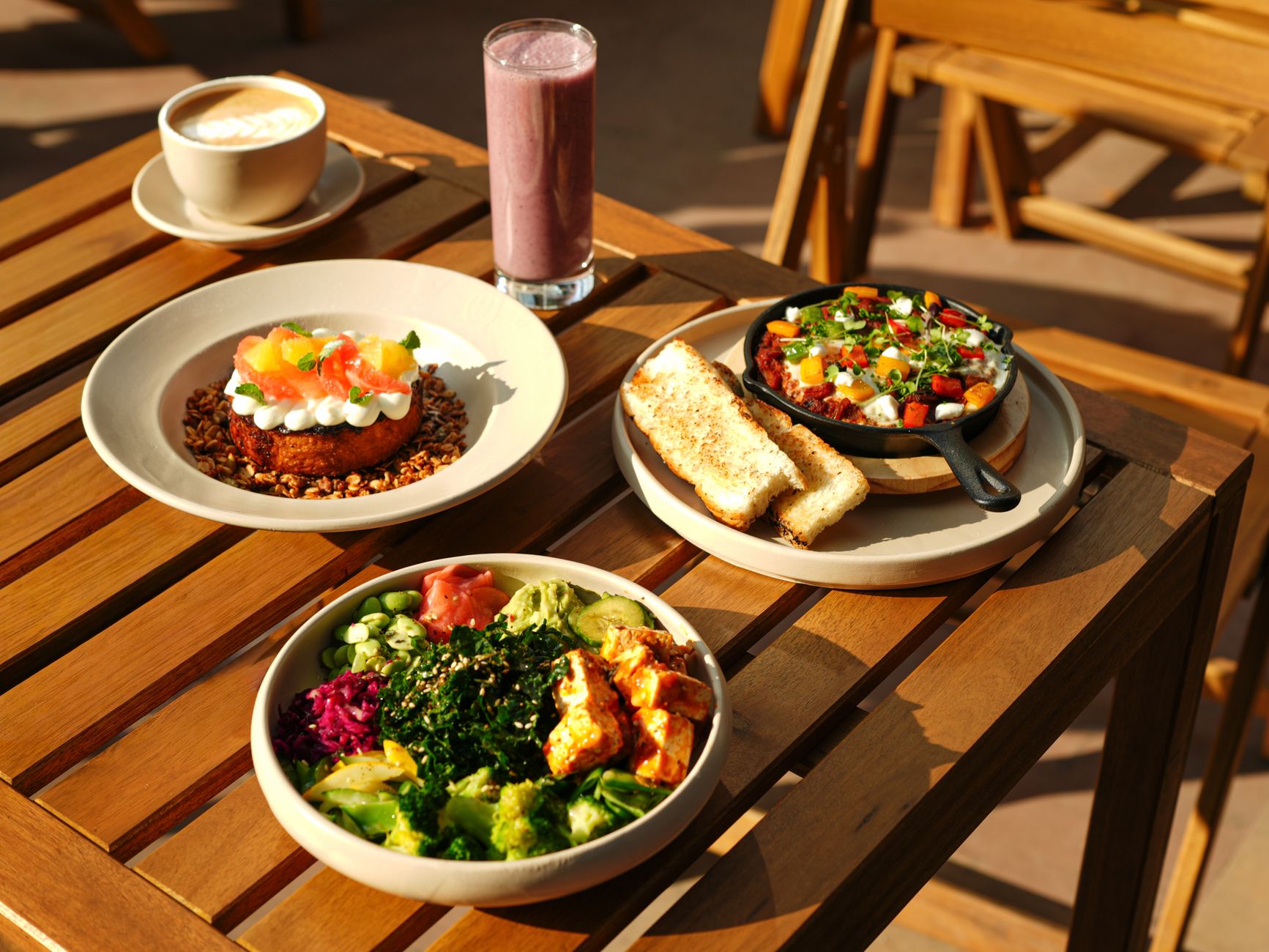
- Egg Muffins: By whisking eggs with fibrous vegetables (spinach, peppers, onions) and baking them in a muffin tin, individuals can create a refrigerated, grab-and-go meal that remains shelf-stable for up to four days.
- Overnight Oats: Utilizing rolled oats—which contain beta-glucan, a soluble fiber proven to slow digestion—mixed with chia seeds and nut butter, allows for a nutrient-dense meal that requires zero morning preparation.
- Protein Pancakes: A mixture of oats and eggs provides a sturdy, protein-rich pancake that can be frozen and reheated, offering a familiar comfort food profile without the glycemic impact of traditional flour-based versions.
Broader Implications and Future Outlook
The shift toward more substantial, protein-forward breakfasts has broader implications for workplace productivity and public health. A workforce that experiences fewer glucose crashes is, by definition, more cognitively alert and stable. The "mid-morning slump" is a productivity killer that manifests as increased trips to the vending machine and decreased task focus. By encouraging a shift in breakfast culture, employers and individuals alike can foster a more stable, efficient, and healthy environment.
Nutritionists and health organizations are increasingly advocating for "label literacy," encouraging consumers to look past marketing claims on packaging. Many "healthy" granola bars or flavored yogurts contain upwards of 20 grams of sugar while offering less than five grams of protein. These products represent a "snack masquerading as a meal." A transition to whole, unprocessed foods—even in simple combinations like cottage cheese on whole-grain toast—can serve as a preventative measure against the metabolic strain caused by processed sugars.
In conclusion, the mid-morning hunger cycle is a solvable problem. By prioritizing 20–25 grams of protein, incorporating soluble fiber, and ensuring adequate healthy fats, individuals can effectively reset their satiety hormones. While the modern food environment encourages quick, sugar-dense options, the evidence demonstrates that the most effective way to sustain focus and energy is to return to foundational nutritional principles. With a small amount of planning—whether through Sunday meal prep or simple 5-minute routines—the cycle of the 10:15 a.m. crash can be effectively eliminated, leading to better focus, improved metabolic markers, and sustained energy throughout the workday.