The Death of the Centralized Town Square: Jeff Atwood and the Tech Industry Reckoning with Post-Acquisition Twitter


The ongoing evolution of the modern digital landscape has prompted a profound reassessment of centralized social media architecture, catalyzed heavily by the tumultuous transition of the platform formerly known as Twitter under the ownership of billionaire entrepreneur Elon Musk. Longtime software developer, blogger, and Stack Overflow co-founder Jeff Atwood recently added his voice to a chorus of digital architects, technologists, and social commentators mourning the decline of what many once considered the internet’s default town square. Atwood’s reflections point to a broader, systemic realization within the technology sector: mega-platforms governed by the unilateral whims of corporate autocrats represent a fragile and fundamentally unhealthy medium for human discourse.

Background and Context of the Platform Transformation
To understand the current exodus from major centralized networks, observers must examine the structural shift that occurred in late 2022 when Elon Musk finalized his $44 billion acquisition of Twitter. Promoted initially as a crusade for absolute free speech and operational restructuring, the acquisition rapidly devolved into a series of erratic policy decisions, massive workforce reductions, and dramatic algorithmic overhauls.

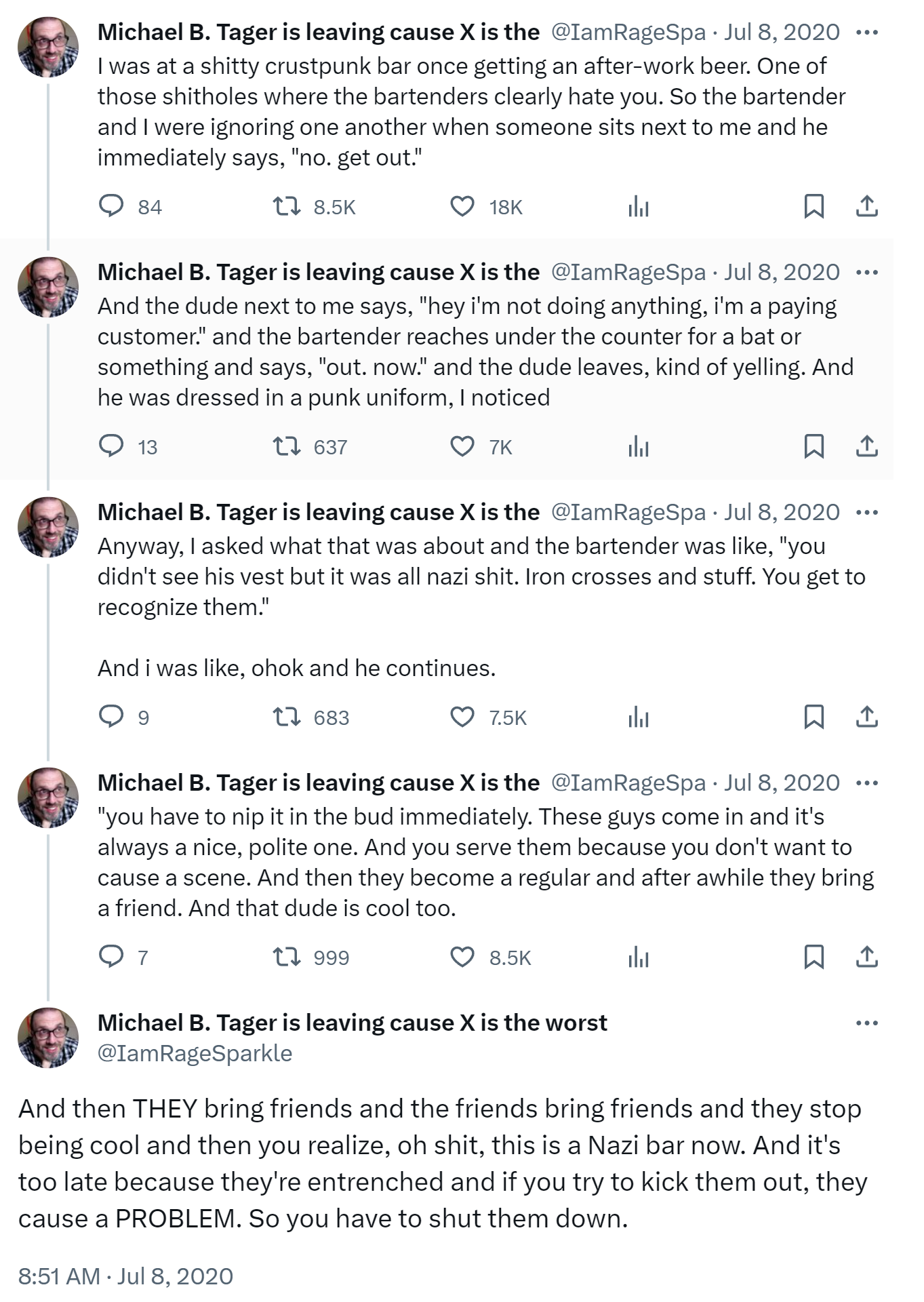
Industry veterans like Atwood, who maintained active engagement on the platform since 2007, watched as an infrastructure that once served as a vital, if occasionally chaotic, hub for global communication transformed into a battleground for polarizing rhetoric. Critics argue that the rapid dismantling of trust and safety teams, coupled with the reinstatement of previously banned accounts, shifted the cultural baseline of the service. This phenomenon has drawn comparisons from sociologists and urban theorists to the "Nazi bar" analogy—where failing to immediately check minor infractions eventually results in an entrenched, hostile environment that alienates the broader community.
The Psychology of Scale: Why Mega-Platforms Fail
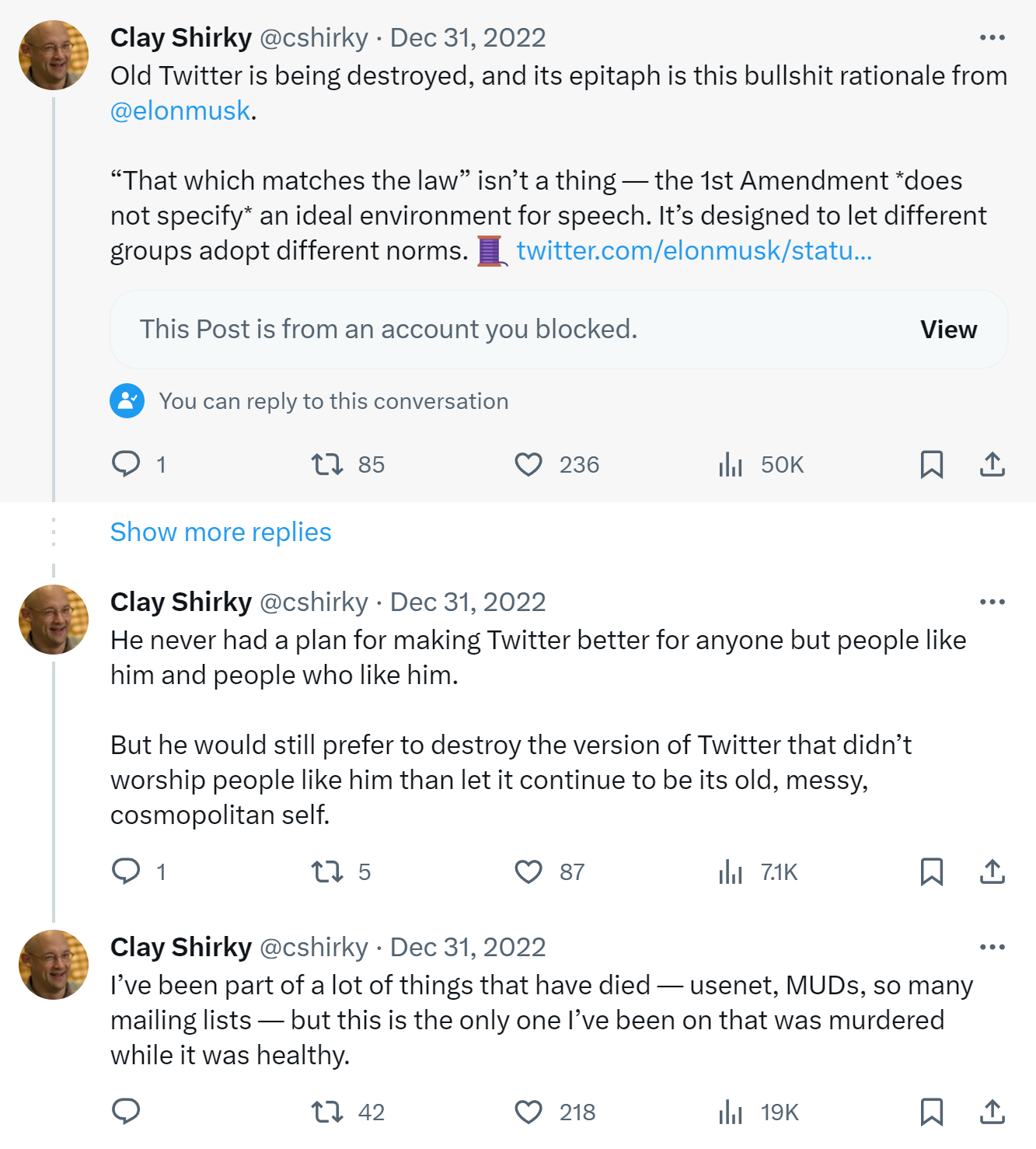
At the heart of the critique levied by Atwood, referencing insights from writer Paul Ford, is the inherent mismatch between human cognitive limits and the architecture of global social networks. Anthropological research, notably Dunbar’s Number, suggests that human brains are evolutionarily equipped to maintain roughly 150 stable social relationships.
Forcing millions of individuals from diverse cultural, political, and geographical backgrounds into a single, unmoderated digital colosseum predictably breeds toxicity. Rather than functioning as a civil marketplace of ideas, hyper-centralized networks tend to optimize for outrage, division, and algorithmic engagement traps. The psychological toll of maintaining a presence in these environments has led a growing segment of the tech community to advocate for smaller, more sustainable digital ecosystems.

The Shift Toward Decentralization and Federated Networks
As confidence in corporate-owned, ad-driven networks plummets, technologists are increasingly championing decentralized alternatives. Protocols built on open standards—such as ActivityPub, which powers the federated Mastodon network—offer an alternative model. Unlike traditional platforms where a single corporate entity holds absolute sway over user data, policies, and monetization, federated networks distribute control across independent servers.
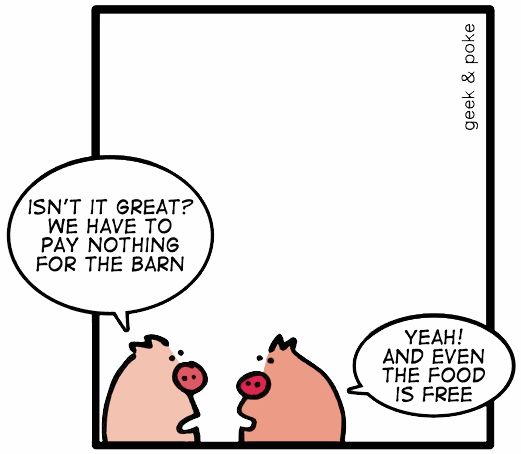
Atwood, known for his work on the decentralized forum software Discourse, emphasizes that true digital ownership requires moving away from "digital sharecropping." In this traditional dynamic, creators and communities invest countless hours building value on platforms they do not own, only to see their efforts devalued by sudden algorithmic shifts or policy rewrites. While decentralized administration introduces operational friction and requires a cultural adjustment for users accustomed to frictionless, VC-subsidized environments, proponents argue it is the only viable long-term defense against digital tyranny.
Broader Industry Implications and Future Outlook
The pivot away from legacy centralized platforms carries significant implications for journalism, open-source software development, and online community building. As organizations and independent developers migrate toward independent hosting, Matrix chats, Discord servers, and federated microblogging networks, the internet is experiencing a slow Balkanization.
While this fragmentation reduces the systemic risk of a single point of failure or ideological capture, it also poses challenges for discoverability and broad-scale public communication. Nevertheless, the consensus among a growing faction of early web pioneers is clear: the era of the benevolent tech dictator running a global town square has reached its intellectual and operational exhaustion. The future, according to these industry leaders, lies in collective ownership, open-source resilience, and human-scaled communities designed to foster constructive dialogue rather than maximized outrage.