HubSpot AEO vs SE Ranking: Navigating the Strategic Shift Toward Answer Engine Optimization and Generative Search Visibility

The digital marketing landscape is currently undergoing its most significant transformation since the advent of the mobile internet, as consumer behavior shifts from traditional search engine queries toward conversational interactions with Large Language Models (LLMs). Platforms such as ChatGPT, Google Gemini, and Perplexity are increasingly becoming the primary entry points for product research and brand evaluation. In this new paradigm, appearing on the first page of Google is no longer the sole benchmark for success; instead, brands must ensure they are cited, recommended, and positively framed within AI-generated responses. This shift has given rise to Answer Engine Optimization (AEO), a discipline focused on securing visibility within generative AI ecosystems. As organizations pivot to meet this challenge, the choice between specialized tools like HubSpot AEO and comprehensive suites like SE Ranking has become a critical strategic decision for marketing departments worldwide.
The Contextual Rise of Answer Engine Optimization
The transition from Search Engine Optimization (SEO) to Answer Engine Optimization (AEO)—also frequently referred to as Generative Engine Optimization (GEO)—is driven by a fundamental change in how information is synthesized. Traditional search engines provide a list of links, requiring the user to click through and aggregate information manually. In contrast, answer engines perform the synthesis on behalf of the user, providing a direct, cohesive response to complex queries.
Industry data underscores the urgency of this transition. According to internal research conducted by HubSpot, approximately 42% of CRM buyers now utilize AI search tools as a core component of their vendor evaluation process. Furthermore, while traditional organic traffic for many enterprises has seen a year-over-year decline of approximately 27%, referral traffic from AI platforms has tripled. Most significantly, the quality of this traffic appears to be superior; AI-referred leads have been shown to convert at three times the rate of traditional search visitors. This high conversion rate is attributed to the "pre-vetted" nature of the lead; by the time a user clicks a link provided by an LLM, the AI has already established the brand’s relevance to the user’s specific problem.

A Chronology of the Generative Search Evolution
To understand the current state of AEO tools, it is necessary to trace the rapid evolution of the generative search market over the past twenty-four months.
- November 2022: The launch of ChatGPT by OpenAI marks the beginning of mass-market conversational AI, though it initially lacks real-time web access.
- Early 2023: Microsoft integrates GPT-4 into Bing, introducing "Bing Chat" (now Copilot), the first major attempt to merge generative AI with live search indices.
- Mid-2023: Google announces Search Generative Experience (SGE), signaling a definitive move toward AI-integrated search results (now known as AI Overviews).
- Late 2023: Perplexity AI emerges as a "knowledge engine," prioritizing real-time citations and academic-style sourcing, creating a new niche for brand visibility.
- 2024: Traditional SEO platforms begin scrambling to add AI tracking features. HubSpot launches its dedicated AEO tool to integrate AI visibility directly into the CRM workflow, while SE Ranking introduces both an AI Search Toolkit and a standalone monitoring product, SE Visible.
Comparative Analysis: HubSpot AEO vs. SE Ranking and SE Visible
When evaluating these platforms, it is essential to distinguish between a "specialist" tool designed for the AI era and a "generalist" suite that has adapted to include AI features.
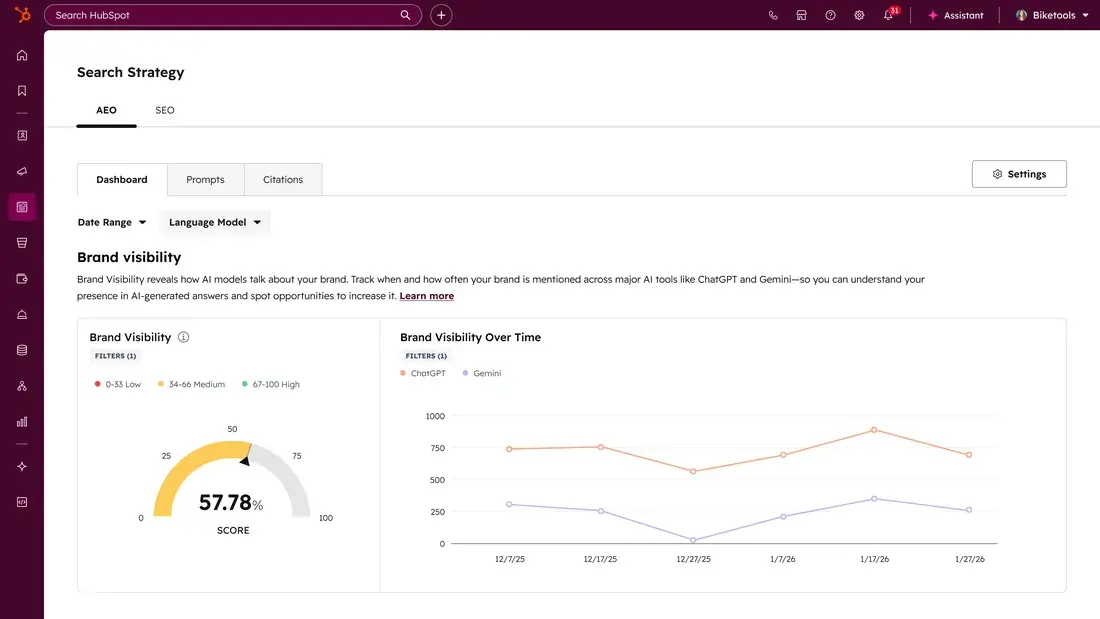
HubSpot AEO: The Integrated Specialist
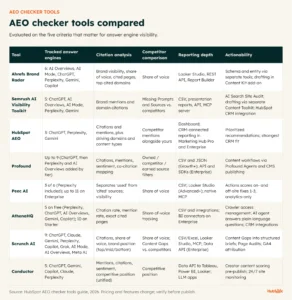
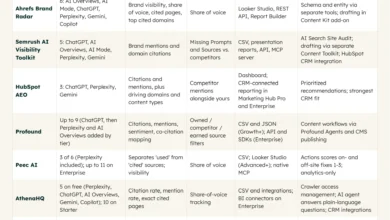
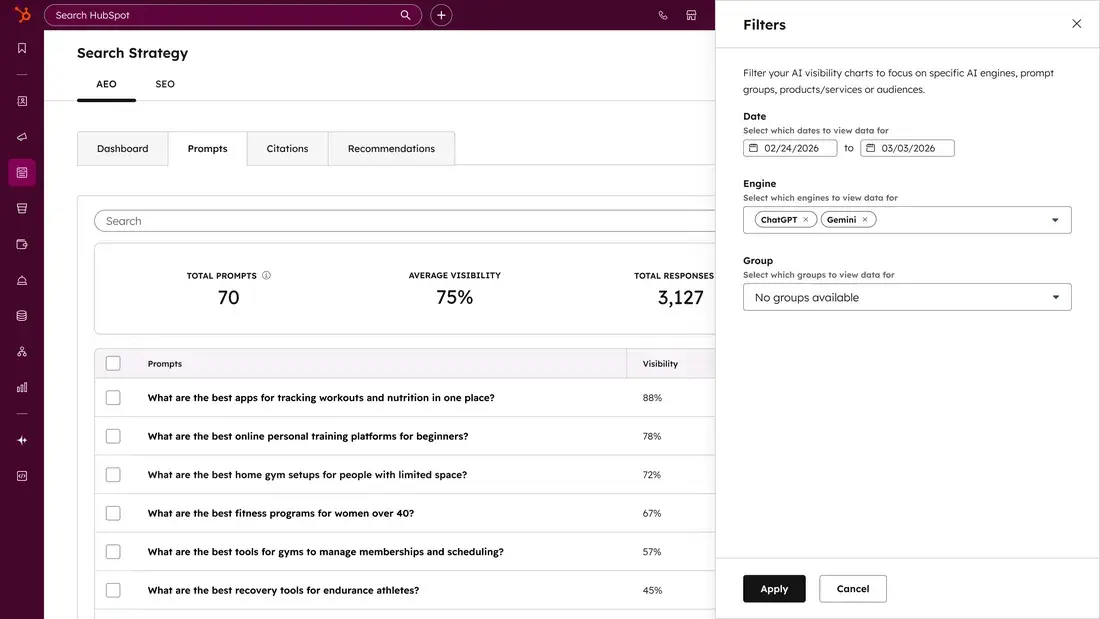
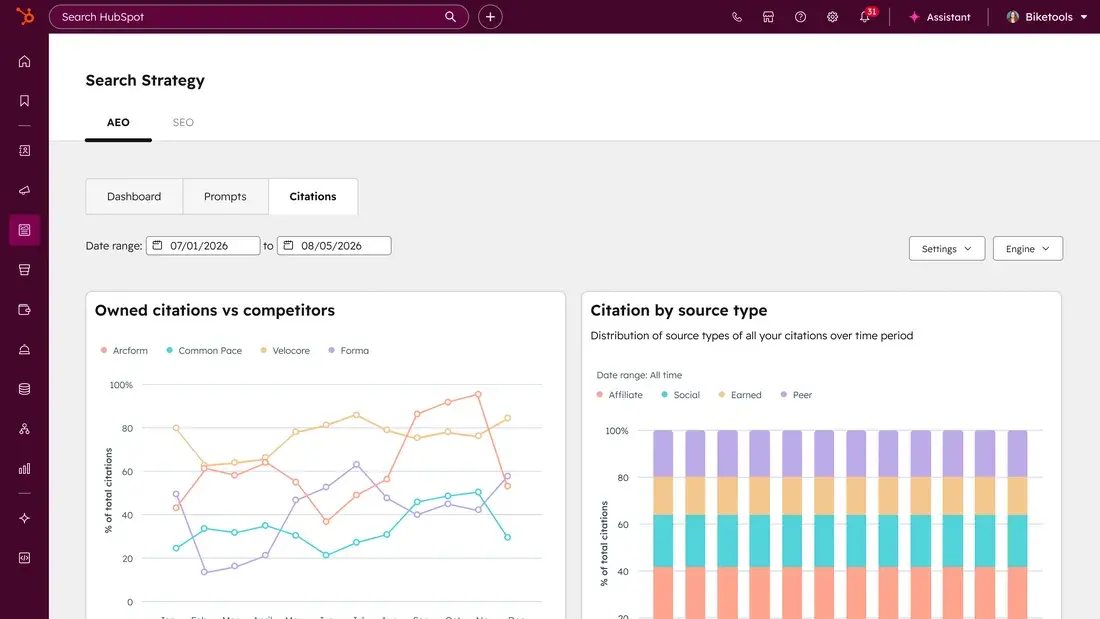
HubSpot AEO is positioned as a purpose-built solution for brands that prioritize actionability and CRM integration. Rather than simply providing a dashboard of rankings, HubSpot AEO focuses on "Brand Visibility Scores" and "Citation Analysis." It tracks how a brand appears across ChatGPT, Gemini, and Perplexity, providing a percentage-based share of voice.
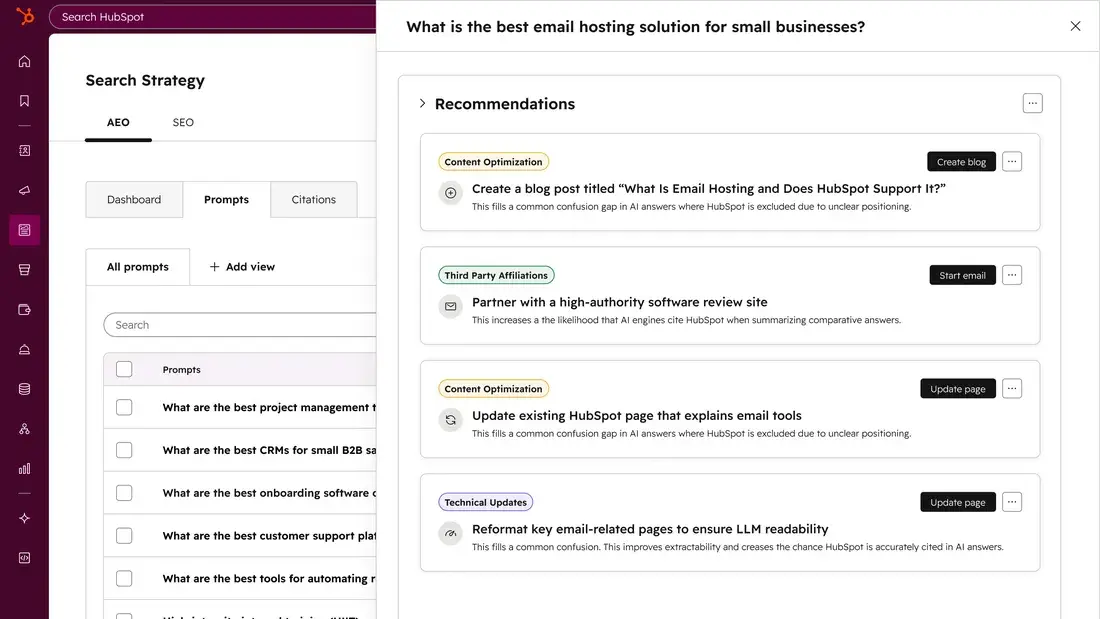
The primary advantage of the HubSpot ecosystem is its connection to the Marketing Hub. When the tool identifies a gap in visibility—for instance, if a competitor is being cited for a specific high-value query—it generates prioritized recommendations that can be immediately assigned to content teams. This creates a closed-loop system where data directly informs content creation and CRM-segmented marketing strategies.
SE Visible: The Multi-Market Monitor
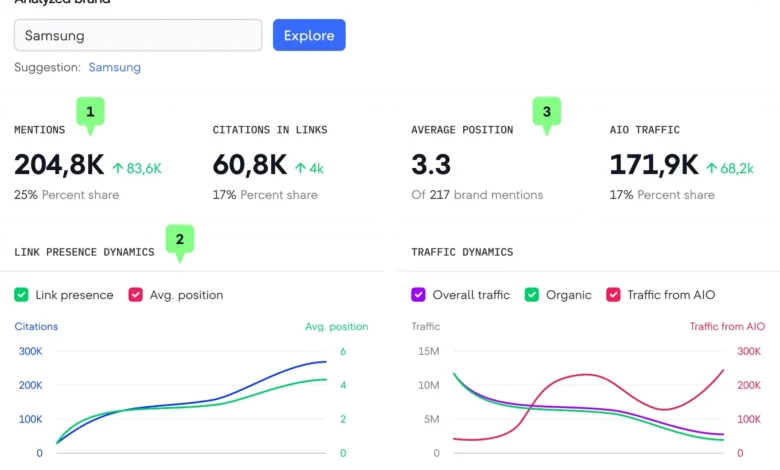
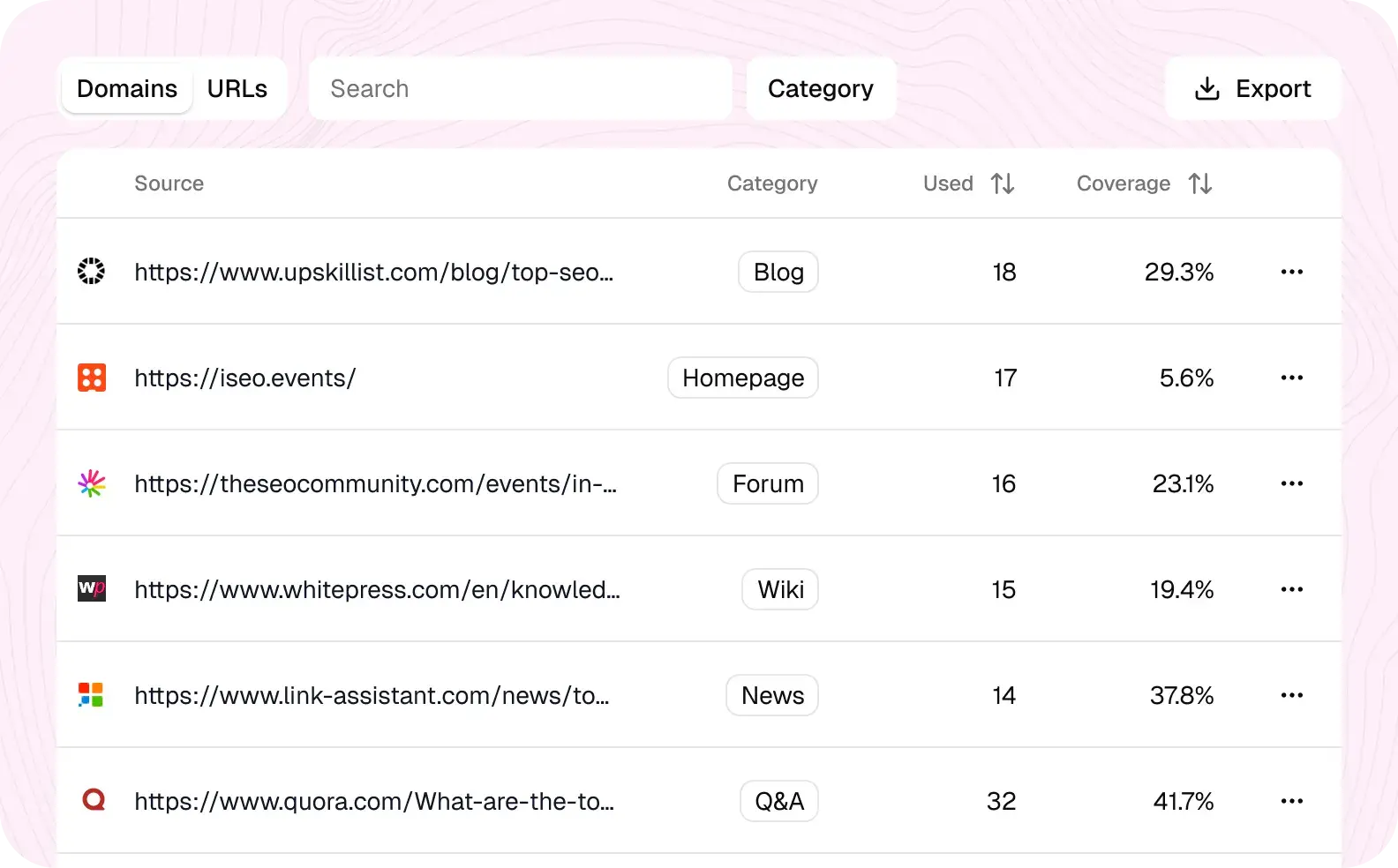
Recognizing that their core SEO suite might be too broad for some AEO-specific needs, the team at SE Ranking launched SE Visible. This is a standalone product specifically designed for brand management and PR teams. Its standout feature is its robust multi-country and multi-language support, covering seven major economies and five languages. This makes it the preferred choice for multinational corporations that need to monitor brand sentiment and citations across diverse linguistic markets. SE Visible provides deep insights into the types of sources AI engines are citing, such as forums (Reddit), media outlets, or niche blogs, allowing PR teams to target their outreach more effectively.
SE Ranking: The Comprehensive Generalist
For agencies and freelancers who require a "single pane of glass" for all search activities, SE Ranking remains a powerful contender. It integrates AI tracking into a broader suite that includes technical site audits, backlink analysis, and traditional keyword rank tracking. Its "AI Search Toolkit" monitors Google AI Overviews and Google AI Mode alongside ChatGPT and Gemini. While it lacks the native CRM-driven workflow of HubSpot, it offers superior technical SEO depth, which is often the foundation upon which successful AEO is built.
Supporting Data and Technical Performance
The effectiveness of AEO tools is often measured by their ability to decode the "black box" of LLM retrieval. Recent studies by Ahrefs and other SEO research firms indicate that AI search visitors can generate up to a 23x better conversion rate than traditional search in specific B2B sectors. This is because LLMs function as a high-intent filter.
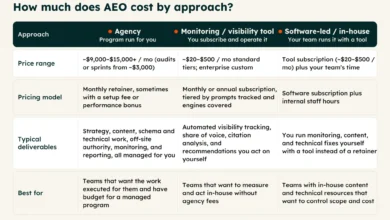
In terms of technical performance, HubSpot AEO offers a low-friction entry point with a "Free AEO Grader" that evaluates five dimensions: sentiment, share of voice, presence quality, brand recognition, and market position. For organizations operating on a budget, HubSpot’s standalone AEO product starts at $50 per month. In contrast, SE Visible targets a higher-volume user, with plans ranging from $79 to $355 per month, offering tracking for up to 1,000 prompts. SE Ranking’s core suite starts at approximately $103 per month, providing a balance between traditional SEO and emerging AI metrics.
Strategic Implementation: The 14-Day AEO Sprint
For organizations looking to establish a foothold in generative search, industry experts recommend a two-week implementation framework to move from baseline data to active optimization.
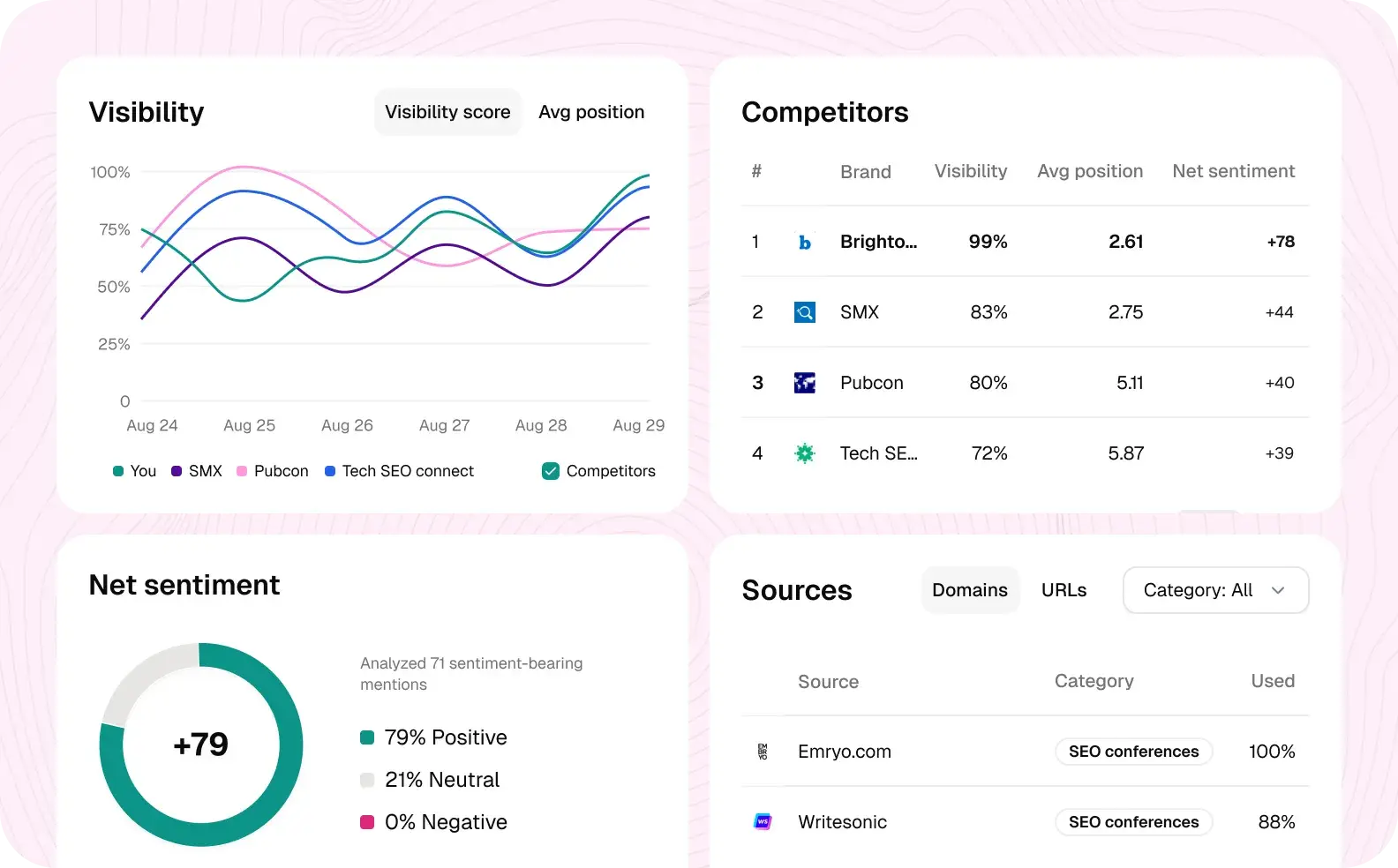
Days 1–3: Baselines and Technical Health
The first step involves establishing a visibility baseline. Using tools like the HubSpot AEO Grader or SE Ranking’s Site Audit, teams must identify if technical barriers (such as poor crawlability or lack of structured data) are preventing AI engines from indexing their content.
Days 4–7: Prompt Engineering and Competitor Analysis
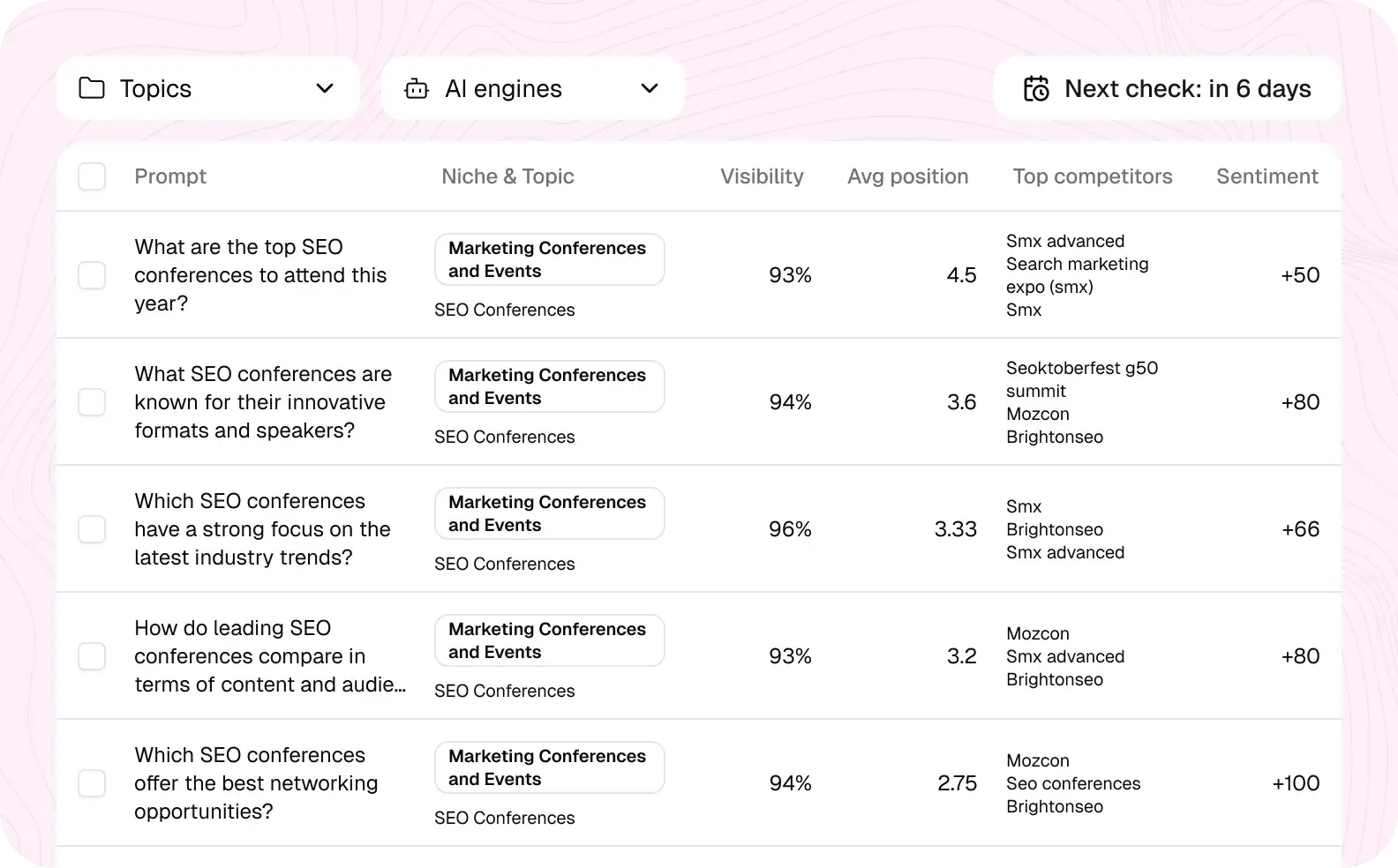
Teams should configure between 25 and 100 "buyer-intent" prompts. These are the specific questions customers ask when evaluating products. Analyzing who the AI cites in response to these prompts reveals the "citation gap" between the brand and its competitors.
Days 8–12: Content Refresh and Optimization
AEO is not about keyword stuffing; it is about providing the most authoritative, concise, and well-structured answer to a specific question. Using the recommendations surfaced by HubSpot AEO or the source analysis from SE Visible, content teams should update existing high-traffic pages to include clear "answer blocks" and updated citations.
Days 13–14: Measurement and Iteration
By the end of the second week, teams should compare their new visibility scores against the Day 1 baseline. While LLMs take time to re-index information, early signals in platforms like Perplexity (which updates more frequently) can indicate if the strategy is moving in the right direction.
Broader Impact and Market Implications
The competition between HubSpot and SE Ranking reflects a broader shift in the marketing technology (MarTech) industry. We are moving away from a world where "visibility" meant being a link on a page, toward a world where "visibility" means being a part of the AI’s cognitive model.
For the modern Chief Marketing Officer (CMO), the implications are profound. Budget allocation is shifting away from traditional PPC (Pay-Per-Click) models, which are seeing diminishing returns as "Zero-Click" searches increase, toward earned visibility in AI answers. This requires a closer alignment between PR, content marketing, and technical SEO.
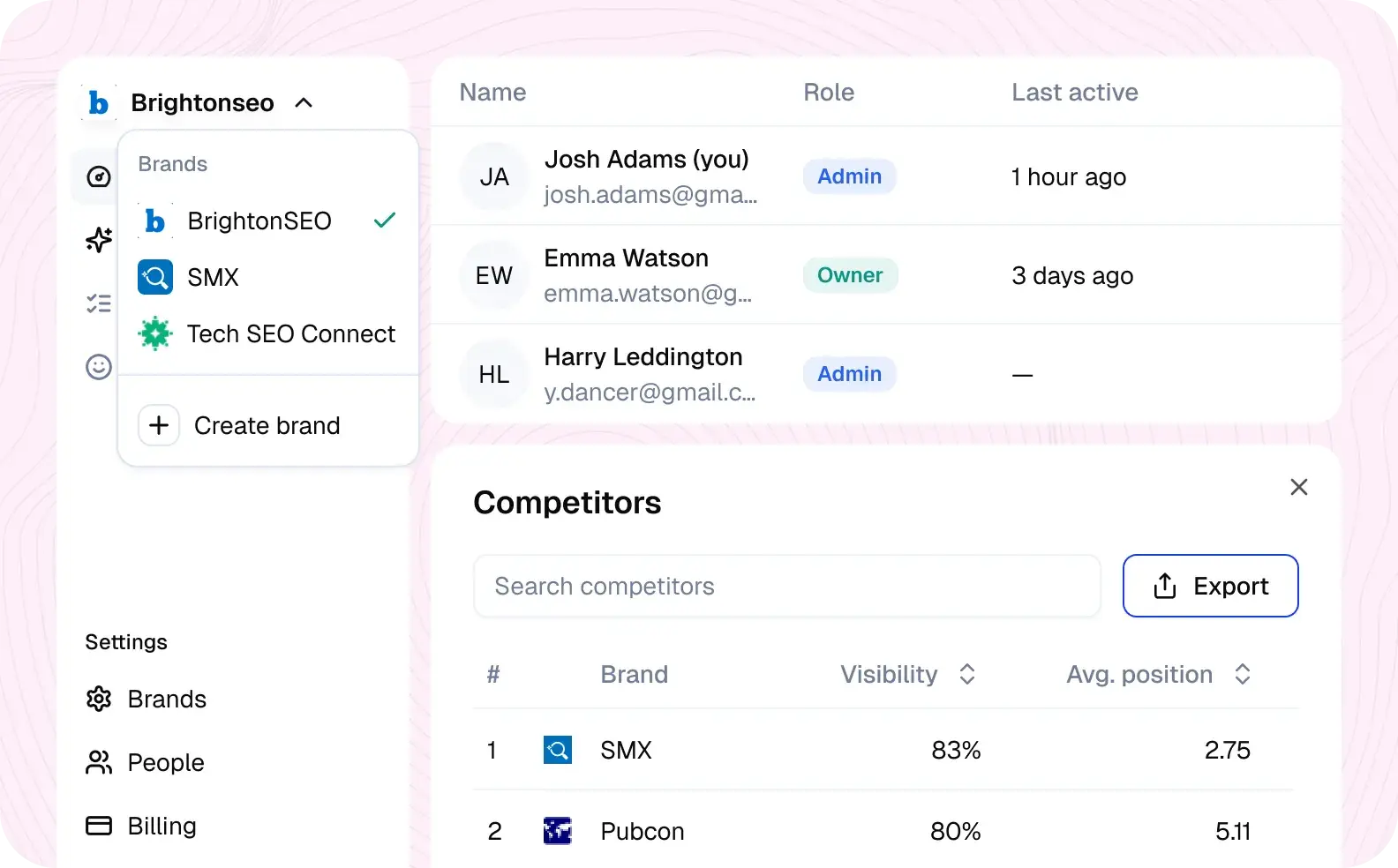
Furthermore, the rise of AEO tools signals the end of the "SEO silo." Because AEO relies heavily on brand sentiment and third-party citations, it forces marketing teams to care about what is being said on Reddit, Quora, and industry-specific forums. The toolsets provided by HubSpot and SE Ranking are no longer just for "search people"—they are essential intelligence platforms for brand managers and corporate communications teams.
Conclusion
As generative AI continues to integrate into the fabric of daily life, the "answer engine" will become the primary gatekeeper of consumer attention. Whether an organization chooses the CRM-integrated precision of HubSpot AEO, the multi-market monitoring capabilities of SE Visible, or the comprehensive technical suite of SE Ranking, the mandate remains the same: adapt or disappear. The data clearly shows that the future of search is conversational, and the brands that win will be those that provide the answers the AI is looking for.