The Relationship Between Backlinks and Answer Engine Optimization in the Evolving Digital Marketing Landscape

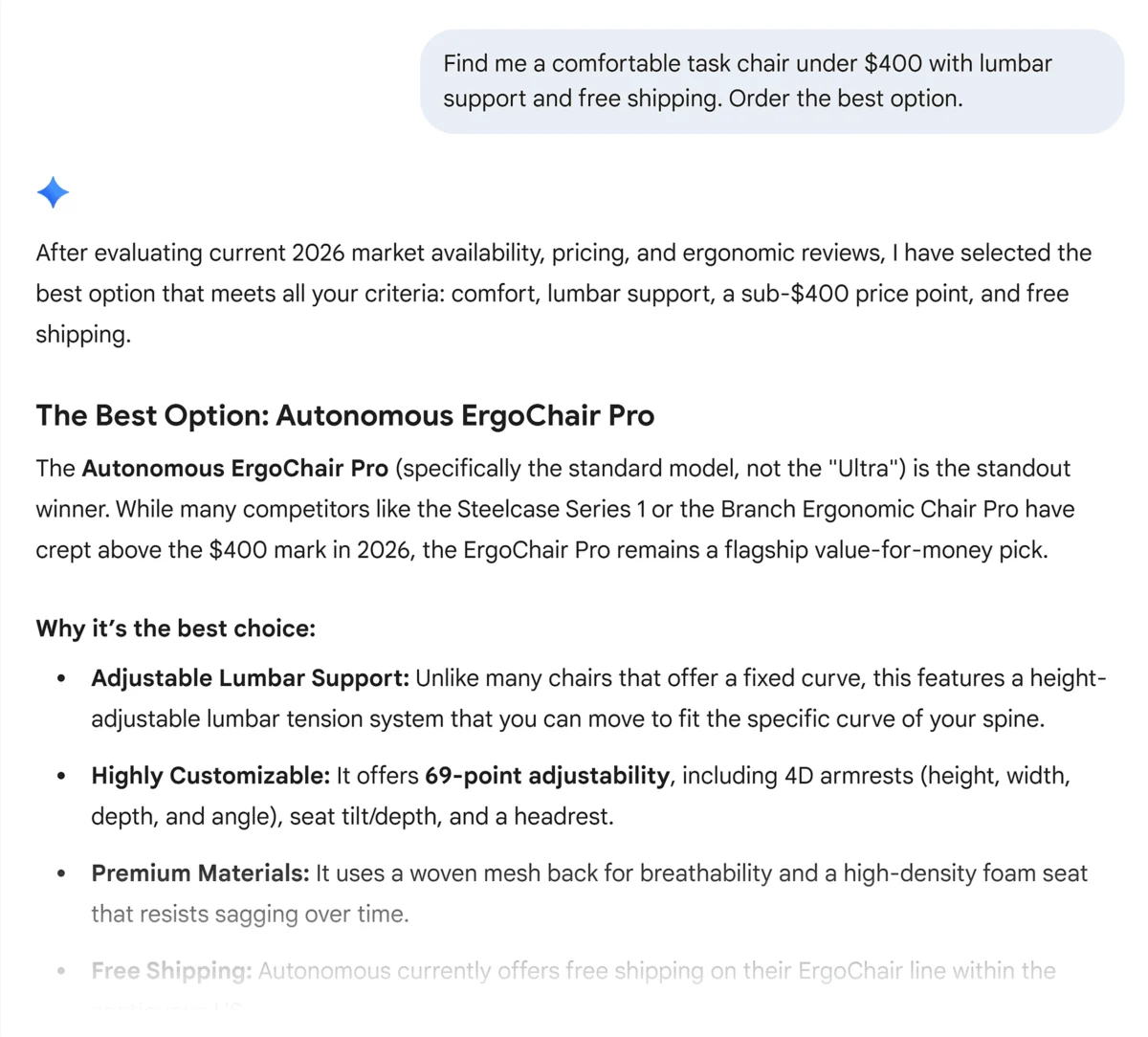
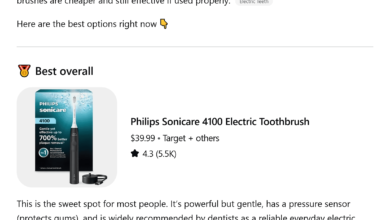
The rapid integration of generative artificial intelligence into consumer search habits has fundamentally altered the digital discovery process. Approximately 58% of consumers now utilize AI-powered answer engines, such as ChatGPT, Perplexity, and Google’s AI Overviews, for product research on a weekly basis. This shift has prompted content and search engine optimization (SEO) teams to re-evaluate traditional authority playbooks, specifically examining the historical reliance on backlinks. As AI answer engines become the primary interface for information retrieval, the relationship between backlinks and Answer Engine Optimization (AEO) has moved beyond simple volume toward a complex interplay of semantic relevance, entity clarity, and brand citations.
The Evolution of Digital Discovery: From SEO to AEO
For over two decades, the backbone of digital marketing has been Search Engine Optimization, a discipline largely defined by Google’s PageRank algorithm. In this traditional model, a backlink—a hyperlink from one website to another—functions as a vote of confidence. The more authoritative and numerous these votes, the higher a page would rank in Search Engine Results Pages (SERPs). However, the emergence of Large Language Models (LLMs) has introduced a new paradigm.
Answer Engine Optimization (AEO) focuses on providing direct, concise, and authoritative answers that AI systems can easily extract and present to users. While SEO remains the foundational layer, AEO requires a more nuanced approach to authority. AI engines do not merely count links; they identify "grounding sources" to ensure the accuracy of their generated responses. These sources are prioritized based on three primary pillars: freshness, structure, and semantic authority. Consequently, a high-authority backlink profile is now considered a necessary but insufficient condition for visibility in AI-generated answers.
Chronology of the AI Search Transition
The transition from traditional search to AI-driven discovery has occurred with unprecedented speed, marked by several key milestones:
- November 2022: OpenAI releases ChatGPT, demonstrating the potential for conversational AI to provide direct answers, bypassing traditional link lists.
- February 2023: Microsoft integrates GPT-4 into Bing, marking the first major attempt to combine traditional search indices with generative AI.
- May 2023: Google announces Search Generative Experience (SGE), later rebranded as AI Overviews, signaling a shift in the world’s most used search engine.
- Early 2024: Platforms like Perplexity AI gain significant traction by providing cited, real-time answers, emphasizing the need for brands to be "citable" rather than just "rankable."
- 2025 and Beyond: Projections indicate that AI answer engines will become the standard for top-of-funnel research, necessitating a permanent shift in how marketing budgets are allocated between SEO and AEO.
The New Hierarchy of Link Value
In the context of AEO, not all backlinks carry the same weight. The industry is witnessing a shift where contextual relevance far outweighs sheer domain authority. Nathaniel Miller, Head of Marketing at Ashbrook Technologies, suggests that links lacking qualified traffic or topical alignment are essentially "logo slaps" with minimal impact on AI visibility.
Data indicates a stark difference in how various link types influence AEO compared to classic SEO. For instance, a high-domain authority (DA) link with low relevance provides a significant boost in traditional SEO but offers a weak semantic signal for AEO. Conversely, niche blog links with strong topical depth are increasingly valuable for AEO because their semantic adjacency reinforces "entity authority." Furthermore, co-citations—where a brand is mentioned alongside other recognized industry leaders—have emerged as a high-impact signal for AI systems, even in the absence of a direct hyperlink.
The Role of Unlinked Mentions and Entity Clarity
A critical finding in recent AEO research is the "citation gap." Charlie Graham, founder of RivalSee, notes that approximately 85% of brands mentioned in ChatGPT responses receive no direct citation link. Instead, users are presented with the brand name and must perform a follow-up search to find the company’s website. This phenomenon underscores the importance of unlinked brand mentions.
AI systems use these mentions to map which brands are associated with specific topic clusters. When a brand is frequently referenced by credible sources in a particular context, it builds "entity authority." Lars Lofgren, an SEO consultant for enterprises like Perplexity, argues that AI engines are essentially mapping the relationships between "entities"—defined as people, brands, or concepts—rather than just indexing domains.
To achieve entity clarity, brands must maintain consistent naming conventions, utilize structured data (such as Organization or Person schema), and ensure their area of expertise is clearly defined across all digital channels. Entity confusion—where an AI cannot confidently verify a brand’s identity or purpose—is increasingly cited as a primary reason for a brand’s exclusion from AI-generated answers.
Technical Structuring for AI Extraction
For a brand’s content to be cited by an AI engine, it must be easily "parseable." AI systems prioritize content that is directly responsive to queries. This has led to the development of the "Answer First" content structure. In this model, every major section of a page leads with a direct, self-contained answer, followed by supporting evidence, data, and context.
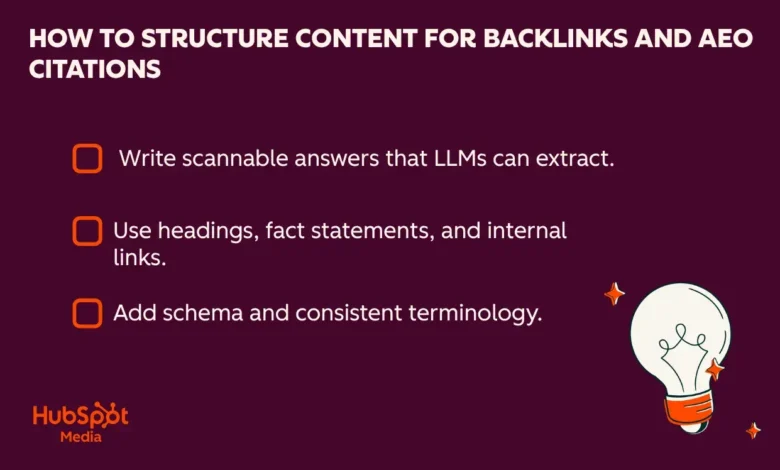
Industry experts recommend several structural adjustments to improve AEO performance:
- Scannable Answer Blocks: Utilizing bulleted lists and short paragraphs to facilitate LLM extraction.
- Fact Statements: Including clear, declarative statements that can be easily verified against other sources.
- Schema Markup: Implementing machine-readable metadata, specifically FAQ, Product, and "sameAs" schema, to clarify the relationship between the brand and its content.
- Topical Depth: Using internal linking to create dense clusters of information around a specific subject, signaling to the AI that the domain is a comprehensive resource.
Strategic Integration: Digital PR and Original Research
As the value of generic backlinks diminishes, original research and digital PR have become essential for AEO. Original data reports provide a unique reason for other publishers to cite a brand as a primary source. This generates both a structural link and a high-value mention that AI systems can index.
Digital PR, involving earned media placements and expert commentary, serves as a bridge between traditional authority and AI-ready citations. A single expert quote in a major industry publication can simultaneously provide a backlink, a brand mention, and a co-citation with other recognized experts. This multifaceted signal is significantly more effective at moving the needle for AI visibility than traditional, volume-based link-building campaigns.

Measuring Success in the AEO Era
The shift toward AEO requires a new set of Key Performance Indicators (KPIs). Traditional metrics like organic traffic and keyword rankings, while still relevant, do not capture the full scope of AI visibility. Marketing teams are now adopting "Loop Marketing" frameworks to track the following:
- AI Citation Frequency: How often a brand is cited as a source in AI-generated responses.
- Brand Mention Share: The brand’s presence in relevant topic clusters compared to competitors.
- Grounding Query Coverage: The percentage of industry-specific questions where the brand is used as a reference.
- Downstream Search Volume: Increases in direct brand searches following AI mentions.
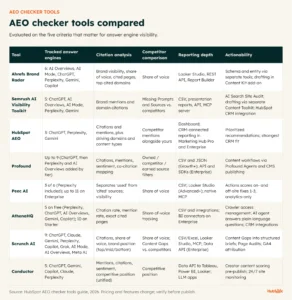
HubSpot and other marketing technology providers have begun offering specialized AEO tools to help teams benchmark these metrics. By tying specific outreach actions to changes in AI visibility, organizations can move from speculative optimization to a data-driven, repeatable strategy.
Broader Implications for the Marketing Industry
The rise of AEO and the evolving role of backlinks signify a broader maturation of the digital landscape. The "battle" is no longer between SEO and AEO; rather, it is a move toward a more integrated "Authority Infrastructure."
For small to medium-sized enterprises, this shift levels the playing field to an extent, as niche expertise and semantic relevance can now outweigh the massive backlink budgets of larger competitors. For global enterprises, the challenge lies in maintaining entity consistency across vast, fragmented digital footprints.
Ultimately, the future of search favors brands that prioritize quality over volume and clarity over keyword density. While backlinks remain a foundational element of trust, they now function as part of a broader ecosystem of signals—including mentions, co-citations, and structured data—that define a brand’s authority in an AI-driven world. The organizations that successfully navigate this transition will be those that view AEO not as a replacement for SEO, but as its necessary and more sophisticated evolution.