The Great Coastal Renaissance How Tech Life Sciences and Advanced Manufacturing are Fueling an East Coast Economic Surge

The economic landscape of the United States is undergoing a profound transformation as capital investment flows into the Eastern Seaboard and Southeastern states at a record-breaking pace. Driven by a strategic convergence of data center expansion, a resurgence in life sciences, and a massive pivot toward advanced manufacturing, states from Maine to Florida are reporting unprecedented growth. This shift is not merely a recovery from previous economic cycles but a fundamental restructuring of regional economies, as evidenced by multi-billion-dollar commitments in the aerospace, biotechnology, and artificial intelligence sectors. According to recent data and the 2026 Chief Executive Best & Worst States for Business rankings, this "Coastal Renaissance" is being propelled by a combination of pro-business legislation, strategic infrastructure investments, and a concentrated effort to reshore critical industries.
A Record-Breaking Economic Timeline: 2024–2026
The current surge in investment follows a clear chronology of industrial expansion. Between July 2024 and June 2025, the momentum began to build as Georgia and North Carolina logged their most successful years for economic development in state history. By late 2025, the focus shifted toward digital infrastructure and biotechnology, with states like Virginia, Alabama, and Mississippi announcing massive data center and pharmaceutical projects.
Entering 2026, the trend has only accelerated. In the first quarter alone, major announcements from global giants like Hyundai, Yamaha, and Eli Lilly have solidified the East Coast’s position as a global competitor. This timeline suggests a sustained trajectory of growth that is expected to continue through the end of the decade, as universal broadband initiatives and new port facilities come online to support increased industrial output.
The Aerospace and Aviation Powerhouses
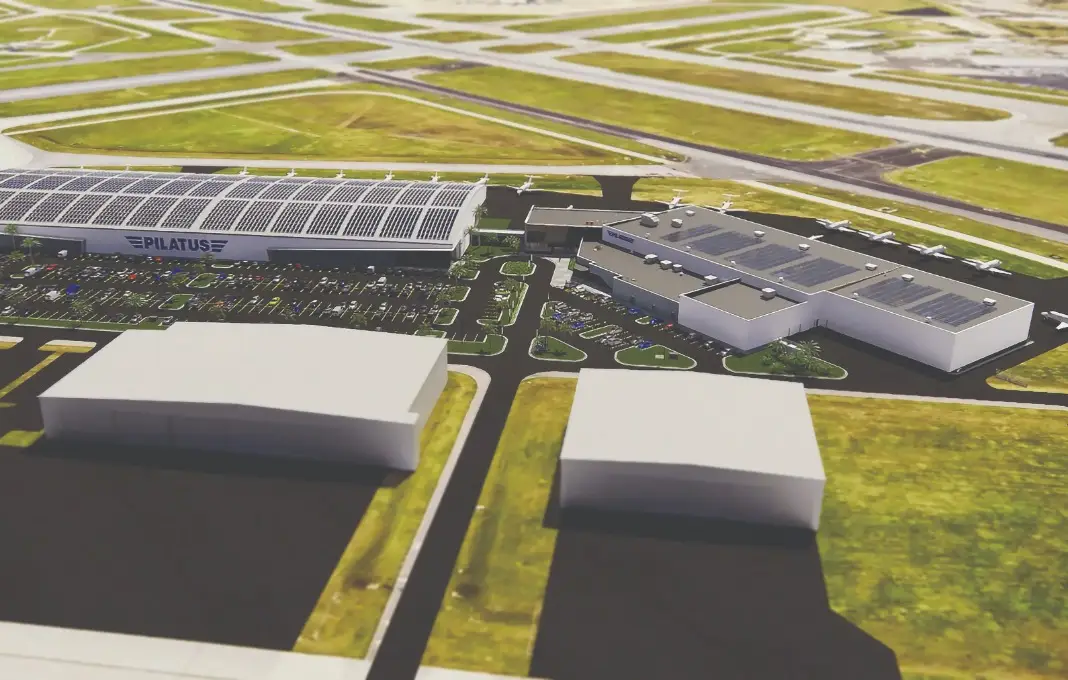
Florida and Kentucky have emerged as the primary engines for the nation’s aerospace exports. Florida, ranked second in the Best States for Business, saw its businesses export nearly $79 billion in goods in 2025—a record high that represents an 8.9 percent increase from the previous year and a staggering 37.8 percent jump since 2018. This growth is anchored by major relocations and expansions. In late 2025, EPC Aerospace established its U.S. headquarters at Orlando International Airport, while Swiss manufacturer Pilatus began construction on a new campus at Sarasota International Airport. Siemens Energy also signaled its confidence in the state by moving its U.S. headquarters to Orlando’s Lake Nona Innovation District.
Kentucky has mirrored this success, logging $50.6 billion in exports in 2025, with the aerospace sector accounting for $23 billion of that total. Northern Kentucky has become a focal point for advanced manufacturing, generating a gross regional product of $32 billion. Lee Crume, CEO of BE NKY Partnership, noted that the region’s connectivity to the Cincinnati economy and the presence of over 20 billion-dollar companies have created a cross-border talent magnet that fuels this industrial engine.
The Biopharma and Life Sciences Corridor
The Mid-Atlantic and Northeastern states are rapidly becoming the global epicenter for life sciences and biotechnology. North Carolina, ranked fourth for business, recorded $24.1 billion in capital investments and 35,500 new jobs in 2025. The state’s commitment to biopharma was underscored by FUJIFILM Biotechnologies’ $3 billion cell culture facility and Biogen’s $2 billion expansion in Durham County. In early 2026, Johnson & Johnson further cemented this trend with a $2 billion biologics facility in Wilson County.
Pennsylvania and Delaware are also securing their roles in this sector. Pennsylvania has seen more than $40 billion in private-sector investment over the last three years, highlighted by Eli Lilly’s $3.5 billion manufacturing site in Fogelsville. Delaware, a state where nearly 1,400 corporations incorporate every week, has seen its corporate growth formation rise by 30 percent. Merck’s $1 billion biotech facility in Wilmington represents a major win for the state’s burgeoning life sciences hub.

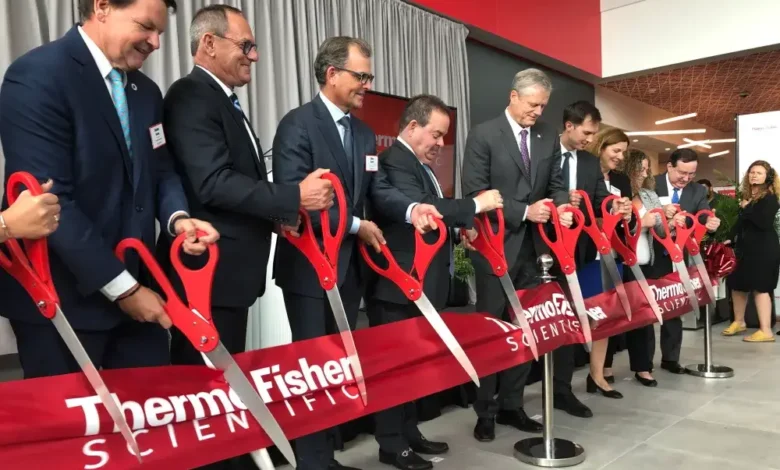
In the North, Massachusetts continues to leverage the Boston-Cambridge corridor. Thermo Fisher Scientific recently opened its first U.S. Bioprocess Design Center in Plainville, while Denmark-based Zealand Pharma established a research hub in Cambridge specifically focused on AI-driven obesity and metabolic health research.
The Data Center and AI Revolution
Perhaps the most significant shift in the regional economy is the massive investment in digital infrastructure. As artificial intelligence demands unprecedented computing power, states like Mississippi, Louisiana, Arkansas, and Virginia are seeing investments on a scale previously reserved for heavy industry.
Mississippi has redefined its economic identity with xAI’s $20 billion data center in Southhaven. Elon Musk, founder of xAI, described the project as the "most powerful AI system on Earth," noting the "insane execution speed" of the state’s development teams. This was followed by Amazon’s $11 billion expansion in Madison County, bringing its total state investment to $25 billion.
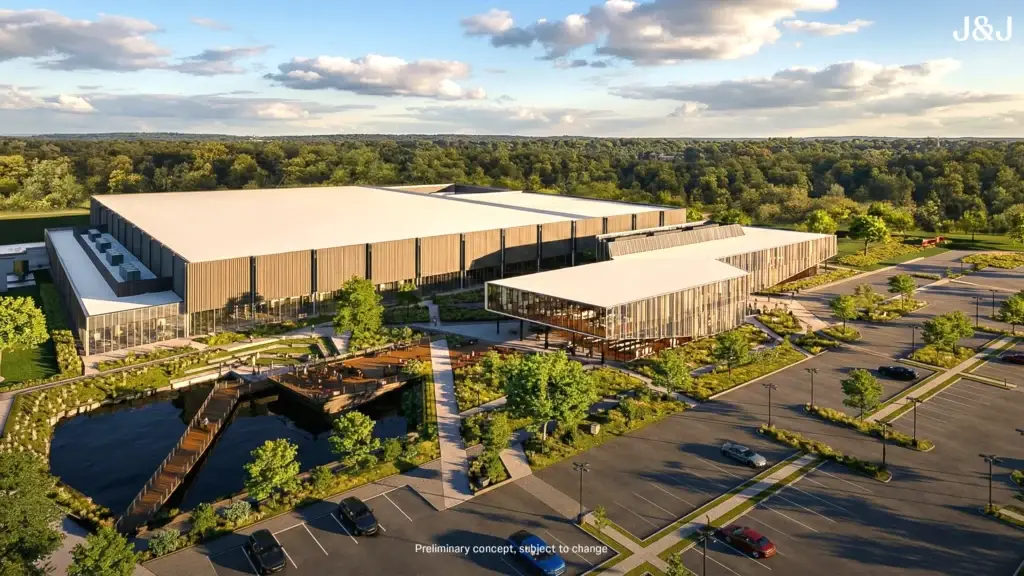
Louisiana is experiencing a similar windfall. Meta is currently constructing "Hyperion," a $27 billion data center in Richland Parish that will span 4 million square feet. Amazon has also committed $12 billion to data center campuses in Caddo and Bossier Parishes. These projects are often supported by specific legislation, such as Arkansas’s IMPACT Act, which offers tax exemptions and reduced permitting times. In Arkansas, this led to AVAIO Digital Partners committing $6 billion to an AI-ready campus in Pulaski County—the largest investment in state history.
Manufacturing and the "Blue Economy"
While high-tech sectors dominate the headlines, traditional and advanced manufacturing remain the backbone of coastal growth. Georgia, ranked fifth, attracted over $26 billion in investment between 2024 and 2025. Pat Wilson, Commissioner of the Georgia Department of Economic Development, highlighted that the state is "outpacing the nation in year-over-year growth for trade." Major moves include Yamaha Motor relocating its U.S. headquarters to Kennesaw and Belgian biopharma UCB establishing a $2 billion facility in Gwinnett County.
In Alabama, the automotive and pharmaceutical sectors are driving record numbers. Mercedes-Benz recently announced a $4 billion investment in its Tuscaloosa plant, while Eli Lilly committed $6 billion to a Huntsville facility. Governor Sarah Huckabee Sanders and other regional leaders have emphasized that these investments are the result of decades of ecosystem-building rather than "overnight successes."
Further north, Maine is focusing on its "Blue Economy." Contributing $6.8 billion annually and supporting 90,000 jobs, the state’s marine economy is receiving a boost from a $30 million expansion at the Bigelow Laboratory for Ocean Sciences. This initiative aims to coordinate data and industry partners to move marine-based ideas into viable commercial businesses.
Infrastructure and Innovation: Quantum and Beyond
The surge in investment is also pushing states toward the bleeding edge of technology. Tennessee has positioned itself as a leader in quantum computing, fueled by a $70 million state fund. Chattanooga is now home to the nation’s first commercially available quantum network. EPB’s partnership with Vanderbilt University to create a Quantum Innovation Institute is expected to house hundreds of researchers, signaling a move toward "future-proofing" the state economy.
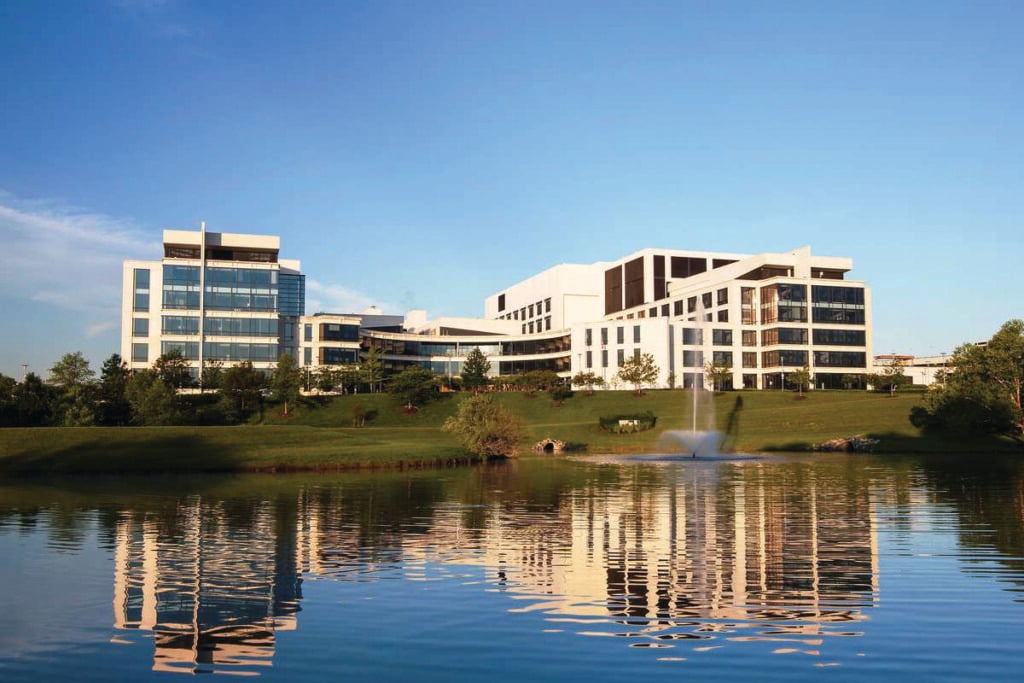
South Carolina is also making strides in tech infrastructure. The SC Nexus technology hub recently received federal approval to expand, making it the first state-wide tech designation in the U.S. This helped the state secure $9 billion in capital investments in 2025, with a significant portion—over 40 percent—going to rural areas, ensuring that the economic boom reaches beyond major metropolitan centers.
Analysis of Implications: A New Economic Map
The massive influx of capital into the East Coast and Southeast suggests several long-term implications for the U.S. economy:
- The Reshoring Effect: The concentration of pharmaceutical and semiconductor investments (such as Micron’s $100 billion project in New York) indicates a strategic move to secure domestic supply chains. This "reshoring" is being incentivized by state-level tax credits and a desire for greater industrial sovereignty.
- Energy Demands: The explosion of data centers, particularly in Louisiana and Mississippi, will place immense pressure on regional power grids. Projects like xAI’s 2GW compute system will require significant upgrades to energy infrastructure, likely driving a secondary wave of investment in clean energy and grid modernization.
- Workforce Transformation: From quantum computing in Tennessee to bioprocess design in Massachusetts, the demand for highly skilled labor is at an all-time high. This is forcing a closer alignment between state governments and university systems to ensure the talent pipeline remains robust.
- Rural Revitalization: One of the most notable aspects of this growth is the distribution of capital. Investments in places like Hurt, Virginia, and Clarendon County, South Carolina, demonstrate that advanced manufacturing and data infrastructure are providing a lifeline to rural communities that were previously left behind by the digital age.
Official Responses and Strategic Vision
State leaders have been quick to attribute this growth to long-term planning and stable business environments. Virginia Bio CEO John Newby described the state’s success as "an overnight success that took 20 years," emphasizing the importance of building a sustainable ecosystem. Similarly, Connecticut’s AdvanceCT CEO John Bourdeaux noted that his state is "running several bets at once," diversifying across defense, insurance, and quantum tech to ensure resilience.
As the East Coast continues to attract global giants and innovative startups alike, the data suggests that this is more than a temporary spike. The convergence of aerospace, life sciences, and AI-ready infrastructure has created a powerful economic engine that is redefining the competitive standing of the American East. With over $200 billion in combined project commitments announced across these states in the last 24 months, the region is set to remain the primary driver of U.S. capital growth for the foreseeable future.