Mastering Answer Engine Optimization: The Strategic Evolution of Search Visibility in the Age of Generative AI

The digital landscape is undergoing its most significant transformation since the inception of the search engine, as user behavior shifts from traditional keyword-based queries to conversational, AI-driven information retrieval. According to recent research from Wix Studio, the audience for major answer engines has surged by more than 40% in just one year, with monthly unique visitors climbing from 634 million in Q1 2025 to 904 million by Q1 2026. This migration represents a fundamental change in how information is discovered, consumed, and monetized, forcing marketing professionals to reconsider the bedrock principles of digital visibility.
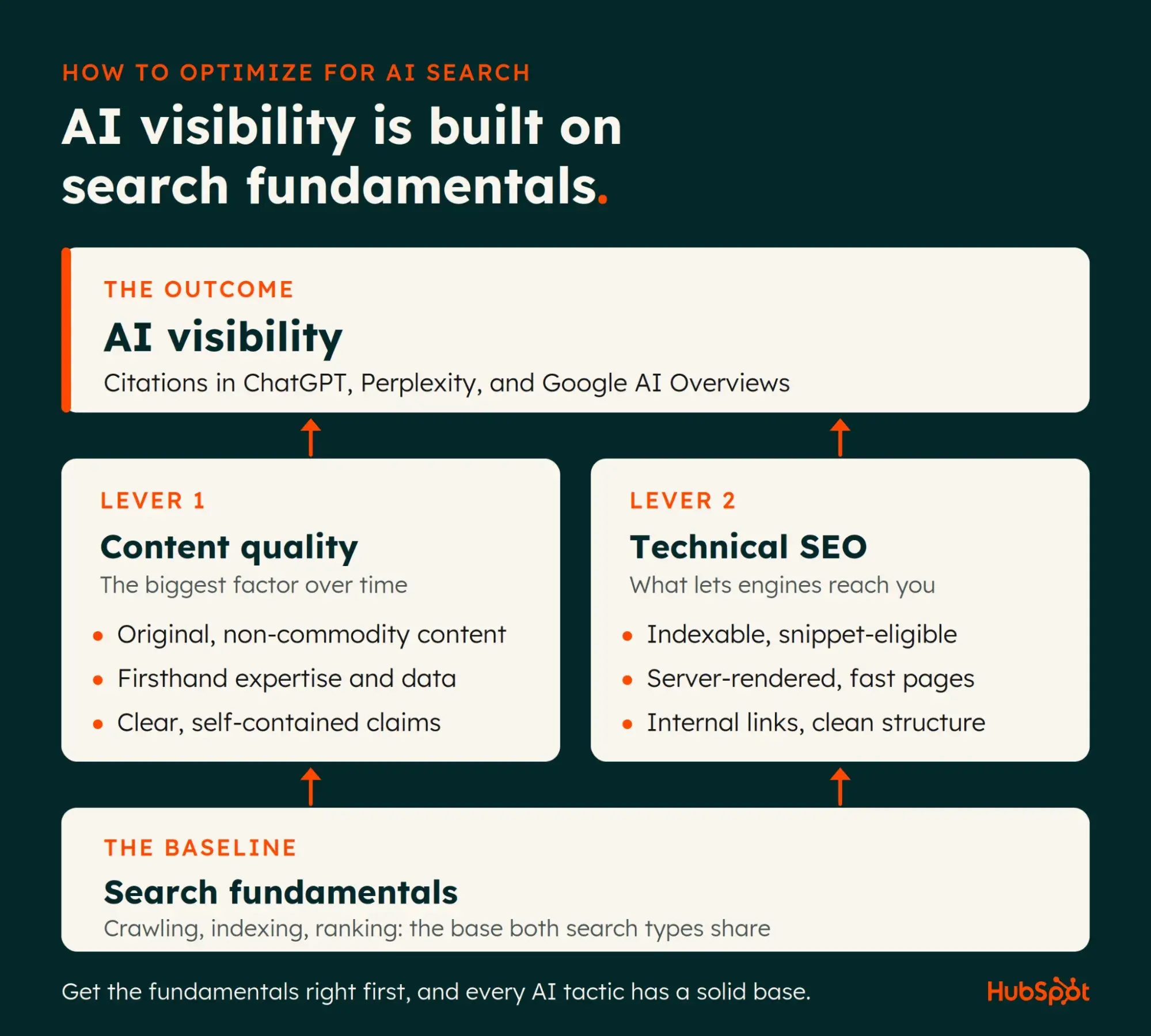
While the rise of Large Language Models (LLMs) and generative AI features—such as Google’s AI Overviews, ChatGPT Search, and Perplexity—has led some to speculate about the demise of traditional Search Engine Optimization (SEO), the reality is far more nuanced. Answer Engine Optimization (AEO) is not a replacement for traditional SEO; rather, it is an extension of it. The technical infrastructure that governs how search engines crawl, index, and rank content remains the primary gatekeeper for AI citations. Consequently, businesses that ignore the fundamentals of technical SEO are unlikely to gain traction in the generative AI era.
The Technical Interdependency of Search and AI
The relationship between traditional search and AI-driven responses is symbiotic. Google has clarified that its AI Overviews operate on a customized version of its Gemini architecture, which integrates directly with existing Search systems. Similarly, services like ChatGPT leverage established web indexing providers—including Bing—to retrieve real-time data. For a website to be cited in an AI response, it must first be discoverable through conventional channels.
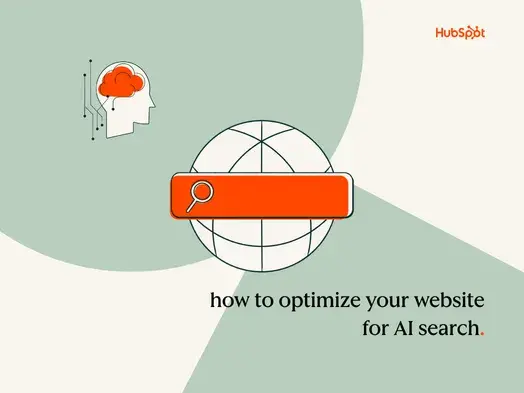
This creates a high barrier to entry for sites with poor technical health. If a page cannot be rendered, parsed, or indexed by a search bot, it effectively does not exist for an AI model. Modern technical requirements for AEO include ensuring that primary content is served in server-rendered HTML. Because many AI crawlers lack the capability to execute complex JavaScript, content hidden behind client-side scripts often remains invisible to the very models meant to cite it. Furthermore, page speed continues to be a critical differentiator; data from SE Ranking indicates that pages with a First Contentful Paint (FCP) of under 0.4 seconds earn significantly more citations than those exceeding 1.13 seconds, demonstrating that performance remains a cornerstone of digital authority.
The Shift Toward People-First Content
The criteria for what constitutes "high-quality" content have evolved alongside AI capabilities. Modern search engines are increasingly adept at distinguishing between "commodity content"—repackaged, generic information that can be easily synthesized by a model—and "non-commodity content," which features original data, subject-matter expertise, and unique human perspectives.
Analytical data underscores this preference. A study of over 216,000 pages found that content featuring expert commentary earned 4.1 citations on average, compared to just 2.4 for generic text. Similarly, content rich in original data points achieved a higher citation frequency, suggesting that LLMs are programmed to favor sources that provide verifiable, high-signal information. The implication is clear: to maintain visibility, brands must move away from thin, SEO-driven filler and toward content that provides tangible value that an AI cannot easily replicate from its training data.
Formatting for Machine Readability
The structural design of a webpage is now a primary determinant of its citation potential. Answer engines prioritize efficiency, favoring content that resolves a user’s query within the first 40 to 60 words. This "answer-first" approach is complemented by the use of question-led subheadings (H2 and H3 tags). When a heading directly mirrors the query a user might type, it provides the AI with a logical anchor point, significantly increasing the likelihood of that section being lifted as a definitive response.

Furthermore, the integration of structured data remains an essential, albeit misunderstood, strategy. Schema markup serves as a machine-readable map of a webpage, helping engines categorize content with precision. However, this must be used ethically. Google’s guidance emphasizes that schema should accurately reflect the visible content on the page; discrepancies between the markup and the user-facing text can be flagged as "cloaking," potentially leading to penalties rather than increased visibility.
Divergent Ecosystems: Perplexity vs. ChatGPT
One of the most critical challenges for modern digital strategists is the lack of uniformity across AI platforms. Data from Fan Out highlights that only 7.7% of cited URLs appear in more than one engine, indicating that optimization is not a "one-size-fits-all" endeavor.
Perplexity, for instance, acts as a prolific researcher, often drawing from an average of 10.8 sources per answer. It shows a distinct preference for discussion-based platforms, including LinkedIn, G2, and Reddit, which account for a significant portion of its citations. In contrast, ChatGPT is more selective, averaging 3.3 citations per query and favoring authoritative, long-form content. Because these engines prioritize different content types and exhibit varying speeds of indexation, businesses must treat each platform as a distinct channel, tailoring their content strategy to the unique preferences of each model’s training bias.
Strategic Implementation and Measurement
To navigate this environment, organizations should adopt a repeatable workflow:
- Entity Mapping: Identify the core topics and entities associated with the brand to ensure that content clusters are logically interconnected.
- Answer-First Drafting: Lead every section with a direct, concise response to the likely user query.
- Technical Validation: Ensure that every page is crawlable and renders correctly in raw HTML.
- Continuous Monitoring: Use visibility tools to track whether your pages are being cited. It is vital to distinguish between vanity metrics and conversion data; visibility is only valuable if it drives traffic or contributes to the business’s bottom line.
Debunking Industry Myths
As the field of AEO matures, several misconceptions have emerged that can mislead marketing teams. Notably, the idea that a specific llms.txt file is required to ensure visibility lacks empirical support. Extensive analysis has shown that such files have no correlation with citation frequency and, in some cases, may even hinder a model’s understanding of the site. Additionally, the belief that AI search renders standard SEO obsolete is factually incorrect; the underlying mechanics of search remain anchored in the same principles of crawlability, indexing, and relevance that have defined the industry for two decades.
Broader Implications for the Digital Economy
The rise of AI search represents a fundamental shift in the power dynamic between content creators and platforms. As users increasingly rely on summary-based answers provided by LLMs, the "click-through" model of the early internet is being challenged. Businesses that fail to adapt their content to be both "AI-readable" and "human-valuable" risk losing their visibility in the generative AI era.
However, this transition also offers an opportunity for brands that invest in high-quality, data-backed, and expert-led content. By aligning with the requirements of answer engines, companies can position themselves as the definitive sources of truth in an increasingly automated information landscape. Success in this new era requires a disciplined, iterative approach—treating AEO as a long-term strategic evolution rather than a one-time technical fix. As the technology continues to iterate, the brands that remain transparent, technically proficient, and focused on original value will be the ones that thrive in the next iteration of the web.
Related posts: