DMAIC: A Comprehensive Guide to the Data-Driven Lean Six Sigma Methodology for Process Excellence

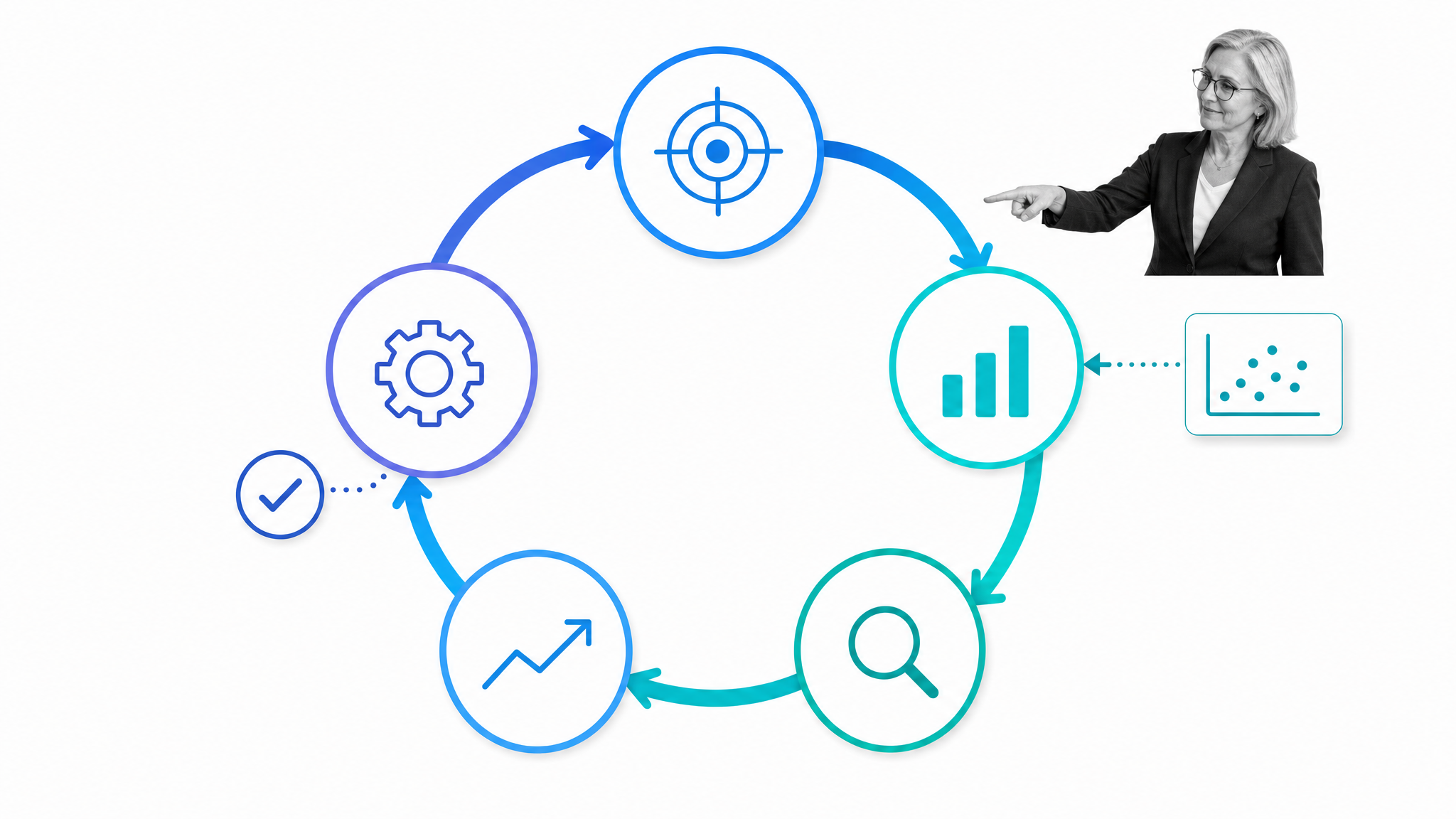
The DMAIC methodology—an acronym for Define, Measure, Analyze, Improve, and Control—stands as the bedrock of modern quality management and operational efficiency. Originally developed at Motorola in the 1980s as a rigorous evolution of the earlier MAIC (Measure, Analyze, Improve, Control) sequence, DMAIC has since become the gold standard for organizations seeking to eliminate defects and stabilize performance within existing processes. By providing a structured, data-centric framework, it allows businesses to transition from anecdotal decision-making to evidence-based process optimization.
The history of the methodology is inextricably linked to the quest for "Six Sigma" quality—a statistical objective where a process produces fewer than 3.4 defects per million opportunities. While Six Sigma originated in the electronics manufacturing plants of the 1980s, its integration with Lean manufacturing principles, pioneered by Toyota, has created a robust hybrid model. This synthesis allows organizations to not only minimize variance but also eliminate waste, ensuring that process improvements are both sustainable and economically viable.

The Five Pillars of the DMAIC Cycle
The efficacy of DMAIC lies in its closed-loop structure, which forces teams to justify every change with empirical data.
1. Define: Establishing the Scope and Charter
The Define phase acts as the foundation of the project. It is here that the project team transforms a vague organizational challenge—such as rising customer complaints or inefficient production cycles—into a bounded, measurable project. Key components include the creation of a Project Charter, which outlines the problem statement, business case, and goals.
Central to this stage is the "Voice of the Customer" (VOC), which distinguishes between what a customer needs (the desired outcome) and what they require (the technical specifications). By mapping the process at a high level using tools like SIPOC (Suppliers, Inputs, Process, Outputs, Customers), teams prevent scope creep and ensure that the improvement efforts remain aligned with overarching business objectives.
2. Measure: Establishing a Quantitative Baseline
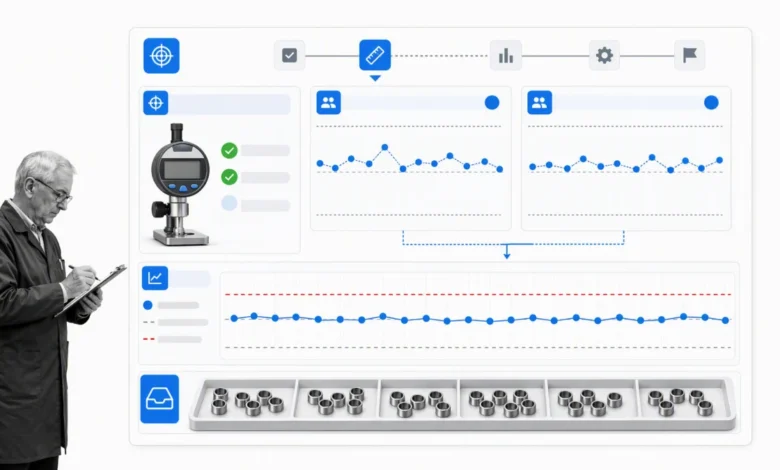
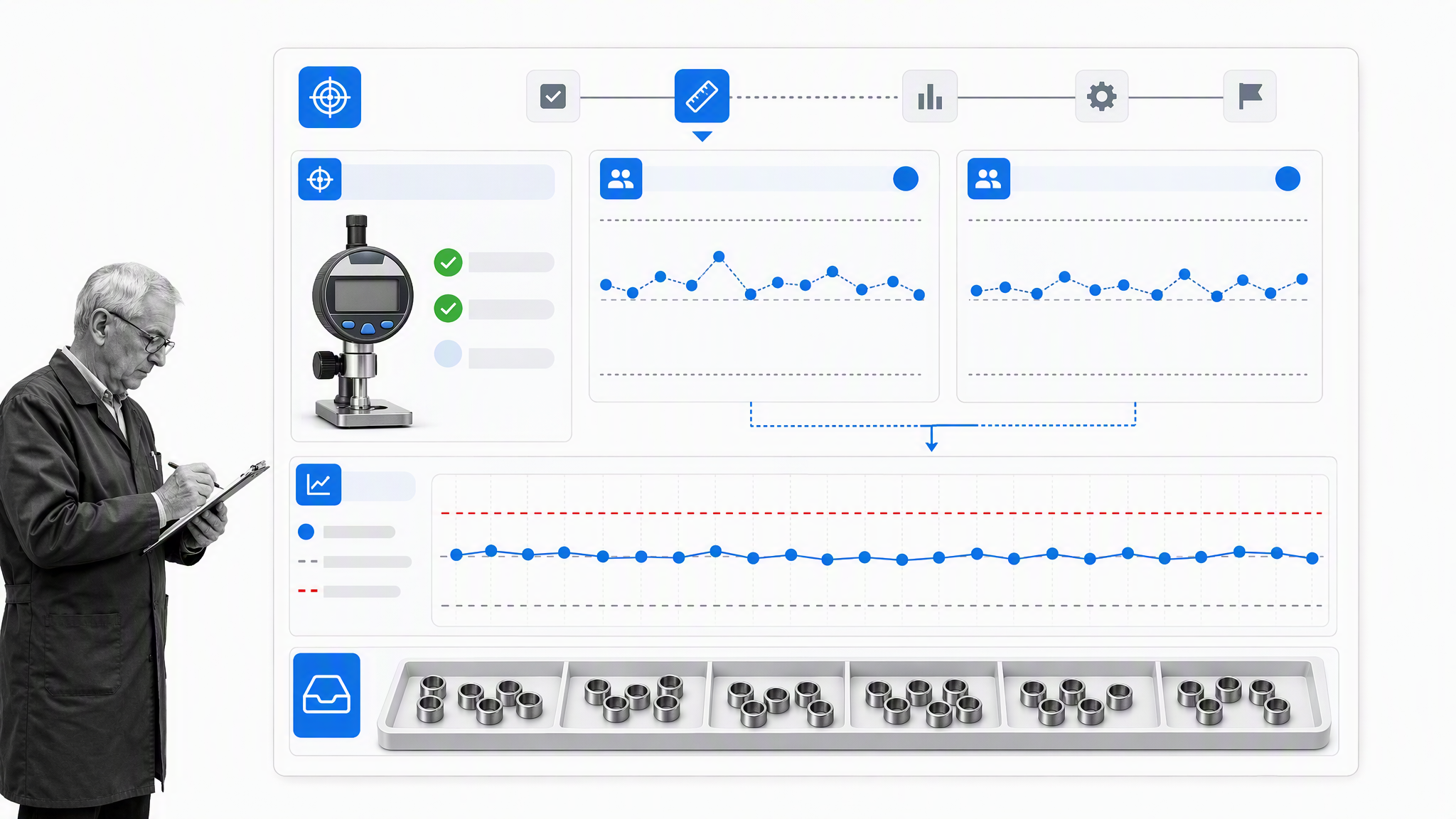
Before an improvement can be claimed, the current state of the process must be understood through data. The Measure phase is dedicated to establishing a reliable baseline. Teams must define what constitutes a "defect" and validate the measurement system itself.
A common pitfall in this stage is the reliance on historical data that may have been collected inconsistently. To mitigate this, practitioners often perform a Gage Repeatability and Reproducibility (GR&R) study. This ensures that the data collection methods are accurate and that the metrics—such as cycle time, error rates, or yield—are consistent regardless of who is performing the measurement.
3. Analyze: Identifying Root Causes
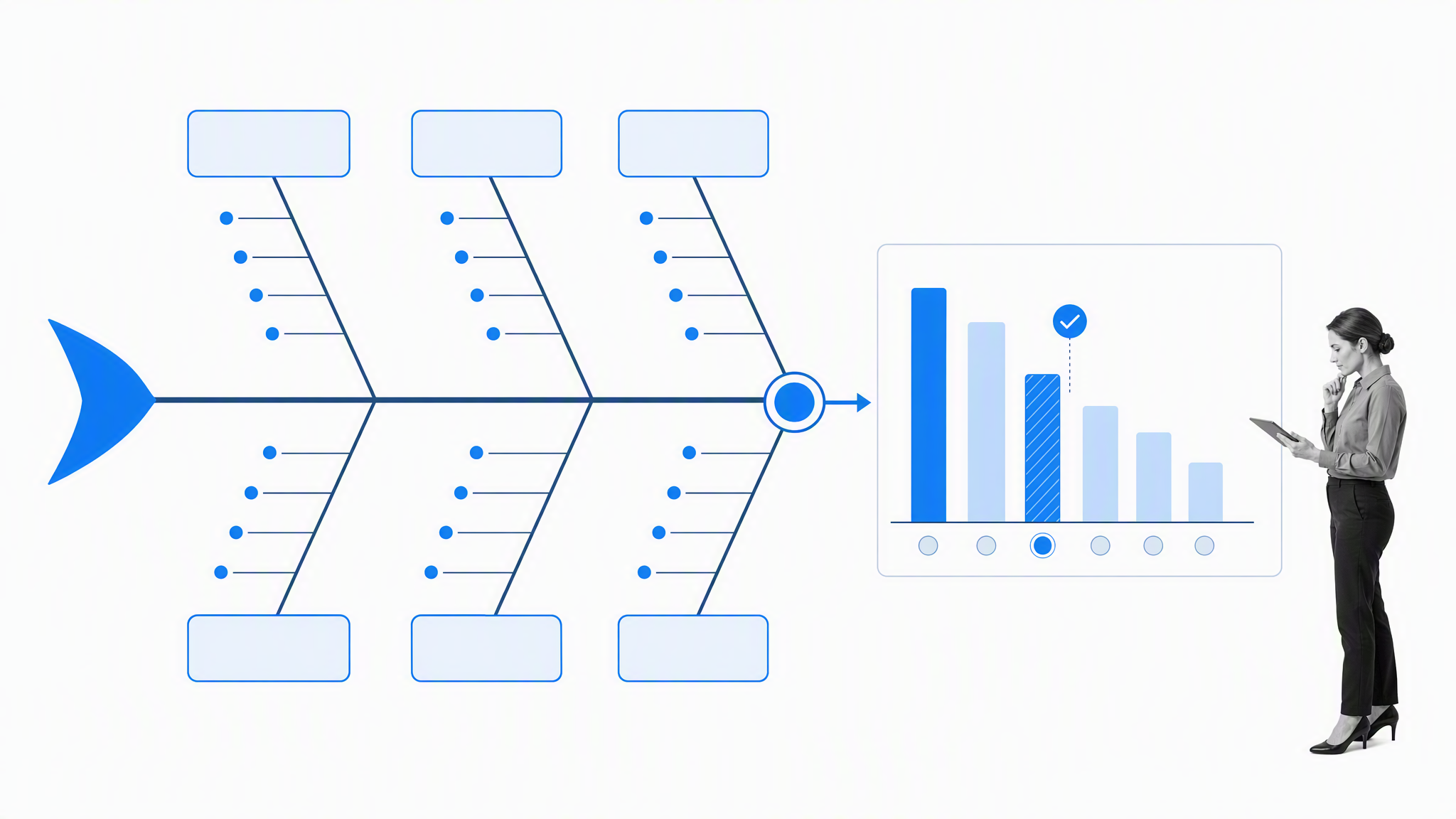
With a baseline established, the focus shifts to identifying the "Vital Few"—the specific variables (Xs) that have the greatest impact on the output (Y). This is where the Y=f(x) relationship becomes the primary analytical lens. Teams use diagnostic tools such as the Fishbone (Ishikawa) Diagram to visualize potential causes across six categories: Machine, Material, Nature, Measure, Method, and People.
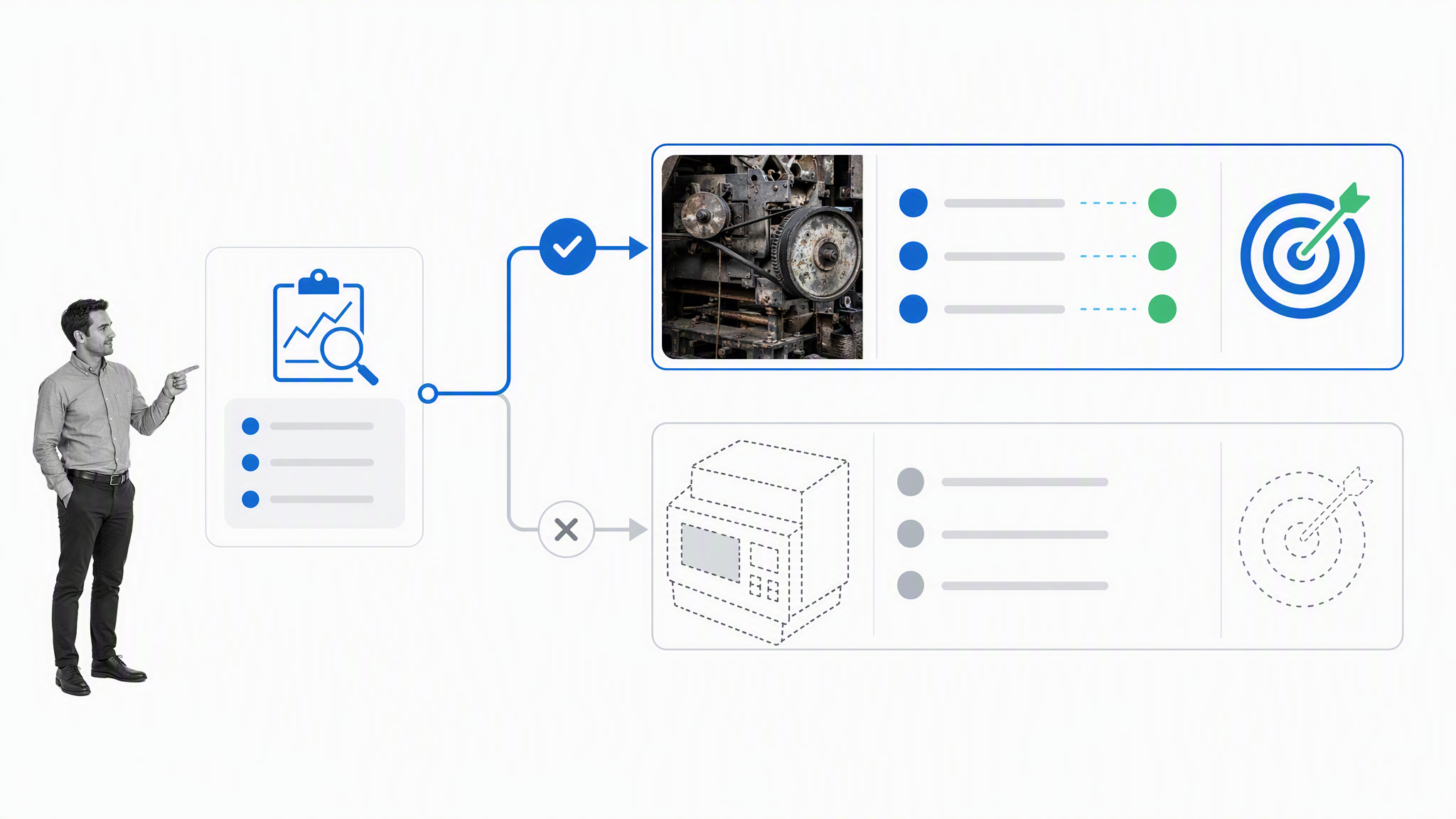
The "5 Whys" technique is frequently employed here to peel back the layers of a symptom to reach the underlying process failure. By utilizing a Pareto Chart, teams can prioritize which root causes to address, ensuring that the most impactful changes are tackled first.
4. Improve: Designing and Testing Solutions
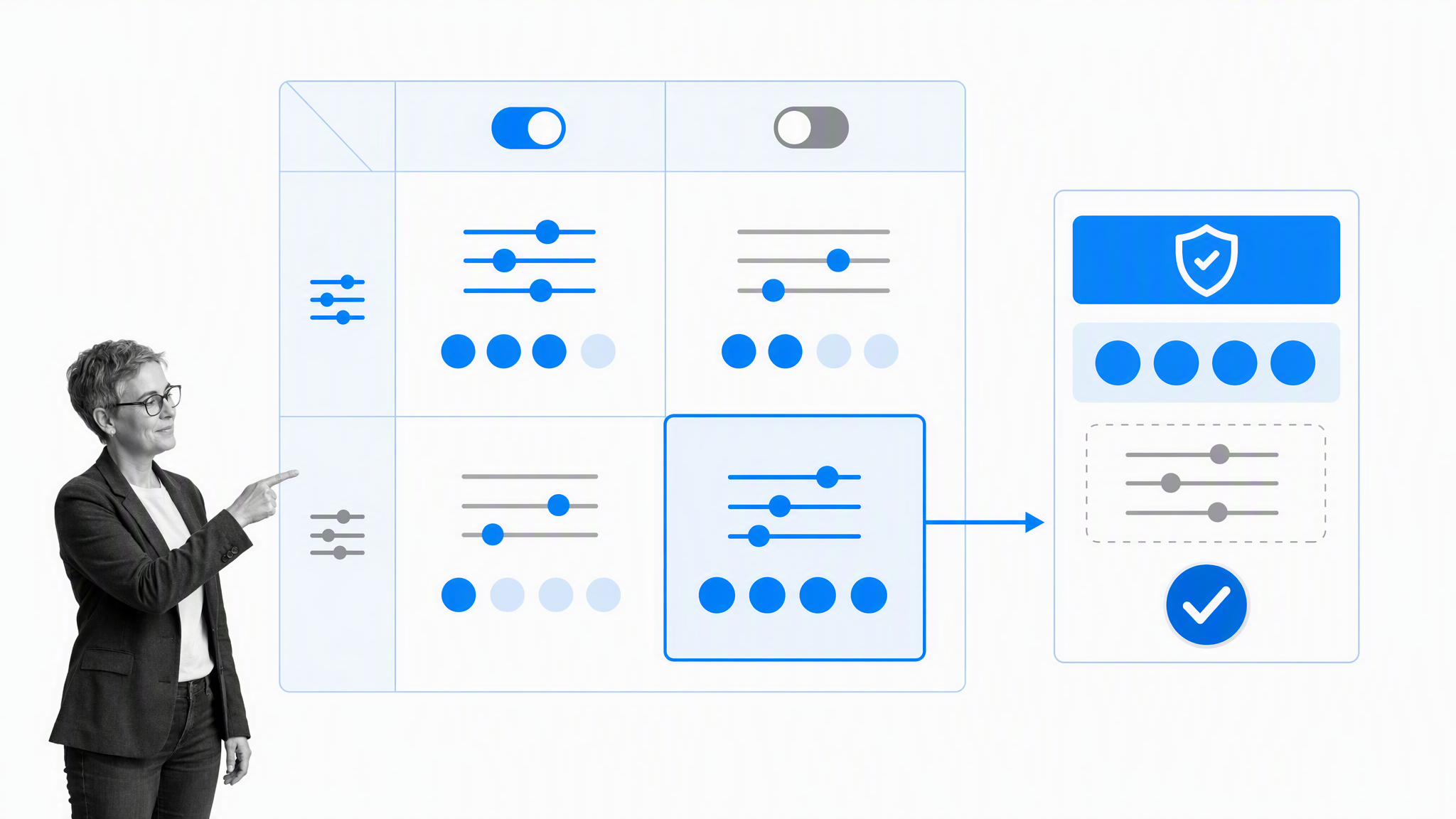
Once the root causes are isolated, the Improve phase moves from theory to application. This stage often involves Design of Experiments (DOE), a statistical approach that allows teams to test multiple variables simultaneously. Unlike the traditional "trial and error" approach, DOE provides a mathematical basis for determining which changes will yield the most significant performance gains.
Before a full-scale rollout, solutions are subjected to pilot programs. These pilots must be conducted under controlled conditions to observe unintended consequences. If a change improves the primary metric but negatively impacts downstream safety or compliance, the solution must be iterated upon or rejected.

5. Control: Sustaining Gains and Preventing Backsliding
The final stage, Control, is often the most overlooked yet critical phase. To ensure that improvements are not temporary, the team implements a Control Plan. This includes the use of Statistical Process Control (SPC) charts, which monitor performance in real-time. If the process deviates from the established parameters, the plan triggers a pre-defined response, ensuring that the process remains in a state of statistical stability.
Strategic Implications and Industry Adoption
The adoption of DMAIC has significant implications for operational risk management. In high-stakes industries such as aerospace, healthcare, and automotive manufacturing, the rigor of DMAIC is not merely an efficiency tool; it is a safety mandate. By forcing a systematic review of every process, organizations reduce the likelihood of "special cause" variations that lead to catastrophic failures.
Furthermore, the integration of DMAIC with modern digital platforms has enhanced its utility. Today, organizations utilize "Compliance Operations Platforms" that automate the tracking of evidence and provide real-time dashboards for Process Owners. This digitizes the "Control" phase, moving away from manual paper-based logs toward automated workflow triggers.
Data-Driven Reality vs. Theoretical Ideal
It is important to recognize that DMAIC is not a panacea. The methodology is specifically designed for improving existing processes. When an organization seeks to design a completely new process or product from the ground up, practitioners often turn to DMADV (Define, Measure, Analyze, Design, Verify).
Data from the International Society of Six Sigma Professionals suggests that projects failing to adhere to the Define phase are 70% more likely to experience "scope creep," ultimately leading to project abandonment. Conversely, projects that invest adequate time in the Measurement and Analysis phases demonstrate a 40% higher rate of sustained long-term performance improvement.
The Role of Leadership and Culture
The success of a DMAIC initiative is highly dependent on organizational culture. Roles such as "Champions" (executives who remove barriers) and "Black Belts" (the project leads responsible for the statistical heavy lifting) define the hierarchy of the project. Without the active support of leadership to allocate resources, the "Green Belts" and other team members tasked with execution often struggle to maintain the necessary focus.
As companies evolve, the DMAIC cycle itself should be viewed as part of a broader Kaizen, or continuous improvement, philosophy. The end of one DMAIC project should not be viewed as a finish line, but as a new starting point. By documenting lessons learned and maintaining the established baseline, an organization creates a institutional memory that makes subsequent improvement cycles more efficient.
Future-Proofing the Methodology
As artificial intelligence and machine learning become integrated into industrial workflows, the DMAIC framework is undergoing its own transformation. AI-driven predictive analytics are now being used during the "Analyze" phase to identify correlations that were previously invisible to human analysts. Similarly, machine learning models are assisting in the "Control" phase by predicting process drifts before they exceed specification limits.
However, the core tenets remain unchanged. Regardless of the sophistication of the tools used, the success of process improvement remains anchored in the discipline of the DMAIC cycle: making the problem explicit, testing assumptions against objective evidence, and ensuring that gains are locked in through rigorous, standardized controls.
In conclusion, DMAIC remains the most reliable pathway for organizations to achieve measurable, sustainable, and scalable process excellence. Whether applied to a local service desk or a global manufacturing plant, the methodology’s demand for data and its insistence on systematic root-cause analysis provide a roadmap that transforms organizational performance from a matter of chance into a matter of design. By adhering to these five steps, businesses not only solve the problems of today but build the capacity to adapt to the complexities of tomorrow.