Navigating the complexities of modern product development requires more than a visionary concept and a dedicated team; it demands rigorous operational structure. In an era where product life cycles are shrinking and consumer expectations are at an all-time high, the journey from initial ideation to market launch is rarely a linear path. Product teams routinely face the daunting task of validating ideas, defining stringent technical requirements, building iterative development sprints, and orchestrating high-stakes go-to-market strategies. Without a unified framework to manage these competing priorities, organizations frequently fall victim to missed deadlines, fractured communication, and critical missteps that can derail a product before it ever reaches store shelves or digital marketplaces.

To combat these systemic vulnerabilities, industry standard practices increasingly rely on standardized, repeatable frameworks. Research from the Project Management Institute indicates that organizations utilizing formal, standardized methodologies experience significantly higher rates of project success and waste far less capital due to poor scope definition. Recognizing this operational bottleneck, project management software provider ProjectManager has released a comprehensive suite of seven free product management templates designed to cover the entire product life cycle. These resources are engineered to provide cross-functional teams with structured, customizable starting points, eliminating the need to build tracking infrastructure from the ground up for every new initiative.
The Anatomy of the Product Development Lifecycle

The release of these templates comes at a critical time for the technology and manufacturing sectors, where agile transformations and hybrid work models have made real-time collaboration both more essential and more difficult to maintain. Industry analysts note that miscommunication between engineering, product, and marketing departments remains the leading cause of product failure. By implementing standardized templates, companies can bridge the gap between high-level strategic vision and day-to-day execution.
The newly available suite addresses every phase of the product development lifecycle through a collection of seven distinct tools: the Product Development Template, Agile Sprint Plan Template, Product Roadmap Template, Product Launch Template, Product Backlog Template, Product Requirements Document (PRD) Template, and the Go-To-Market Strategy Template. Each tool is tailored to mitigate specific operational risks inherent to its respective phase, offering teams distinct advantages in visibility, accountability, and resource allocation.
Phase-by-Phase Breakdown of the Free Templates
-
The Product Development Template
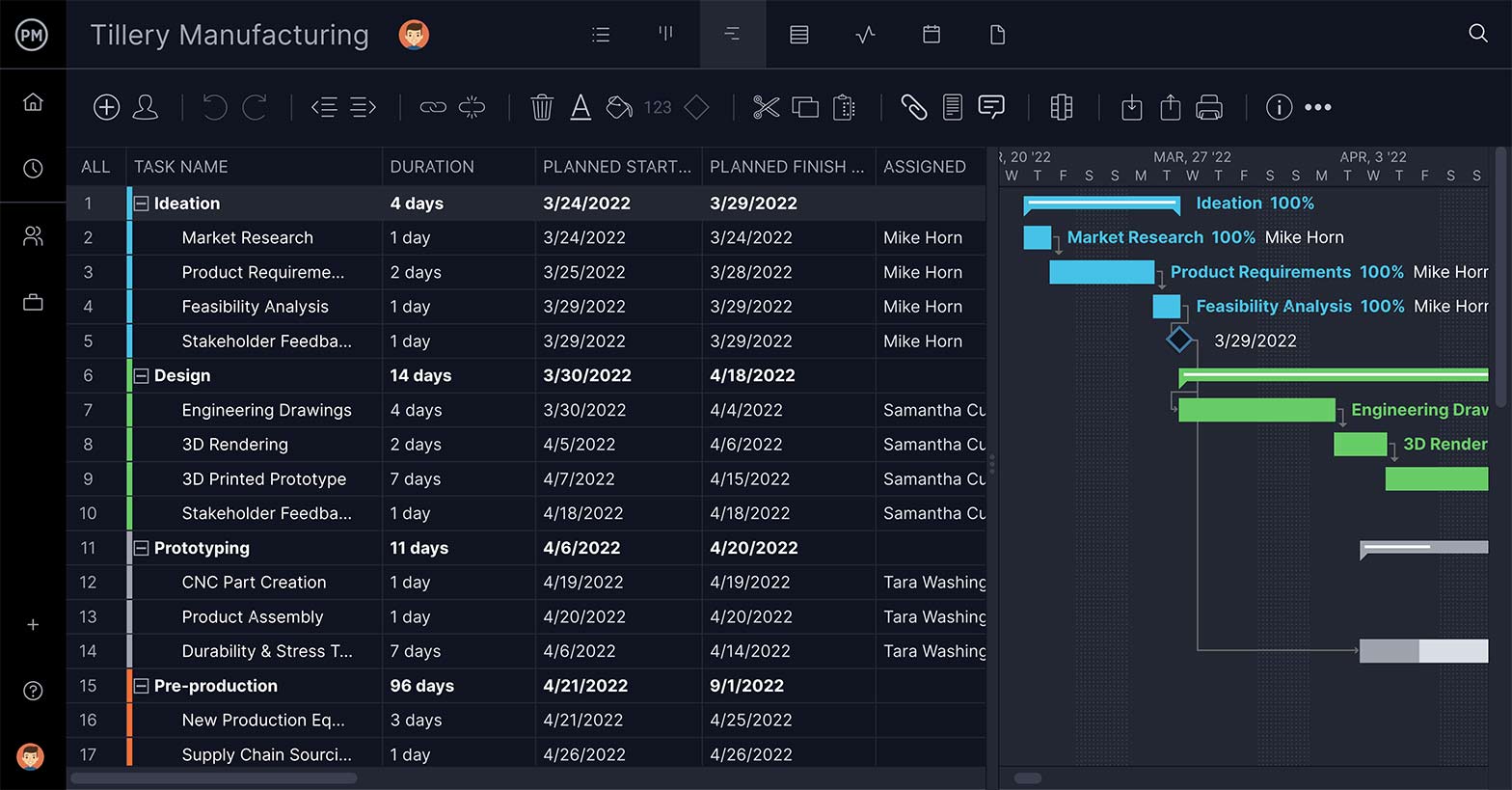
Moving a product from an abstract concept to a physical or digital release requires the careful choreography of dependent tasks across multiple departments. The Product Development Template offers a structured Gantt and spreadsheet framework designed to prevent hand-off failures. It features pre-built columns tracking start and finish dates, assigned team members, task priorities, planned versus actual costs, and overall percentage completion. Furthermore, the inclusion of subtasks and direct file attachment capabilities ensures that design specifications, technical schematics, and stakeholder feedback remain centralized. Teams can seamlessly toggle between Gantt charts, kanban boards, traditional spreadsheets, and calendar views depending on their operational preferences.
-
The Agile Sprint Plan Template
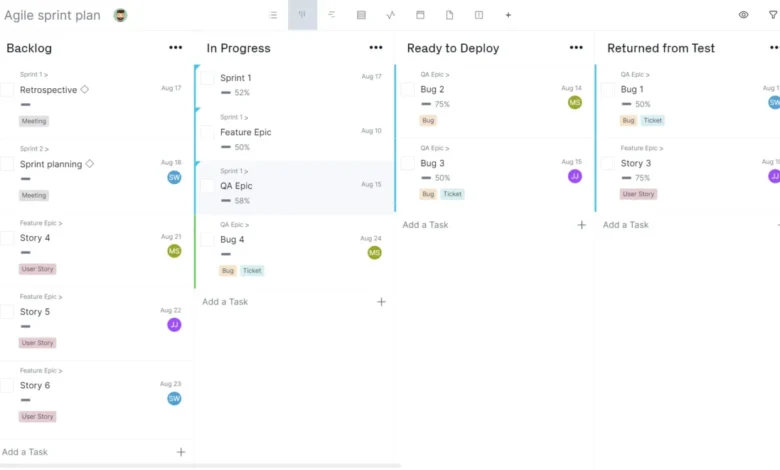
For software and iterative development teams, maintaining momentum requires disciplined sprint planning. The Agile Sprint Plan Template helps scrum masters and product owners organize work into manageable iterations, defining deliverables and tracking progress through customized workflows. By utilizing customizable kanban columns—such as Backlog, In Progress, Ready to Deploy, and Return from Test—teams can mirror their exact operational reality. Additionally, integrated roadmap views connect individual sprints to the overarching release schedule, ensuring that developers and executive stakeholders maintain visibility over both micro-level tasks and macro-level milestones. -
The Product Roadmap Template
Strategic alignment is often the hardest metric to achieve in large organizations. The Product Roadmap Template translates long-term product vision into a chronological timeline that bridges the gap between engineering and executive leadership. Organized by week, month, or quarter, the template features dedicated columns for deliverables, team assignments, and task dependencies. By establishing clear dependency links, the tool prevents bottlenecks from cascading across phases, while critical path filtering allows project managers to isolate essential tasks when compressed timelines threaten delivery dates.
-
The Product Launch Template
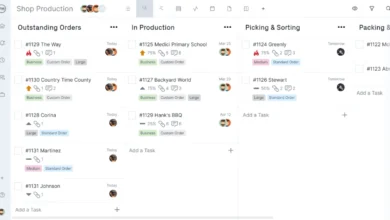
A technically brilliant product can still fail commercially if its market introduction is poorly coordinated. The Product Launch Template addresses the chaos of go-to-market execution by synchronizing communications, task assignments, and stakeholder updates across marketing, sales, and product teams. Utilizing a kanban-style layout, the template tracks foundational tasks such as user story definition, prototype testing, and feedback collection. Built-in time tracking and automated status reports ensure that leadership remains informed without requiring time-consuming status meetings. -
The Product Backlog Template for Excel
Serving as the foundational ledger for agile environments, the Product Backlog Template provides a prioritized repository for every feature, enhancement, and bug fix required prior to a product’s release. Designed for seamless integration with spreadsheet software and online collaboration tools, the template assigns each item a unique identifier, type, description, priority rating, and story point estimate. This systematic approach ensures that high-value features are never accidentally deprioritized, facilitating smooth transitions from the backlog into active development sprints.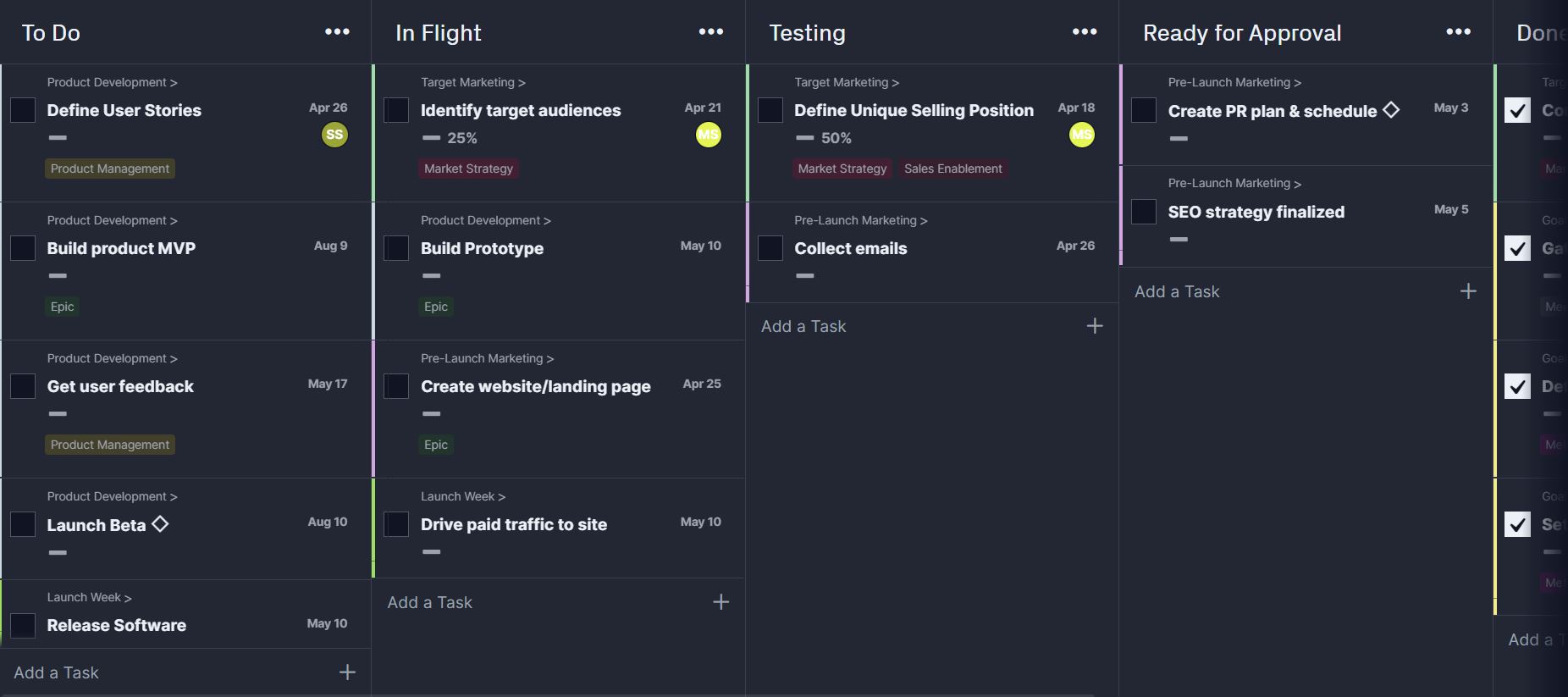
-
The Product Requirements Document (PRD) Template for Word
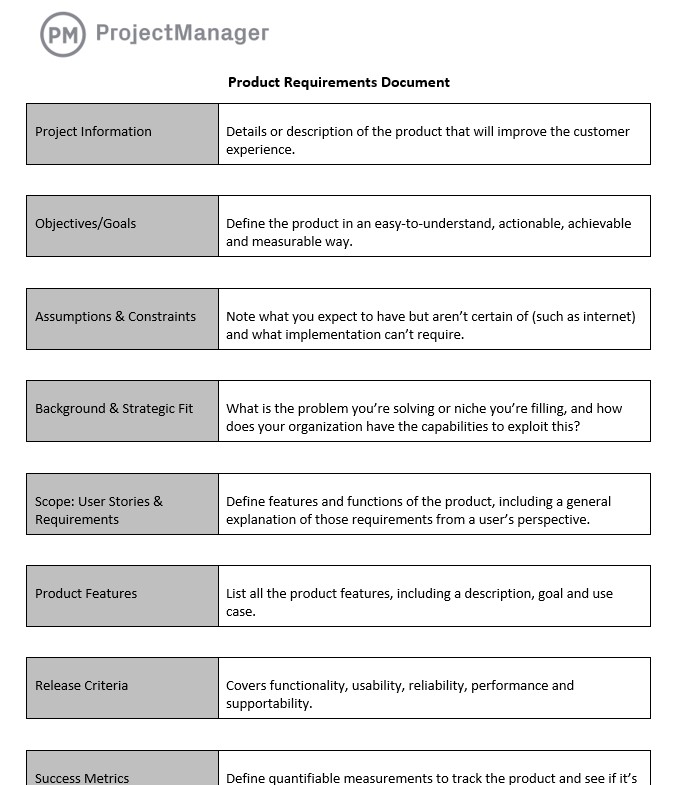
Before a single line of code is written or a prototype is molded, product teams must establish a definitive source of truth. The Word-based PRD template outlines objectives, core assumptions, user stories, feature lists, and release criteria within a structured, nine-section framework. By explicitly documenting strategic fit, scope, and explicit exclusions, the template prevents scope creep and ensures that engineering and quality assurance teams build precisely what stakeholders demand. -
The Go-To-Market Strategy Template for Excel
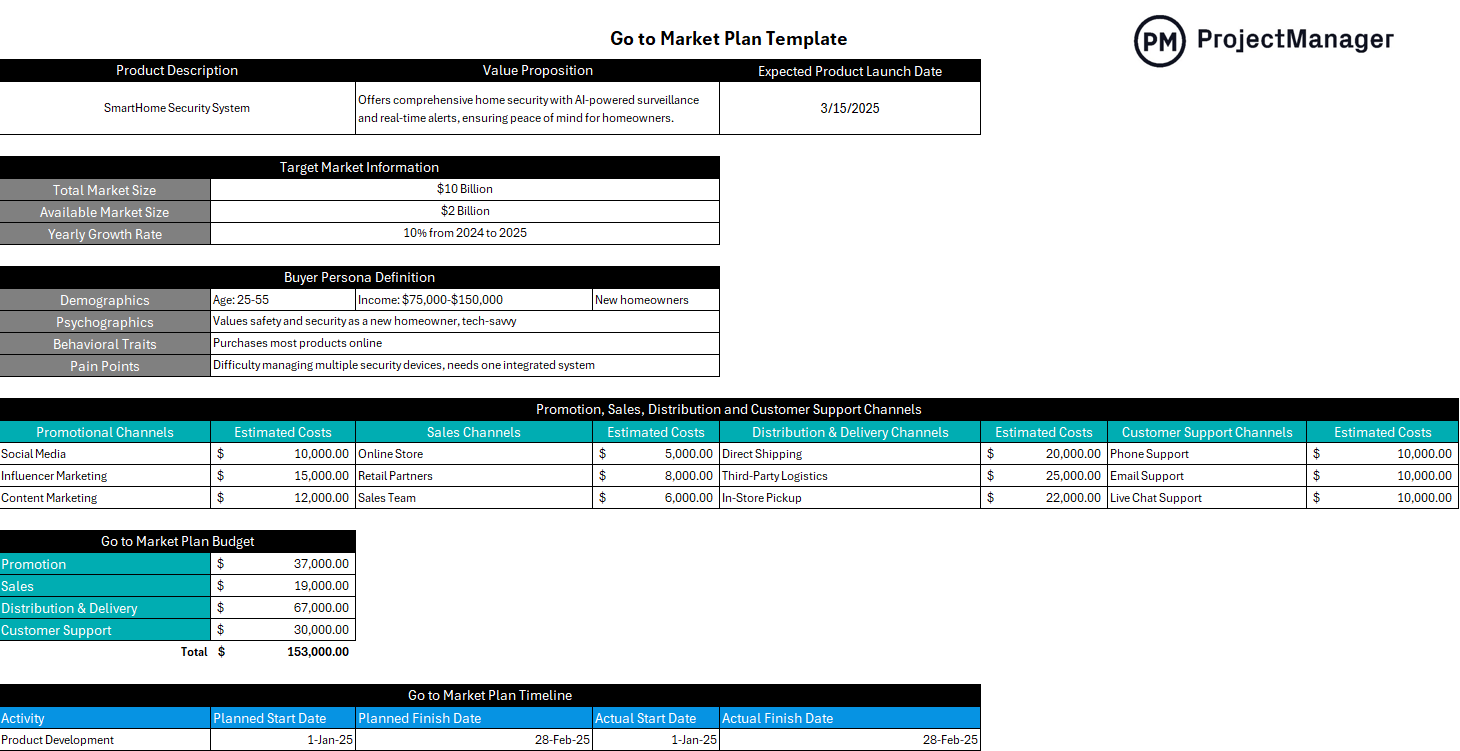
Closing the loop on product development, the Go-To-Market Strategy Template provides a rigorous framework to ensure that product launches are backed by data rather than intuition. Covering the five essential pillars of market entry—value proposition, comprehensive market analysis, buyer persona definition, budget allocation, and execution timelines—the tool helps teams quantify total addressable markets and properly fund promotional and sales channels before capital is irreversibly committed.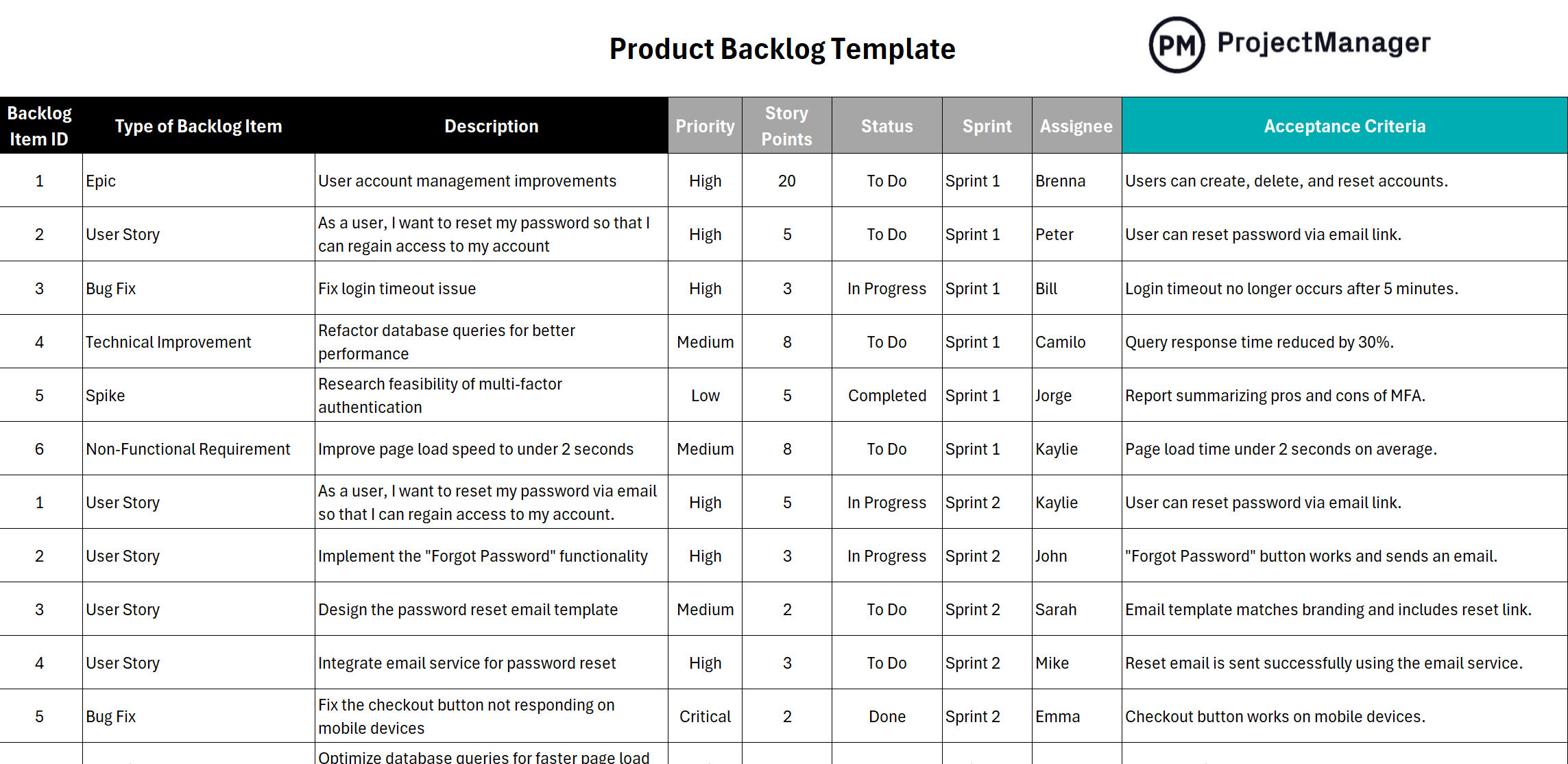
Bridging Templates and Real-Time Execution
While static templates provide an invaluable foundation, industry experts emphasize that sustainable product management ultimately requires dynamic, real-time visibility. Standalone spreadsheets and text documents can quickly become outdated in fast-moving environments, leading to version control issues and blind spots for leadership teams.
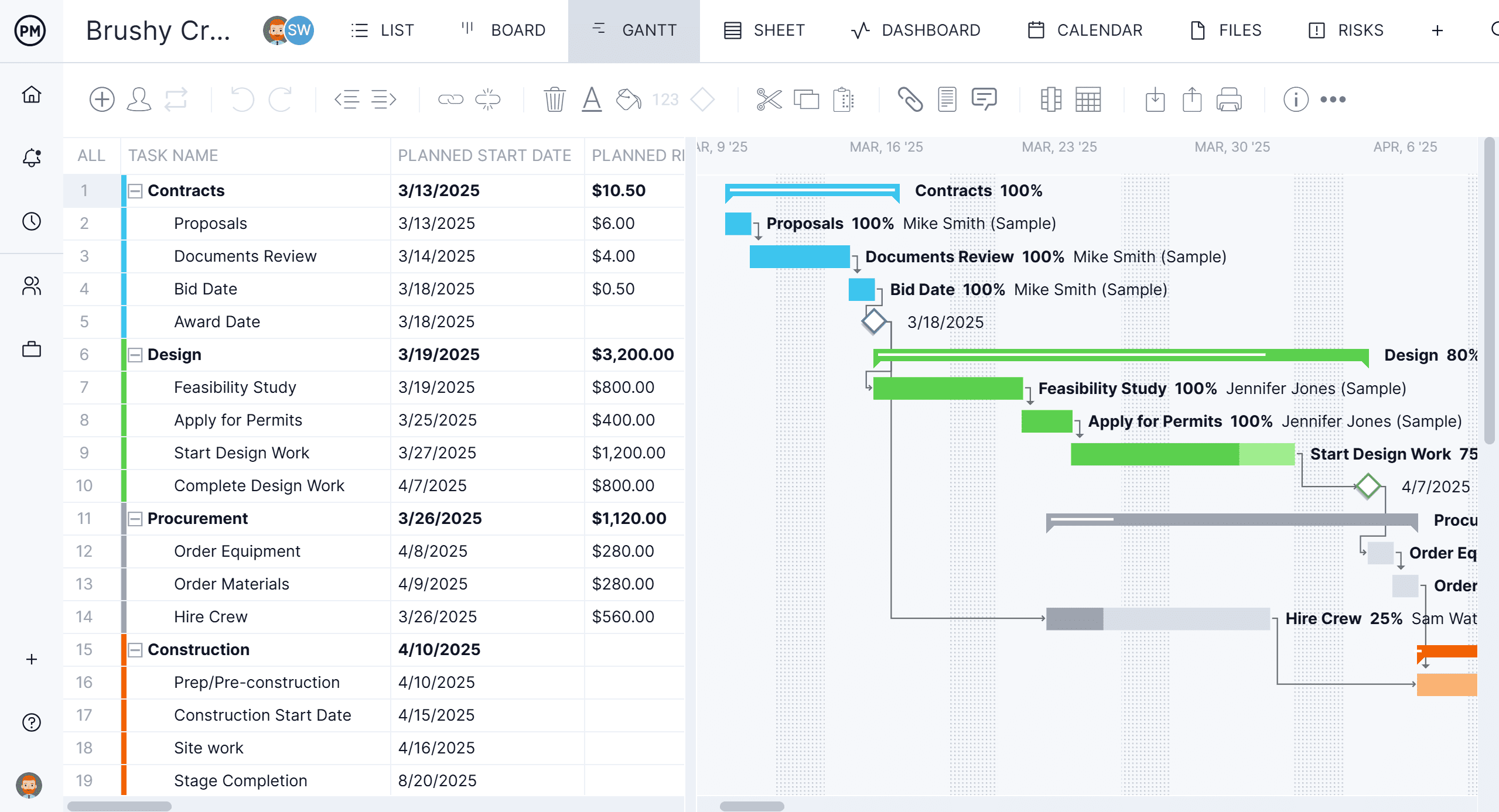
To address this limitation, ProjectManager integrates its free template library directly into a robust online project management ecosystem. This software environment allows product managers to transition seamlessly from static planning documents to interactive, real-time workspaces. Through advanced Gantt chart functionalities, teams can map out dependencies, identify critical paths, and watch progress update automatically as tasks are marked complete.
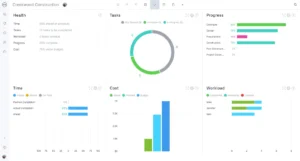
Furthermore, executive stakeholders benefit from comprehensive portfolio dashboards. These centralized interfaces utilize color-coded health indicators to surface budgetary anomalies, resource bottlenecks, and schedule variances before they escalate into critical failures. By pairing freely downloadable templates with scalable cloud-based software, organizations can standardize their workflows while retaining the agility required to adapt to sudden market shifts.
Implications and Future Outlook for Product Teams
The availability of these free resources reflects a broader industry trend toward democratization and operational efficiency in product development. As economic pressures force organizations to do more with less, the ability to rapidly deploy proven frameworks without incurring expensive software overhead is becoming a competitive differentiator.
Analysts suggest that companies adopting standardized product management frameworks typically experience shorter time-to-market metrics, reduced rework rates, and higher cross-functional morale. By establishing clear accountability and transparent communication channels early in the product lifecycle, businesses can minimize the friction that traditionally accompanies complex development cycles.
As product management continues to evolve alongside advancements in automation and remote collaboration, the foundational need for structured planning remains unchanged. Whether utilized as standalone Excel and Word documents or integrated into advanced portfolio management software, these seven free templates offer organizations a reliable pathway toward repeatable, scalable product success. Product teams and organizations interested in evaluating the complete ecosystem can access the templates directly through ProjectManager’s online resource hub, with extended platform trials available for teams looking to scale their operational infrastructure.