The Biggest Malls in the United States: A Comprehensive Analysis of Retail Megastructures and Urban Evolution

The modern American shopping mall has transcended its origins as a simple collection of storefronts, evolving into a complex, multi-purpose urban ecosystem that serves as a cornerstone of local economies, tourism, and community engagement. As retail trends shift toward experiential consumption, these retail behemoths have successfully adapted by integrating high-end luxury, indoor amusement, culinary diversity, and massive infrastructure to function as cities within cities. This analysis explores the most significant retail destinations in the United States, detailing their historical development, economic impact, and the strategic shifts that keep them relevant in an increasingly digital marketplace.
Historical Context and the Evolution of the Mega-Mall
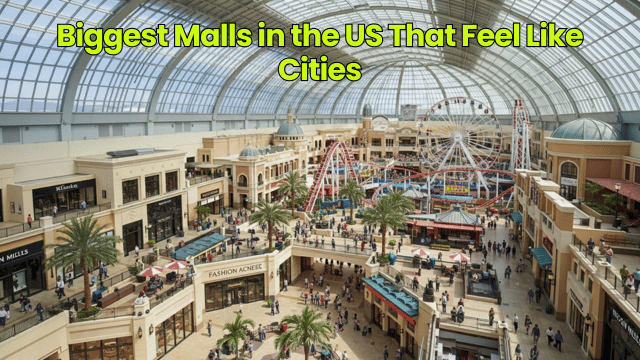
The concept of the enclosed regional shopping center traces back to the mid-20th century, pioneered by architects like Victor Gruen. Initially designed to provide a climate-controlled alternative to the suburban sprawl, these centers eventually expanded in scope during the 1980s and 1990s. This period marked the birth of the "mega-mall," a facility often exceeding 2 million square feet, designed to capture consumer time as much as consumer dollars. By diversifying their offerings to include entertainment—such as movie theaters, theme parks, and aquarium installations—these properties effectively decoupled themselves from the volatility of traditional retail cycles.
Mall of America: The Benchmark of Scale
Located in Bloomington, Minnesota, the Mall of America (MOA) remains the undisputed heavyweight of the American retail landscape. Spanning 5.6 million square feet, the facility is not merely a mall but a significant economic engine for the Twin Cities region. Since its opening in 1992, the MOA has operated on a unique architectural philosophy: the lack of a central heating system. By utilizing passive solar energy through massive skylights and capturing heat generated by the millions of visitors and high-intensity lighting, the facility serves as a case study in large-scale energy efficiency.
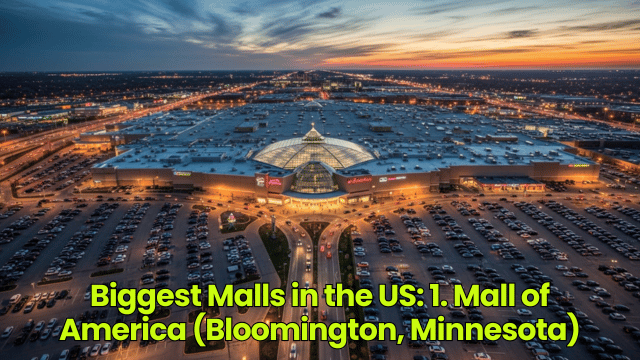
The economic footprint of the MOA is substantial, drawing approximately 40 million visitors annually. Beyond the 520 retail establishments, the integration of Nickelodeon Universe—a seven-acre indoor amusement park—and the Sea Life Minnesota Aquarium creates a destination that serves as a primary tourist attraction rather than a local convenience. As of early 2026, the mall continues to pivot toward experiential retail, with plans for a high-profile expansion including the world’s second Build-A-Bear x Hello Kitty and Friends Workshop, signaling a continued commitment to pop-culture-driven engagement.
South Coast Plaza and the Luxury Tier
In contrast to the massive, family-oriented scale of the Mall of America, South Coast Plaza in Costa Mesa, California, represents the pinnacle of luxury retail. Covering approximately 2.8 million square feet, South Coast Plaza serves as a primary cultural hub in Orange County. It consistently ranks among the highest-grossing malls in the United States in terms of sales per square foot.
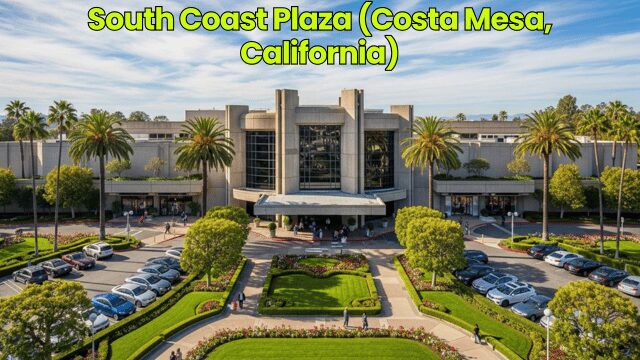
The mall’s business model is predicated on exclusivity. By curating a tenant mix that includes Chanel, Hermès, Louis Vuitton, and Prada, it targets a high-net-worth demographic that transcends local boundaries. The strategic proximity to the Segerstrom Center for the Arts further integrates the mall into the regional cultural fabric, hosting fashion exhibitions and gala events that bolster its reputation as a lifestyle destination rather than a retail outlet.
Strategic Infrastructure: The King of Prussia Model
The King of Prussia Mall in Pennsylvania serves as the quintessential example of East Coast retail dominance. Spanning 2.8 million square feet, the property underwent a massive structural integration project, connecting two previously disparate buildings to create a seamless retail corridor. Owned by the Simon Property Group, the mall functions as a regional logistics and retail hub, benefiting from its strategic placement at the intersection of major transit arteries outside Philadelphia.
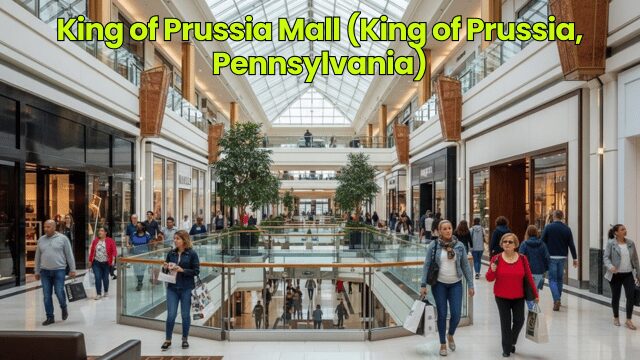
The inclusion of the iFLY indoor skydiving center and a highly diverse food court demonstrates a strategic move to capture the "day-trip" market. By offering a blend of department store staples like Nordstrom and Neiman Marcus alongside high-volume retailers like H&M and Zara, the mall maintains a broad demographic reach that is essential for weathering economic downturns.
Urban Integration and the Future of Retail in Florida and Nevada
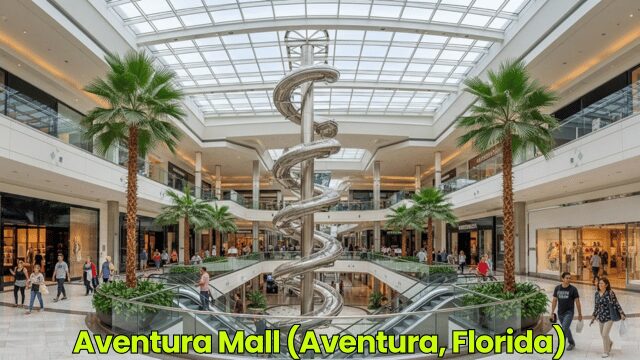
Aventura Mall in Florida and the Fashion Show Mall in Nevada illustrate the shift toward urban-integrated retail. Aventura Mall, the fifth-largest in the U.S., has successfully incorporated a "community-first" approach. Its weekly farmers market and the inclusion of the Aventura Slide Tower—a functional art installation—provide tangible reasons for residents to visit even when they are not actively shopping. This strategy is critical in an era where e-commerce is the default for commodity goods.
In Las Vegas, the Fashion Show Mall on the Strip represents the intersection of retail and spectacle. With its iconic Cloud structure and a permanent runway for live fashion shows, the mall serves as an extension of the Las Vegas entertainment experience. It captures the heavy foot traffic of the Strip, utilizing extended hours to cater to a 24/7 tourist economy.
The Role of Technology in the Silicon Valley Retail Experience
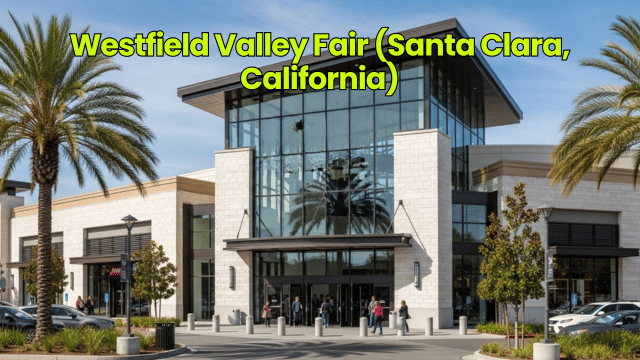
Westfield Valley Fair in Santa Clara, California, provides a unique look at how technology-driven retail adapts to its environment. Situated in the heart of Silicon Valley, the mall’s tenant mix is heavily influenced by the tech-savvy nature of its consumer base. The presence of expansive flagship stores for Apple and Tesla, combined with high-end dining, mirrors the lifestyle of the region’s workforce. The mall’s heavy investment in digital directories, mobile-integrated navigation, and modernized infrastructure highlights a shift toward "frictionless" shopping, where the physical store acts as an extension of the digital experience.
The Texas Factor: The Galleria
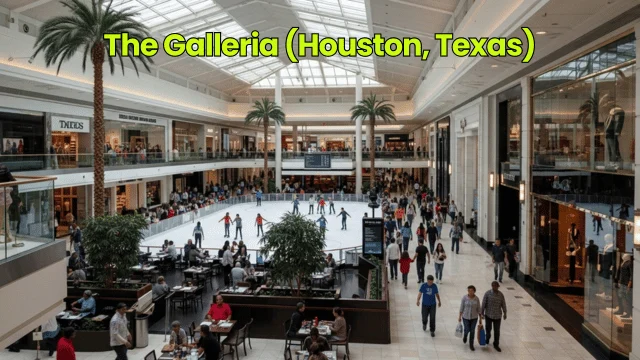
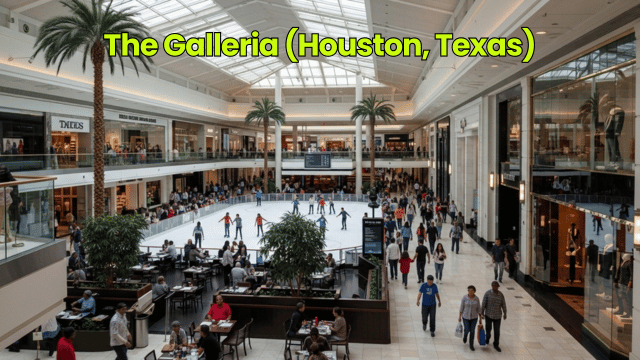
The Galleria in Houston, Texas, reflects the state’s penchant for scale and luxury. As the largest shopping center in Texas, it serves as an economic anchor for the Uptown District. With 375 stores and an internal infrastructure that includes two high-rise hotels, a private health club, and a full-size ice rink, the Galleria functions as a micro-city. Its ability to maintain such a massive, multi-use environment demonstrates the viability of high-density retail in major metropolitan areas, even as traditional malls in lower-growth areas struggle.
Comparative Analysis: The Canadian Influence
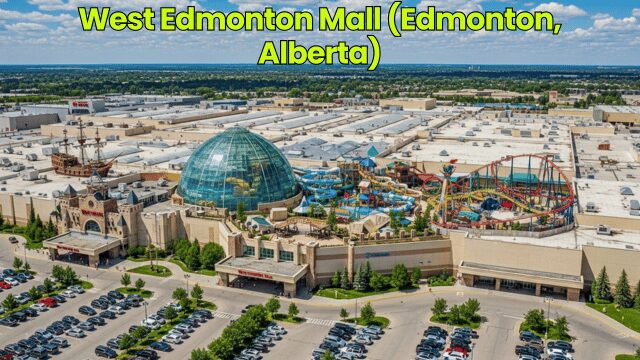
While West Edmonton Mall is located in Alberta, Canada, it is frequently analyzed in conjunction with American megastructures due to its influence on North American retail standards. Spanning 5.3 million square feet, it serves as the blueprint for the "entertainment-first" mall. By incorporating a massive water park, a full-sized skating rink, and a zoo, it set the precedent that has since been adopted by many U.S. developers: that a mall must be a destination for a multi-day stay rather than a multi-hour visit.
Economic Implications and Industry Resilience
The endurance of these massive shopping centers offers a compelling counter-narrative to the "retail apocalypse" theory. While smaller, unanchored malls have faced significant decline, these mega-malls have proven resilient by:
- Diversifying Revenue Streams: Shifting from a pure lease-per-square-foot model to a hybrid model that includes ticketing for entertainment, parking revenue, and premium advertising space.
- Experiential Integration: Moving beyond product display to create "Instagrammable" moments and interactive experiences that cannot be replicated online.
- Strategic Location: Capitalizing on proximity to major transportation hubs and high-density residential corridors.
- Tenant Agility: Replacing underperforming department stores with diverse lifestyle tenants, including fitness centers, medical offices, and co-working spaces.
Future Outlook
As the retail landscape continues to evolve, the distinction between the "mall" and the "city" will likely blur further. Developers are increasingly looking toward mixed-use zoning, which allows for the integration of residential housing and office space directly into the retail footprint. This transition represents the next logical step for the biggest malls in the U.S. By creating a self-sustaining ecosystem where consumers can live, work, and shop, these megastructures are securing their relevance for the next generation of retail.
The success of these properties demonstrates that physical retail is not dying; it is, however, being fundamentally redefined. The malls that thrive in the coming decades will be those that continue to view themselves as community hubs rather than simple marketplaces. As these institutions continue to invest in infrastructure, art, and entertainment, they will remain vital components of the American landscape, serving as the modern-day town square for an increasingly digital society.