Travelers frequently operate under the misconception that the most profound experiences in a new city are gated behind ticket counters, membership fees, and premium tour packages. However, an analysis of urban tourism patterns reveals that the most authentic cultural, historical, and social interactions are often found in public spaces that require no financial investment. By shifting the focus from high-cost "blockbuster" attractions to the inherent offerings of a city—such as public institutions, civic infrastructure, and community-driven markets—travelers can gain a deeper, more accurate understanding of a destination’s character.
The Institutional Landscape: Leveraging Publicly Funded Culture
The assumption that cultural immersion requires admission fees is frequently challenged by the existence of vast, publicly funded museum networks. In the United States, the Smithsonian Institution serves as a primary example of this model. Established by an Act of Congress in 1846, the Smithsonian now comprises 21 museums and the National Zoo, all of which offer free general admission. According to the institution’s annual reporting, this model serves millions of visitors annually, ensuring that cultural history remains accessible regardless of a patron’s socioeconomic status.
Similarly, in the United Kingdom, the British Museum and several other national institutions abolished general admission charges in 2001, following a government-led policy initiative. Data from the UK’s Department for Culture, Media and Sport consistently shows that free entry has led to a significant increase in attendance among lower-income households and younger demographics. The strategic implication for the modern traveler is clear: while temporary "blockbuster" exhibitions are curated to generate revenue through ticket sales, permanent collections often contain the most significant historical and anthropological artifacts, providing a comprehensive view of the destination’s heritage without a price tag.
Urban Planning as a Catalyst for Exploration
The methodology of exploring a city through self-guided walking tours has gained traction as an alternative to commercialized sightseeing. Urban planners often design city centers to facilitate movement, creating corridors that connect historical landmarks, architectural points of interest, and green spaces. By prioritizing a single neighborhood rather than attempting to visit multiple disparate tourist hubs, travelers can observe the nuanced rhythms of local life—an approach supported by the "15-minute city" urban planning concept, which emphasizes localized accessibility.
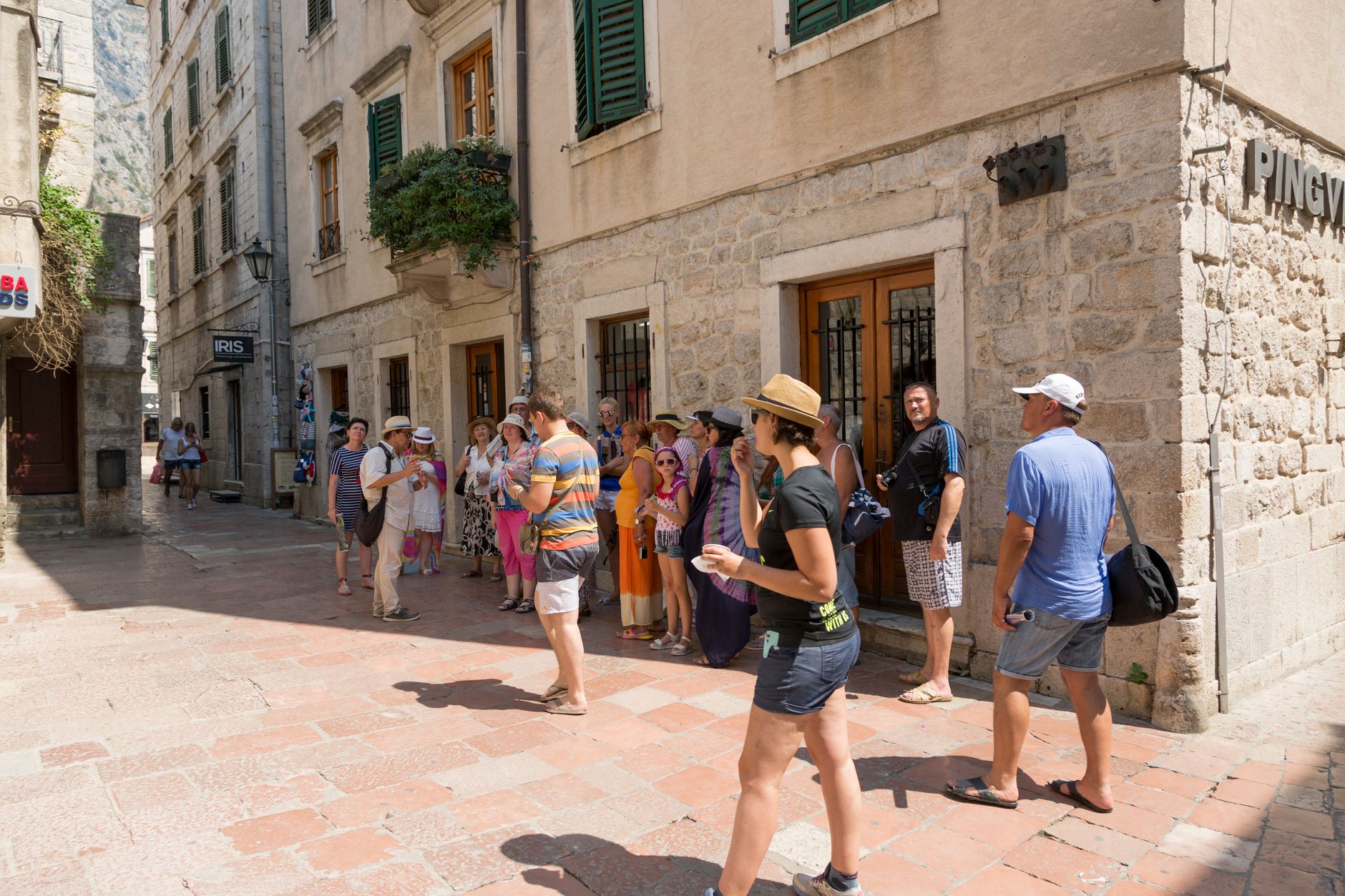
Official tourism boards, such as those in Berlin, Barcelona, and Dublin, have increasingly invested in digital resources to support this type of independent navigation. By utilizing map-based itineraries provided by municipal websites, travelers can engage with the city’s layout on their own terms. Furthermore, the rise of "free" or tip-based walking tours has created a new ecosystem for local knowledge sharing. These tours, often led by independent local historians or residents, operate on a gratuity-based model. Unlike high-priced corporate tours, these initiatives are designed to foster direct engagement, allowing the guide to provide candid context about local politics, neighborhood history, and social shifts that are rarely captured in official, sanitized brochures.
The Economic and Social Utility of Public Markets
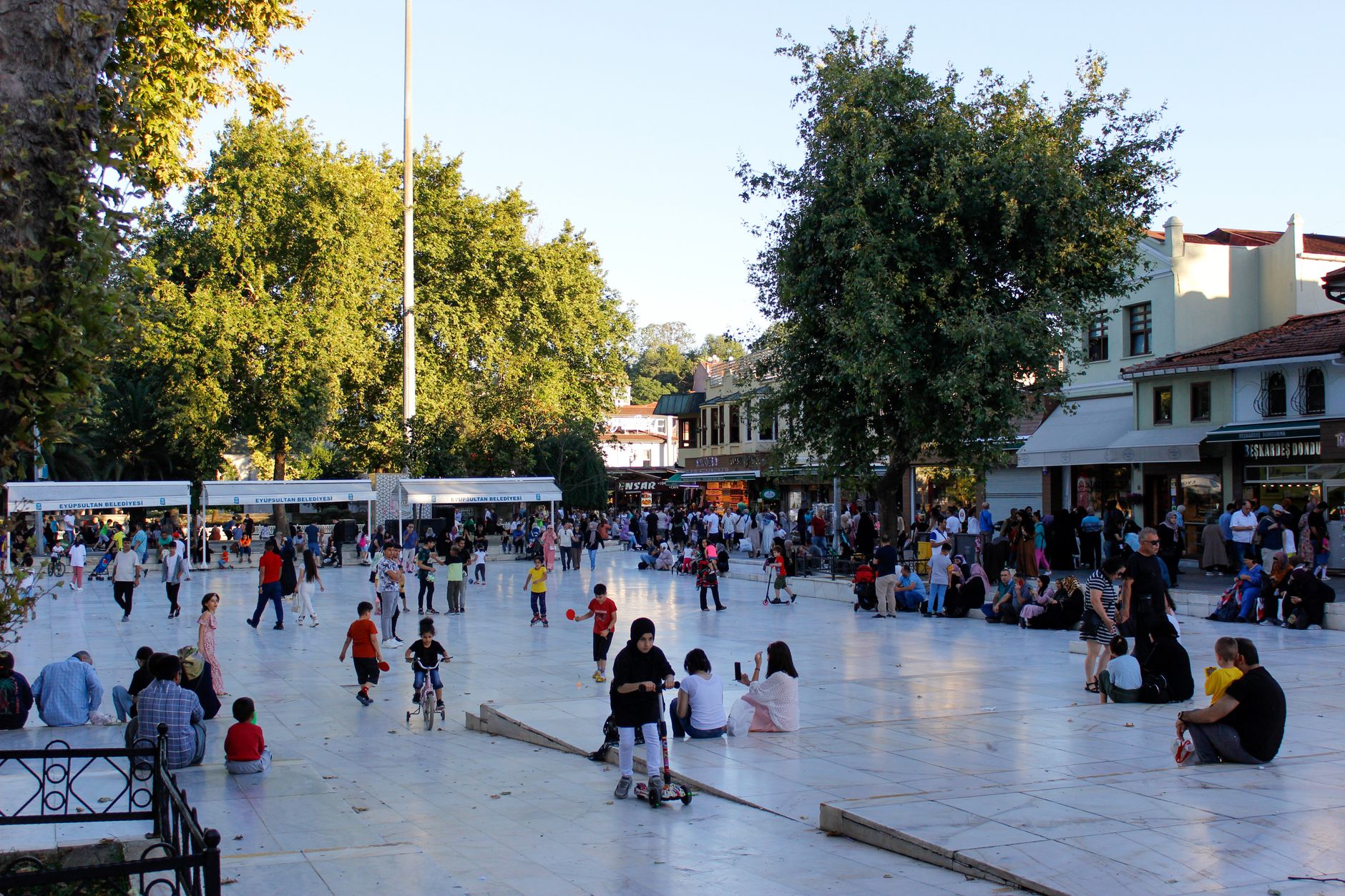
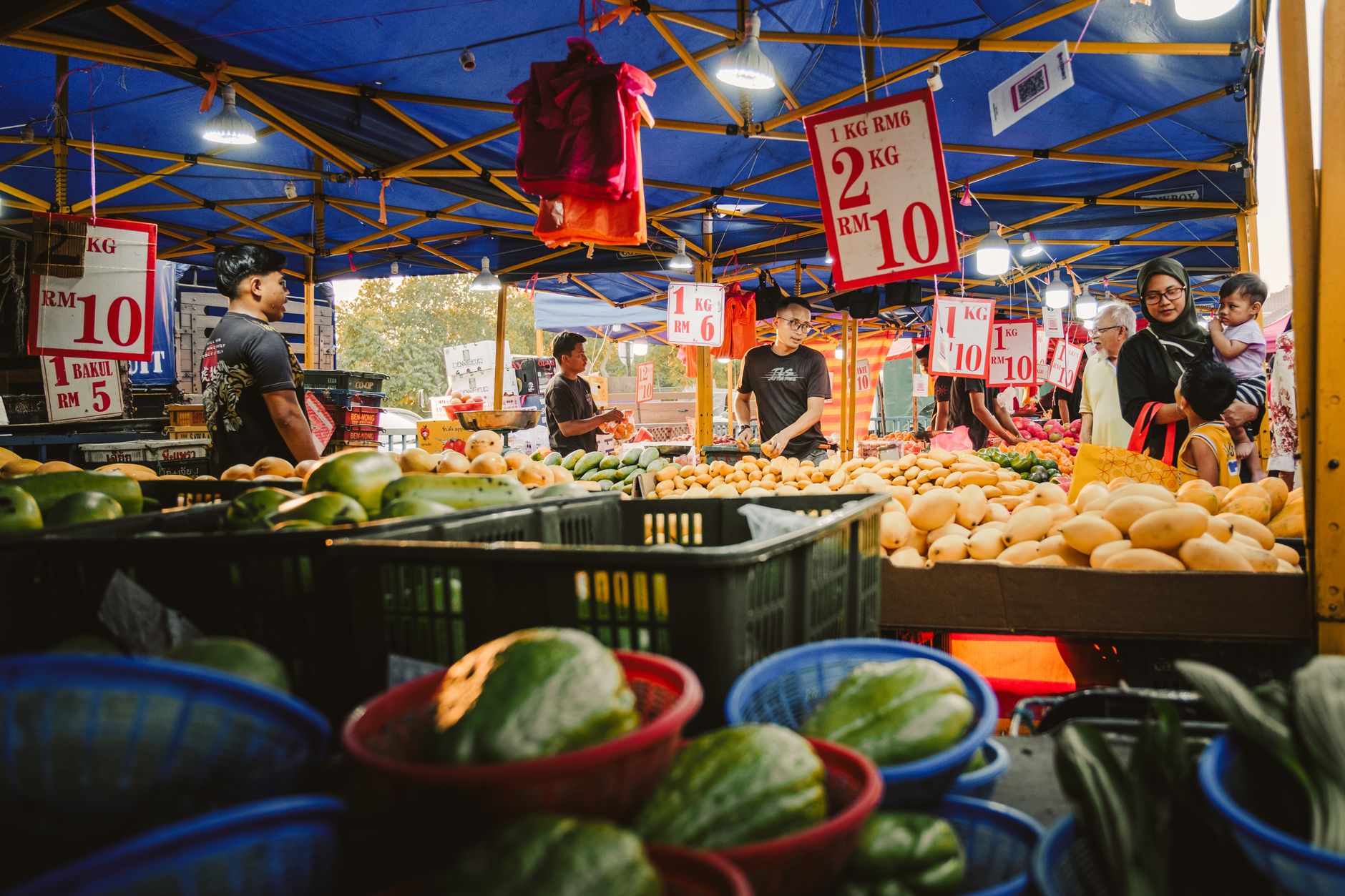
Local markets serve as the central nervous system of urban trade and social interaction. From the farmers markets in the United States to the expansive night markets across Southeast Asia and the flea markets of Europe, these spaces provide a lens through which a traveler can understand the local economy. Research in urban sociology suggests that markets act as "third places"—social environments distinct from the home and the workplace—that encourage cross-cultural interaction.
Beyond the retail aspect, markets function as hubs for local agriculture, artisan craft, and culinary evolution. For the traveler, these spaces are essentially free ethnographic exhibitions. Visiting these markets during off-peak hours—typically within the first hour of opening—is recommended not only for a quieter experience but also for the opportunity to observe the logistical preparation of the city’s commerce. The absence of an entry fee does not diminish the value; rather, it allows for a more fluid interaction with local vendors, often leading to unplanned culinary experiences or insights into local food security and supply chains.
Parks and Elevated Infrastructure: The "Locals’ View"
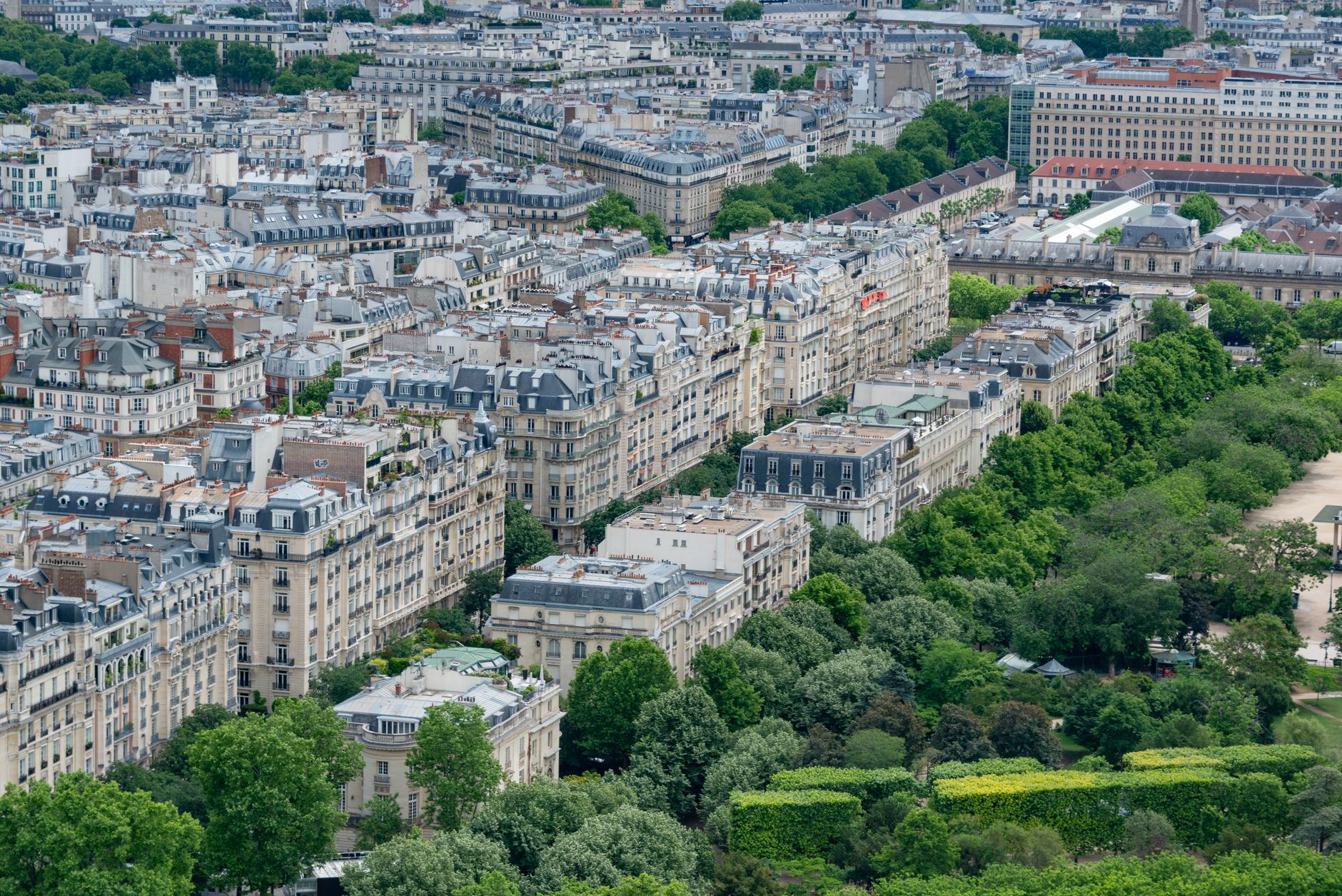
Urban green spaces and elevated walkways have become increasingly vital in the modern metropolitan landscape. Notable examples, such as the High Line in New York City or Parliament Hill in London, represent significant investments in public infrastructure that provide high-value, no-cost viewpoints. The High Line, a former elevated freight rail line, was transformed into a public park through a public-private partnership, and it has since become a global case study for adaptive reuse.
Data from the National Park Service in the United States highlights that public access to monuments and protected areas is a pillar of national tourism. These spaces provide the necessary orientation for a visitor to understand the city’s geography. Whether it is a waterfront promenade or a hilltop lookout, these vantage points offer a visual map of the city’s expansion, which is often more educational than a static paper map or a digital navigation tool.
Navigating the Calendar of Free Community Events
Cities are perpetually hosting community-organized events that are rarely advertised to tourists. These include outdoor concerts, seasonal festivals, gallery openings, and public lectures. Digital platforms such as Eventbrite, Meetup, and localized social media groups have streamlined the discovery of these events.
From a logistical perspective, the most effective way to identify these opportunities is through a structured pre-arrival research workflow. This includes:
- Consulting the municipal "What’s On" calendar maintained by the city’s tourism office.
- Reviewing regional news outlets, which typically feature "Weekend Best" or "Free This Week" segments.
- Checking university or local library event boards, which are often the hosts for free public lectures and film screenings.
The emergence of these events is often tied to seasonal patterns—summer concert series, winter light festivals, and spring farmers market inaugurations. These events are specifically designed to stimulate local engagement and foster community identity, providing the traveler with an authentic look at the city’s social fabric.
The Strategic Value of the "No-Spend" Approach
The "no-spend" day is not merely a budgetary constraint; it is a tactical shift in travel philosophy. When a traveler removes the pressure of "justifying" the cost of an attraction, the itinerary becomes more flexible. This allows for spontaneous detours—such as following a street that leads to an unlisted architectural marvel or finding a neighborhood café that would have been ignored in a rush to hit a ticketed site.

Industry analysis from publications such as Travel + Leisure suggests that the most enduring travel memories are rarely associated with expensive observation decks or luxury experiences. Instead, they are tied to moments of serendipity: a conversation in a market, a quiet moment in a public park, or a chance encounter during a self-guided walk. By prioritizing these experiences, the traveler moves from being a passive consumer of tourism to an active participant in the city’s daily life.
Ultimately, the decision to seek out free, public-access experiences is a strategy for long-term travel sustainability. It mitigates the common frustration of over-tourism and allows for a deeper, more meaningful connection with the destination. As urban centers continue to evolve, the value of these public assets will only increase, making the ability to navigate them effectively an essential skill for the modern, informed traveler.