The global automotive landscape finds itself at a complex crossroads, torn between aggressive zero-emission mandates, shifting consumer realities, and the massive capital expenditures required to pivot powertrain technologies. While traditional combustion engines are steadily being phased out of corporate planning departments worldwide, alternative propulsion methods face distinct economic and infrastructural hurdles. Recent commentary from senior figures at Hyundai Motor Group highlights these friction points, offering a rare glimpse into the corporate hesitation surrounding alternative fuel vehicles. Specifically, the automaker’s regional division in Australia has clarified that while passenger car hydrogen fuel-cell technology is not officially defunct within their long-term research corridors, commercial realities will likely keep such vehicles out of mainstream consumer driveways for the foreseeable future. Simultaneously, the company has issued a stark warning regarding tightening regulatory frameworks, suggesting that aggressive fleet-average emissions caps could inadvertently price popular hybrid vehicles out of reach for everyday buyers, ultimately creating a bifurcated market of automotive "haves and have-nots."

To understand Hyundai’s current posture on hydrogen, one must examine the long and arduous timeline of fuel-cell electric vehicles (FCEVs). For over a decade, hydrogen passenger cars have occupied a paradoxical space in the automotive industry—perpetually heralded as the ultimate zero-emission solution for long-range driving, yet starved of the refuelling infrastructure and economies of scale needed for widespread adoption. Unlike battery electric vehicles (BEVs), which can leverage residential electrical grids for overnight charging, hydrogen vehicles require an entirely new retail distribution network of high-pressure filling stations.
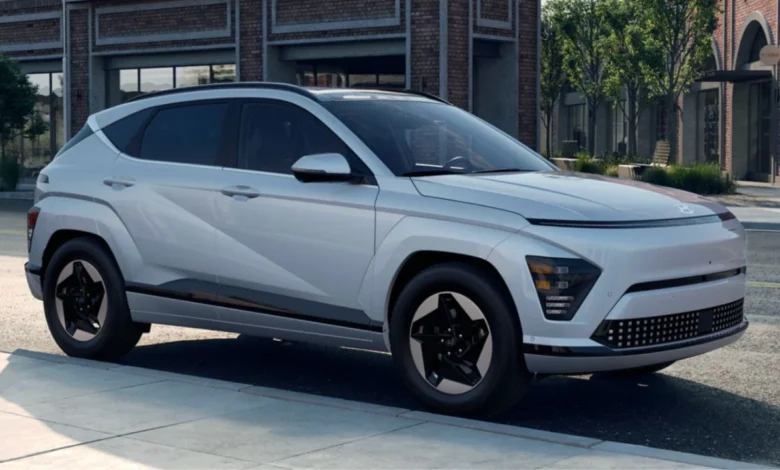
Hyundai’s historical commitment to this technology is well-documented. The automaker introduced the Tucson Fuel Cell in 2013, followed by the dedicated Nexo SUV in 2018. The Nexo served as a technological showcase, offering a respectable driving range and water as its only tailpipe emission. However, sales figures globally have remained microscopic, constrained primarily by the scarcity of hydrogen refueling stations outside of localized pockets in California, South Korea, and parts of Europe.

Despite these headwinds, Scott Nargar, senior manager of future mobility and government relations for Hyundai Australia, recently pushed back against the narrative that passenger-car hydrogen is entirely dead. Speaking to industry publication CarExpert, Nargar indicated that the manufacturer continues to evaluate the business case for a next-generation hydrogen fuel-cell passenger vehicle. The primary driver behind this ongoing evaluation is energy security. Hyundai argues that countries with abundant natural resources—such as ample solar and wind capacity, alongside traditional fossil fuel reserves—are well-positioned to produce green and blue hydrogen domestically.
Nevertheless, corporate optimism remains heavily tempered by fiscal reality. Nargar candidly admitted that hydrogen fuel-cell technology remains significantly more expensive to manufacture than traditional battery-electric architecture. Even within the commercial trucking sector—where hydrogen’s rapid refueling times and high energy density make theoretical sense for heavy freight—deploying fuel-cell trucks carries a "considerable cost" premium over conventional diesel or gasoline counterparts. Given consumer preferences, particularly in Western markets where large utility vehicles and trucks dominate sales charts and serve as primary personal transport, the economic hurdles for consumer-facing hydrogen vehicles remain formidable. Consequently, automotive analysts point out that widespread consumer adoption of hydrogen fuel cells in light-duty passenger cars is unlikely to materialize before the late 2020s or early 2030s, if at all.

While hydrogen represents a long-term, high-risk bet for Hyundai, the immediate regulatory battles playing out in global markets present a much more pressing commercial concern. A prime example is Australia’s New Vehicle Efficiency Scheme (NVES), which serves as a case study for regulatory pressures facing automakers worldwide. Set to take effect with progressively stringent targets, the NVES penalizes automotive manufacturers whose fleet-wide average carbon dioxide emissions exceed designated government caps.
The regulatory squeeze is slated to tighten dramatically on January 1, 2027, when the allowable passenger-car emissions limit drops precipitously from 117 grams of CO2 per kilometer down to 92 grams per kilometer. According to industry impact assessments, this regulatory leap will create massive compliance challenges for automakers. Up to 51 distinct hybrid vehicle variants currently available on the market are projected to exceed their allocated carbon caps under the 2027 rules. Only a tiny fraction—roughly seven hybrid variants across the broader market—are expected to comply natively without triggering severe financial penalties for the manufacturers.

Hyundai’s leadership has used these impending regulatory metrics to sound an alarm regarding affordability and consumer accessibility. The crux of the automaker’s argument is that as penalties accumulate under strict emissions schemes, automakers will be forced to restructure pricing models, inevitably driving up the retail cost of hybrid electric vehicles. While full hybrids (HEVs) and plug-in hybrids (PHEVs) produce significantly fewer emissions than traditional internal combustion engines, they still rely partly on gasoline, placing them in the crosshairs of regulations designed to force an absolute transition to zero-emission battery electric vehicles.
According to Hyundai’s representatives, artificially inflating the price of hybrids through regulatory friction creates a dangerous ripple effect for consumers who are not yet positioned to transition to pure battery-electric vehicles. There remains a substantial demographic of buyers who face structural barriers to EV ownership: renters without access to home-charging infrastructure, residents of multi-dwelling residential buildings, rural drivers facing vast distances between public chargers, and motorists who require heavy-towing capabilities that current mid-market EVs struggle to deliver efficiently.

Independent research cited by industry stakeholders suggests that when hybrid vehicles become significantly more expensive, budget-conscious consumers do not automatically pivot to buying more expensive battery electric vehicles. Instead, many choose to forgo new vehicle purchases entirely, opting to retain their older, higher-emission gasoline and diesel vehicles for longer periods. From a macroeconomic and environmental perspective, this outcome is counterproductive. Keeping aging fleets on the road undermines broader national carbon reduction goals while simultaneously creating negative road safety outcomes, as older vehicles lack modern active safety systems and crash-mitigation technologies.
Furthermore, Hyundai warns that aggressive, inflexible efficiency mandates risk creating a deeply divided automotive marketplace characterized by "the haves and the have-nots." In this scenario, affluent consumers with private garages and high disposable incomes can easily absorb the costs of premium battery-electric vehicles or newly priced compliant technologies, while working-class and middle-class families are priced out of the new-car market altogether. Nargar and other industry advocates argue that environmental policies should establish clear environmental guardrails without dictating precise consumer purchasing choices or penalizing transitional technologies that bridge the gap between fossil fuels and total electrification.

The implications of these regulatory and technological dynamics extend far beyond the Australian market, serving as a warning label for policymakers and consumers in North America and Europe. As federal and regional governments contemplate tightening corporate average fuel economy (CAFE) standards and carbon-emission thresholds, automakers face a delicate balancing act. They must fund multi-billion-dollar transitions toward electrification while navigating consumer demand that remains sensitive to vehicle pricing, charging infrastructure availability, and utility constraints.
For the average consumer shopping for a new vehicle, the convergence of Hyundai’s hydrogen strategy and its hybrid pricing warnings underscores a transitional period defined by economic friction. While the ultimate destination for the automotive industry remains clear—a gradual move toward sustainable, lower-emission transport—the pathway is fraught with financial and logistical speed bumps. As manufacturers weigh the viability of expensive alternatives like hydrogen against the regulatory penalties facing popular hybrids, the cost of decarbonization is increasingly being passed down to the consumer market. Whether regulatory bodies will adjust their timelines to accommodate the realities of transitional technology, or whether affordability will ultimately take a back seat to strict emissions targets, remains one of the defining questions for the global automotive sector in the years leading up to 2030.