Strengthening New York’s Mosquito Surveillance Framework: Addressing Fragmentation and Funding in Public Health Preparedness

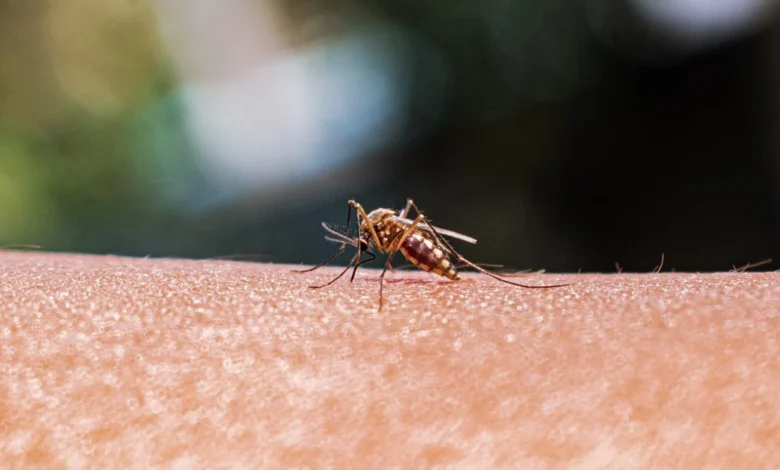
The current landscape of mosquito surveillance in New York State is facing a critical inflection point as public health officials, researchers, and legislators grapple with a system that is increasingly described as labor-intensive, underfunded, and dangerously fragmented. As climate change continues to alter the geographical range of various mosquito species, the traditional methods of monitoring these vectors are proving insufficient to meet the growing threat of mosquito-borne illnesses. Monitoring programs are typically labor-intensive and expensive, requiring dedicated teams to set and check traps, alongside specialists who can identify, sort, and test the samples for pathogens such as West Nile Virus (WNV) and Eastern Equine Encephalitis (EEE).
The logistical hurdles of effective surveillance are particularly acute in the rural corridors of the state. While some traps are designed to attract female mosquitoes using "stinky water"—a concoction loaded with decaying organic material that mimics prime egg-laying sites—others rely on the release of carbon dioxide to mimic the breath of mammals. These CO2-baited traps often require dry ice, a commodity that is surprisingly difficult to procure in remote areas of New York. In many instances, research teams and county health departments are forced to manufacture their own dry ice or travel significant distances to secure it, adding another layer of complexity to an already demanding process.
Beyond the physical challenges of trapping, the structural organization of New York’s public health response is under scrutiny. Brian Leydet, an assistant professor and researcher at the SUNY College of Environmental Science and Forestry (ESF), has highlighted a systemic weakness in how data is collected and shared across the state. According to Leydet, the lack of a comprehensive, statewide surveillance program has resulted in a "hit or miss" approach. Currently, the responsibility for mosquito monitoring falls largely upon individual counties. This decentralized model often leads to a lack of communication between neighboring jurisdictions, creating a patchwork system where invasive species and disease outbreaks can easily fly under the radar.
The Evolution of Mosquito-Borne Threats in the Northeast
The urgency for a revamped surveillance system is underscored by the shifting biological landscape of the Northeast. Historically, New York’s primary concern was the West Nile Virus, which made its first North American appearance in New York City in 1999. Since then, the virus has become endemic, with annual cycles of transmission between birds and mosquitoes, occasionally spilling over into human populations. However, the emergence of more lethal threats, such as Eastern Equine Encephalitis, and the northward expansion of invasive species like the Asian Tiger Mosquito (Aedes albopictus), have changed the stakes.
The Asian Tiger Mosquito is of particular concern to public health officials because it is an aggressive daytime biter and a known vector for several tropical diseases, including Dengue, Chikungunya, and Zika. Unlike the native Culex species, which primarily bite at dusk and dawn, Aedes albopictus thrives in urban and suburban environments, breeding in small containers of water such as discarded tires, birdbaths, and clogged gutters. Leydet’s lab has found that the current fragmented monitoring system means these invasive species are often established in new areas long before they are officially detected by health authorities.
The expansion of these species is inextricably linked to climate change. Warmer winters allow mosquito eggs to survive in northern latitudes that were previously too cold, while earlier springs and hotter summers accelerate the mosquito life cycle and the replication of viruses within the insects. Data from the National Oceanic and Atmospheric Administration (NOAA) indicates that the Northeast is warming faster than the global average, creating a "perfect storm" for vector-borne disease expansion.
Legislative Intervention: Bill S10393
In response to these escalating risks, the New York State Legislature is considering a significant piece of legislation aimed at centralizing and stabilizing the state’s mosquito defense. Bill S10393, introduced in the current legislative session, seeks to lay the groundwork for a comprehensive mosquito surveillance program. The bill’s language is direct, characterizing the existing framework as "sparse and disintegrated."
The primary objective of Bill S10393 is to move the state away from a reactive posture. Under the current system, funding is often tied to immediate crises. When an outbreak occurs, emergency funds are released for pesticide spraying and public awareness campaigns. However, once the immediate threat subsides, funding frequently dries up. "If the county doesn’t have money or resources, these programs fade away," Leydet remarked. "If we don’t have these surveillance programs, then all we’re doing is responding to a problem when it’s already a problem, and that’s never how prevention works."
The proposed bill aims to establish a consistent funding stream and a centralized data-sharing platform. This would allow the New York State Department of Health (DOH) to maintain a real-time map of mosquito activity and viral prevalence across all 62 counties. By identifying "hotspots" of viral activity in bird or mosquito populations before human cases occur, officials can implement proactive measures. These measures include the removal of standing water, the application of targeted larvicides in known breeding habitats, and localized public health warnings.
The Economic Reality of Public Health Prevention
While the scientific and public health arguments for centralization are strong, the primary obstacle remains financial. Comprehensive surveillance is an expensive endeavor. It requires not only the physical hardware of traps and vehicles but also the specialized labor of entomologists and laboratory technicians who can perform PCR (polymerase chain reaction) testing to identify specific viruses.
Leydet noted that while there is general interest in these programs among policymakers, that interest often wanes when the price tag is revealed. "There is general interest in these programs, but when you start seeing what they cost, it’s like, ‘Maybe we’re not that interested,’" he said. However, economists specializing in public health argue that the cost of prevention is a fraction of the cost of an outbreak.
For example, a single case of Eastern Equine Encephalitis can result in millions of dollars in healthcare costs, as the disease often requires long-term intensive care and can lead to permanent neurological damage or death. Furthermore, widespread emergency aerial spraying of pesticides—often the only option left once an outbreak is underway—is significantly more expensive and environmentally disruptive than the targeted use of larvicides during the early stages of a mosquito season.
Chronology of Surveillance Challenges and Milestones
To understand the current state of New York’s mosquito policy, it is necessary to look at the timeline of vector-borne disease management in the region:
- 1999: West Nile Virus is first detected in Queens, New York. This leads to a massive, coordinated response and the establishment of initial surveillance protocols across the state.
- 2000s-2010s: Surveillance becomes a routine part of county health department mandates, but funding begins to fluctuate based on annual budget cycles and the perceived level of threat.
- 2012: A significant spike in West Nile Virus cases nationally renews interest in surveillance, but many rural New York counties struggle to maintain programs due to lack of technical expertise.
- 2016-2017: The Zika virus outbreak in the Americas shifts focus toward Aedes species. New York City enhances its monitoring, but upstate regions remain focused primarily on Culex mosquitoes.
- 2020-2022: The COVID-19 pandemic diverts public health resources and personnel away from environmental health and vector monitoring, leading to gaps in data collection.
- 2024: Introduction of Bill S10393 in the New York State Senate, signaling a recognition that the "patchwork" system is no longer sustainable in the face of climate change.
The Path Forward: Integration and Coordination
The transition to a centralized system would require a paradigm shift in how state and local governments interact. Under the proposed legislative framework, the state would likely take a more active role in providing technical support and standardized equipment to smaller counties, while the counties would continue to provide the "boots on the ground" for trap maintenance and sample collection.
Centralization would also facilitate better integration with federal agencies like the Centers for Disease Control and Prevention (CDC). Currently, the CDC relies on data reported by states to track the national spread of diseases. If New York’s data is incomplete due to "hit or miss" surveillance at the county level, it creates a blind spot in the national public health map.
Proactive measures, as outlined by health experts, remain the most effective way to mitigate risk. These include:
- Source Reduction: Educating the public and using municipal resources to eliminate standing water where mosquitoes breed.
- Biological Control: Using naturally occurring bacteria like Bacillus thuringiensis israelensis (Bti) to kill mosquito larvae without harming other wildlife.
- Public Communication: Issuing timely warnings that encourage the use of EPA-registered insect repellents and the wearing of long-sleeved clothing during peak mosquito activity.
Leydet remains cautiously optimistic about the future of surveillance in the state. While acknowledging the high costs and logistical hurdles, he emphasizes that "any help is better than nothing." The goal of Bill S10393 is not necessarily to create an infallible shield against all mosquitoes, but to build a modern, data-driven system that can detect threats before they become tragedies.
As the legislative session progresses, the debate over Bill S10393 will likely center on the balance between state oversight and county autonomy, as well as the long-term fiscal commitment required to keep the program running. However, for researchers like Leydet and public health officials on the front lines, the choice is clear: invest in a coordinated surveillance network now, or continue to pay the much higher price of reacting to outbreaks after they have already taken hold. In the era of a changing climate, the "sparse and disintegrated" methods of the past are no longer a viable option for protecting the public health of New York’s citizens.