Inside the Digital Engine: John Deere’s Self-Repair Initiative and the Evolving Right to Repair Landscape

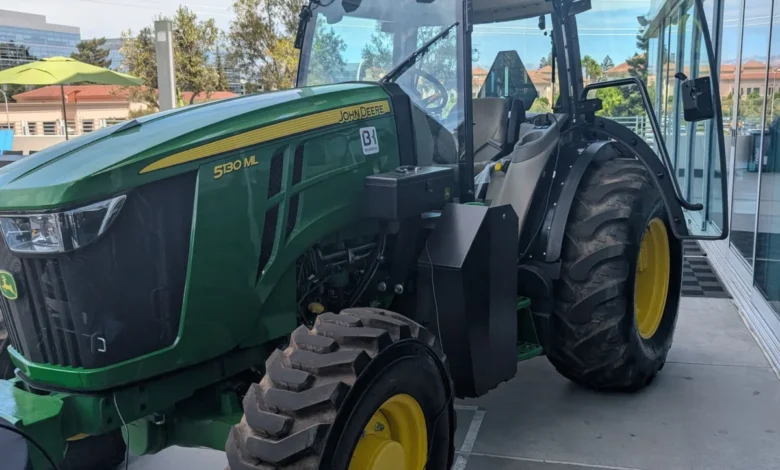
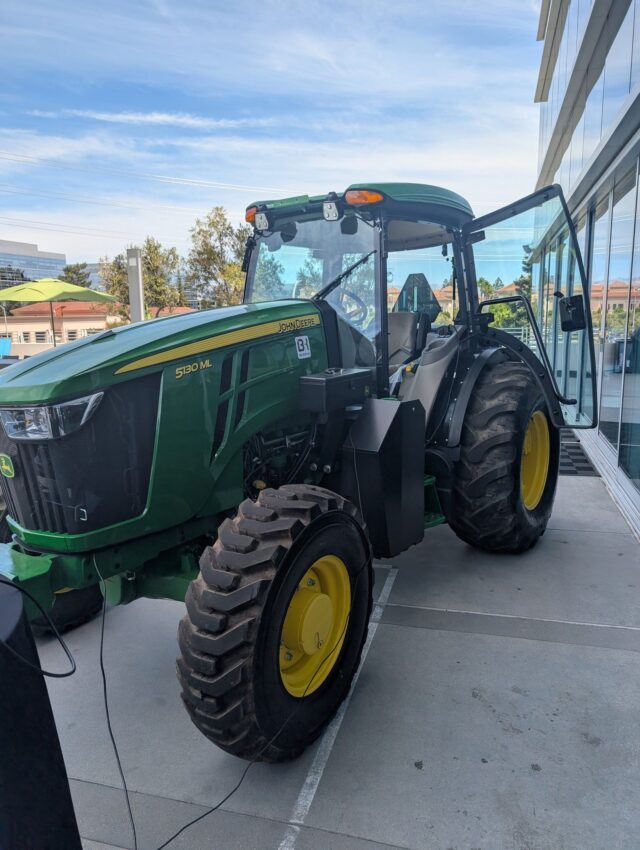
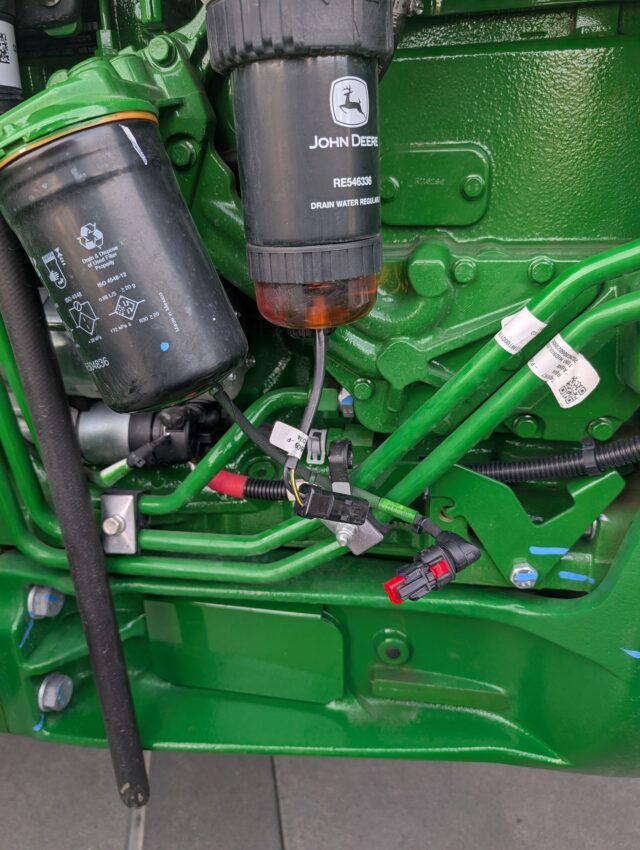
The John Deere self-repair software program represents a significant, albeit contentious, shift in how one of the world’s largest agricultural manufacturers handles equipment maintenance. During a recent demonstration at the company’s corporate office in Santa Clara, California, the manufacturer showcased its "Operations Center Pro Service," a diagnostic tool designed to allow equipment owners to identify and resolve technical issues without the immediate intervention of an authorized dealer technician. The demonstration, which involved the repair of a disconnected water-in-fuel (WiF) sensor on a 5130ML tractor, underscored the company’s push to address mounting pressure from the right-to-repair movement, which has argued for years that proprietary digital locks on agricultural equipment unfairly restrict owners’ ability to maintain their own property.
The Evolution of Modern Agricultural Maintenance
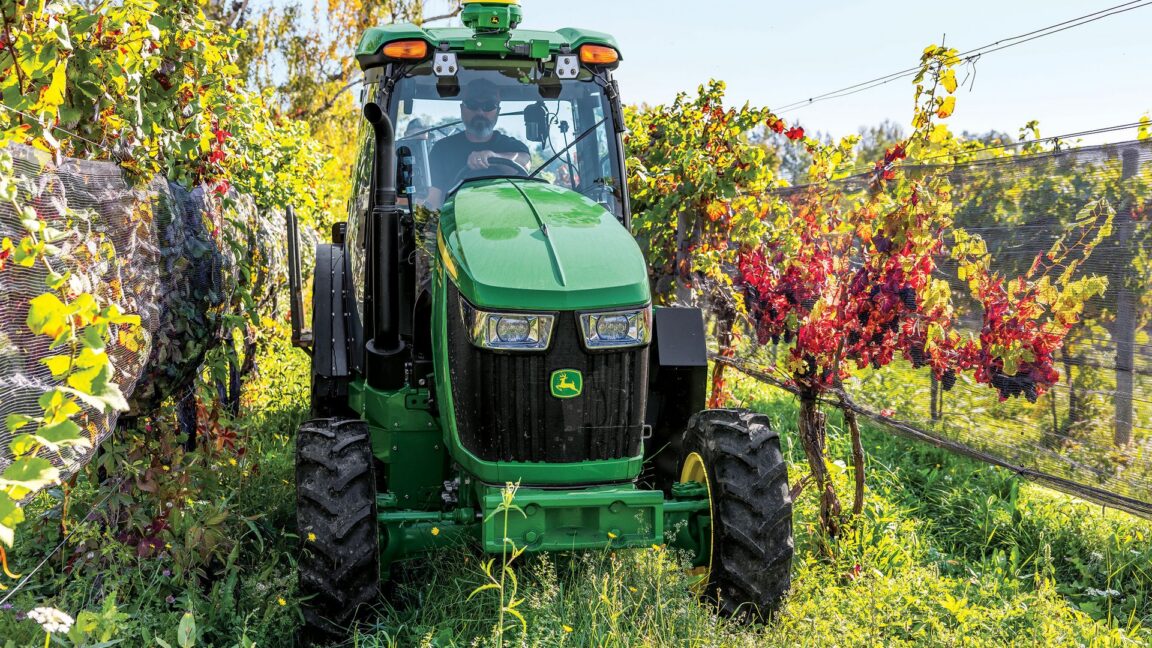
For decades, the agricultural sector relied on mechanical systems that were largely accessible to farmers with basic tools and technical knowledge. However, as tractors and combines transitioned into sophisticated, software-dependent machines, the landscape of repair shifted. Modern equipment, such as the John Deere 5130ML, is laden with sensors, GPS-enabled navigation systems, and advanced engine control units (ECUs). These machines often contain upwards of 50 individual controllers, creating a complex digital architecture that requires specialized software to diagnose, let alone repair.
This transition toward "smart" agriculture has been a double-edged sword. While these advancements have allowed for unprecedented precision in planting, harvesting, and fuel management, they have also created a dependency on the manufacturer. For years, John Deere’s software systems were digitally locked, meaning that even if a farmer had the physical part in hand, they could not authorize the machine to recognize that part without an official dealership visit. This led to significant downtime for farmers during critical planting or harvest windows, sparking widespread frustration and fueling the nascent right-to-repair movement.
A Chronology of Conflict and Compliance
The tension between John Deere and its customer base has culminated in a decade-long legal and regulatory struggle. The conflict reached a fever pitch around 2015, as the Digital Millennium Copyright Act (DMCA) became a central point of debate regarding whether farmers "owned" the software in their tractors.
By 2022 and 2023, the pressure on John Deere intensified through a series of legal actions. In April 2023, the company reached a $99 million settlement in a class-action lawsuit filed by equipment owners who alleged that the company had monopolized the repair market, forcing farmers to pay inflated prices for dealership-exclusive services. Shortly thereafter, the Federal Trade Commission (FTC) took notice, resulting in a separate settlement requiring the company to broaden access to repair tools, manuals, and diagnostic software.
Throughout these proceedings, John Deere did not admit to wrongdoing. Instead, the company framed its recent software developments as part of a long-term strategy to enhance serviceability. The introduction of the Pro Service platform in 2025 stands as the company’s most direct answer to the regulatory requirements mandated by these settlements.
Analyzing the Pro Service Platform
The Operations Center Pro Service functions as a bridge between the physical machine and the manufacturer’s diagnostic database. Priced at $195 annually for a single machine, or roughly $5,000 to $6,000 for fleet-level access, the system utilizes Wi-Fi or hardline connections to pull real-time data from a tractor’s onboard controllers.
When an error occurs, the software provides the user with diagnostic codes, visual aids from the specific machine’s manual—keyed to its serial number—and, in some cases, links to purchase the necessary replacement parts. The inclusion of AI-assisted chatbots is intended to streamline the search process for these components. However, the system is not without limitations. During the demonstration, the fix performed was relatively straightforward, involving the reconnection of a sensor wire. Critics, including farmers like Jared Wilson of Missouri, suggest that the platform’s efficacy is limited to these "easy" repairs.
Wilson, a plaintiff in the aforementioned class-action lawsuit, has remained skeptical of the company’s commitment to true repair freedom. "If you have three or four different diagnostic codes, where do you start in the tree to figure out what is wrong?" Wilson asked, highlighting a common pain point for operators facing complex, cascading failures. Furthermore, the reliance on Product Improvement Plans (PIPs)—whereby the company releases a fix only after identifying a pattern of failure—means that owners facing "novel" problems remain dependent on the company’s internal timeline for diagnostic updates.
Market Penetration and User Adoption
Despite the technical sophistication of the Pro Service, adoption rates remain modest. John Deere reports approximately 1,000 daily users for the service. Given that there are approximately 1.8 million farms in the United States, this adoption rate suggests a significant gap between the service’s availability and its utilization by the agricultural community.
Company representatives, including Kelli Sullivan, group product manager of marketing automation and governance, attribute this to the need for greater outreach and education. However, independent repair advocates suggest that the low adoption rate stems from a lack of trust. Many farmers, according to advocates like Willie Cade of Repair.org, remain convinced that the company is more concerned with protecting its dealership ecosystem and serving Wall Street interests than with empowering the end-user.
The "Gray Market" Alternative
A recurring theme in the right-to-repair discourse is the prevalence of "gray market" software. Farmers have frequently reported using cracked or pirated versions of John Deere’s internal diagnostic tools to bypass dealership locks. The existence of these unofficial tools serves as a barometer for the frustration within the industry; if the authorized, manufacturer-provided tools were deemed sufficiently robust and cost-effective, the demand for illicit, cracked software would theoretically vanish.
The company maintains that its official software provides parity between the customer experience and the dealer experience. Jahmy Hindman, John Deere’s senior vice president and chief technology officer, emphasizes that the company’s intent is to provide "owner-friendly" tools. "We share that goal in common," Hindman said regarding the repair advocates. "Are there things that we need to continue to work on? I’m sure that there are. But let’s not forget that we are a long way towards moving the needle to a much better state."
Broader Implications for the Right to Repair

The dispute between John Deere and the agricultural community is viewed by many as the vanguard of a broader societal conflict regarding ownership in the digital age. As more household items, vehicles, and medical devices become "Internet of Things" (IoT) enabled, the question of whether a consumer owns the device—or merely licenses its functionality—becomes increasingly critical.
If a farmer in Missouri cannot repair a tractor without a proprietary handshake from a company server in Illinois, the precedent set has implications for everything from electric vehicles to consumer smartphones. The legal outcomes of the John Deere cases are expected to influence legislative efforts in multiple states, where "Right to Repair" bills are continuously being introduced to mandate open access to diagnostic ports, software, and repair parts.
While John Deere continues to iterate on its Pro Service platform, the divide between the manufacturer and the farmers who use its equipment remains wide. For the manufacturer, the goal is to balance technological advancement and data security with the necessity of customer service. For the farmers, the goal remains the restoration of traditional property rights: the ability to maintain, modify, and repair the equipment they rely on for their livelihoods without seeking permission from a digital gatekeeper.
As the industry moves forward, the success of platforms like Pro Service will likely be measured not by the company’s ability to market the software, but by its ability to foster trust within an industry that has felt alienated by the rapid digitalization of its primary tools of trade. The ongoing, high-stakes dialogue between John Deere and its customers continues to define the boundaries of the digital economy, proving that the most complex part of a modern tractor may not be the engine, but the relationship between the machine and its operator.