The Best Coffee Makers Under 100 Dollars: A Comprehensive Guide to Elevating Your Home Brew

For more than 60% of American adults, the morning begins with a cup of coffee. According to data provided by the National Coffee Association, this daily ritual is not merely a physiological necessity for caffeine intake but a deeply ingrained cultural practice. Despite the ubiquity of coffee consumption, a significant portion of the population continues to rely on aging, inefficient, or entry-level brewing equipment that fails to meet the basic standards required for optimal extraction. While the specialty coffee industry often highlights high-end, multi-thousand-dollar espresso setups, there remains a robust market for affordable, high-performing machines that can significantly improve the quality of a home-brewed cup.
The technical failure of older or substandard coffee machines often centers on thermal stability. The Specialty Coffee Association (SCA) establishes strict guidelines for brewing, emphasizing that water temperature must remain between 195°F and 205°F during the contact time with ground coffee. If the water temperature falls below this threshold, the resulting brew is typically under-extracted, manifesting as a sour or acidic flavor profile. Conversely, if the temperature is too high, the coffee may become excessively bitter. Many mass-market drip machines manufactured over a decade ago lack the heating elements or PID (Proportional-Integral-Derivative) controllers necessary to maintain these specific temperatures, leading to a degraded sensory experience that many consumers have mistakenly accepted as the norm.
A Chronology of Brewing Evolution
The history of the modern home coffee maker is marked by a transition from rudimentary percolation to precise, automated extraction. In the mid-20th century, the introduction of the automatic drip machine revolutionized domestic life by automating the labor-intensive pour-over method. However, as the "Third Wave" coffee movement gained momentum in the early 2000s—emphasizing origin, roast profile, and extraction science—consumer expectations began to shift.
The 2005 introduction of the AeroPress by Alan Adler marked a pivotal moment in the industry. By utilizing air pressure to expedite the brewing process, it provided a manual alternative that could produce a cup quality comparable to professional laboratory-grade devices. This was followed by the resurgence of traditional methods like the Chemex—an hourglass-shaped glass vessel designed in 1941—which gained renewed popularity for its ability to produce a clean, sediment-free cup through the use of heavy-duty paper filters. Today, the market for sub-$100 machines reflects a blend of these time-tested manual methods and modern automated engineering that prioritizes consistency over sheer convenience.
Analysis of Top-Tier Budget Brewing Solutions
For consumers seeking to upgrade their setup without exceeding a $100 budget, several machines currently lead the market in terms of value, durability, and performance.
The Automated Drip Category
For households prioritizing volume and ease of use, the Ninja CE251 has emerged as a consistent performer. Priced at approximately $60, this machine is noted by industry analysts for its "hotter brewing" technology, which allows it to hover closer to the SCA’s ideal temperature range than its predecessors. The inclusion of a programmable timer and a warming plate that prevents the coffee from scorching makes it a practical solution for daily use.
Simultaneously, the Cuisinart DCC-3200, retailing near $75, is frequently cited by consumer advocacy organizations for its engineering. It features an advanced heating system that stabilizes the water temperature, effectively mitigating the common issues of acidity and bitterness. With a 14-cup capacity and adjustable temperature settings for the carafe, it serves as a bridge between standard entry-level machines and more expensive, specialty-grade brewers.
Manual and Specialty Methods
The AeroPress Original remains a cornerstone for individuals seeking precision. Its design—a simple, plunger-style brewer—allows for complete control over variables such as brew time, water temperature, and agitation. At roughly $35, it offers an exceptionally high return on investment in terms of flavor profile, producing a concentrated, low-acid cup that is highly adaptable to the user’s preferred strength.
The Chemex 6-Cup Classic, priced at $45, serves a different purpose. It is a tool for the deliberate brewer. Because it lacks a heating element, it requires the user to manually pour hot water over the grounds. However, the proprietary thick paper filters remove a higher percentage of dissolved solids and oils than standard metal mesh filters, resulting in a cup characterized by high clarity and brightness.
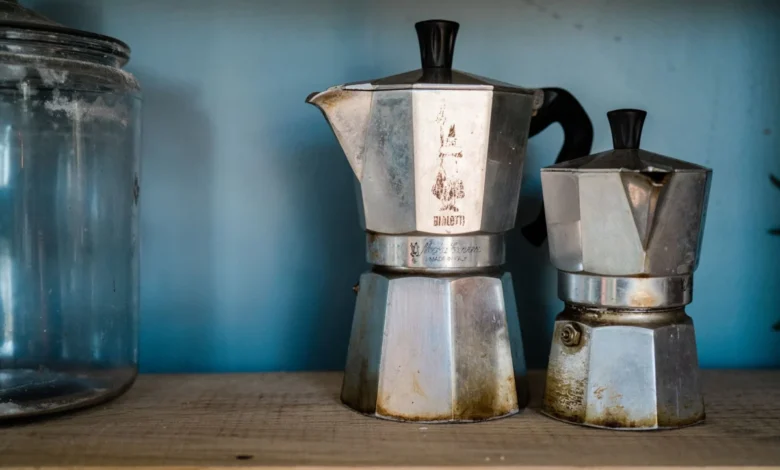
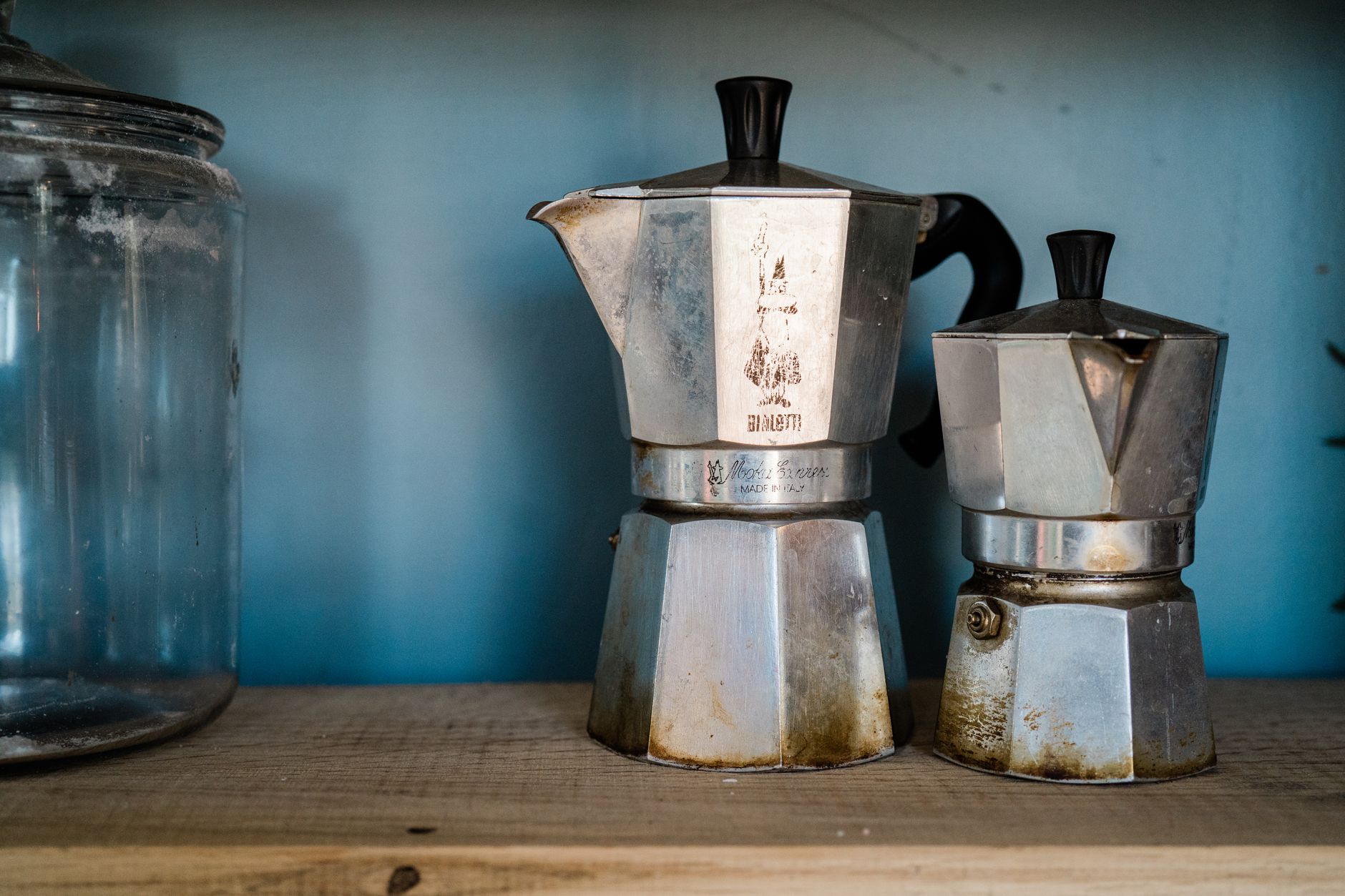
Finally, the Bialetti Moka Express, an icon of Italian industrial design, continues to be the primary choice for those seeking a concentrated, espresso-style beverage. Priced between $30 and $40, it utilizes steam pressure to force water through coffee grounds. It remains largely unchanged since its 1933 patent, proving that effective coffee extraction is often more dependent on the physics of pressure and temperature than on complex electronic interfaces.
Maintenance and Long-Term Performance
The longevity of any coffee brewing device is contingent upon consistent maintenance. Mineral buildup, primarily calcium and magnesium from tap water, can significantly impact the performance of heating elements within weeks of regular use. Industry experts, including those from Good Housekeeping, advise a descaling procedure every one to three months. This process involves running a solution of equal parts white vinegar and water through a full brew cycle, followed by two cycles of clean water to eliminate residual acidity.
Beyond descaling, the storage of coffee beans plays an equally vital role. Research from the Mayo Clinic and other health-focused organizations suggests that coffee should be kept in airtight, opaque containers away from light and heat. While freezing whole beans is a viable strategy for long-term storage, daily use requires a stable, room-temperature environment to prevent condensation, which can introduce moisture and accelerate the oxidation process.
Economic and Health Implications
The decision to upgrade home coffee equipment carries both economic and health-related implications. With the average cost of a café-prepared beverage ranging from $5 to $7, daily consumers of professional-grade coffee spend upwards of $1,500 to $2,000 annually. By investing in a high-quality home machine for under $100, consumers can recoup their expenditure within a matter of weeks, while simultaneously gaining control over the quality and strength of their intake.
Furthermore, studies published by Harvard Health suggest that moderate coffee consumption—defined as three to four cups per day—is associated with a reduced risk of various cardiovascular conditions and type 2 diabetes. While these health benefits are primarily linked to the coffee itself, the ritual of brewing provides a psychological benefit. A reliable machine removes the friction from the morning routine, transforming a chore into a consistent, daily pleasure.
Conclusion
The evolution of home coffee makers has reached a point where high-quality extraction is no longer the exclusive domain of expensive, professional-grade equipment. Whether one prefers the hands-off automation of a Cuisinart or the tactile, deliberate process of a Chemex, the current market offers reliable, durable, and highly effective options for under $100. By focusing on temperature stability, proper maintenance, and high-quality beans, consumers can achieve a significant upgrade in their daily coffee experience. As the industry continues to prioritize precision and accessibility, the gap between the coffee shop experience and the home kitchen continues to narrow, providing consumers with the opportunity to refine their morning ritual with minimal financial strain.