The Evolution of Desktop Computing: Why Small Form Factor PCs Are Redefining Modern Hardware Upgrades

The landscape of personal computing has shifted dramatically over the past decade, moving away from massive, glowing tower cases toward sleek, ultra-compact hardware configurations. Veteran software developer and tech commentator Jeff Atwood recently documented a milestone that highlights this broader industry trend: retaining the same PC case since 2011 while going five years without a major internal overhaul. This extended upgrade cycle reflects a broader sentiment within the technology sector—that traditional PC upgrades have matured to the point of routine stability, shifting consumer interest away from raw, unbridled size toward architectural efficiency and space-saving engineering.
Main Facts and the Small Form Factor Revolution
For years, the DIY computer building community measured performance by physical scale. Bigger motherboards, oversized graphics cards, and massive cooling towers dominated enthusiast circles. However, recent hardware iterations emphasize a different paradigm: maximum computing power housed within minimum spatial footprints.

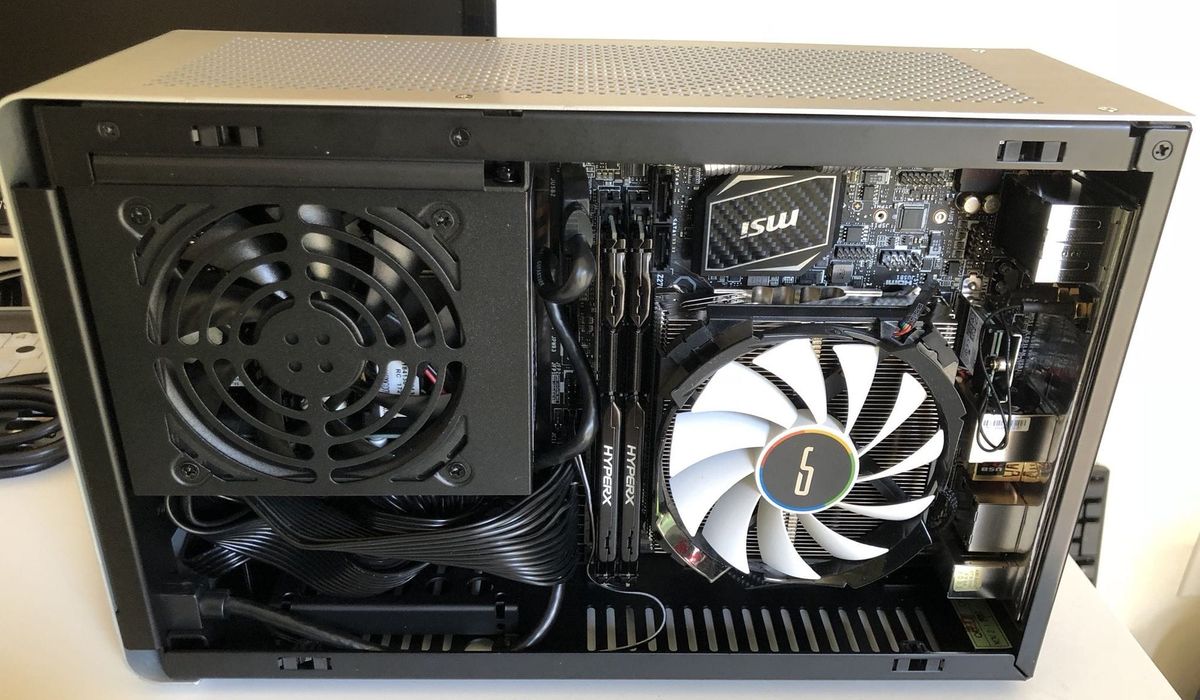
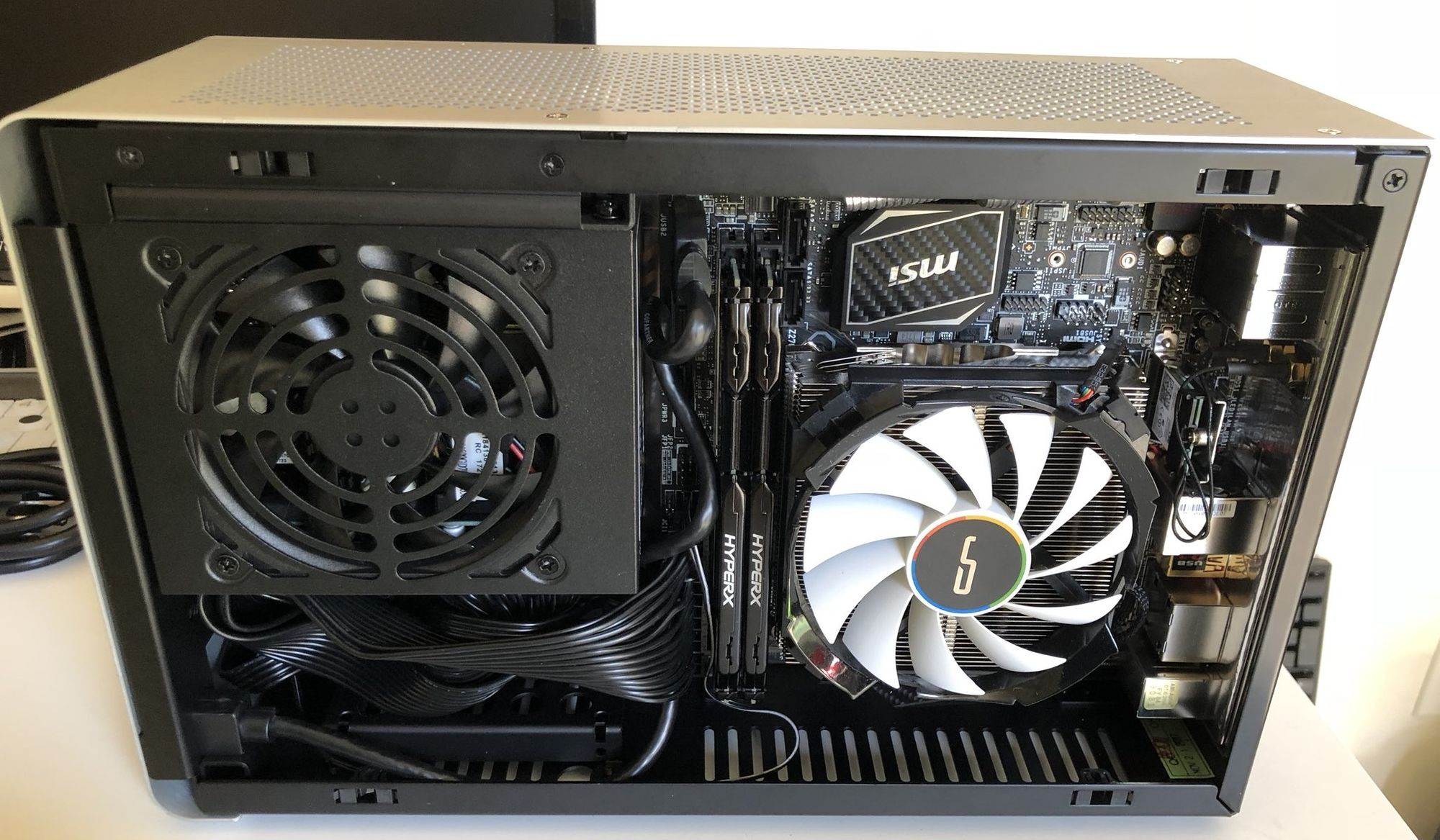
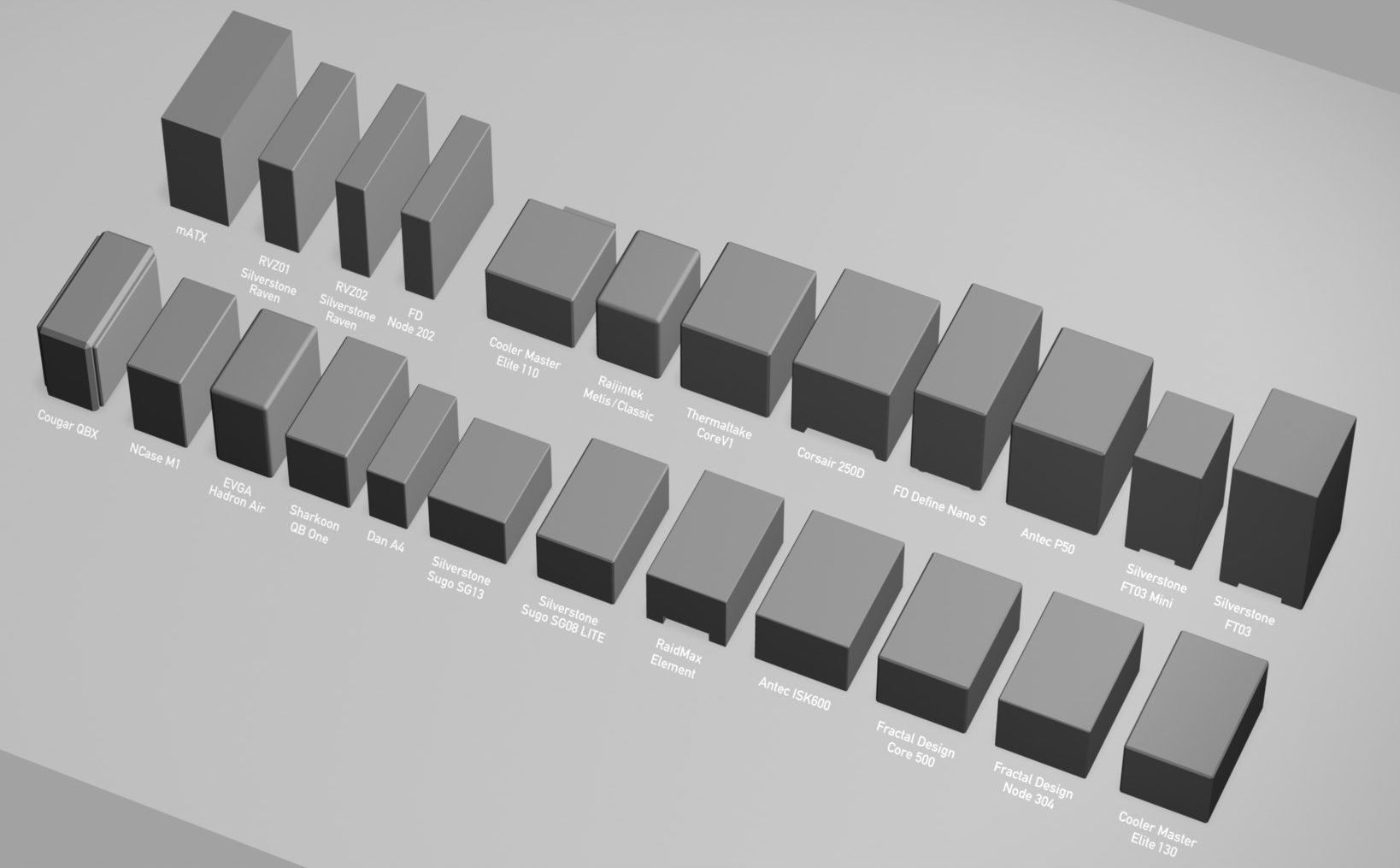
Mini-ITX builds have emerged as the primary vehicle for this transformation. Cases such as the Dan A4-SFX and the Streacom DA2 demonstrate that modern high-performance components can operate reliably in enclosures measuring under 20 liters. To put this in perspective, the Dan A4-SFX occupies a mere 7.3 liters, while the Streacom DA2 takes up roughly 17.5 liters. For comparison, mainstream gaming consoles like the PlayStation 4 Pro occupy approximately 5.3 liters, proving that compact desktop PCs can rival or exceed console-grade efficiency while offering the versatility of open architecture operating systems.
Historical Context and Chronology of Upgrades
The trajectory of consumer desktop upgrades has undergone several distinct phases since the turn of the century:
- The Early 2000s: Characterized by rapid processor speed increases, frequent socket changes, and complex liquid-cooling setups plagued by reliability issues and fluid leaks.
- The 2010s: Marked by the stabilization of processor performance increments. Builders routinely relied on versatile mid-tower cases, such as the hardware configurations popular around 2011, stretching hardware lifecycles significantly.
- The Mid-2015s: A period defined by mature quad-core architectures, such as the Intel i7-7700K generation, which provided stable performance baselines lasting half a decade or longer.
- The 2020s and Beyond: The current era of Small Form Factor (SFF) optimization, where the focus centers on thermal management, high-density component packing, and maximizing performance-per-liter ratios without sacrificing modern connectivity features like M.2 NVMe storage and high-bandwidth memory.
Engineering Challenges in Compact Computing
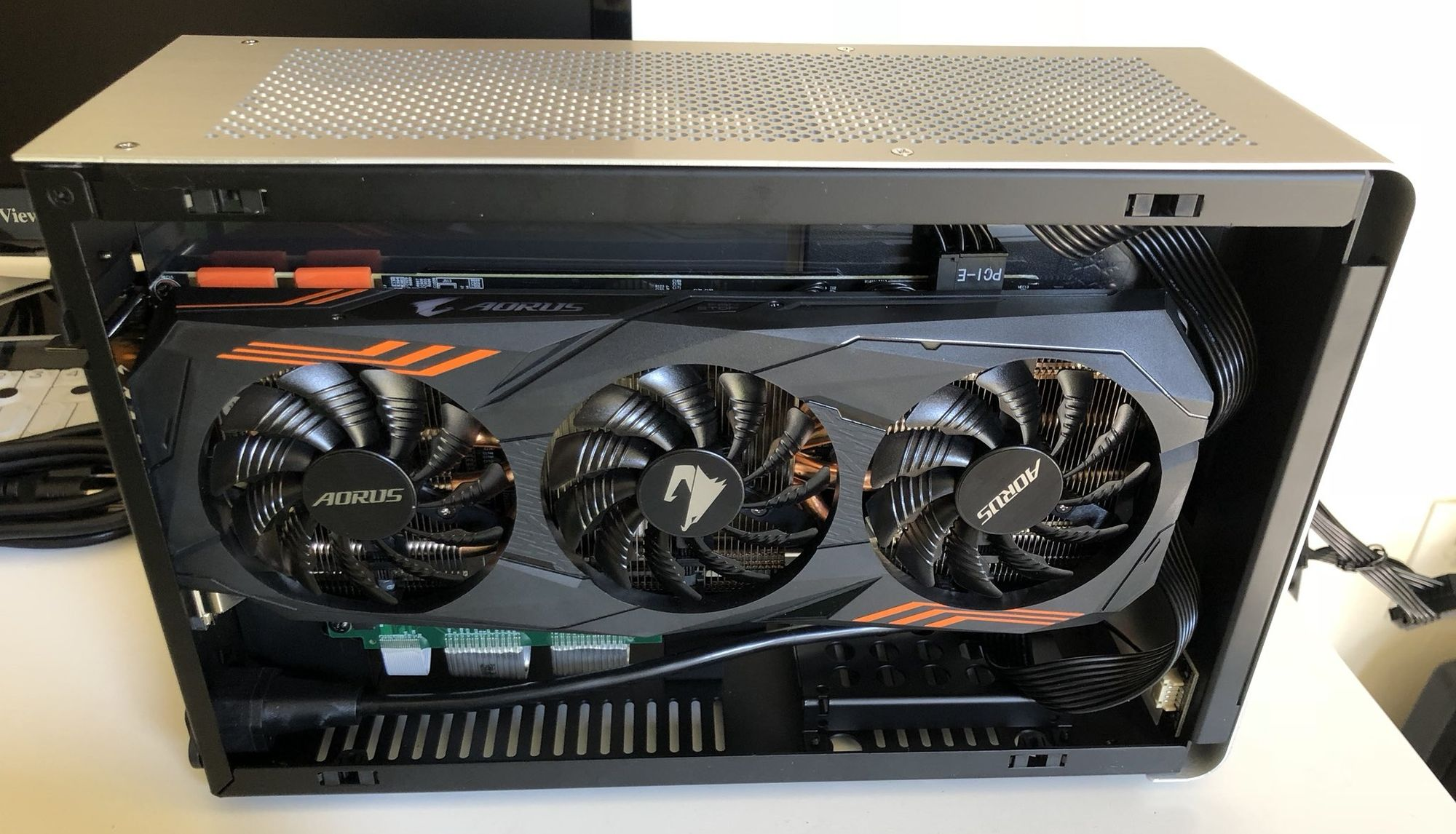
Transitioning to a Small Form Factor system is not without technical hurdles. Packing high-end central processing units (CPUs) and graphics processing units (GPUs) into cramped quarters creates severe thermal management challenges.
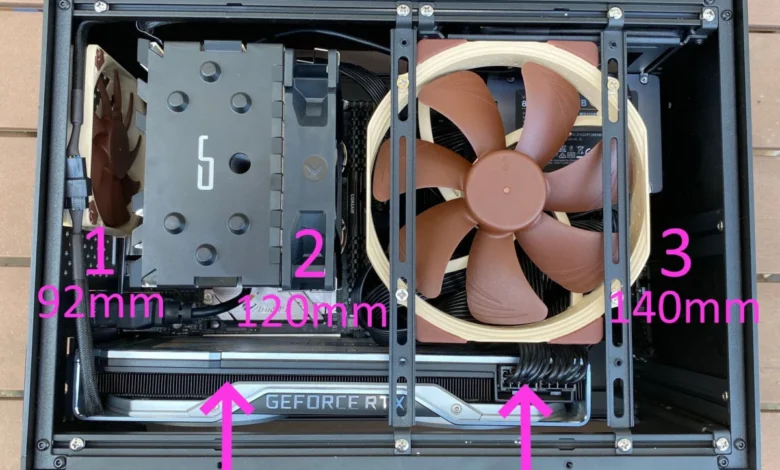
When evaluating enclosures like the Streacom DA2, builders often encounter limitations regarding internal airflow. Removing restrictive elements, such as solid top and bottom acrylic panels in favor of open mesh configurations, has been shown to yield dramatically improved thermal performance. Without adequate ventilation, compact systems risk thermal throttling during sustained high-load operations, such as intensive rendering, compiling, or burn-in testing.
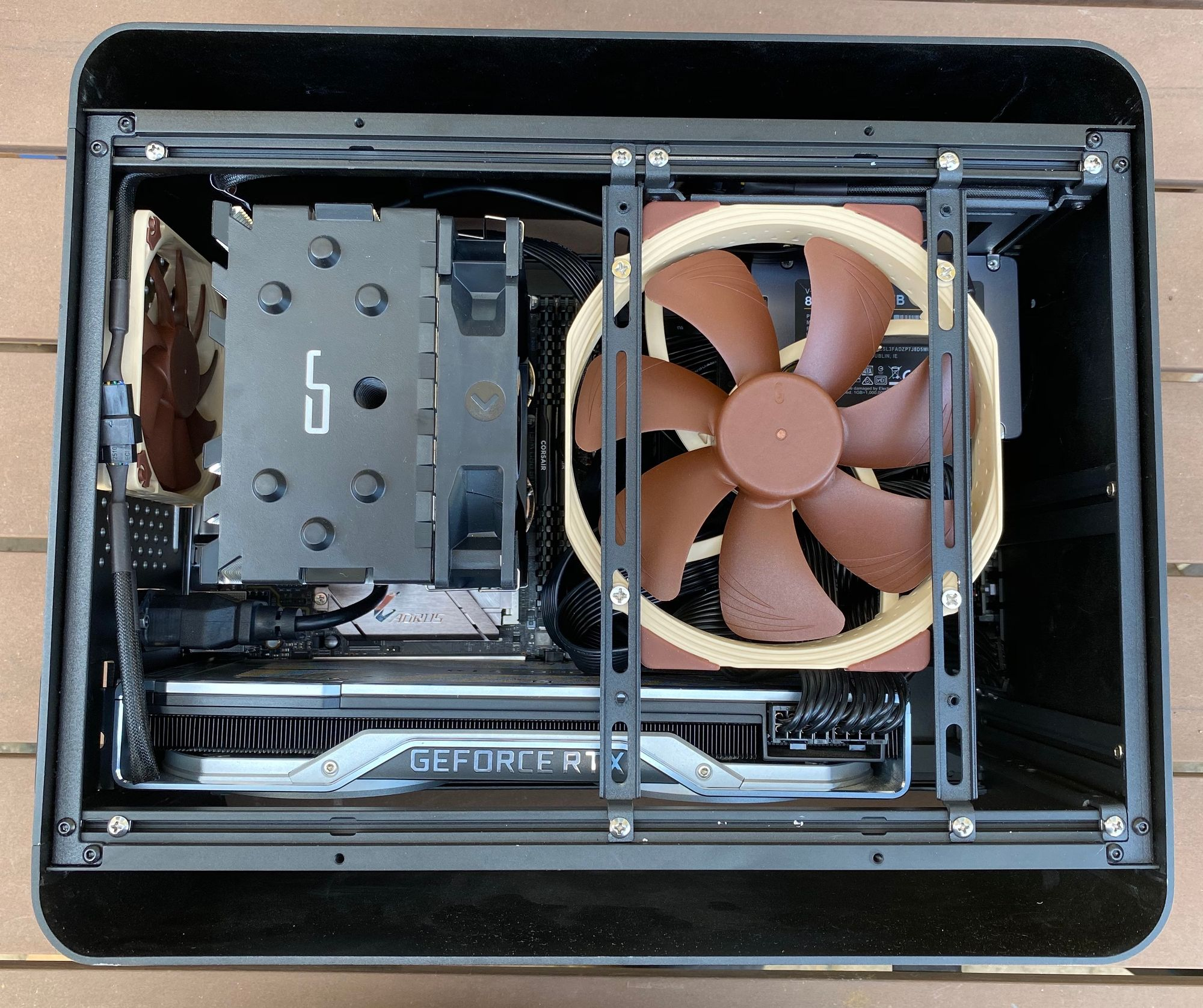
While liquid cooling remains a popular method for mitigating heat in tight spaces, many seasoned engineers and builders prefer air-cooled setups to eliminate the long-term risk of fluid degradation and leaks. Consequently, modern SFF chassis designs increasingly rely on hybrid open-air layouts and versatile bracket mounting systems that allow builders to configure custom fan layouts and optimize passive airflow.
Comparative Hardware Analysis: Then Versus Now
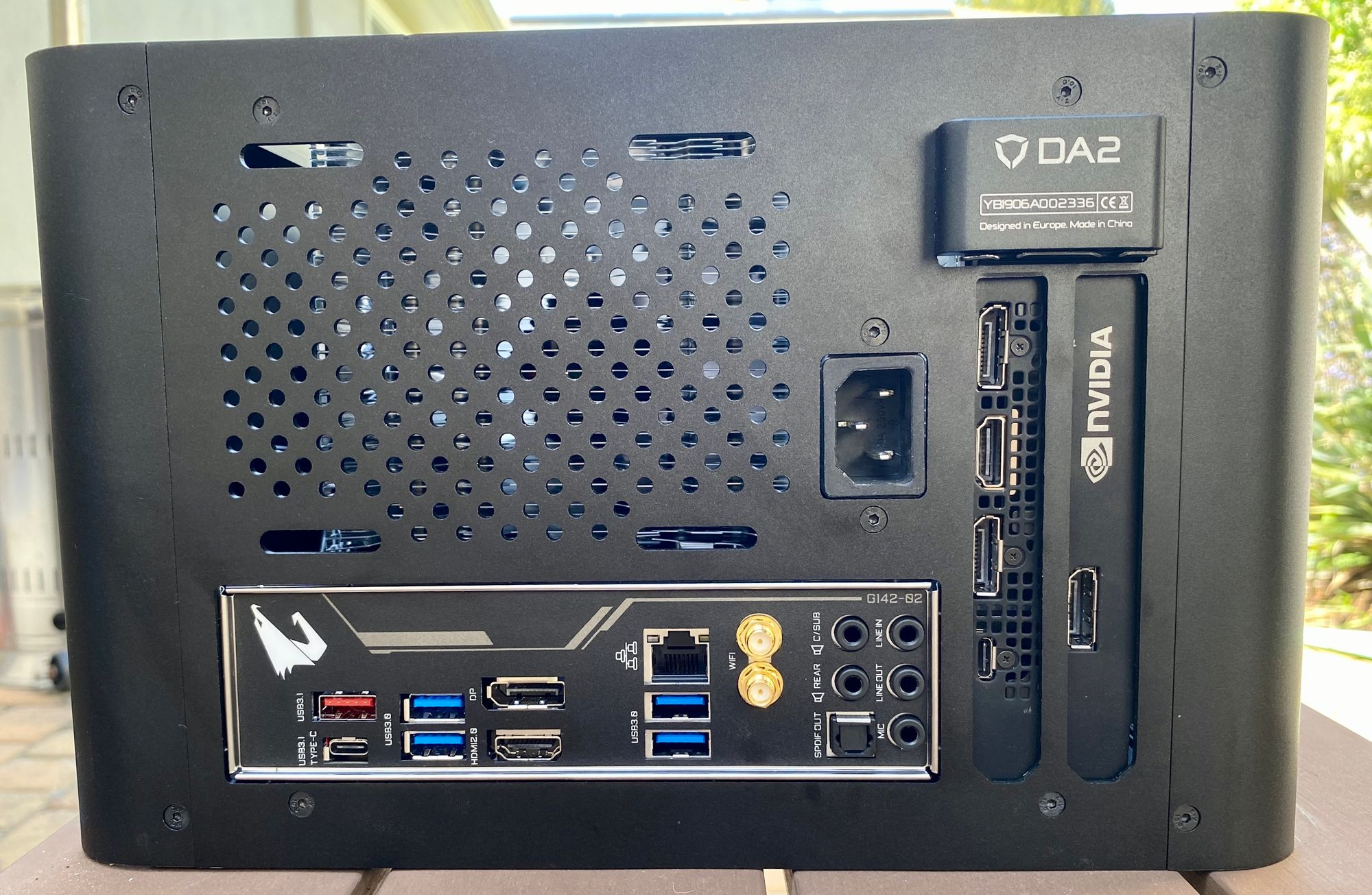
Upgrading from a mid-2010s baseline system to a modern compact build reveals significant generational leaps in component density and efficiency. Systems anchored by older quad-core processors have routinely been succeeded by platforms offering double the core counts, vastly improved instructions per clock (IPC), higher baseline memory capacities, and multiple high-speed M.2 storage slots.
Despite these performance gains, physical assembly has become remarkably streamlined. Modern motherboards integrate storage, memory, and primary processing units directly onto the PCB with minimal cabling requirements. Once the core components are seated, the primary labor involved in building a contemporary PC shifts from wiring management to spatial planning and thermal optimization.
Broader Industry Impact and Future Implications
The pivot toward compact hardware footprints carries significant implications for both consumer electronics and enterprise desktop deployment. As silicon manufacturers continue to improve power efficiency—extracting more computational output per watt consumed—the necessity for oversized cooling apparatuses diminishes.
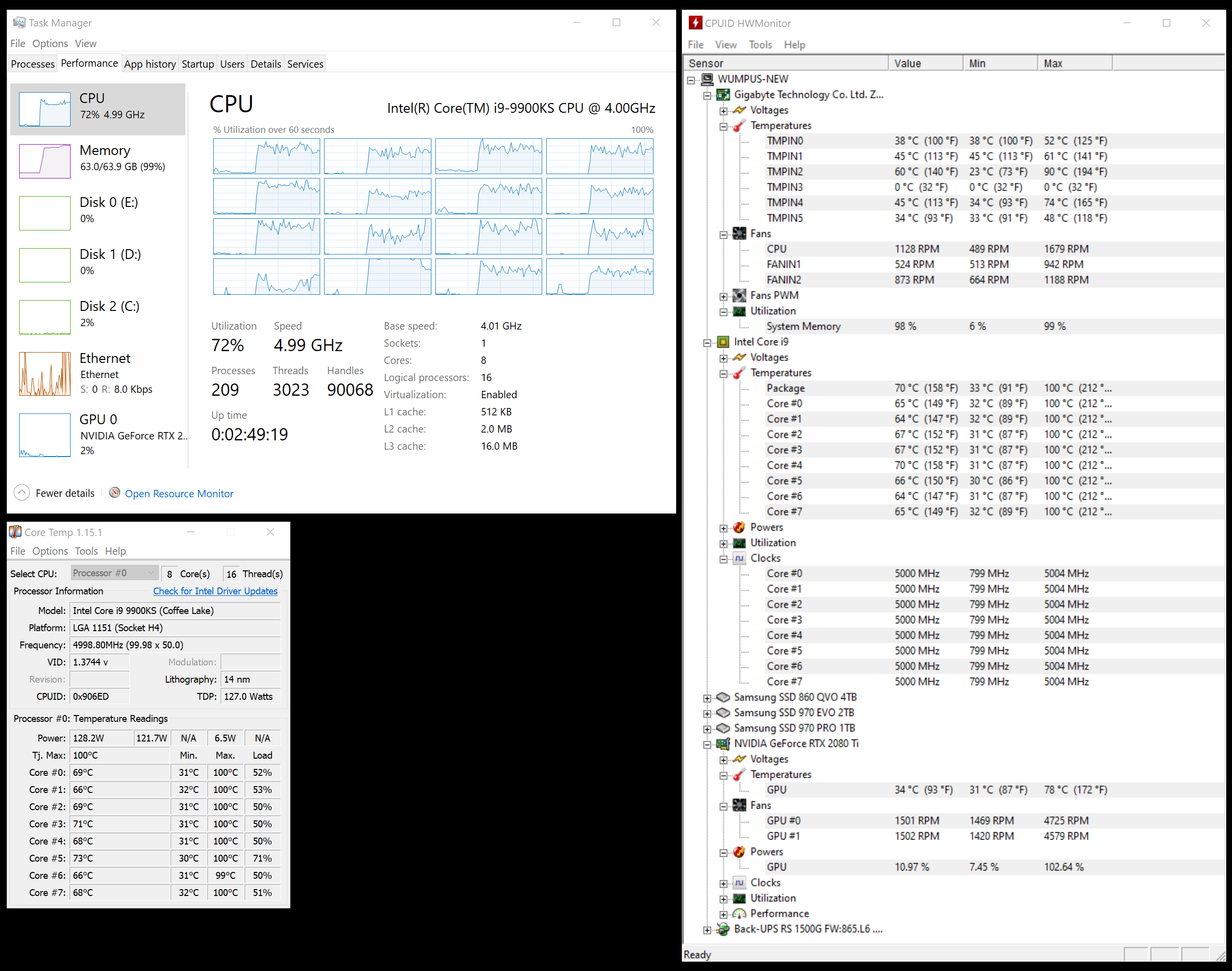
This decoupling of physical size from raw computational capability addresses changing consumer habits. Modern workspaces demand cleaner aesthetics, reduced physical clutter, and quieter operation without compromising the ability to handle demanding professional workloads or high-end multimedia applications.
As manufacturers refine bracket systems, modular internal layouts, and case ventilation, the Small Form Factor segment is poised to transition from a niche enthusiast pursuit into a mainstream standard for desktop computing. The era of the monolithic desktop tower is gradually giving way to efficient, high-density engineering—proving that in modern hardware design, performance is no longer measured by physical volume.