The High Cost of Silence: Navigating Landlord-Tenant Disputes and Emergency Property Access

Managing residential real estate in the modern era presents a complex intersection of legal obligations, property maintenance, and interpersonal communication. A recent incident involving a rental property in San Francisco highlights the tension that can arise when safety concerns, privacy expectations, and emergency protocols collide. The case, which centered on an unattended smoke alarm, serves as a case study for property owners regarding the necessity of clear communication channels and the legal boundaries of entry.
Chronology of the Incident
On a Saturday afternoon, at approximately 3:35 p.m., the owner of a single-family rental property received an urgent notification from a neighbor. The neighbor reported a persistent, loud auditory signal emanating from the rental unit, suspected to be a smoke detector or security alarm. The neighbor noted that the tenants appeared to be away, as the property had remained silent and inactive throughout the day.
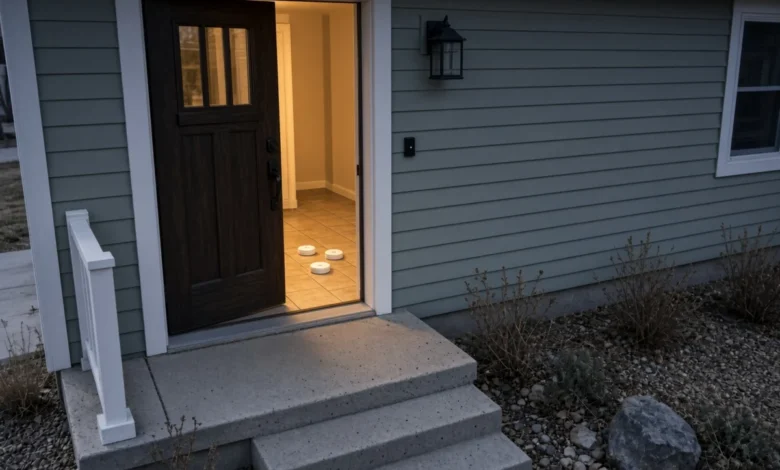
Upon receiving the report, the landlord conducted a brief assessment of the risk. Given the proximity of the property and the potential for a catastrophic fire, the owner proceeded to the site, arriving within six minutes. After verifying the source of the noise—a stack of three deactivated smoke alarms left on the garage floor—the landlord inspected the premises to ensure no fire hazards were present.
The landlord documented the state of the property, sent video evidence of the alarm to the tenants, and confirmed that the residence was secure. The tenants provided no immediate response. It was not until the following Friday, six days later, that the tenants acknowledged the situation. In their correspondence, the tenants confirmed the alarms had reached the end of their operational lifespan and were being prepared for disposal. Furthermore, the tenants requested that future property access be preceded by a text notification, regardless of the nature of the situation.
Legal Framework for Emergency Access
The dispute highlights a fundamental misunderstanding of property law regarding emergency access. Under California Civil Code Section 1954, landlords are restricted from entering a tenant’s dwelling without prior notice, except under specific, clearly defined circumstances. These include:
- An emergency, such as a fire, flood, or gas leak.
- Necessary repairs or services, provided the tenant has requested them.
- Court orders or cases of suspected abandonment.
Legal experts note that the "emergency" provision serves as a critical safety exemption. In the event of a fire alarm triggering in an empty unit, the potential for property damage or loss of life creates an objective emergency. In such cases, the requirement for 24-hour written notice is waived to allow for immediate intervention. The law is designed to protect the asset and ensure public safety, prioritizing the prevention of disaster over the tenant’s right to quiet enjoyment during the window of an active hazard.
Regulatory Requirements for Smoke Alarms
The presence of multiple, non-functional smoke alarms on the property floor raises significant questions regarding regulatory compliance. California Health and Safety Code Section 13113.7 mandates that the owner of a rental unit is responsible for the installation and maintenance of smoke detection devices. While the statute places the onus of testing and upkeep on the landlord, tenants are legally obligated to notify the property owner promptly when a device becomes inoperable.
The fact that the alarms were removed and stored in the garage without communication suggests a breakdown in the mandatory notification process. Failure to maintain working smoke detectors can expose landlords to significant liability, including insurance policy invalidation and potential fines from local fire departments. Data from the National Fire Protection Association (NFPA) indicates that approximately three out of five home fire deaths result from fires in properties with no smoke alarms or missing batteries. Consequently, regulators are increasingly stringent regarding the maintenance of these devices, often requiring regular inspections as part of the lease agreement.
Communication and Professionalism in Property Management
The six-day delay in response and the subsequent request for advance notice during emergencies underscore a growing challenge in the landlord-tenant relationship: the "cold" or "robotic" nature of modern digital communication. Analysts in the property management sector suggest that the shift toward remote, app-based, or email-only communication often strips away the professional courtesy necessary for conflict resolution.
A request for notice is standard in routine maintenance, but applying such constraints to emergency situations is generally considered unenforceable and against the spirit of standard lease agreements. Professional associations often advise that the "duty of care" owed by a property owner requires them to act in the interest of safety, even if it creates friction with the occupant.
The Shift Toward Passive Investment
This incident reflects a broader trend among individual real estate investors who are increasingly moving away from direct property management. The administrative burden—ranging from tenant screening and maintenance coordination to navigating legal disputes—has led many to seek more "passive" alternatives.
Data from recent market reports shows a steady increase in capital flows into Real Estate Investment Trusts (REITs) and private equity real estate funds, such as Fundrise. These vehicles allow investors to maintain exposure to the real estate market without the operational overhead of managing physical assets. The appeal of these platforms lies in the total removal of tenant interaction; investors earn returns based on the performance of the portfolio rather than the outcome of individual maintenance disputes.
For many, the physical management of a home involves high-stakes variables that cannot be fully controlled through technology. As the wealth-building process continues, the desire to minimize "landlord fatigue"—the accumulation of emotional and time-based costs associated with rental units—often drives investors toward institutionalized management models.
Implications and Future Best Practices
For property owners, this incident provides several key takeaways for lease agreements and management protocols:
- Explicit Emergency Clauses: Lease agreements should explicitly define what constitutes an emergency and reiterate the landlord’s right to enter without notice under such conditions, consistent with state law.
- Maintenance Logs: Landlords should maintain a digital, time-stamped log of all maintenance requests, including photos of replaced or non-functional equipment like smoke alarms.
- Safety Protocols: Implementing a biannual or annual safety check, agreed upon in the lease, allows the landlord to verify the status of fire suppression systems and smoke detectors while minimizing the need for surprise entries.
- Clear Communication Expectations: Setting clear expectations for communication turnaround times at the beginning of a lease can mitigate frustrations. While a 24-hour response time for non-emergencies is standard, immediate acknowledgment should be expected for urgent property issues.
Ultimately, the friction caused by the smoke alarm incident is a symptom of the inherent risk in residential leasing. While legal protections exist to ensure that safety remains the priority, the emotional toll of property management remains a significant factor in how investors allocate their portfolios. As the real estate sector continues to evolve, the balance between maintaining a personal, hands-on approach and transitioning to automated, passive investment vehicles will remain a central strategic decision for property owners.
The professionalization of the landlord-tenant relationship—grounded in clear, proactive communication and adherence to safety regulations—is the only effective way to mitigate the risks inherent in physical property ownership. Without such frameworks, the potential for conflict remains, further accelerating the movement toward, and reliance upon, institutionalized, passive real estate platforms.