The Rise of Micro-Mobility: How Falling Lithium-Ion Battery Costs Made Electric Scooters a Viable Urban Transit Solution


The global transportation sector is undergoing a profound structural evolution, driven largely by advancements in energy storage and a precipitous decline in the cost of lithium-ion battery technology. While electric automobiles frequently dominate headlines regarding the transition away from internal combustion engines, a parallel revolution is quietly reshaping urban mobility on a much smaller scale. Electric scooters, once dismissed as fleeting novelties hindered by subpar engineering, have matured into highly efficient, cost-effective instruments capable of displacing a significant percentage of short urban vehicular trips.
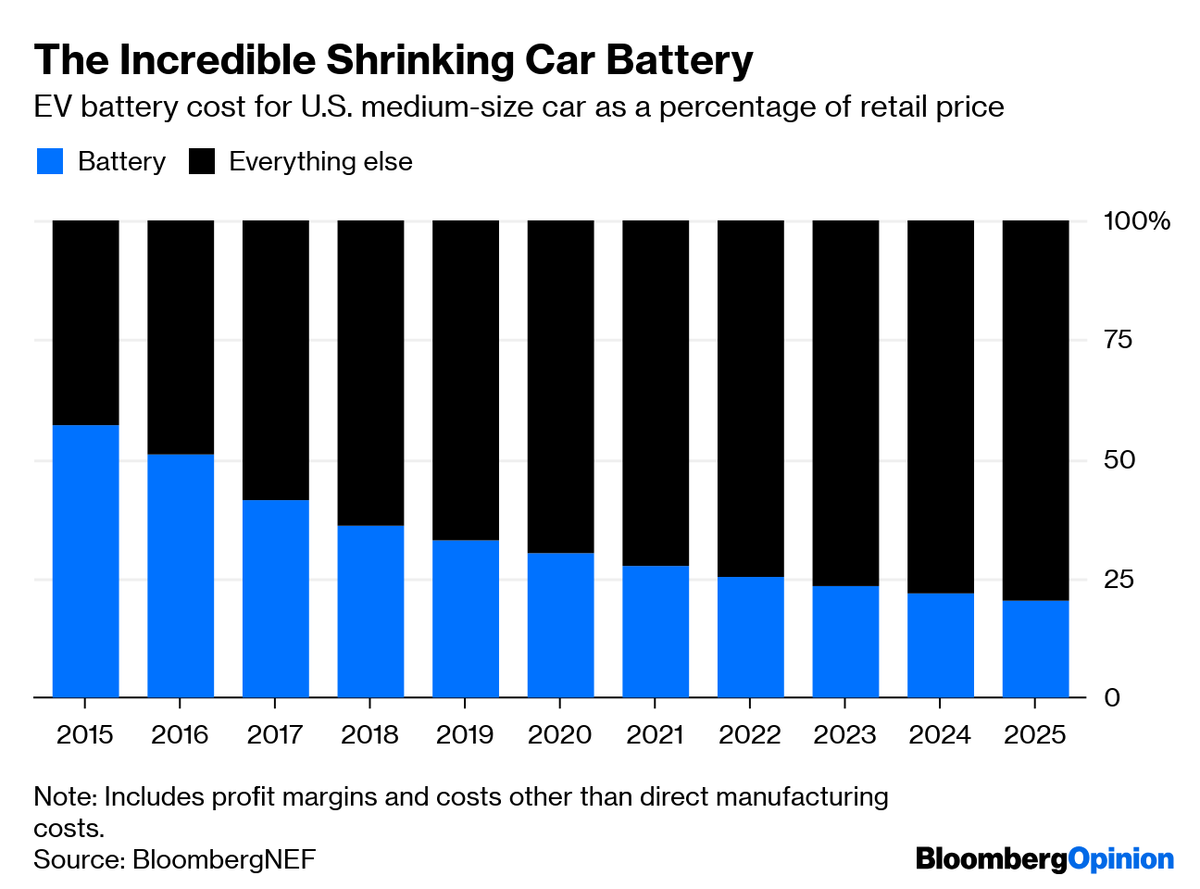
This transformation highlights a fundamental economic reality of the electric vehicle market: as battery production scales globally, the pricing of micro-mobility devices drops exponentially, altering how urban populations approach daily commuting and last-mile connectivity.
The Historical Bottleneck: Battery Limitations of the Past
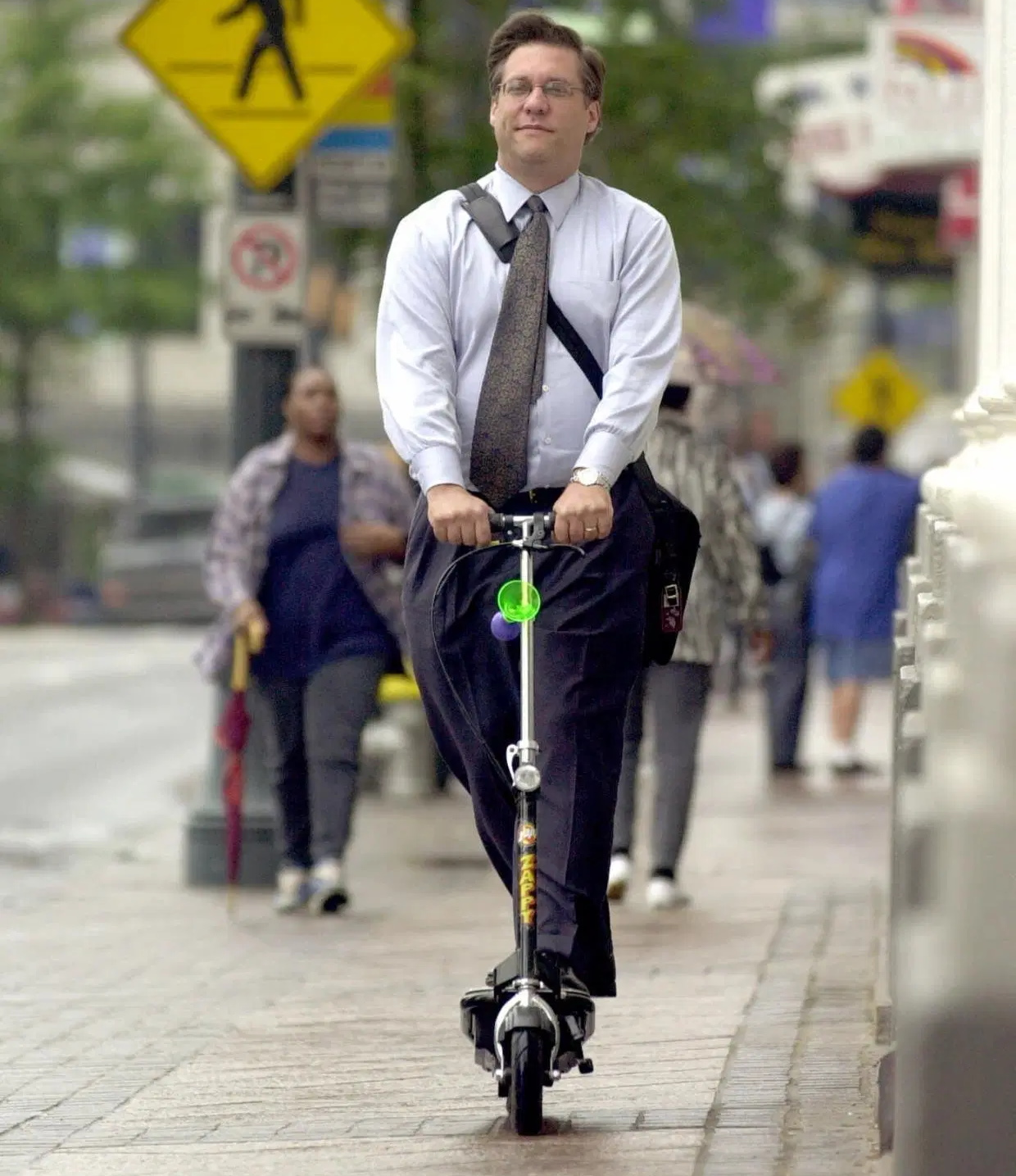
To understand the current accessibility of electric micro-mobility, one must examine the technological barriers that thwarted earlier attempts at lightweight electric transit. Two decades ago, the market saw the introduction of early electric transport systems, such as the Zappy electric scooter and early-generation electric automobiles. These devices ultimately failed to achieve widespread consumer adoption due to a singular, persistent limitation: inadequate energy storage.

At the turn of the millennium, manufacturers relied heavily on lead-acid battery technology. These traditional power sources imposed severe constraints on the vehicles that utilized them. Lead-acid batteries were excessively heavy, possessed low energy density, offered minimal operational range, and required prolonged charging cycles. In practical terms, these technical shortcomings meant that early electric scooters were cumbersome, underpowered, and unreliable.
The industry remained stagnant until the commercial maturation and widespread scaling of lithium-ion batteries. Originally popularized by consumer electronics such as laptops and smartphones, lithium-ion chemistry provided the high energy density, reduced weight, and rapid recharge capabilities necessary to make electric propulsion viable. This breakthrough did not merely revitalize the electric car market; it fundamentally enabled the modern electric scooter, the electric bicycle, and a vast ecosystem of compact personal transit devices.
Economic Shifts and the Impact of Falling Battery Costs
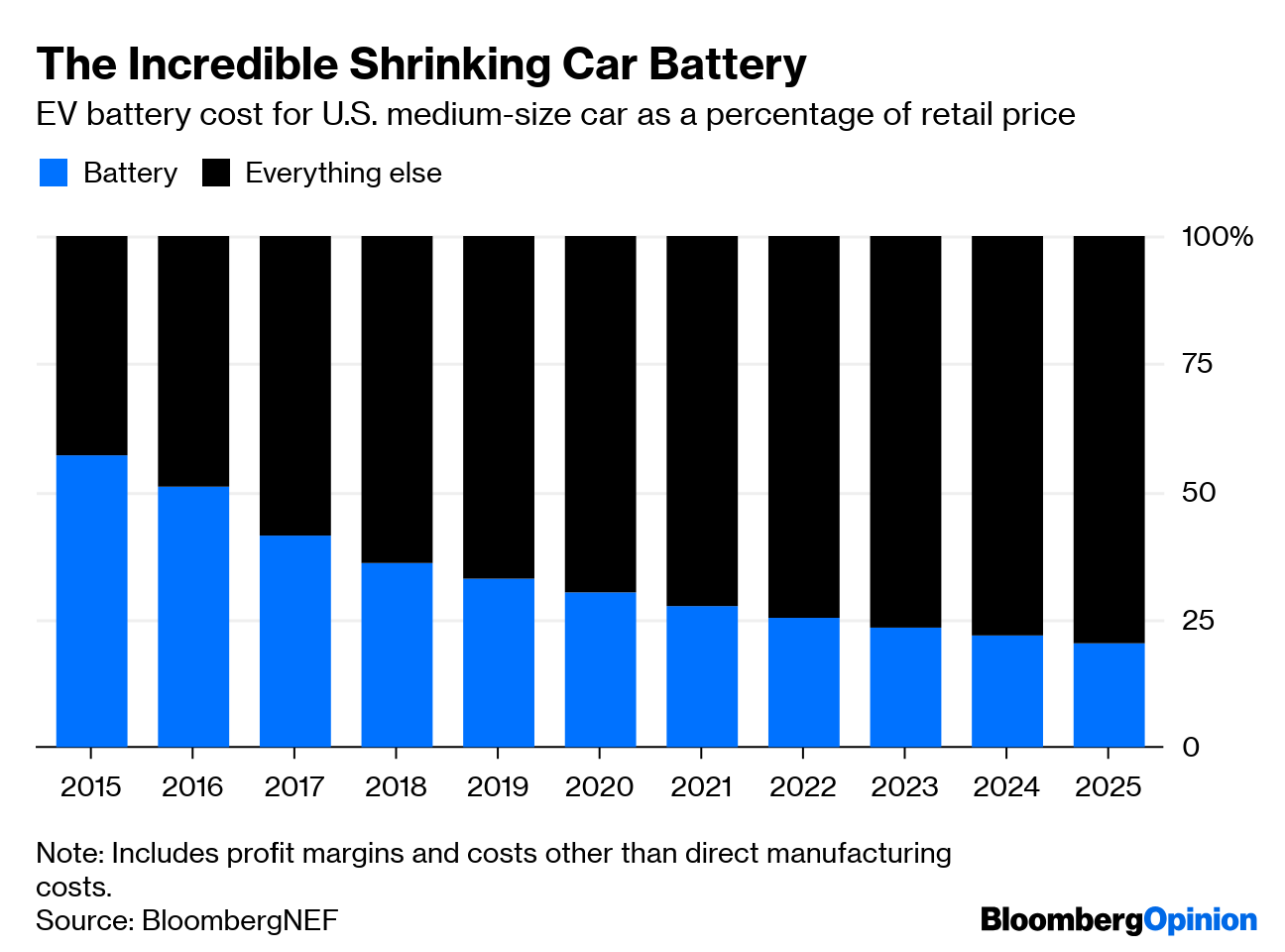
In any electric vehicle, the battery pack represents the single most significant component of manufacturing overhead. While traditional automotive manufacturing involves substantial costs related to stamping steel, fabricating aluminum, and shaping glass, fluctuations in vehicle pricing are tightly correlated with the cost per kilowatt-hour (kWh) of battery cells. As global production capacities for lithium-ion batteries expanded over the past decade, driven by investments from the automotive and consumer electronics sectors, input costs plummeted.
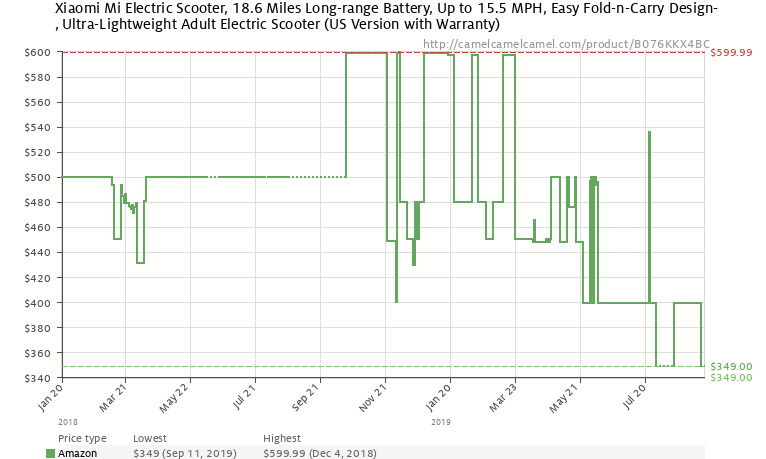
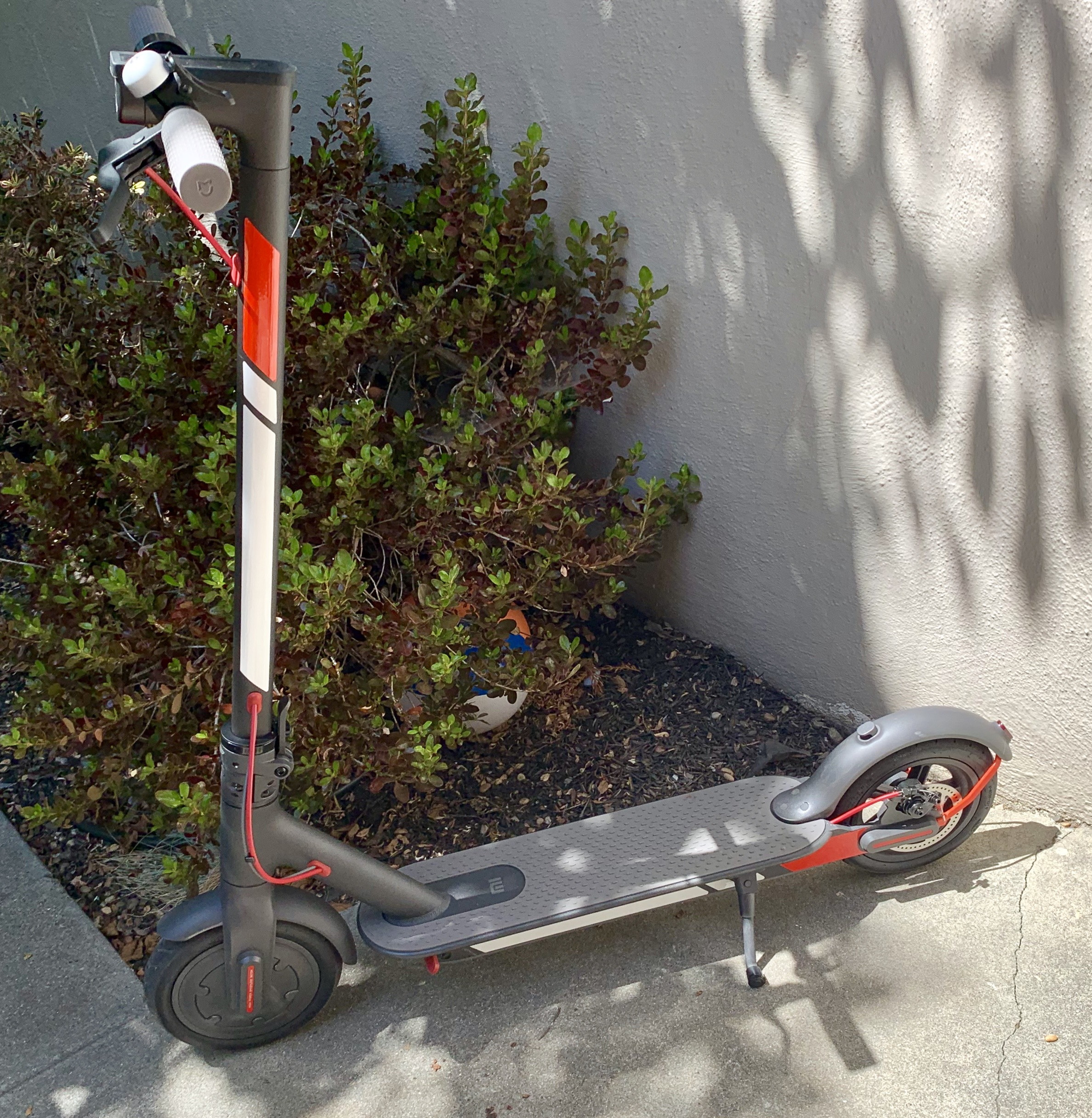
This macroeconomic trend is acutely visible in the consumer electric scooter market. A primary bellwether for this segment is the Xiaomi Mi M365, which debuted in the United States market around 2017 with an initial retail price of approximately $800. Within a span of three years, increased manufacturing efficiencies, supply chain maturity, and falling battery prices halved the market cost of equivalent models, with popular consumer versions frequently retailing between $300 and $400.
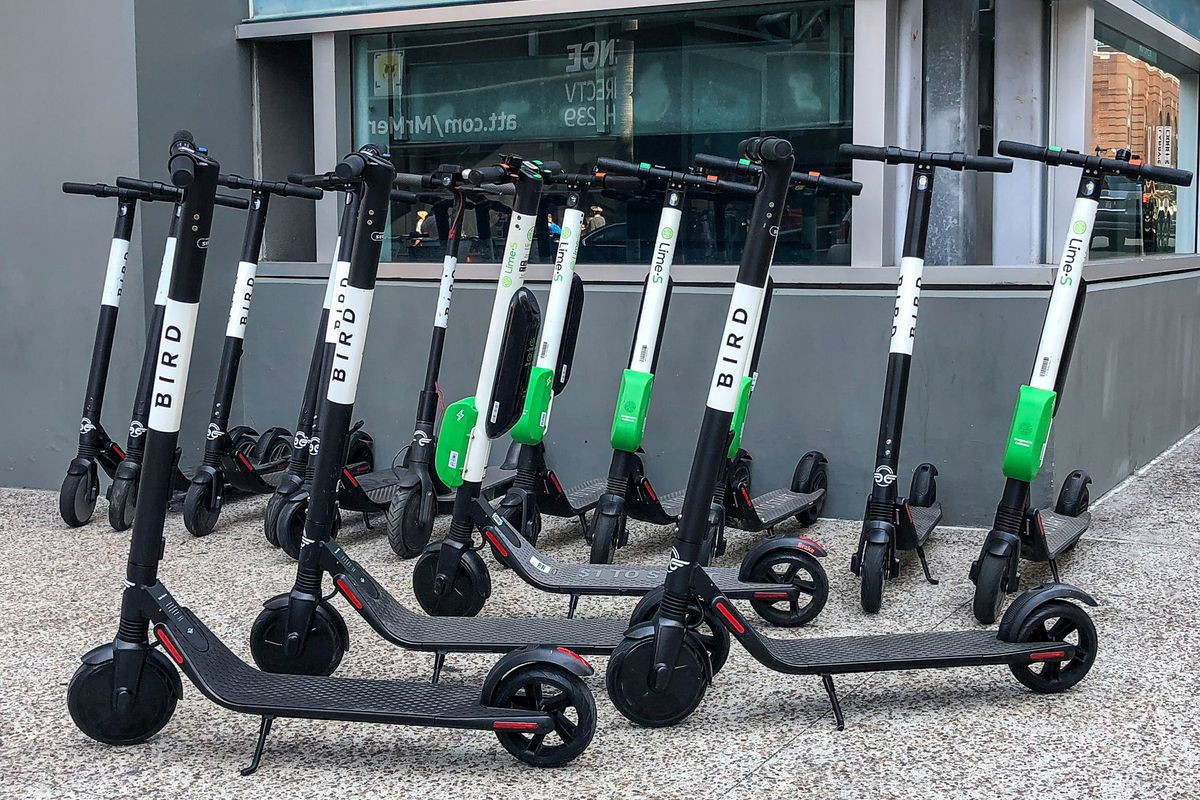
This drastic reduction in hardware costs coincided with the explosive, albeit chaotic, rise of dockless electric scooter sharing networks operated by companies such as Bird, Lime, Skip, and Spin. During the nascent phases of the app-based rental boom, companies frequently deployed off-the-shelf consumer hardware—specifically modified versions of the Xiaomi Mi M365—before transitioning to custom-built, ruggedized vehicles optimized for commercial fleet operations and vandalism resistance.
Urban Transportation Metrics and the Three-Mile Threshold
Transportation analysts and major mobility network companies have increasingly recognized that standard passenger automobiles are vastly oversized and inefficient for the majority of urban trips. Data compiled by major ride-hailing networks, including Uber, indicate that roughly 46 percent of all urban car trips cover a distance of less than three miles.
This statistical reality underscores the viability of micro-mobility fleets. For journeys under three miles, automobiles contribute disproportionately to traffic congestion, urban carbon emissions, and parking shortages while operating at maximum inefficiency. Electric scooters and bicycles occupy an optimal operational niche, bridging the gap between pedestrian transit and mass public transportation networks.
Municipal planners and corporate logistics experts increasingly view micro-mobility not merely as recreational novelty, but as a critical component of integrated urban transit infrastructure. By displacing short-distance automotive journeys, electric scooters offer a quantifiable mechanism for reducing municipal carbon footprints and alleviating inner-city traffic congestion.
Regulatory Challenges and the Evolution of Municipal Policy
Despite favorable economic and environmental metrics, the rapid proliferation of electric scooters has outpaced the development of coherent municipal regulatory frameworks. Local governments globally have struggled to establish consistent, rational policies regarding where electric scooters may be operated, how they must be parked, and what safety equipment is mandatory for riders.
Regulatory approaches vary wildly by jurisdiction. For instance, in California, state legislation historically imposed restrictive mandates on electric scooter operators, including requirements for a valid driver’s license—a restriction not levied against traditional bicyclists—and strict prohibitions against sidewalk riding. Conversely, other municipalities have embraced laxer guidelines, focusing primarily on speed caps and parking zones.

Industry experts and urban safety advocates generally concur on the necessity of reasonable speed restrictions. Standard consumer electric scooters are typically capped at a top speed of 15 miles per hour. Transport safety organizations note that 15 mph provides an adequate velocity for urban commuting while remaining manageable for a standing rider lacking professional motorcycle safety gear.
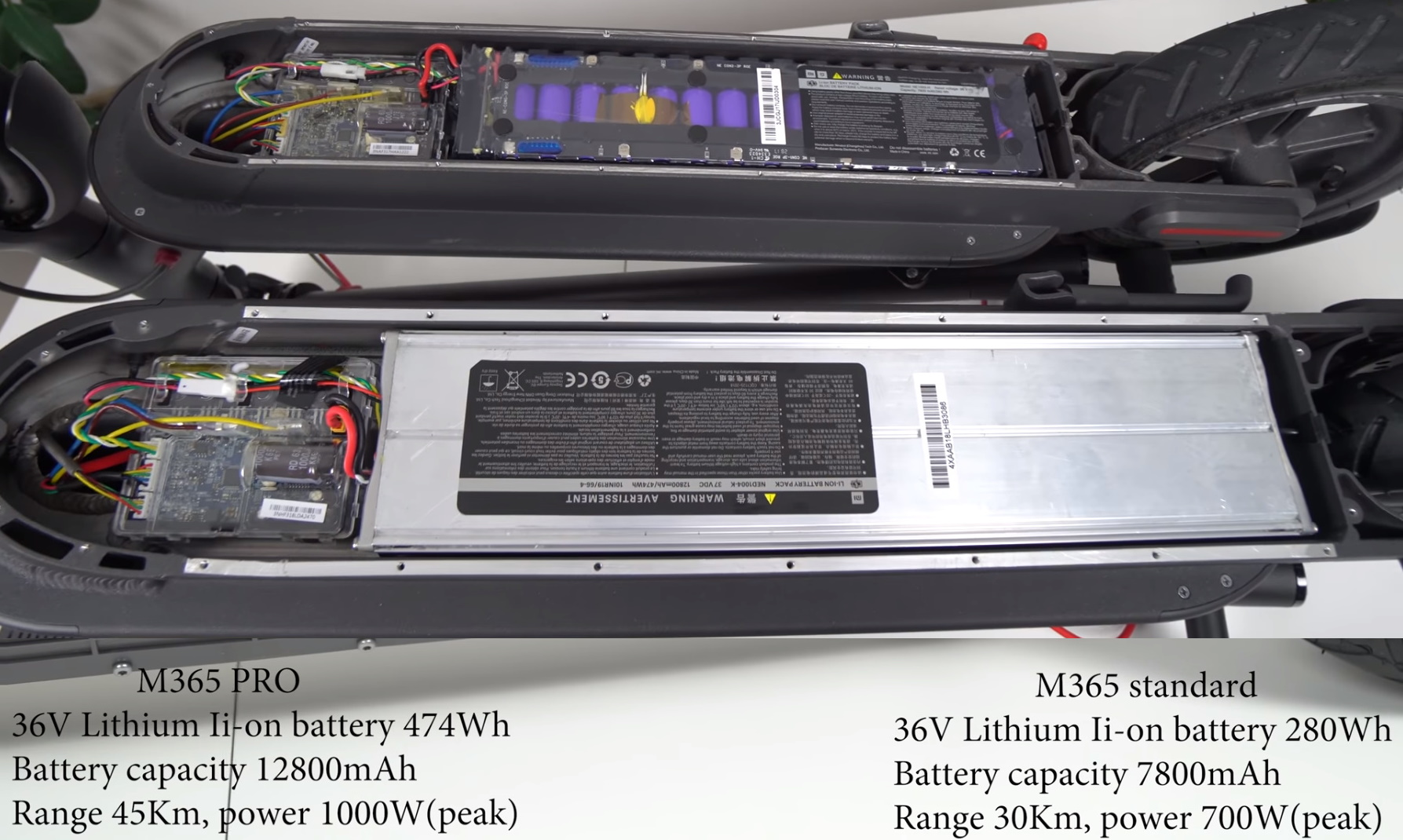
However, the market has simultaneously seen the emergence of high-performance, heavy-duty electric scooters capable of speeds exceeding 40 miles per hour, driven by dual-motor configurations and large-capacity battery packs exceeding 1,000 watt-hours. These high-speed variants occupy a distinct regulatory gray area, blurring the line between personal mobility devices and motorized motorcycles, thereby prompting renewed scrutiny from traffic safety regulators.
Technological Iteration and the Digital Evolution of Personal Transit
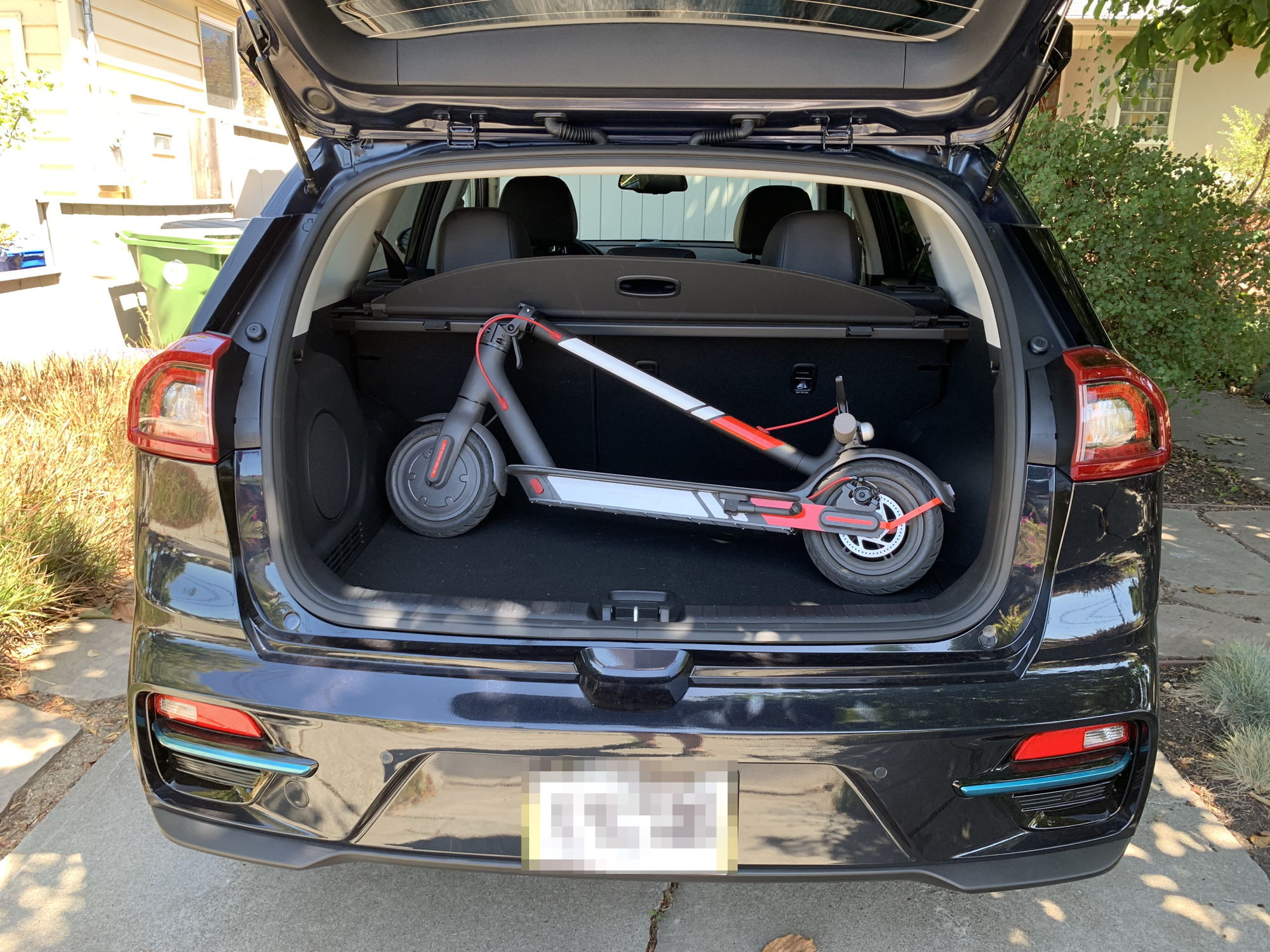
The technological trajectory of electric scooters mirrors that of modern consumer electronics. Iterative updates—such as the introduction of enhanced battery capacities, regenerative braking systems, integrated digital displays, and robust folding mechanisms—have steadily improved user safety and mechanical durability.
Furthermore, the integration of Bluetooth connectivity and proprietary smartphone applications highlights the inherently digital nature of modern electric vehicles. Firmware hacking, custom speed tuning, and digital anti-theft locking mechanisms have transformed a mechanical kick-scooter into a smart, programmable transit node.
A Comparative Look at Past Failures: The Segway Legacy
The current success of affordable electric scooters stands in stark contrast to historical missteps in the personal transportation sector. Two decades ago, the introduction of the Segway was accompanied by intense media speculation and grandiose predictions that the self-balancing device would fundamentally redesign urban architecture.
Launched at an introductory price of $5,000 in 2001—equivalent to over $7,000 adjusted for inflation—the Segway failed to achieve mass consumer adoption due to prohibitive pricing, excessive physical bulk, and cultural resistance. Rather than transforming global urban mobility, the device largely found its niche in specialized security patrols and tourism.
In contrast, the modern electric scooter ecosystem has achieved the accessibility and transformative urban impact that the Segway originally promised, but at a fraction of the cost. By capitalizing on mature battery technology, streamlined manufacturing, and changing consumer attitudes toward urban density, lightweight electric transit has secured a permanent role in the future of human mobility.