Stop Propagating Poor Performance: The Hidden Cost of Managerial Rescuing in Modern Corporate Environments

The modern workplace is defined by a paradoxical trend: while organizations emphasize high performance and agility, many managers fall into a psychological trap that ultimately undermines these goals. This phenomenon, often termed "managerial rescuing," occurs when leaders step in to complete tasks for underperforming subordinates under the guise of empathy or efficiency. While intended to be an act of kindness, this practice creates a systemic barrier to professional development and organizational health. As leadership experts and human resources professionals continue to analyze the long-term impacts of this behavior, a consensus is emerging: consistently shielding employees from the consequences of poor performance does not cultivate talent—it institutionalizes mediocrity.
The Psychology of the "Rescuer" Manager
At the heart of this issue is a misaligned sense of kindness. Many leaders, particularly those in middle management, fear that holding an employee strictly accountable for their output will damage morale or result in high turnover. Consequently, when a deadline is missed or a project falls short, the manager quietly absorbs the workload. This behavior provides immediate, short-term relief for the underperformer, who avoids the discomfort of critical feedback or professional consequences.
However, psychological research into workplace dynamics suggests that this cycle creates a dependency loop. By repeatedly "rescuing" a team member, the manager inadvertently signals that the standard of work is flexible. This reinforces a behavior known as "learned helplessness," where the employee stops striving for excellence because they have come to rely on the manager’s intervention as a safety net.
Chronology of Performance Erosion
The erosion of performance standards within a team typically follows a predictable, three-stage chronology:
- The Initial Lapse: An employee fails to meet a performance metric or misses a deadline. The manager, wanting to maintain team harmony, absorbs the extra work to ensure the broader project remains on schedule.
- The Normalization Phase: The employee realizes that the consequences for failure are negligible because the manager will intervene. Over time, the missed deadline becomes an expected, albeit unstated, part of the workflow.
- The Systemic Failure: The manager becomes overwhelmed by the accumulation of "rescued" tasks, leading to burnout. Simultaneously, high-performing team members grow resentful, observing that poor performance is tolerated while they are expected to maintain high standards without additional support.
Empirical Data on Accountability and Engagement
The impact of this dynamic is not merely anecdotal. According to recent workforce engagement studies, including data from Gallup’s State of the Global Workplace reports, teams that lack clear accountability structures consistently report lower levels of employee engagement.

When managers fail to address performance issues, it creates an "accountability vacuum." In such environments, the most productive employees—those who consistently meet or exceed expectations—are often the first to disengage. This occurs because the perceived unfairness of the workload distribution becomes unsustainable. Organizations that allow poor performance to persist see a statistically significant decline in retention rates for top-tier talent. The cost of replacing these high-performers is estimated to be between 50% and 200% of their annual salary, representing a massive, preventable loss for companies that fail to address performance issues at the source.
The Problem with Questioning Excuses
A recurring error in management is the tendency to ask "why" when a failure occurs. While gathering information is necessary, asking "Why did you miss this deadline?" often invites a cycle of justification. In many instances, the employee provides a "good reason"—a technical glitch, a personal issue, or a misunderstanding.
While these reasons may be factually accurate, they do not resolve the primary issue of responsibility. By engaging in a debate over the validity of the excuse, the manager shifts the focus away from the outcome. In high-performance cultures, the shift must move from "explaining the failure" to "remedying the impact." Expert leadership consultants argue that the conversation should focus on the impact of the missed deadline on the team and the organization, rather than the internal narrative of the individual who failed to deliver.
Distinguishing Between Obstacles and Performance
A critical nuance in this discussion is the distinction between a lack of ability and the presence of genuine obstacles. Before a manager can address poor performance, they must conduct a thorough diagnostic assessment.
- Obstacles: Does the employee have the necessary tools, training, and clear expectations? If the manager has not provided the proper infrastructure for success, the failure is a leadership failure, not an employee performance issue.
- Performance: If the tools and expectations are clear, and the employee still fails, the issue is one of capacity or commitment.
Managers are advised to remove obstacles immediately—a process known as "clearing the runway." Once the obstacles are cleared, however, the burden of performance returns solely to the employee. If the performance does not improve after the removal of external barriers, the manager must transition from a "rescuer" to a "coach" or, if necessary, an enforcer of professional standards.
The Impact on Organizational Culture
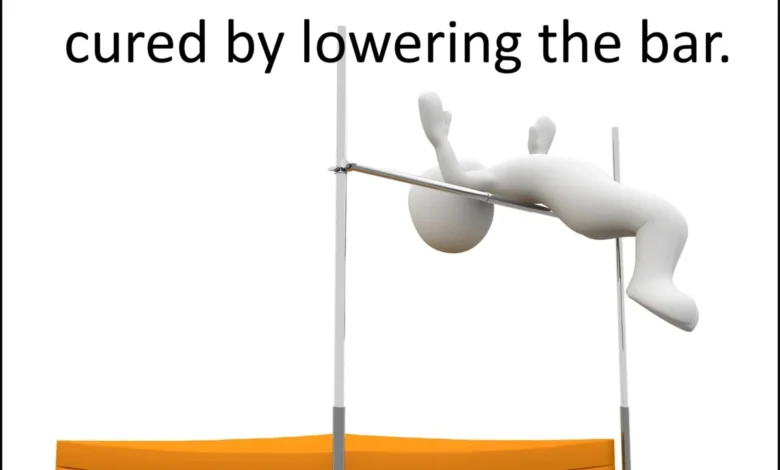
The broader implications of failing to hold staff accountable are profound. A culture that rewards, or even tolerates, poor performance sends a clear message to the entire organization: effort and excellence are optional. This inevitably leads to a "race to the bottom," where the bar is lowered to accommodate the lowest common denominator of output.

Conversely, organizations that maintain high standards foster a culture of mutual respect. When a manager holds a team member accountable, they are, in effect, showing respect for that employee’s potential. It implies that the manager believes the employee is capable of meeting the standard. This approach transforms the manager from a "rescuer" into a leader who builds capacity within their team.
Strategic Recommendations for Managers
To break the cycle of poor performance, leadership experts suggest the following steps:
- Adopt a Results-Oriented Framework: Focus the dialogue on the outcome, not the process or the excuse.
- Document Performance Consistently: Maintain an objective record of performance, including instances where support was offered and where the employee failed to meet expectations.
- Establish Clear Consequences: Ensure that employees understand the professional implications of continued performance lapses.
- End the Rescuing Habit: When an employee misses a target, resist the urge to complete the task for them. Instead, facilitate a discussion on how the employee intends to resolve the situation and meet the original objective.
Conclusion: The Necessity of Weight
Leadership is inherently a weight-bearing profession. When managers attempt to shield their subordinates from the weight of their own responsibilities, they do not alleviate the burden; they merely displace it onto themselves or onto the high-performers in the organization.
Ultimately, the most effective way to help an underperforming employee is to provide them with the autonomy and the expectation to succeed on their own merits. By stopping the practice of rescuing, managers allow their teams to develop the resilience and competence required to thrive in a competitive market. As the adage suggests, poor performance is never cured by lowering the bar—it is only through the consistent application of expectations that professional growth and organizational success can be sustained. Leaders must accept that part of their role is to facilitate growth, and growth is rarely possible in an environment where failure carries no consequence.