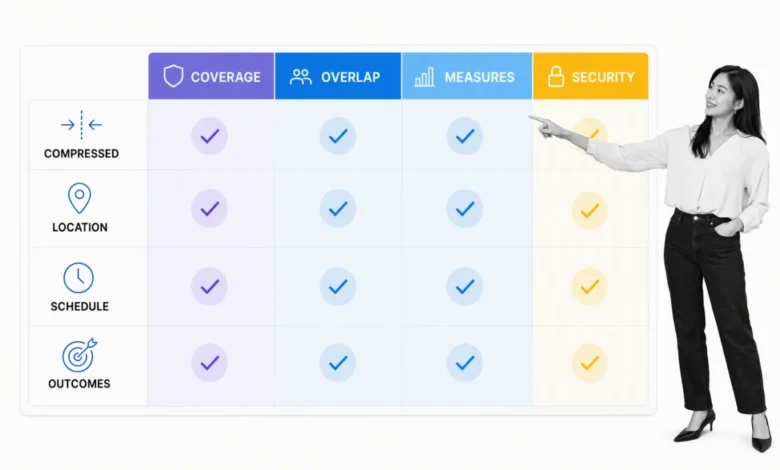
The modern workplace is undergoing a structural transformation as organizations move away from traditional, office-centric mandates in favor of flexible work models. By redefining where, when, and how professional responsibilities are executed, companies are attempting to balance employee autonomy with the rigorous demands of operational continuity, data security, and team cohesion. While flexible work—ranging from hybrid arrangements to results-only environments—has been framed as a recruitment perk, contemporary business intelligence suggests it is fundamentally an operating-model shift that requires governance, clear KPIs, and robust change management to succeed.
The Evolution of Flexible Work: A Brief Chronology
The rapid adoption of remote work during the 2020 global pandemic acted as a forced catalyst for a trend that had been simmering for years. Before 2020, "telecommuting" was often viewed as an exception or a benefit afforded to specific high-level roles. However, the subsequent years shifted the paradigm.
In 2024 and 2025, the narrative matured from "survival-mode remote work" to "strategic flexibility." Data from the US Bureau of Labor Statistics indicates that 57% of wage and salary workers currently possess the ability to vary their start and end times, marking a significant departure from the rigid 9-to-5 schedules that defined the 20th-century economy. As organizations settled into this new reality, many found that the lack of clear, repeatable processes led to friction. Consequently, the focus in late 2026 has shifted toward codifying these flexible arrangements into standardized operating procedures, utilizing platforms like Process Street to ensure that "flexible" does not equate to "unmanaged."
Categorizing the Modern Flexible Landscape
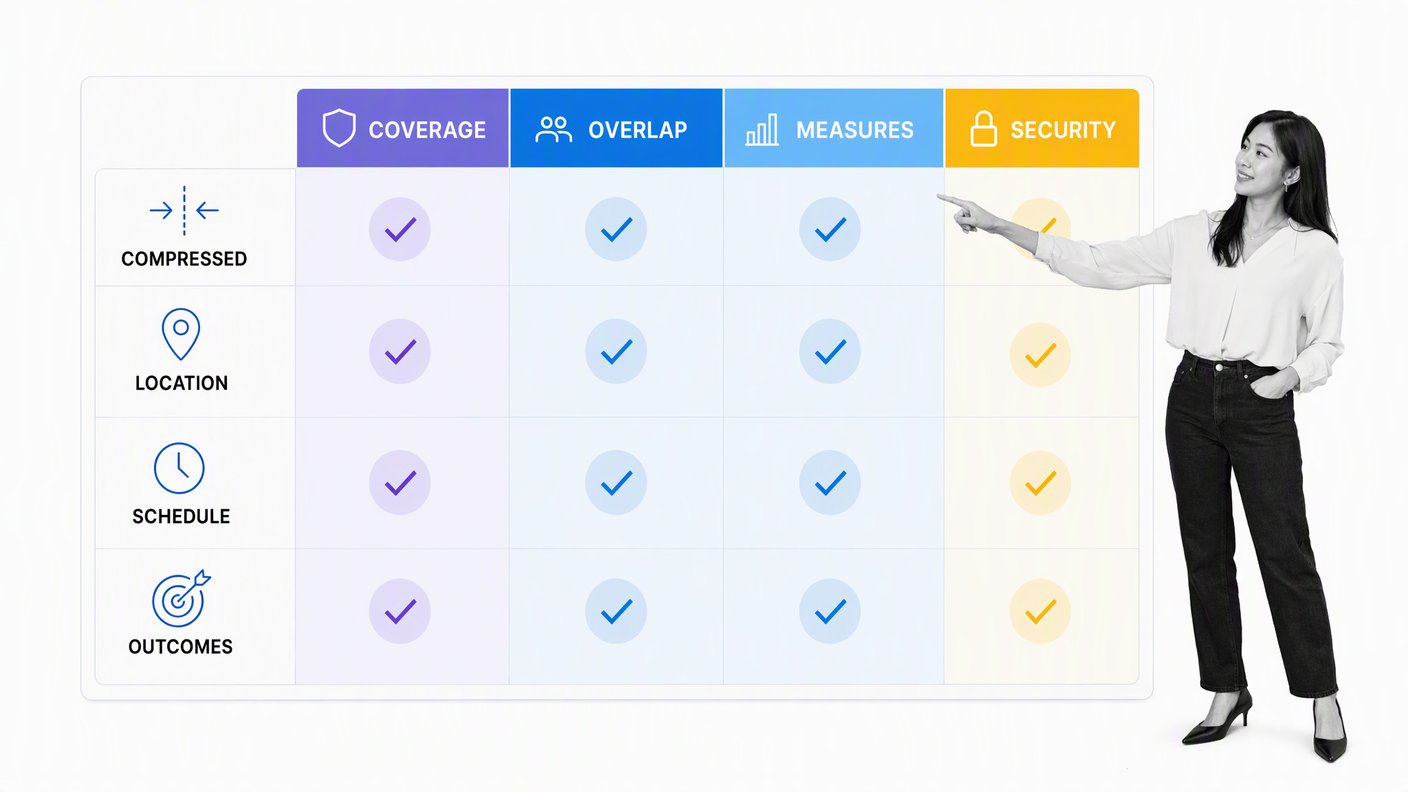
To navigate this transition, leadership teams are categorizing flexibility into four primary structural pillars. Each model carries distinct trade-offs between employee freedom and business requirements.
1. The Compressed Workweek
The compressed workweek, most commonly observed in the "4×10" format (four 10-hour days), aims to provide a three-day weekend without reducing total labor hours. While popular for its perceived impact on work-life balance, it faces skepticism regarding productivity fatigue. Critics argue that 10-hour days lead to diminishing returns in cognitive output, while proponents point to reduced commuting costs and increased personal time as significant retention drivers.
2. Flexible Location (Hybrid and Remote)
This model allows for geographic freedom, ranging from full remote work to hybrid setups where specific days are designated for in-office collaboration. The primary challenge here is maintaining organizational culture and security. Without a physical office as a centralized hub, companies must invest in asynchronous communication protocols to ensure that information silos do not emerge.
3. Flexible Schedules (Flextime)
Flextime permits employees to adjust their daily hours to accommodate personal responsibilities. This model is particularly effective for organizations with a diverse workforce, including caregivers and students. However, it necessitates a shift toward "core hours"—a period of the day where all employees must be available—to ensure that collaborative work is not hindered by individual schedule variance.
4. Results-Only Work Environment (ROWE)
The most radical shift, ROWE, prioritizes output over hours logged. In this model, performance is measured exclusively through key performance indicators (KPIs) and project milestones. This requires a high degree of managerial maturity, as supervisors must be capable of defining clear, objective outcomes rather than relying on the "visibility" of an employee at their desk.
Data-Driven Implications and Economic Impact
The business case for these models is increasingly supported by empirical research. A randomized controlled trial published in Nature in 2024 provided evidence that a two-day hybrid work schedule could reduce employee turnover by as much as one-third. By lowering the cost of recruitment and training—which can often reach 1.5 to 2 times an employee’s annual salary—organizations that adopt sustainable flexible models effectively hedge against talent attrition.
However, the "productivity paradox" remains a point of contention. Gallup research highlights that while hybrid work is now the standard for remote-capable roles, its success is not inherent; it is contingent upon management quality. When leadership fails to coordinate team interaction, the flexibility that was meant to boost productivity can instead lead to isolation and communication bottlenecks.
Secondary Trends: Job-Sharing, Sabbaticals, and Phased Retirement
Beyond the four core models, companies are utilizing creative retention strategies to keep experienced talent within the ecosystem.
- Job-Sharing: By allowing two employees to share the responsibilities of a single full-time role, companies retain institutional knowledge that might otherwise be lost if a high-performing employee were forced to resign due to personal constraints.
- Sabbaticals: Offering extended leave, often at reduced pay, serves as a powerful retention tool. It allows employees to pursue personal development or manage life events, returning to the company with a rejuvenated perspective.
- Phased Retirement: As the global workforce ages, phased retirement allows companies to facilitate a knowledge transfer from senior staff to incoming talent over an extended period. This mitigates the "brain drain" associated with sudden departures.
The Risks of Poorly Executed Flexibility
While the benefits are significant, the disadvantages of a poorly implemented flexible model can be disruptive. These include:
- Ownership Gaps: When visibility is reduced, tasks may fall through the cracks if ownership is not explicitly documented.
- Security Vulnerabilities: Flexible locations increase the attack surface for cybersecurity threats. Organizations must adopt "zero trust" protocols, ensuring that sensitive data access is secured regardless of the network location.
- Burnout: The "always-on" nature of remote work can blur the lines between professional and private life. Without clear, enforced boundaries, employees often report higher rates of exhaustion.
Best Practices for Implementation
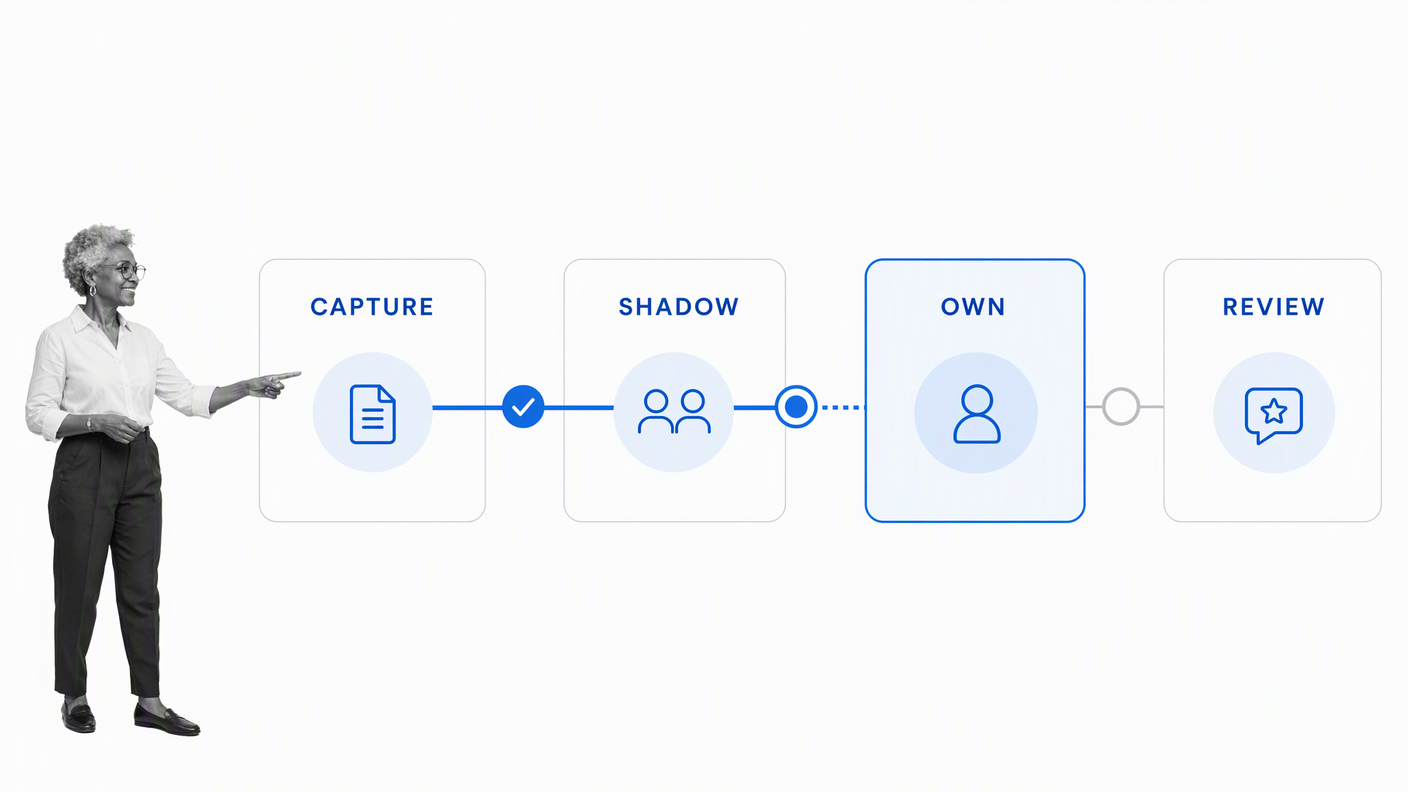
Transitioning to a flexible model should be treated as a major operational reengineering project rather than an informal policy update. To implement this successfully, organizations should follow a disciplined lifecycle:
- Work Mapping: Audit every role within the organization. Distinguish between tasks that require physical presence and those that are output-based.
- Resource Allocation: Budget for the necessary infrastructure. This includes not just laptops, but secure remote access software, home-office stipends, and collaboration tools that support asynchronous work.
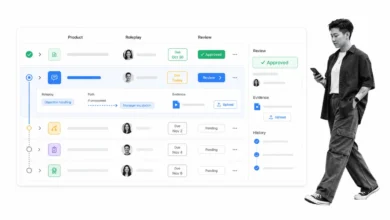
- Governance via Process: Policies must be codified. Using platforms such as Process Street allows organizations to turn policy documents into live, trackable workflows. This ensures that when a manager approves a flexible schedule, the request is logged, security access is provisioned, and the impact is periodically reviewed.
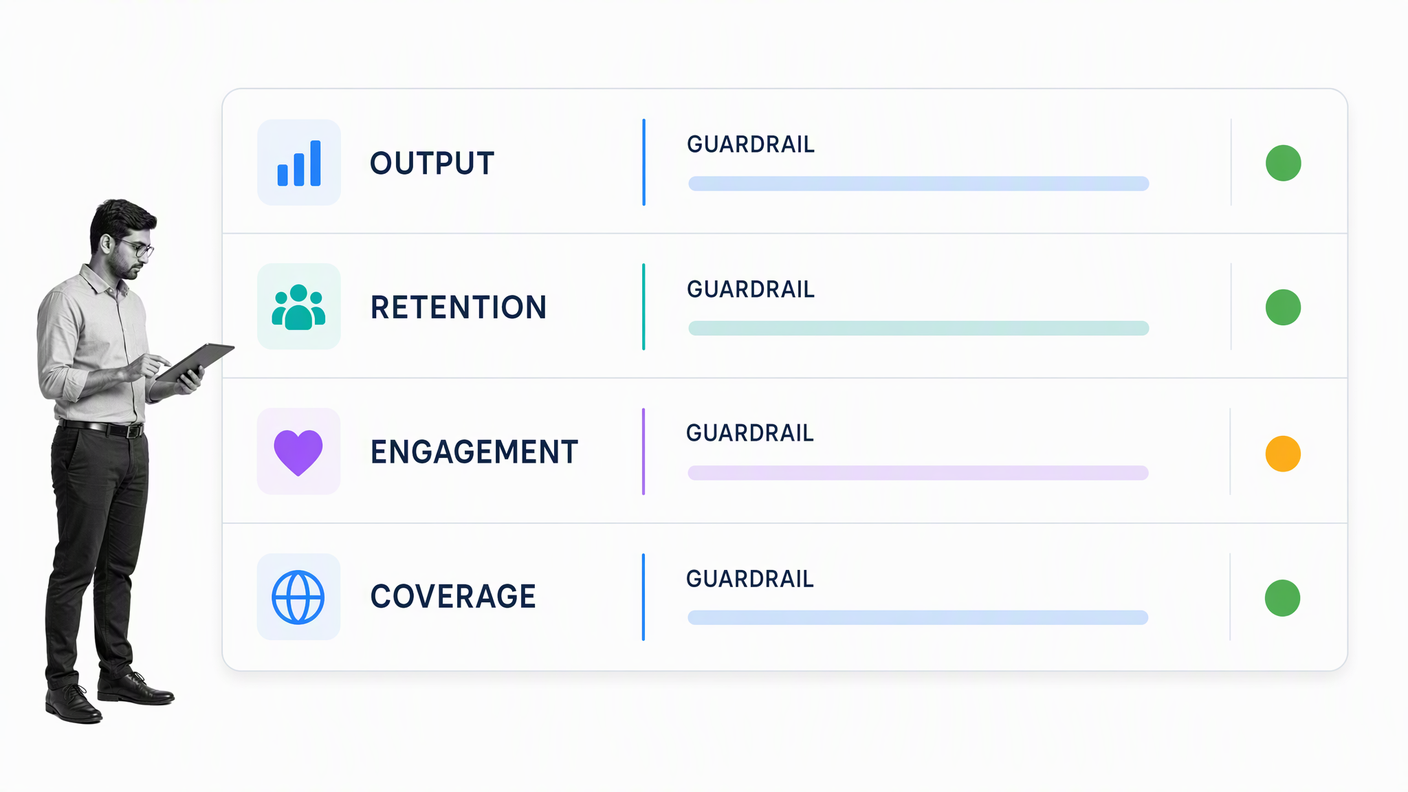
- Measured Pilots: Never implement a company-wide change without a pilot phase. Use a defined timeline—such as 90 days—to measure engagement, customer satisfaction scores, and output quality against the previous baseline.
- Deliberate Communication: In a flexible environment, communication must be intentional. Organizations should mandate regular "sync" times while respecting "focus" times, preventing the fatigue of back-to-back virtual meetings.
Conclusion: The Synthesis of Autonomy and Accountability
The shift toward flexible work models is a permanent feature of the modern global economy. It is not a concession to employee demands, but a strategic imperative for businesses seeking to attract top-tier talent and optimize operational resilience.
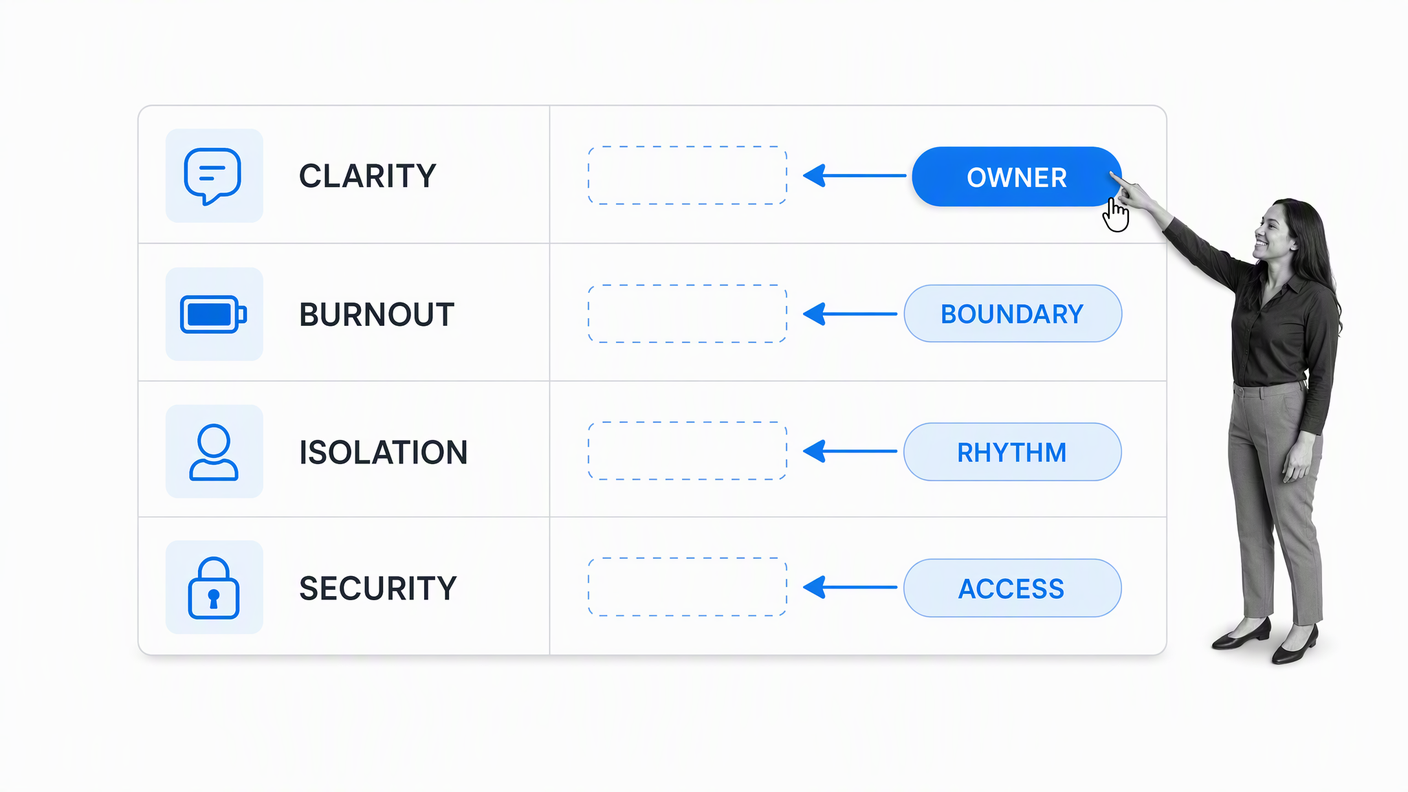
However, flexibility is only as effective as the infrastructure supporting it. The most successful organizations are those that move beyond the superficial appeal of "working from anywhere" and instead focus on the rigor of the underlying processes. By clearly defining ownership, securing data, and measuring results through data-driven KPIs, companies can create a model that provides employees with meaningful choice while maintaining the business’s core objectives. The future belongs to firms that treat flexibility not as a perk, but as a sophisticated, governed operating system.