Tech Entrepreneur Jeff Atwood Pledges Half His Remaining Wealth to Revitalize the American Dream Amid Rising Inequality


Silicon Valley veteran and software developer Jeff Atwood, widely recognized as the co-founder of the developer platform Stack Overflow and the open-source discussion software Discourse, has announced a landmark philanthropic commitment. Alongside his family, Atwood has pledged to distribute half of his remaining personal wealth over the next five years to support long-term initiatives aimed at preserving and expanding access to the American Dream. The announcement follows an initial round of eight separate $1-million donations directed immediately toward nonprofit organizations addressing acute socioeconomic needs across the United States.
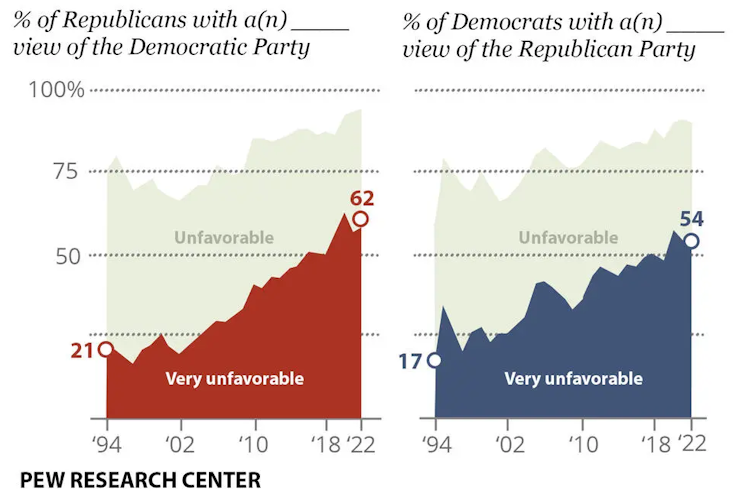
Atwood’s public declaration arrives at a critical juncture for the United States, marked by deep political polarization, widening wealth gaps, and escalating debates over the viability of foundational economic and social mobility. By redirecting a substantial portion of his accumulated assets earned from decades in the technology sector, Atwood seeks to address what he identifies as structural barriers to opportunity, including soaring costs of higher education, shrinking civic engagement, and historical income disparities.
Personal Roots and Early Financial Struggles
Atwood’s perspective on the American Dream is deeply rooted in his upbringing. Raised by parents from rural West Virginia and North Carolina who struggled near the poverty line, Atwood experienced firsthand the precariousness of working-class American life. His father battled severe alcoholism, a crisis that ultimately culminated in his parents’ divorce when Atwood was sixteen years old. That turning point allowed both parents to pursue personal recovery and provide a stable, albeit financially strained, environment for their only child.

Years later, while pursuing his undergraduate education at the University of Virginia—founded by Thomas Jefferson—Atwood navigated significant financial hurdles. Balancing a part-time position as a cashier at Safeway earning the federal minimum wage, he relied on federal Pell grants, academic scholarships, and additional part-time jobs to cover educational expenses.
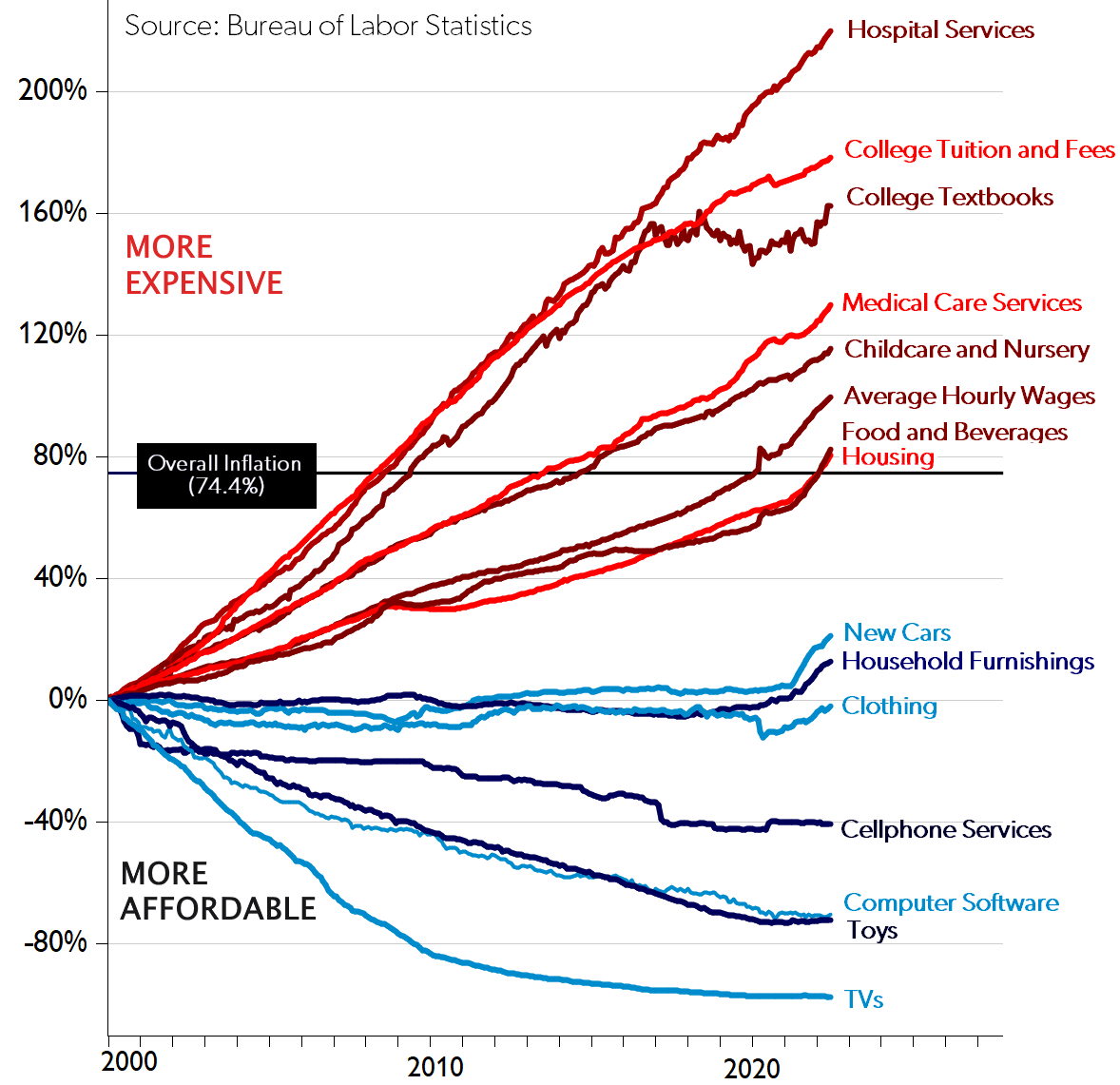
In a comparative analysis of historical and contemporary economic conditions, Atwood highlighted the staggering inflation of higher education costs. In 1992, in-state tuition at public universities averaged approximately $3,000 annually. Over the subsequent three decades, that figure surged to roughly $23,000 per year—representing an eightfold increase that far outpaces general consumer price inflation and wage growth. Similar exponential cost increases in housing and healthcare, Atwood argues, have severely compromised the traditional promise of upward mobility that defines the American Dream.

Building Digital Democracies: From Stack Overflow to Discourse
Before shifting his primary focus to large-scale philanthropy, Atwood made significant contributions to the global software engineering community. In 2008, alongside co-founder Joel Spolsky, Atwood launched Stack Overflow, a crowdsourced question-and-answer platform designed to build a free, globally accessible repository of programming knowledge. Operating under a Creative Commons framework, the site utilized democratic governance mechanisms, including community-driven voting systems and ranked-choice voting for content moderation, effectively establishing a scalable digital democracy for software developers worldwide.
Recognizing the limitations of purely transactional technical forums, Atwood subsequently founded Discourse in 2013. Designed as a free, open-source platform, Discourse aimed to foster empathetic, constructive community dialogue by empowering local administrators to enforce clear, community-ratified behavioral boundaries. Both ventures underscored Atwood’s foundational belief in decentralized, collaborative digital infrastructure—principles that he now seeks to apply to broader democratic and economic challenges.
Economic Inequality and Wealth Concentration
Atwood’s philanthropic shift is underpinned by a growing body of economic data concerning wealth inequality in the United States and globally. According to Federal Reserve data and research from institutions such as Oxfam and the Pew Research Center, wealth concentration at the top of the economic spectrum has accelerated significantly over the past several decades.
In 2012, the top one percent of American households held approximately 24 percent of the nation’s total wealth. By 2021, that share had climbed to 30 percent. Globally, the disparity is even starker, with reports indicating that the wealthiest one percent command nearly twice as much wealth as the remaining 99 percent of the global population combined.

For Atwood, personal accumulation beyond a certain threshold has become untenable. Reflecting on his own financial success, he noted that extreme wealth naturally insulates individuals from the daily economic pressures faced by average citizens, creating a profound disconnect from the realities of modern American life. Citing historical philosophical precedents, including W.E.B. Du Bois’s assertions on the true measures of national prosperity—such as the absence of poverty, robust public education, and public health—Atwood concluded that systemic wealth hoarding is fundamentally misaligned with democratic ideals.
Philanthropic Strategy and the Five-Year Timeline
While prominent figures such as Warren Buffett have committed vast fortunes to philanthropic causes primarily upon their passing—often through multi-generational family foundations—Atwood has chosen a more immediate and active approach. Citing concerns regarding bureaucratic delays and the complexities of generational wealth management, Atwood’s five-year deployment strategy is designed to inject capital directly into active projects addressing systemic inequality.
The family’s initial deployment includes eight $1-million grants disbursed to frontline organizations meeting immediate community needs. The subsequent phase, spanning the next five years, will target foundational pillars of the American Dream, including civic participation, educational access, and democratic institution-building.
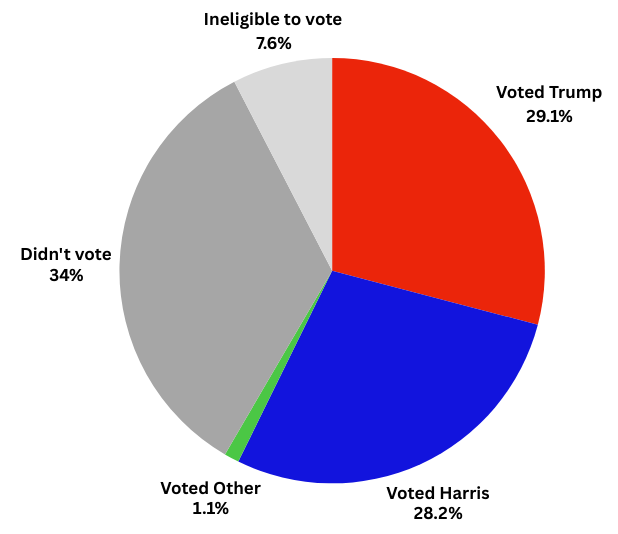
Atwood has also emphasized the necessity of structural political reforms to restore faith in public institutions. Among the policy remedies he advocates are establishing Election Day as a national holiday, expanding universal mail-in voting to increase turnout—noting that approximately 34 percent of eligible adults did not vote in the 2024 presidential election—and implementing ranked-choice voting nationwide to mitigate extreme political polarization.
Broader Implications and Public Response
The announcement has resonated within both the technology sector and philanthropic circles, sparking renewed discussions regarding the social responsibilities of tech entrepreneurs who amassed fortunes during the digital boom of the early 2000s. Observers note that while high-net-worth commitments under the Giving Pledge have historically focused on long-term endowments or post-mortem distribution, Atwood’s active, mid-career divestment model reflects an increasing urgency among donors seeking to address immediate societal fractures.
Atwood’s initiatives are slated to be detailed further in upcoming public discussions, including a collaborative presentation at Cooper Union alongside retired U.S. Army Lieutenant Colonel Alexander Vindman. Through these public forums and ongoing advisory efforts, Atwood aims to mobilize peers and citizens alike, framing the preservation of the American Dream not as a passive inheritance, but as an active, ongoing collective responsibility rooted in empathy, civic participation, and economic fairness.