Orcas in the Gulf of California Observed Using High-Impact Ramming Tactics to Fragment Sunfish for Social Learning and Play

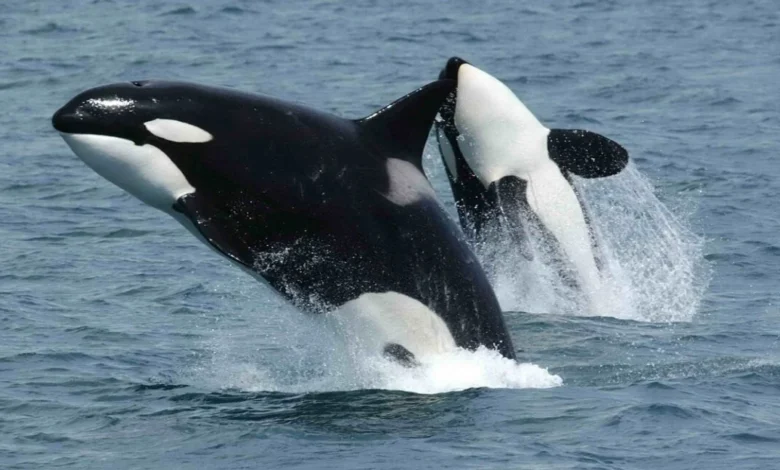
Marine biologists and researchers have documented a startling new predatory behavior among orcas (Orcinus orca) in the Gulf of California, where the apex predators were filmed using high-velocity ramming maneuvers to literally shatter sunfish into edible fragments. This discovery, detailed in a new study published in the journal Frontiers in Ethology, suggests that these highly intelligent cetaceans are employing sophisticated physical force not just for the kill, but as a method of food preparation and a tool for social instruction. The "ram-to-fragment" behavior represents a significant addition to the growing body of evidence regarding orca culture, where specific hunting techniques are developed, refined, and passed down through generations within specific pods.
The observation comes at a time of heightened global interest in orca behavior, following years of reports from the Strait of Gibraltar and the Atlantic coast of the Iberian Peninsula, where orcas have been observed ramming and, in some cases, sinking sailing vessels. While the boat-ramming phenomenon has been theorized as either a defensive reaction or a form of "fad" behavior among juveniles, the newly recorded actions in the Gulf of California provide a clearer link between physical ramming and the practicalities of feeding and social bonding. In this instance, the target was the ocean sunfish (genus Mola), one of the heaviest bony fish in the world, which became a centerpiece for a complex display of cooperative hunting and juvenile education.
The July 2024 Encounter: A Chronology of the Event
The primary data for this study was captured in July 2024 off the coast of San Jose del Cabo, Mexico. A local tourism operator, who frequently collaborates with citizen science initiatives, encountered a pod of five orcas: three adult females, one adult male, and one juvenile. The sequence of events began with the pod successfully hunting and consuming a spine-tail devil ray, a common prey item for orcas in the Eastern Tropical Pacific. However, it was the subsequent interaction with a sunfish that caught the attention of researchers.
Following the initial hunt, one of the adult females was observed holding a sunfish carcass in her jaws. Initial inspections of the footage revealed that the sunfish already sustained a large lateral wound, suggesting that the orcas had already performed their standard "viscera removal" technique. In typical sunfish predation, orcas target the nutrient-rich internal organs first, often leaving the tougher, less nutritious flesh behind.
What followed was an unprecedented display of kinetic energy. As the female held the sunfish steady, the adult male orca backed away to gain momentum and then charged at the carcass. Just before the moment of impact, the female released the fish. The male struck the sunfish with such velocity that an audible "thud" was recorded by underwater equipment. The impact caused the carcass to fragment instantly, sending small pieces of flesh and tissue dispersing through the water column. Immediately following this explosion of biological material, the juvenile orca moved in to consume the smaller fragments, while the adults shared the remaining larger portions of the body.
The Mechanics of "Ram-to-Fragment" Predation
According to the paper’s co-author, Kathryn Ayres, a researcher with the nonprofit organization Beneath The Waves, this behavior serves multiple purposes. Ayres notes that orcas are notorious for "playing with their food," a behavior that serves as a vital developmental tool for younger members of the pod. By fragmenting the large, cumbersome body of a sunfish into bite-sized pieces, the adults effectively "pre-chew" or process the meal for the juvenile, making it easier for the younger whale to feed without struggling with the sunfish’s tough, leathery skin.
The sunfish is a unique prey item. Capable of weighing up to 2,000 kilograms, its body is primarily composed of a thick, cartilaginous skin and a layer of dense tissue that can be difficult for even an orca to dismantle quickly. The traditional three-pronged strategy for orcas hunting sunfish involves:
- Disabling the prey by biting off the pectoral fins to prevent escape.
- Slashing the body to extract the liver and other viscera.
- Using the beak and teeth to pick at the remaining muscle tissue.
The "ram-to-fragment" technique appears to be a fourth, more advanced stage of this process. It utilizes the orca’s immense body mass—which can reach 6,000 kilograms for a male—to overcome the structural integrity of the prey’s carcass. This method is far more efficient than tearing at the flesh with teeth alone and demonstrates an understanding of physics and cooperation that is rare in the animal kingdom.
Cultural Learning and Social Interaction
The discovery in the Gulf of California reinforces the theory that orcas possess "cultures"—sets of behaviors and traditions that are unique to specific populations. These behaviors are not strictly instinctual but are learned through social interaction. This is evident in how different orca ecotypes around the world have developed specialized hunting techniques tailored to their specific environments and prey.
In the Antarctic, "Type B" orcas have been famously filmed working together to create synchronized waves that wash seals off ice floes. In the Pacific Northwest, "resident" orcas have developed complex vocalizations and salmon-tracking methods, while "transient" (Bigg’s) orcas hunt marine mammals with stealth and silence. The Gulf of California pod’s use of the sunfish as a training tool for juveniles fits perfectly into this paradigm of social learning.
By involving the juvenile in the "ram-to-fragment" process, the adults are likely teaching the younger whale about the power required for hunting and the benefits of cooperative effort. The fact that the female held the prey steady for the male to strike suggests a high level of communication and trust. This "practice" or "play" is essential for the juvenile to eventually master the skills necessary to hunt more dangerous prey, such as white sharks or large baleen whales.
Supporting Data: The Physics of the Strike
While the study in Frontiers in Ethology focuses on the behavioral aspect, the physical data behind such a strike is staggering. An adult male orca can swim at speeds exceeding 50 kilometers per hour. When a six-ton animal hits a stationary object at that speed, the kinetic energy transferred is immense. Researchers believe that the orcas are targeting specific weak points in the sunfish’s anatomy, likely where the viscera have already been removed, to maximize the fragmentation effect.
This behavior also highlights the orca’s role as an "ecosystem engineer." The fragments of flesh that are not consumed by the orcas do not go to waste; they provide a sudden, concentrated food source for smaller scavengers, including fish and crustaceans, effectively distributing nutrients from a large carcass across a wider area of the seafloor and water column.
Official Responses and Scientific Implications
The scientific community has reacted to the findings with a mixture of fascination and a call for further longitudinal studies. Kathryn Ayres emphasized that while "play" is a likely component, the functional benefits cannot be ignored. "Orcas are highly social and highly intelligent," Ayres stated in a release following the publication. "What we might perceive as ‘playing with food’ is often a sophisticated classroom environment for the next generation. This ramming behavior shows a level of coordination that we are only beginning to understand in the Eastern Tropical Pacific populations."
The nonprofit Beneath The Waves has indicated that they will continue to monitor this specific pod to see if the behavior spreads to other groups in the region. If other pods begin to adopt the "ram-to-fragment" technique, it would confirm the horizontal transmission of the behavior—essentially a "cultural trend" spreading through the population, much like the boat-ramming behavior seen in Europe.
Broader Impact on Marine Ecology
The implications of this study reach beyond just orca behavior; they touch upon the health and dynamics of the Gulf of California’s ecosystem. Often called the "World’s Aquarium" by Jacques Cousteau, the Gulf is a critical habitat for numerous species. The presence of apex predators using such high-energy hunting tactics suggests a robust food web where orcas have the "luxury" of spending time and energy on complex social play and refined hunting techniques.
However, it also raises questions about the impact on sunfish populations. While sunfish are not currently listed as endangered, they are vulnerable to environmental changes and bycatch. If orca pods are increasingly targeting them for "practice," researchers will need to account for this predatory pressure in future population models.
Furthermore, the study underscores the importance of citizen science. The footage that led to this discovery was not captured by a research vessel but by a tourism operator. As high-quality cameras and drones become more accessible, the volume of data available to scientists is expanding, allowing for the documentation of rare behaviors that might otherwise go unnoticed.
Conclusion: The Evolution of the Apex Predator
The "ram-to-fragment" behavior of the Gulf of California orcas serves as a reminder that we are far from fully understanding the depth of cetacean intelligence. Whether this tactic is a new evolution in hunting or a long-standing tradition finally caught on film, it highlights the orca’s status as a creature of immense power and complex social structure. As these predators continue to adapt their strategies—whether by ramming boats in the Atlantic or shattering sunfish in the Pacific—they provide a window into the evolution of culture in the non-human world. The study of these behaviors is not merely a matter of biological curiosity; it is essential for the conservation of these magnificent animals and the oceanic ecosystems they command.