The AI Churn Paradox: Why Fast-Growing SaaS Startups Are Struggling With Long-Term Retention


The modern software-as-a-service (SaaS) landscape is undergoing a profound transformation driven by artificial intelligence, reshaping how users experience digital products from their very first click. For decades, the path to product adoption was paved with deliberate friction: users were required to navigate complex installation wizards, configure empty databases, and manually complete exhaustive multi-step onboarding sequences before experiencing any tangible benefit. Today, AI has completely compressed this timeline, enabling users to reach their "aha!" moment within the opening seconds of their first session. Yet, this newfound efficiency has introduced an unexpected paradox for software developers worldwide. Recent data from subscription analytics leader ChartMogul reveals an alarming trend: while AI-native SaaS companies are achieving a $1 million annual recurring revenue (ARR) milestone up to three times faster than their traditional counterparts, they are simultaneously suffering from significantly weaker net revenue retention (NRR) rates. This phenomenon has sparked urgent discussions across the tech sector, forcing product-led growth (PLG) strategists to reconsider traditional metrics of success.
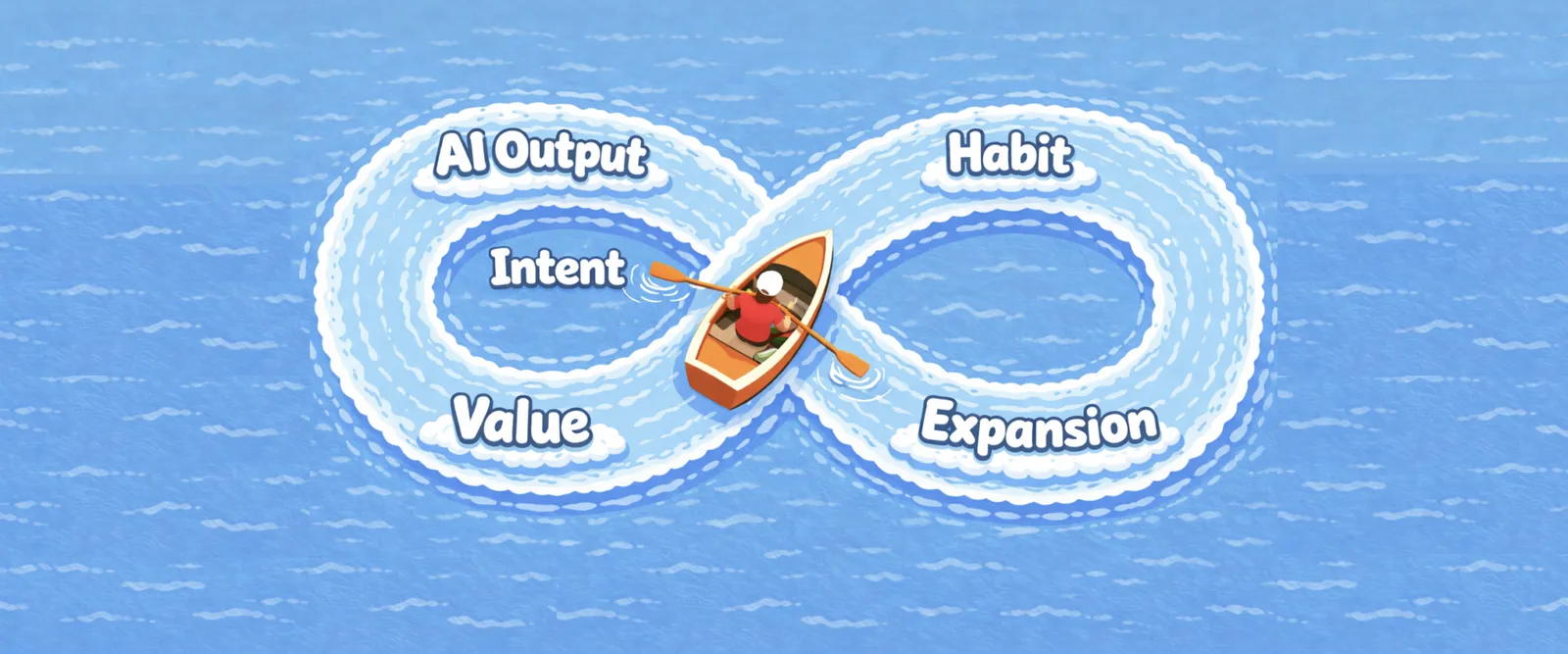
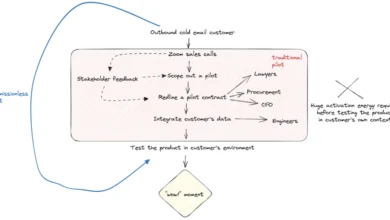
To understand the current crisis, one must examine the evolution of customer acquisition and onboarding over the past fifteen years. Historically, the software industry measured activation through sequential completion milestones. If a user finished setting up their profile, connected an integration, and populated a blank spreadsheet, they were officially categorized as "activated." However, this older playbook was plagued by high drop-off rates, as prospective customers frequently abandoned platforms out of sheer frustration during the setup phase. The integration of large language models and automated agents has effectively eradicated this blank-canvas problem. Users can now sign up, input a natural language prompt, and receive a fully functional deliverable—such as a tailored CRM pipeline, a designed slide deck, or a structured documentation draft—almost instantaneously. While this leap in user experience represents a massive technological milestone, industry experts warn that it has inadvertently bypassed a critical psychological threshold: human effort.
Product strategists note that when traditional software required users to manually configure their workspaces, that cognitive labor served a hidden purpose. It forced individuals to build an internal mental model of the platform, carefully integrate the tool into their daily routines, and establish a foundational commitment to the product. When generative AI completely removes this friction, users experience a high initial sense of awe without actually integrating the tool into their core operational habits. They may inspect the AI-generated output, admire its accuracy, and even share it with colleagues, but because they never personally built or customized the underlying workflow, they lack a compelling reason to return when the next operational challenge arises. Consequently, dashboard metrics register a successful initial activation, while back-end analytics record a sharp surge in churn approximately sixty days later.
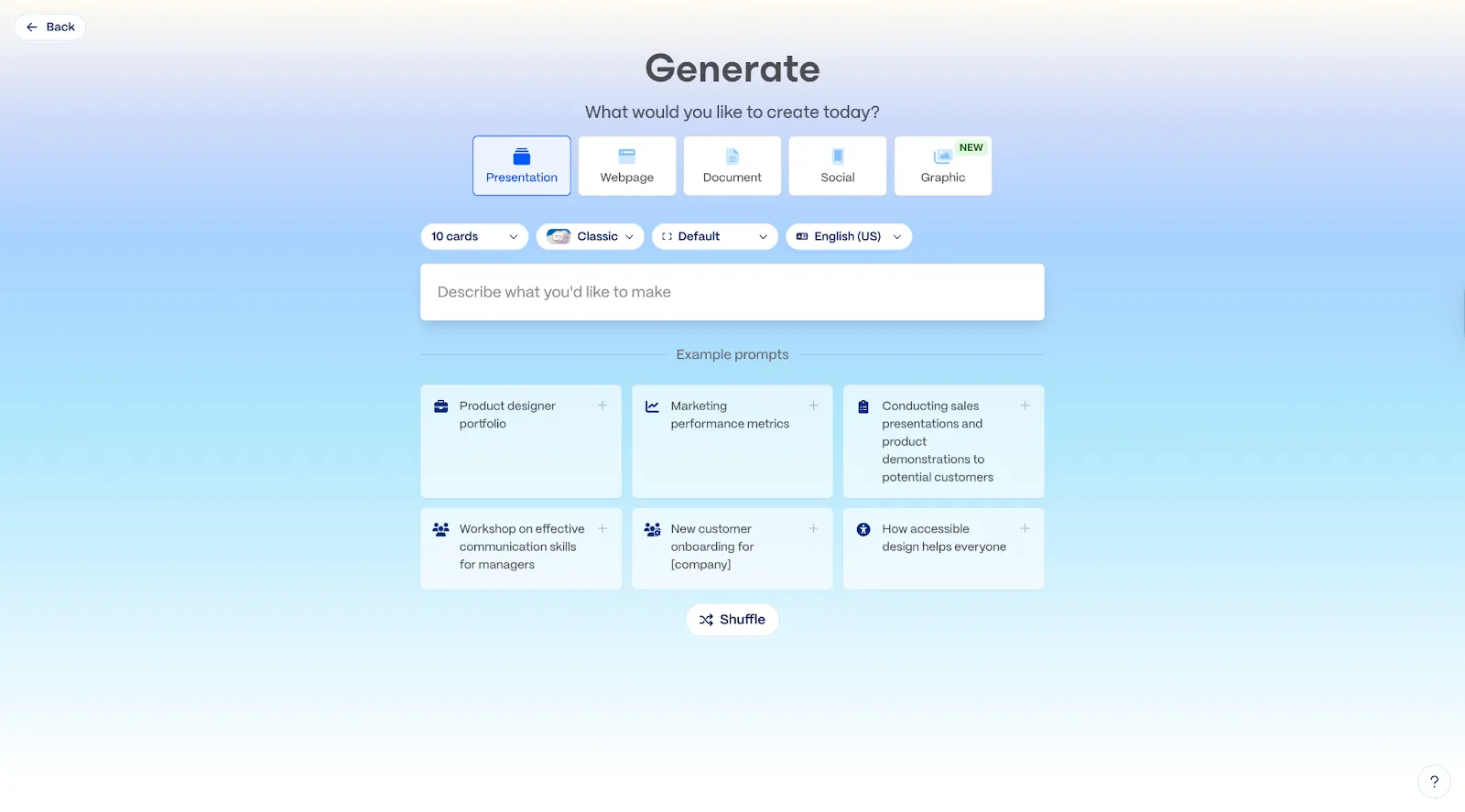
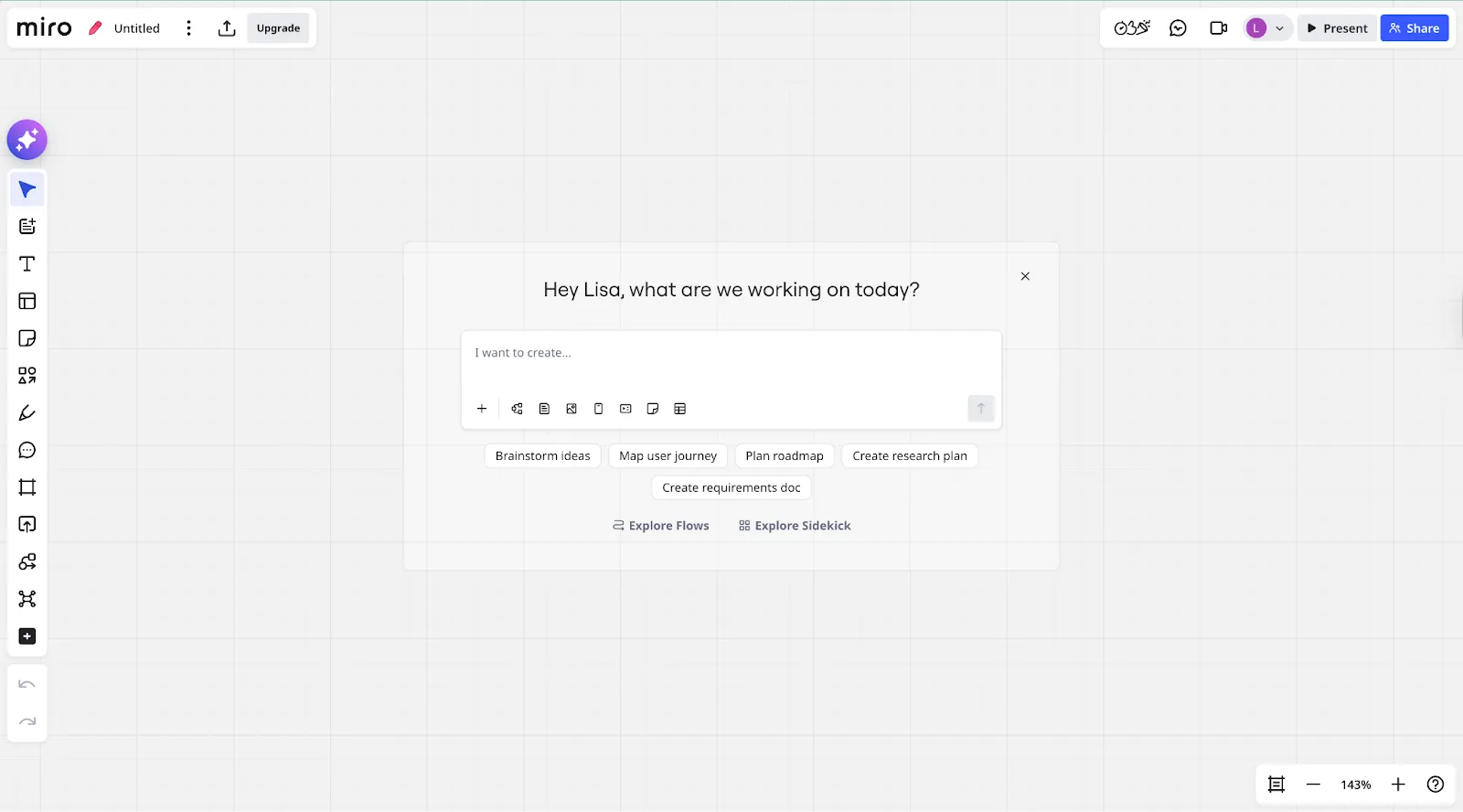
Analyzing the structural behaviors of top-performing AI enterprises highlights four distinct patterns that separate fleeting viral hits from enduring digital utilities. The first pattern centers on automated first outputs, where platforms like Gamma instantly generate fully styled presentations based on brief user prompts rather than presenting a blank screen. The second pattern involves AI-assisted setup protocols, utilized by firms such as HubSpot and Intercom, which leverage machine learning inference to build working environments and construct help centers from minimal legacy data. The third pattern replaces rigid onboarding flows with adaptive, conversational dialogues, capturing genuine user intent in real time. Finally, the fourth pattern embeds context-aware AI directly into daily workflows—exemplified by collaborative design platforms like Miro—where the software continuously accumulates user preferences, project histories, and operational patterns over time, raising switching costs and solidifying long-term retention.
Despite these advanced adoption mechanisms, the underlying retention gap remains wide for companies that fail to monitor post-activation behavior. Industry analysts emphasize a fundamental distinction between passive engagement and active integration. A user who generates a single presentation and closes the browser tab has merely experienced a high-tech digital demo. In contrast, a user who edits that presentation, exports the file, shares it with a cross-functional team, and returns the following week to initiate a new project has successfully crossed the threshold into habitual usage. Because standard analytics dashboards frequently conflate these two behaviors under a generalized activation label, executive teams are often caught unawares when customer acquisition costs (CAC) outpace lifetime value (LTV) down the line.
In response to these findings, financial analysts and growth strategists are strongly advocating for a structural overhaul of SaaS metric tracking. Rather than relying on binary milestones like onboarding completion or initial output generation, organizations are being urged to implement downstream behavioral metrics. These include measuring whether a user actively modifies or distributes an AI-generated artifact, tracking the establishment of explicit return triggers—such as collaborative pings, automated notifications, or pending asynchronous results—and monitoring the velocity at which a platform accumulates institutional context unique to the user. By segmenting customer cohorts based on these deeper engagement markers, leadership teams can accurately forecast long-term revenue retention rather than relying on vanity metrics from the first user session.
The broader implications of the AI churn wave extend far beyond individual startup balance sheets, signaling a maturation phase for the artificial intelligence economy. Venture capital firms and enterprise buyers are increasingly shifting their scrutiny away from rapid top-line ARR expansion and toward net revenue retention and cohort stability. Companies that rely solely on flashy onboarding tricks to acquire customers are finding themselves vulnerable to high churn rates as market competition intensifies and novelty wears off. Conversely, organizations that successfully bridge the gap between rapid initial value and deep workflow integration are positioning themselves for sustainable, compounding growth in an increasingly crowded marketplace.
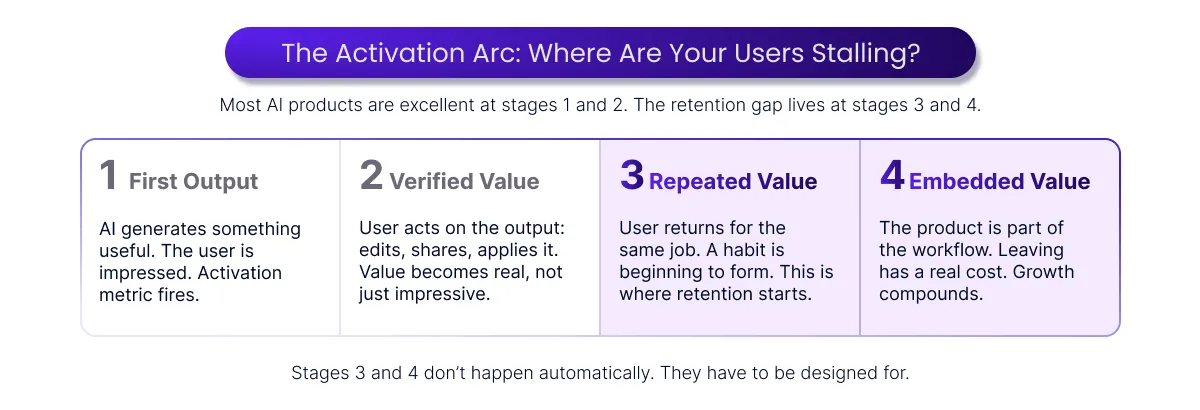
Ultimately, the empirical data provided by ChartMogul and analyzed by growth specialists serves as a vital wake-up call for the technology sector. The initial wave of generative AI disruption focused heavily on lowering entry barriers and accelerating time-to-value. As the industry moves forward, the definitive competitive advantage will belong to platforms that recognize that a fast introduction only opens the door. True commercial durability requires transforming immediate gratification into permanent operational utility, ensuring that artificial intelligence acts not merely as a temporary novelty, but as an indispensable pillar of the modern professional workflow.