Tech Entrepreneur Jeff Atwood Commits Half His Remaining Wealth to Launch the Rural Guaranteed Minimum Income Initiative

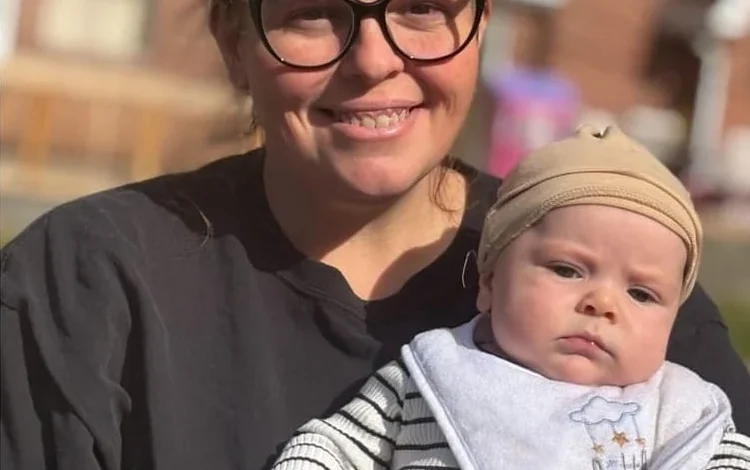
The landscape of American philanthropy is experiencing a significant shift as prominent tech figures pivot from traditional venture capital toward systemic economic reform. Jeff Atwood, best known as the co-founder of Stack Overflow and Discourse, has officially launched his third and final startup—not a software company, but a philanthropic enterprise dedicated to economic equity. Alongside his partner, Betsy, Atwood has committed $50 million, representing half of their remaining personal wealth, to establish the Rural Guaranteed Minimum Income Initiative (RGMII).
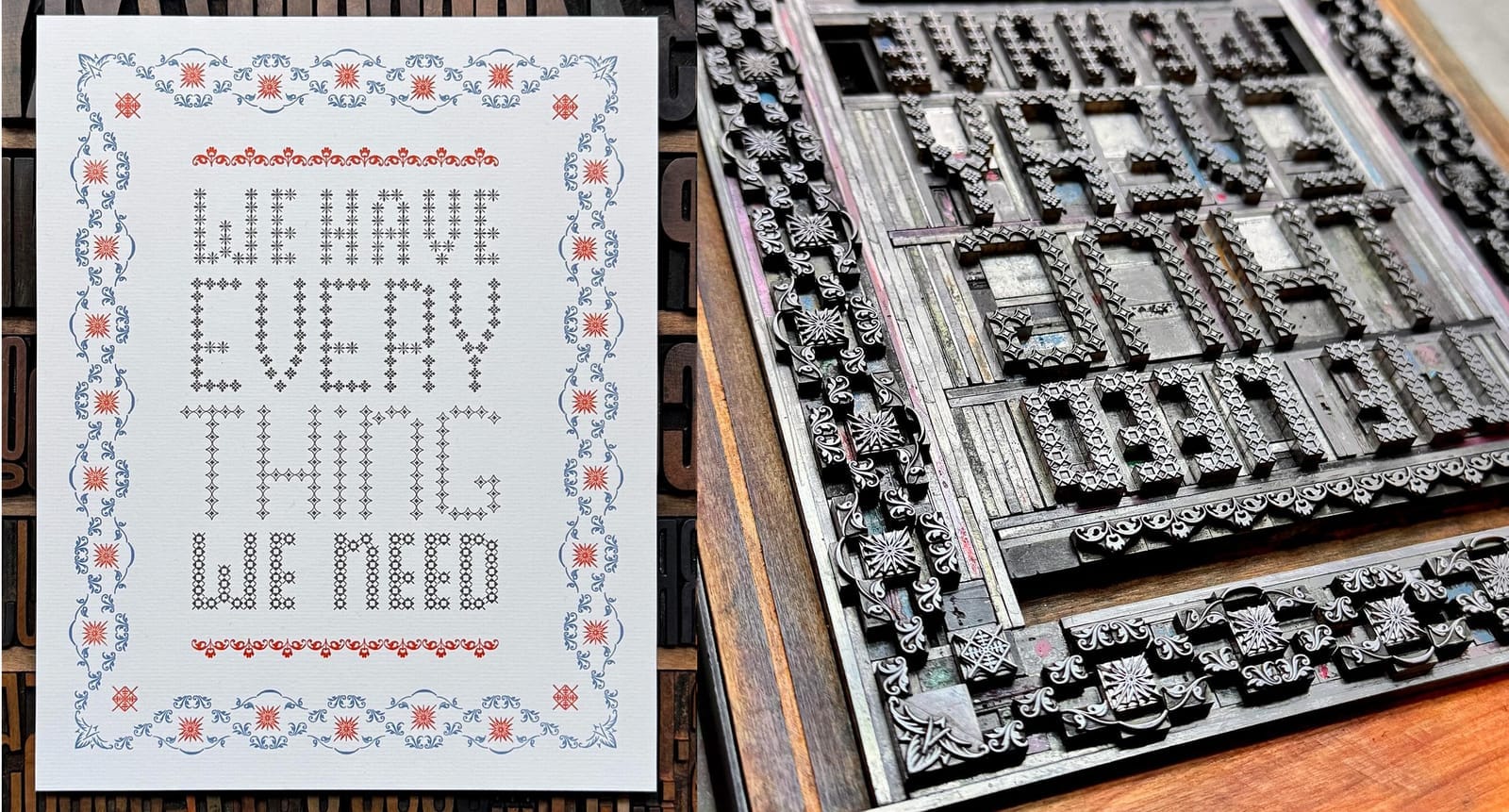
This multi-million-dollar pledge marks the evolution of a campaign that began in January 2025, when Atwood first invited the American public to participate in a pledge to "Share the American Dream." Driven by the philanthropic philosophy attributed to Mary Gates—"From those to whom much is given, much is expected"—the founders have increasingly focused their attention on wealth inequality, generational poverty, and the fundamental question of when personal accumulation becomes sufficient.
Chronology of the Initiative: From Emergency Relief to Systemic Reform
The path toward RGMII has unfolded rapidly over the past two years, moving from reactive emergency philanthropy to structured, data-driven long-term intervention.

In January 2025, the initial phase of the "Share the American Dream" campaign launched with a pledge to support eight established nonprofit organizations working with vulnerable populations across the United States. However, recognizing the immediate and compounding severity of economic distress in marginalized communities, Atwood and his partner rapidly accelerated their giving. Within months of the initial rollout, they supplemented their initial contributions with an additional $13 million, bringing their immediate short-term philanthropic relief total to approximately $21 million.
Despite the necessity of short-term relief, the founders recognized the limitations of reactive firefighting. Addressing individual crises without altering root causes guarantees an endless cycle of emergency intervention. Consequently, by March 2025, the strategic focus shifted decisively toward structural reform, culminating in the selection of Guaranteed Minimum Income (GMI) as the primary vehicle for long-term change. The establishment of RGMII represents the deployment of the newly pledged $50 million long-term fund, designed to study, implement, and validate cash-transfer models in overlooked regions of the country.
Understanding Guaranteed Minimum Income (GMI)
To appreciate the mechanics of RGMII, it is necessary to examine how Guaranteed Minimum Income differs from the more widely discussed Universal Basic Income (UBI). While UBI proposes unconditional cash payments distributed to all citizens regardless of income, GMI strategically targets financial resources toward individuals and families experiencing acute financial instability, particularly those trapped in cycles of generational poverty.
GMI operates on the premise that direct cash transfers empower recipients to solve their own specific, localized problems more efficiently than centralized government programs or prescriptive social services. Case studies from early pilot programs highlight the human impact of this approach. For instance, Stacy D., a participant in the RISE program in West Virginia, detailed how unexpected life events—a high-risk pregnancy, the loss of her primary vehicle, and a complete absence of local familial support networks—derailed her family’s economic stability. Programs like GMI provide the immediate liquidity required to repair essential transportation, secure healthcare access, and stabilize housing, proving that direct financial agency is often the most effective catalyst for upward mobility.

Strategic Focus on Rural America
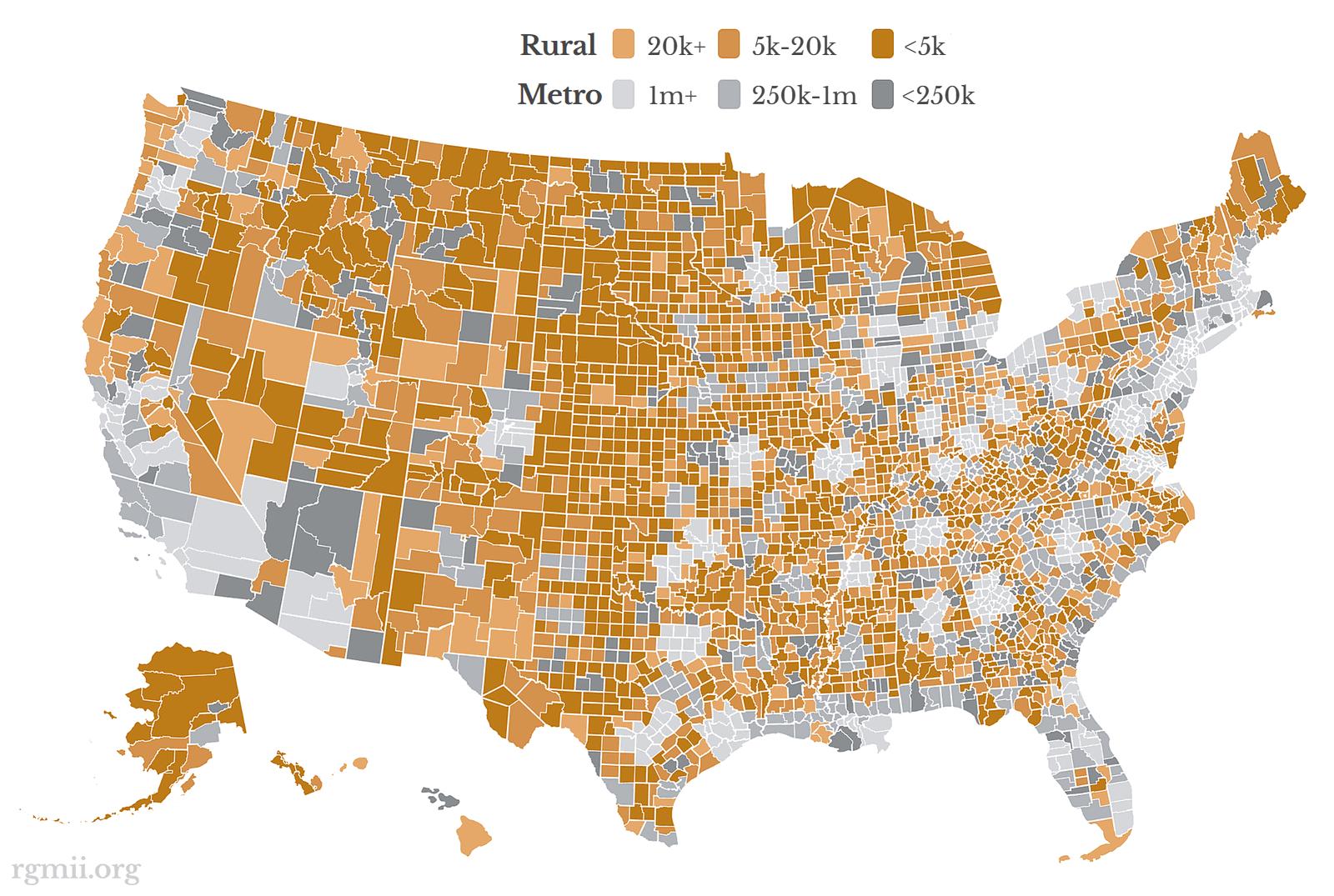
Rather than concentrating initial pilot programs in heavily populated metropolitan centers, RGMII has deliberately turned its focus toward rural counties. The organization has already initiated county-level programs in Mercer County, West Virginia; Beaufort County, North Carolina; and Warren County, Mississippi.
This geographic selection is rooted in both economic pragmatism and personal background. Atwood, who grew up in a rural environment, notes that philanthropic dollars stretch significantly further in rural communities, where the cost of living differs markedly from major urban hubs. Furthermore, rural counties frequently experience higher concentrations of persistent poverty while remaining systematically overlooked by national economic policy discussions. By deploying pilot programs in smaller populations, RGMII can conduct tighter, more measurable sociological studies over a structured 16-month period, generating transparent, open-source data for researchers and policymakers worldwide.

Broader Impact, Economic Implications, and Future Outlook
The launch of RGMII arrives at a time of intense national debate regarding welfare reform, inflation, and the efficacy of direct financial assistance. Critics of basic income models frequently express concern over labor market participation and fiscal sustainability, while proponents argue that predictable cash floors reduce chronic stress, improve educational outcomes, and stimulate local economies.
By opting to fund empirical research rather than establishing a traditional grant-making foundation, Atwood aims to provide definitive data on whether regional GMI models can successfully bridge the gap between systemic poverty and economic self-sufficiency. The initiative’s long-term goal is to expand these localized studies into all 50 states, creating a scalable framework that federal and state legislators can evaluate using transparent, real-world metrics.
As RGMII transitions into its operational phase, the organizers have opened participation channels for external donors, researchers, and public advocates interested in sponsoring county-scale expansions. With this initiative, Atwood concludes his entrepreneurial career by betting his remaining capital not on software code, but on the economic resilience of everyday Americans.
Related posts: