The Electric Scooter Revolution: How Falling Battery Costs and Micro-Mobility Are Reshaping Urban Transportation


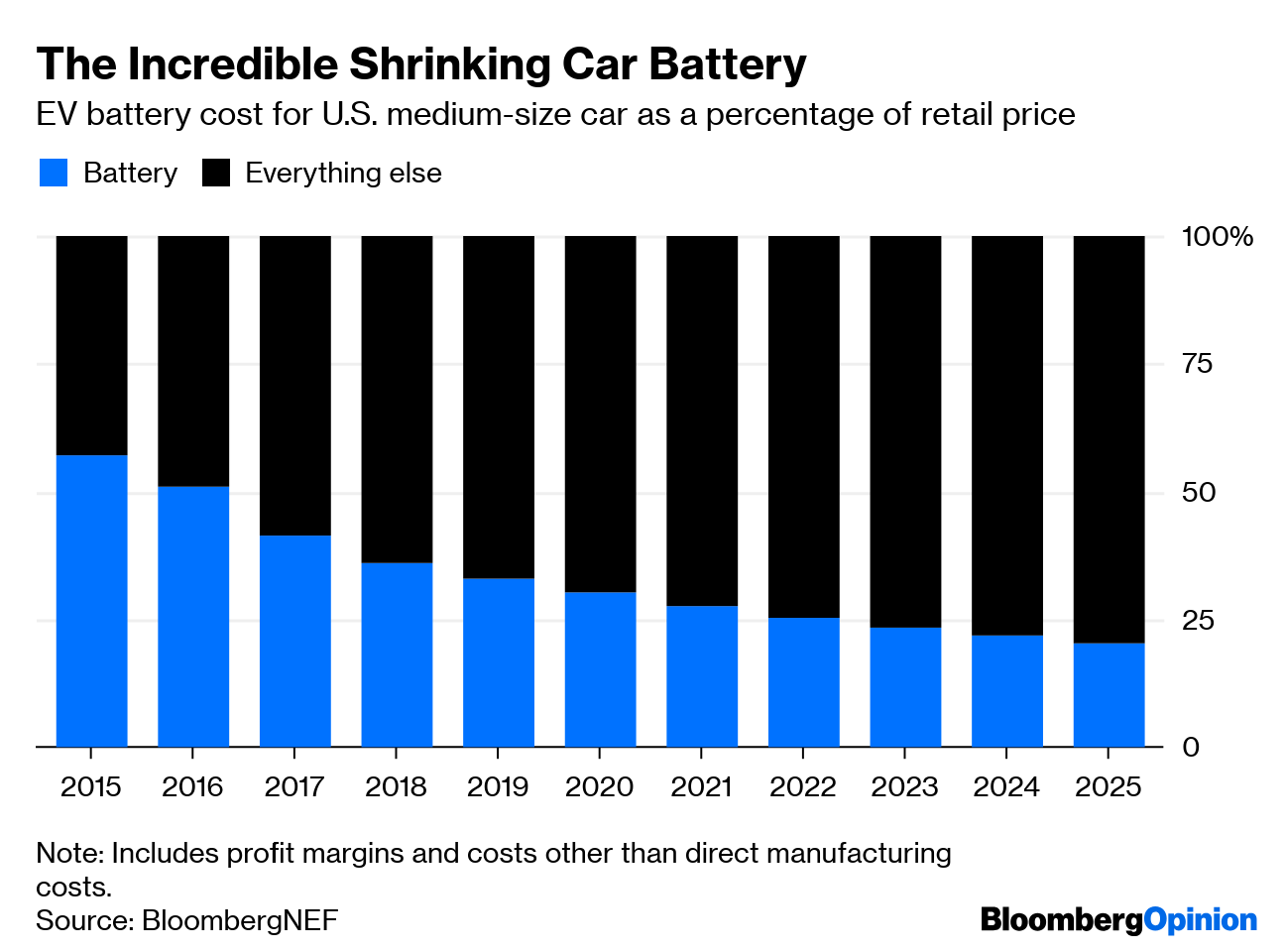
The rapid evolution of electric vehicles (EVs) has long been anchored to a single, critical component: the energy storage battery. Because the enormous power pack constitutes a major percentage of an EV’s sticker price, overall cost reductions in electric cars are intrinsically tied to falling battery production expenses. However, this economic principle is even more pronounced when examining lightweight personal electric vehicles, most notably the modern electric scooter. Stripped down to essentially a motor, a frame, and a battery, these compact machines serve as a direct proxy for the health and pricing trajectory of the lithium-ion battery market.
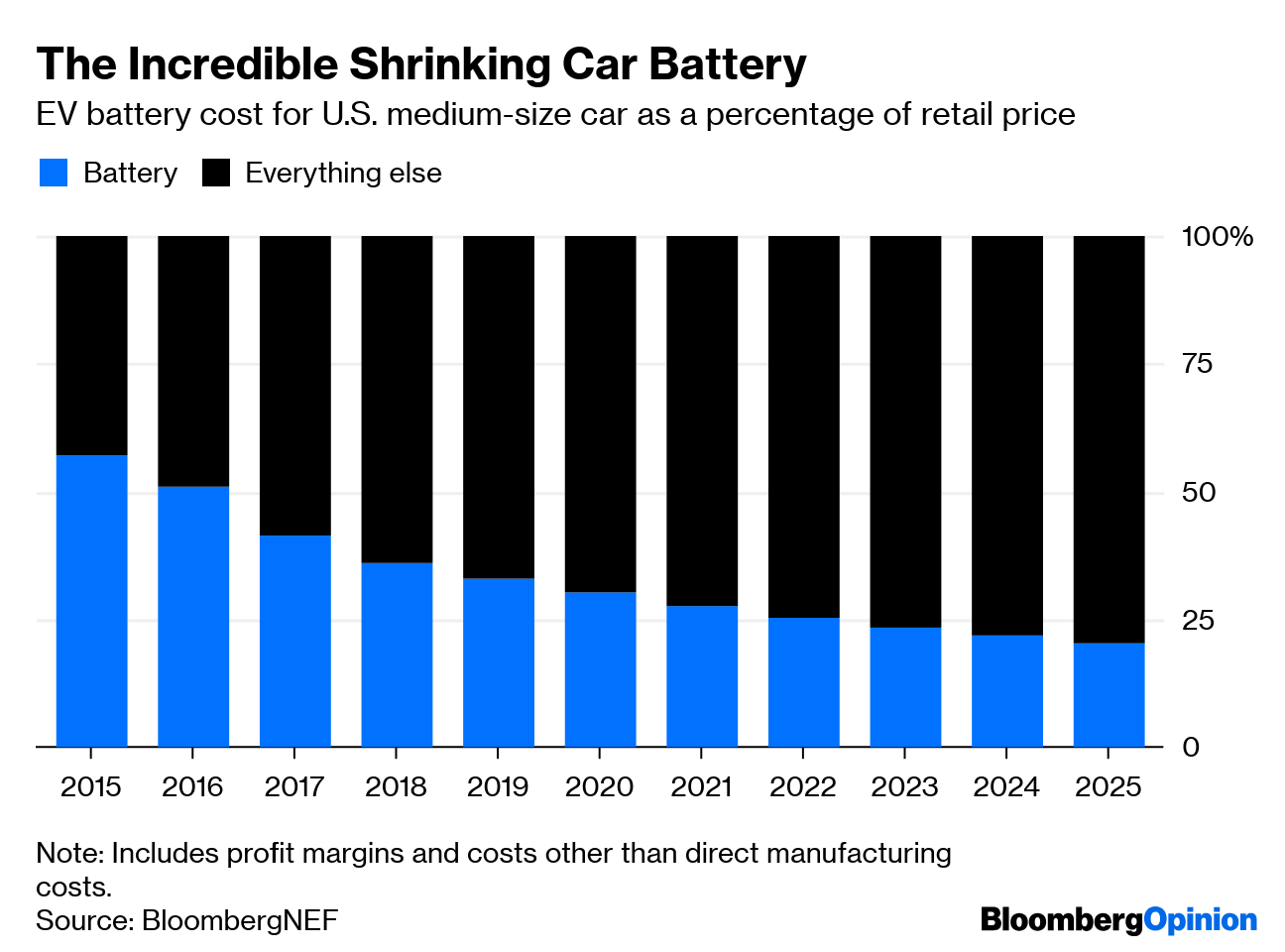
Over the past decade, the convergence of mature lithium-ion technology, shifting urban demographics, and venture-backed micro-mobility initiatives has transformed the electric scooter from a novelty into a viable cornerstone of modern urban transit.
The Long Road from Lead-Acid to Lithium-Ion
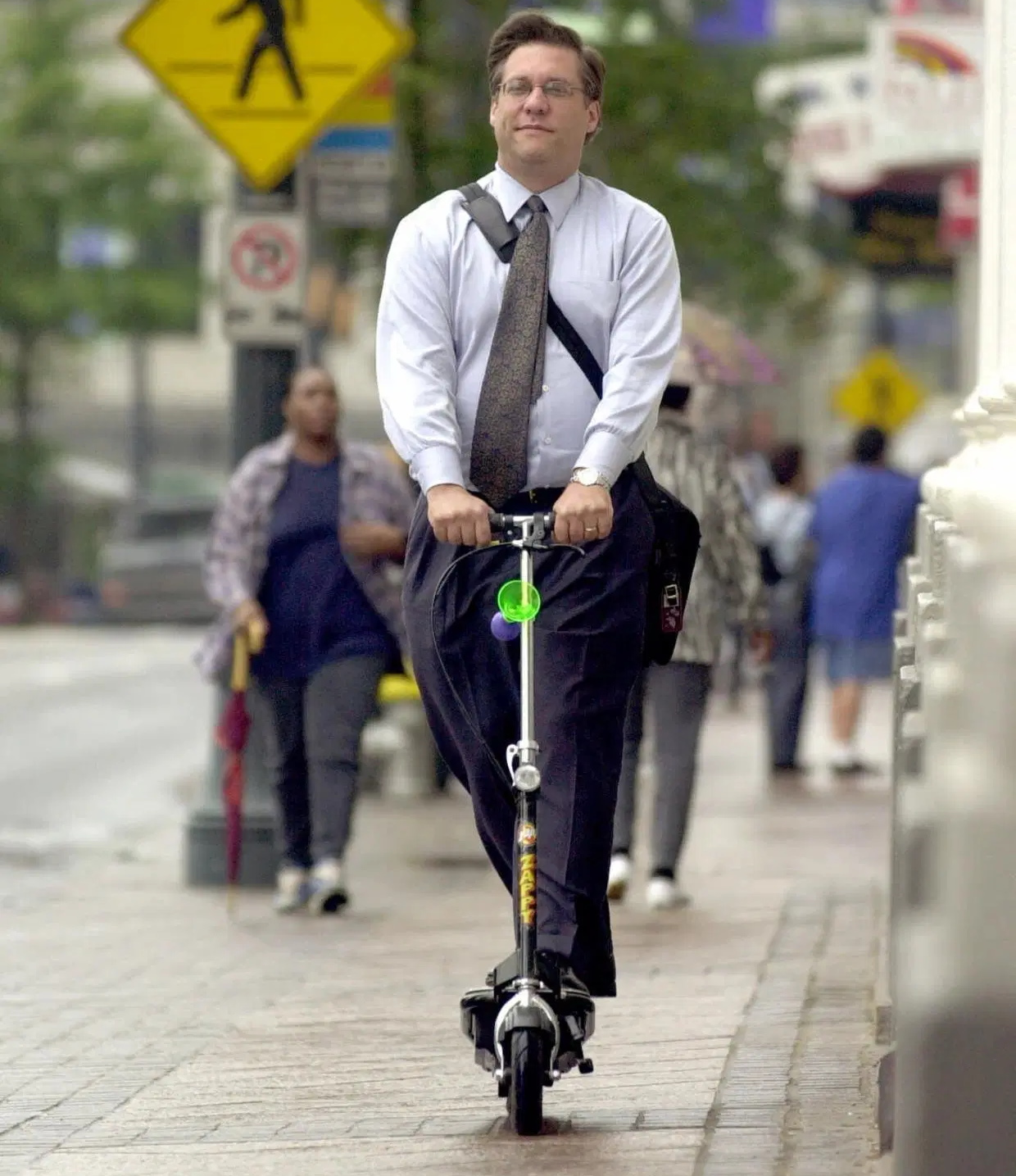
The concept of personal electric transportation is hardly new. Two decades ago, early consumer attempts at electric-powered mobility—such as the Zappy electric scooter—flooded the market alongside early-generation electric cars. Yet, these historical ventures largely failed to achieve mainstream adoption due to a fundamental technological bottleneck: the reliance on sealed lead-acid batteries.

Lead-acid chemistry presented insurmountable hurdles for portable transit. The batteries were excessively heavy, lacked sustained power density, offered severely limited driving ranges, and required lengthy recharge cycles. In short, the technology simply could not meet the demands of everyday commuters.
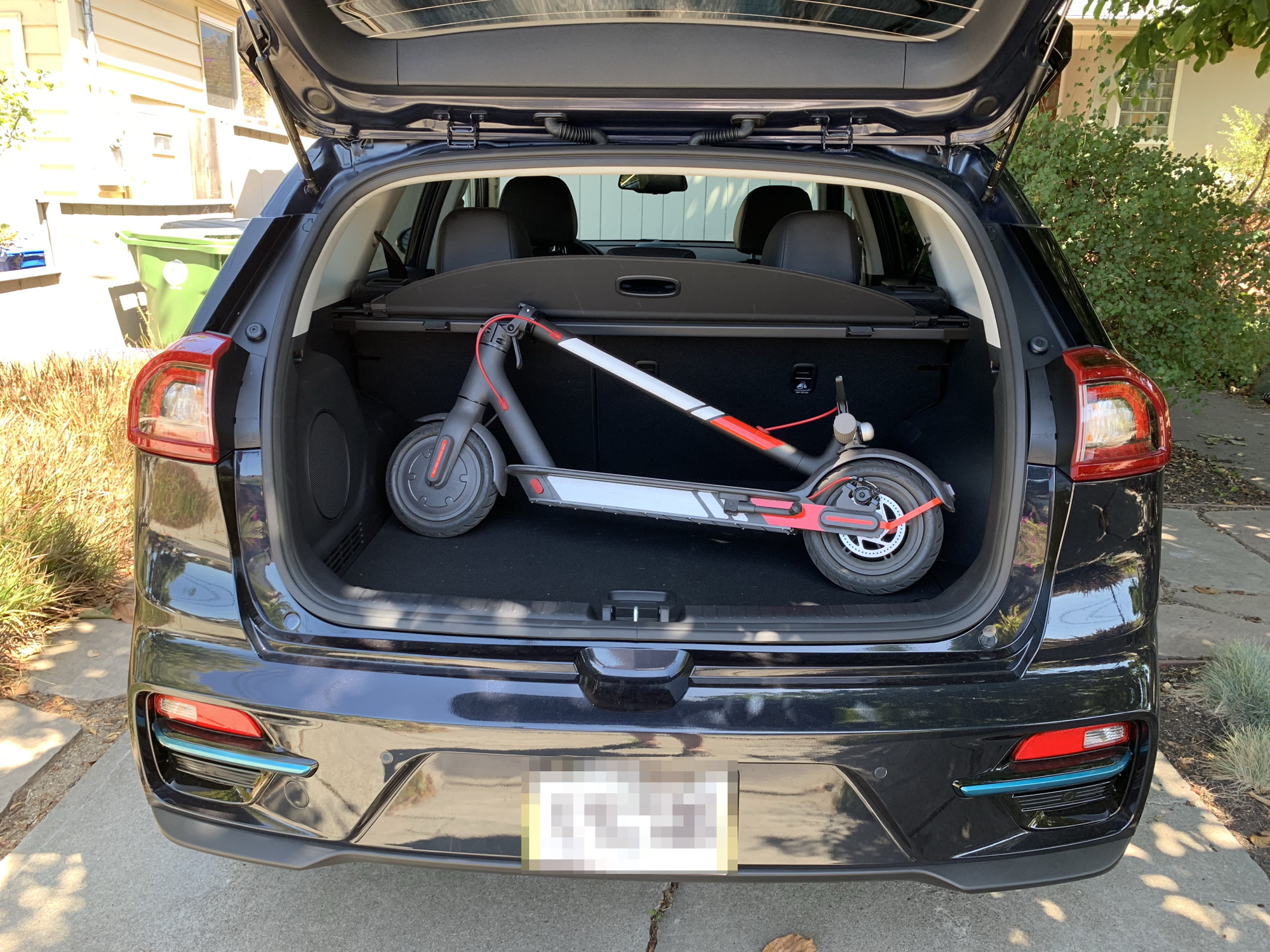
It was not until the mass commercialization and maturation of lithium-ion batteries—driven largely by the explosive growth of consumer electronics, smartphones, and laptop computers—that light electric vehicles became commercially viable. As manufacturing scale increased, the cost per kilowatt-hour (kWh) for lithium-ion cells plummeted. This dramatic cost reduction liberated manufacturers to produce lightweight, efficient, and reliable personal transport devices that could easily be folded and carried indoors.
Pricing Trends and the Consumer Market
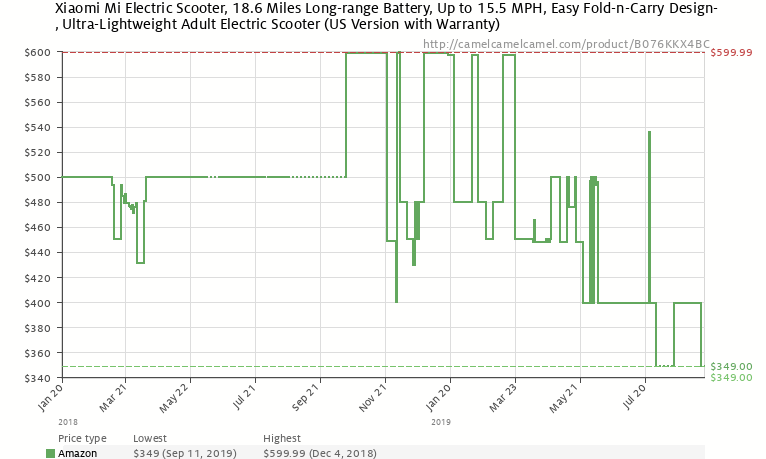
To evaluate the true independence of lithium-ion cost reductions from broader automotive manufacturing concerns, analysts often point to consumer-grade micro-mobility devices. A prime example of this trend is the Xiaomi Mi M365, widely regarded as a benchmark for consumer electric scooters.
When the model first entered Western markets around 2017, retail prices hovered near $800. Within three years, heightened manufacturing efficiencies, supply chain maturity, and component standardization drove street prices down toward the $300 to $400 range. This halving of retail costs for a high-volume, reliable personal electric vehicle underscored a broader economic reality: mass-market lithium-ion integration had fundamentally altered the cost structure of micro-mobility.
This consumer pricing shift occurred in parallel with the sudden explosion of app-based, dockless scooter rental startups. Companies like Bird, Lime, Spin, and Scoot deployed hundreds of thousands of light electric vehicles onto city streets worldwide. In their early phases of operation, many of these rental fleets relied heavily on unmodified consumer hardware, specifically utilizing the Xiaomi M365 platform customized with exterior branding and tracking hardware.
As the operational realities of the shared rental market set in—marked by high rates of vandalism, rapid hardware degradation, and complex charging logistics—rental operators transitioned to ruggedized, custom-built vehicles optimized for commercial abuse. Simultaneously, many operators began experimenting with alternative revenue models, shifting away from per-minute micro-transactions toward monthly subscription rentals to ensure predictable cash flow and reduce street clutter.
Redefining Urban Trips: The Displacement of the Automobile
As personal and shared electric scooters proliferated, transportation analysts began questioning whether these devices could permanently displace the automobile for short urban journeys. Data compiled by major ride-hailing networks indicates that a significant percentage of urban car trips cover distances of less than three miles. For instance, internal metrics from transportation giants like Uber have historically shown that nearly half of all urban rides fall below this threshold.
Using a two-ton, internal-combustion or battery-electric automobile to transport a single person over a distance of two miles represents a profound inefficiency in urban resource allocation. Electric scooters, by contrast, match the geographic and temporal demands of short-distance urban travel without contributing significantly to traffic congestion, parking shortages, or carbon emissions.
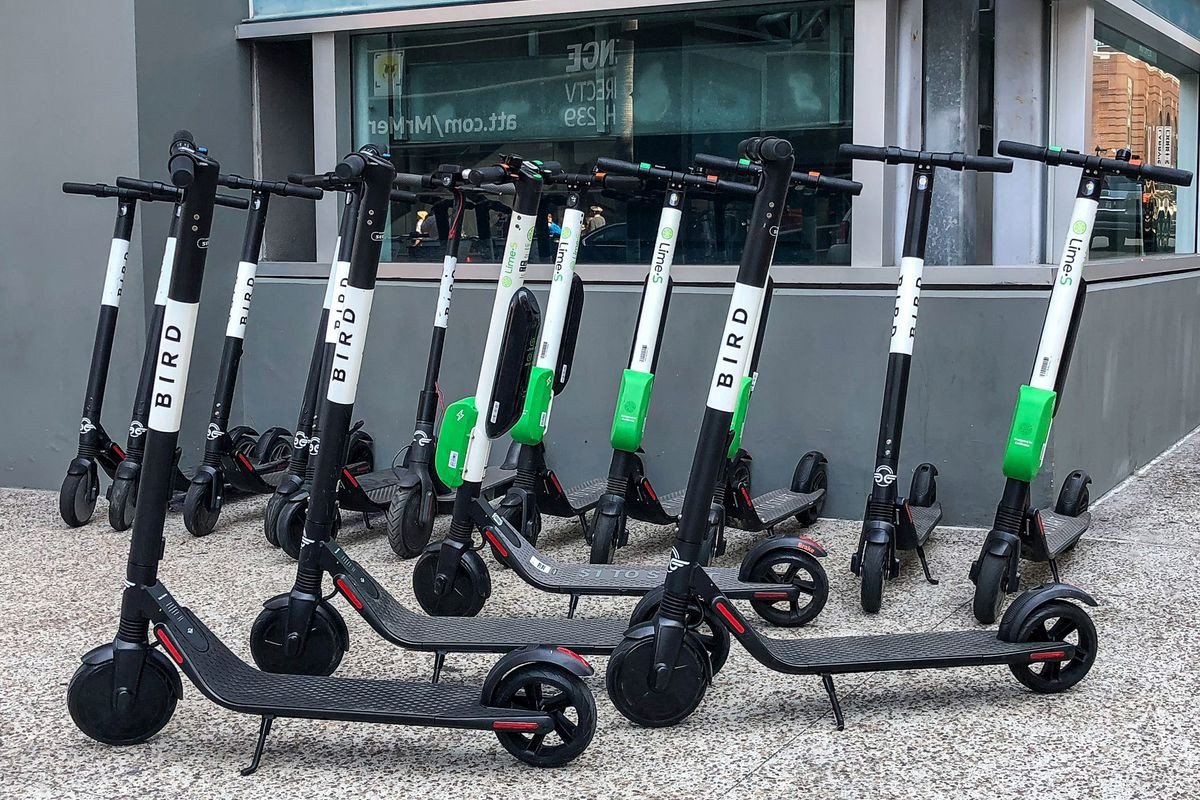
For the average commuter, integrating a lightweight scooter into a multi-modal transit routine—such as riding to a train station, folding the device, carrying it aboard, and completing the final leg of the journey—offers a seamless alternative to car ownership or expensive public parking.
Regulatory Landscapes and Safety Challenges
Despite their economic and environmental promise, the rapid adoption of electric scooters has outpaced the development of coherent municipal policies. Local governments worldwide have struggled to establish uniform regulations regarding where electric scooters may be operated, how fast they may travel, and where they may be parked.

Regulatory frameworks vary wildly by jurisdiction. In California, for example, state legislation historically classified electric scooters differently than electric bicycles, mandating that riders possess a valid driver’s license while strictly prohibiting their use on pedestrian sidewalks. Other municipalities have enacted complete bans pending infrastructure updates, while others have embraced the technology by constructing dedicated protected bike lanes.
Safety remains a central point of contention among urban planners and public health officials. Most standard consumer scooters enforce a top speed of approximately 15 miles per hour. Industry experts generally consider this velocity an appropriate balance for a standing rider operating without specialized motorcycle safety gear. However, the market has also seen the emergence of high-performance, dual-motor "hyper-scooters" capable of exceeding 40 miles per hour. Transportation safety advocates warn that operating such high-speed, small-wheeled vehicles in mixed traffic without full protective equipment presents severe injury risks.
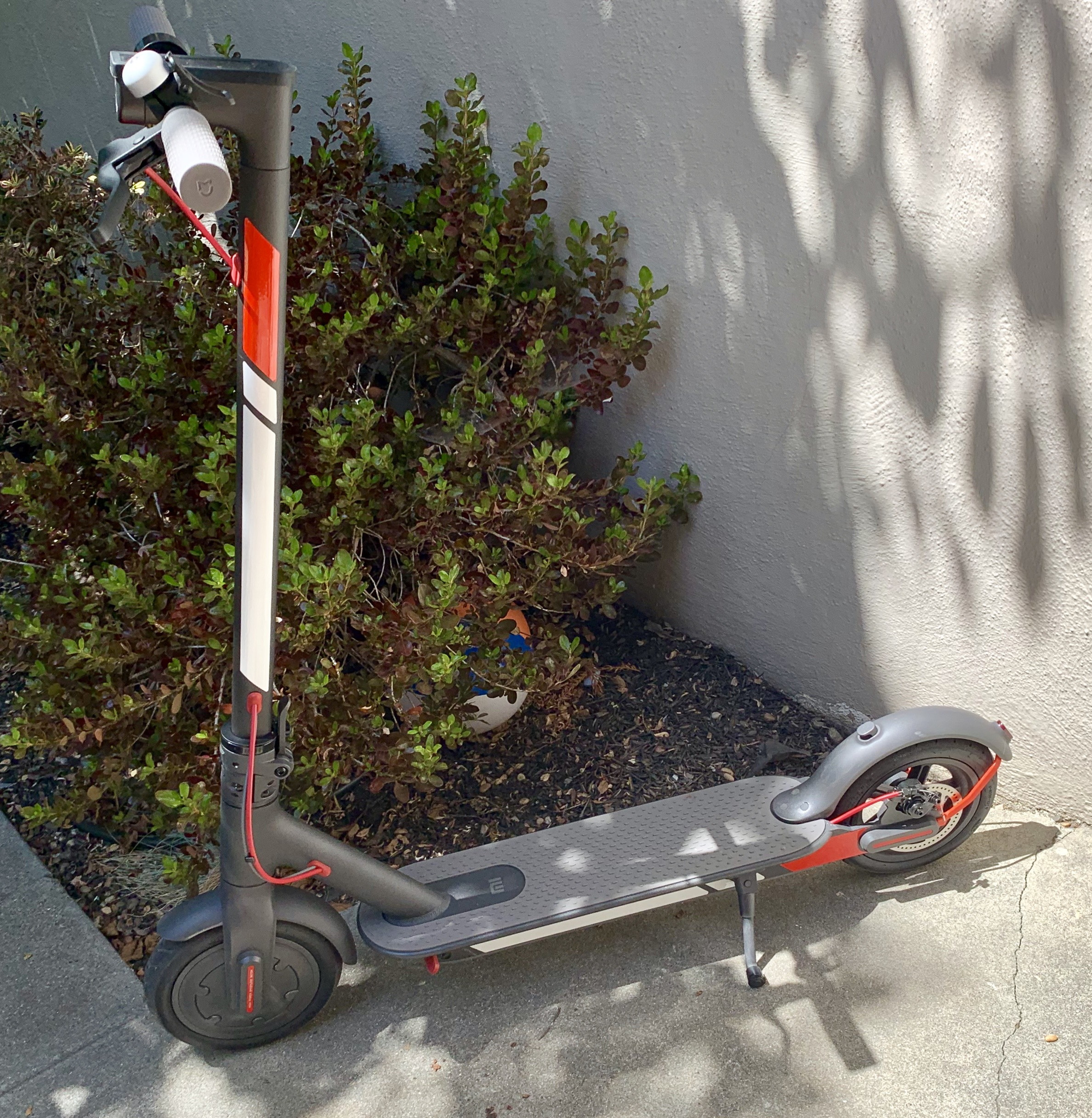
Furthermore, physical infrastructure poses a continuous hazard. Due to their small wheel diameters, electric scooters are notoriously sensitive to road surface irregularities. Potholes, construction debris, and deep cracks can easily cause sudden stops or loss of control, leading to an emphasis among owners on preventative maintenance, tire sealants, or transitioning to solid rubber tires at the expense of ride comfort.
The Technological Evolution: From the Segway to the M365
The rise of the modern electric scooter also prompts a retrospective look at past micro-mobility failures. At the turn of the century, the introduction of the Segway was met with immense media fanfare and ambitious predictions that it would entirely redesign urban architecture. Instead, high retail costs—launching at $5,000 in 2001, equivalent to more than $7,000 adjusted for inflation—relegated the device to niche industrial applications, security patrols, and tourism fleets.
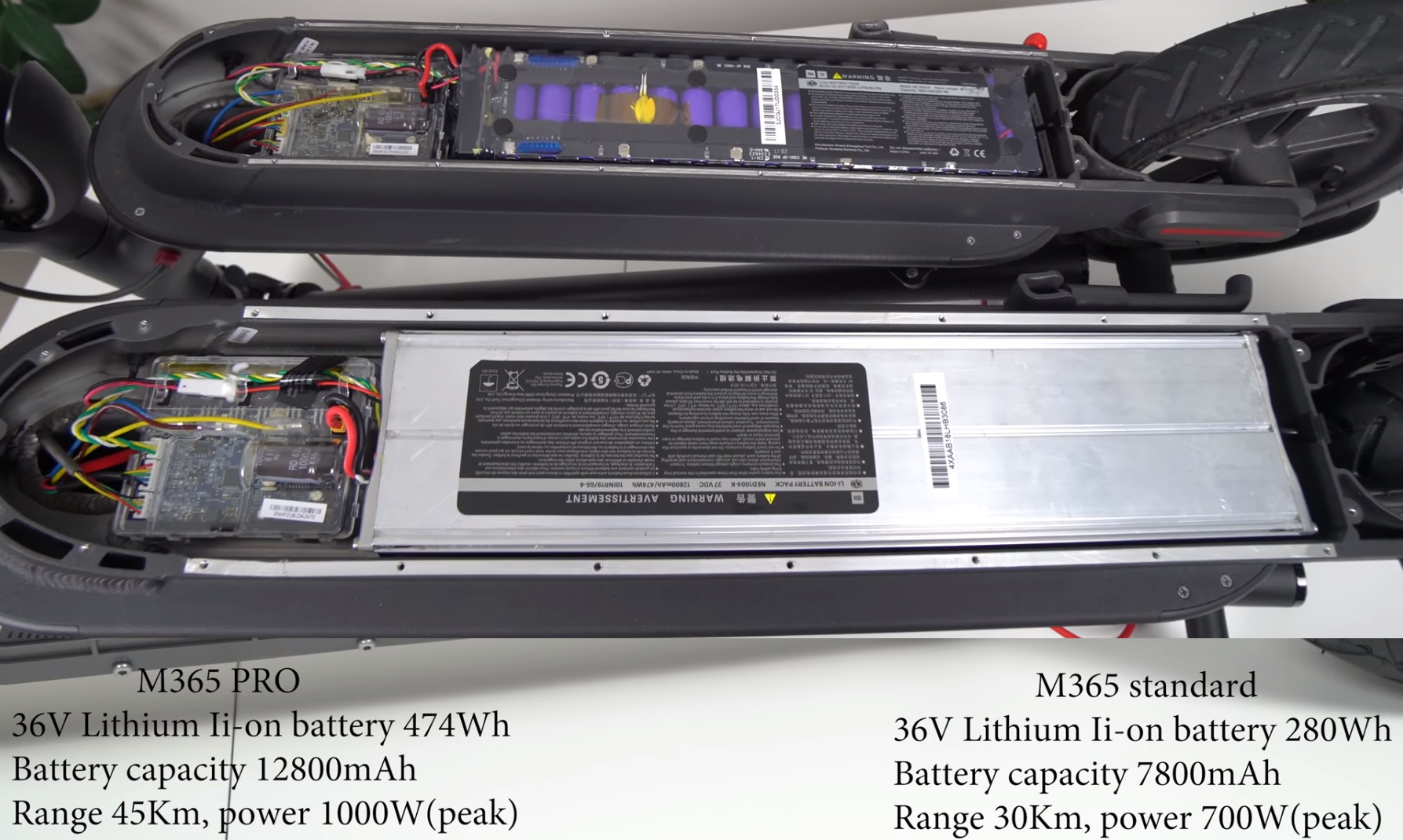
In contrast, contemporary electric scooters have successfully delivered the core promise of the Segway at a fraction of the cost. By leveraging modern battery chemistry, digital integration via Bluetooth smartphone applications, and scalable global manufacturing, today’s micro-mobility market offers deep technological sophistication embedded in an accessible consumer package. Iterations such as the Xiaomi M365 Pro have further refined the formula with incremental upgrades—including larger capacity batteries, enhanced display panels, and improved structural latches—without breaking the baseline affordability that drove initial adoption.
Broader Economic and Environmental Implications
The maturation of the electric scooter market signals a broader transition in global manufacturing toward decentralization and electrification. As battery supply chains continue to scale to meet both automotive and consumer electronics demands, the trickle-down effect into light electric vehicles demonstrates how sustainable technology can achieve true mass-market penetration without relying on heavy government subsidies.
While electric scooters may not completely replace automobiles for all transit scenarios, their integration into the urban transport ecosystem represents a permanent shift in how cities view mobility. By offering a low-cost, highly efficient, and digitally connected alternative for first- and last-mile travel, the modern electric scooter has transitioned from a passing trend into a foundational pillar of twenty-first-century urban logistics.
Related posts: