Tech Entrepreneur Jeff Atwood Pledges $50 Million to Launch the Rural Guaranteed Minimum Income Initiative and Rebuild the American Dream

One year after issuing a public call to action to help preserve the American Dream, software engineer and Stack Overflow co-founder Jeff Atwood has announced a sweeping philanthropic commitment. Atwood and his partner, Betsy, have pledged $50 million—representing half of their remaining wealth—to fund long-term systemic solutions aimed at combating poverty in the United States. This funding anchors the newly established Rural Guaranteed Minimum Income Initiative (RGMII), a nationwide project designed to test and promote direct cash-transfer models in overlooked rural communities.
The announcement marks a significant pivot from reactive charity to structural economic reform. While initial philanthropic efforts focused on immediate disaster relief and short-term nonprofit support, Atwood’s latest initiative centers on Guaranteed Minimum Income (GMI) as a viable, data-driven framework to lift American families out of generational poverty.
Background and Context: Redefining Wealth and Social Responsibility
The philosophical foundation of Atwood’s recent philanthropic wave traces back to the high-profile acquisition of Stack Overflow by Prosus in 2021 for a reported $1.8 billion. Following the transaction, Atwood began grappling with questions of surplus wealth and societal equity. Guided by the Mary Gates philanthropic philosophy that "from those to whom much is given, much is expected," Atwood and his family concluded that securing personal financial abundance naturally extends to a responsibility to ensure basic human needs are met for the wider public.

Atwood’s approach challenges traditional philanthropy, which often relies on complex bureaucratic intermediaries or restricted grants. Instead, his framework focuses on universal human baselines: secure housing, sufficient nutrition, and accessible healthcare. By asking the fundamental question of when accumulated wealth becomes "enough," Atwood chose to direct his capital toward systemic change rather than traditional foundation endowments.
Chronology of the Initiative: From Urgent Relief to Systemic Reform
The path to the Rural Guaranteed Minimum Income Initiative unfolded across a carefully orchestrated timeline over the course of twenty-four months:
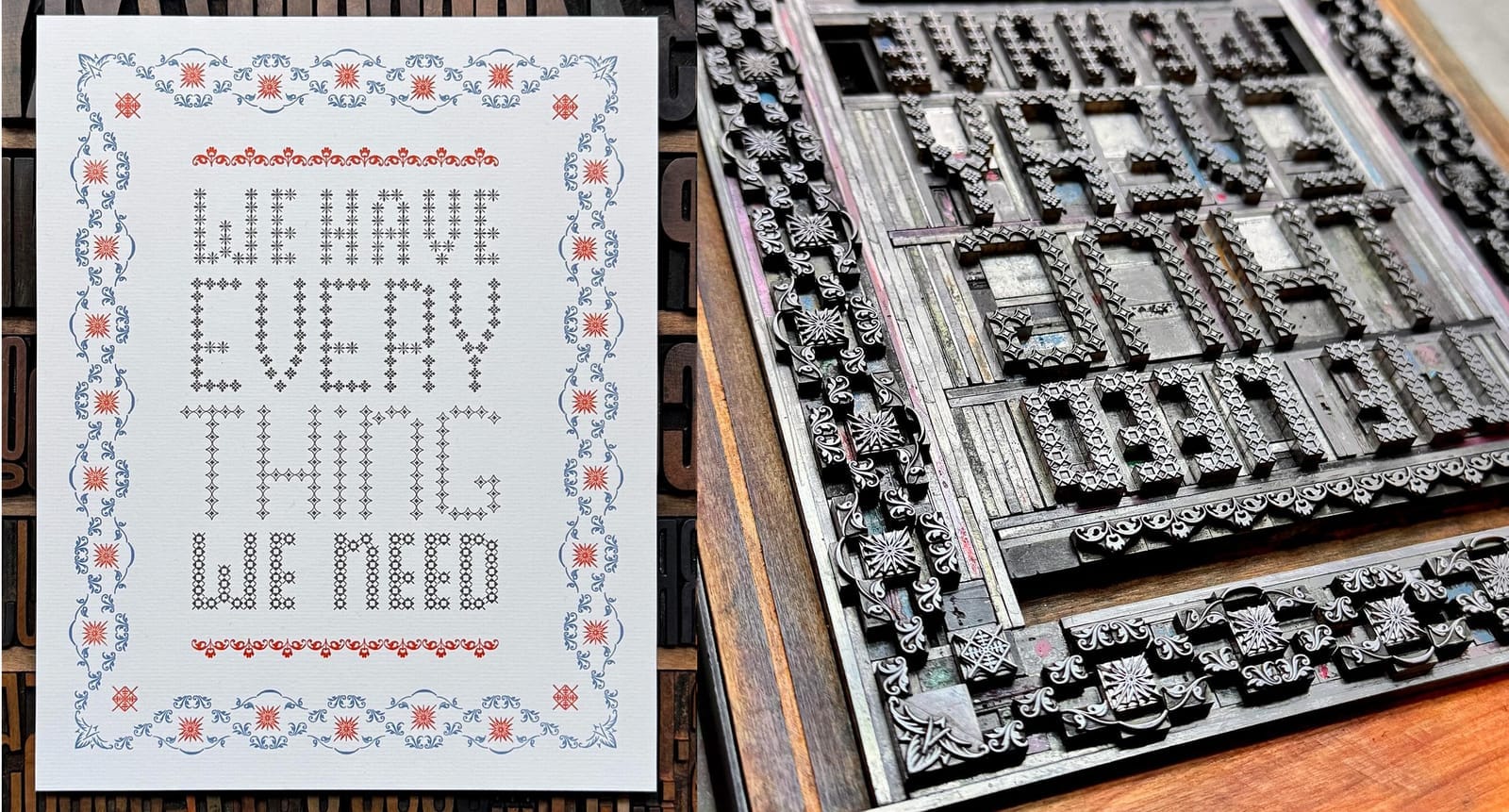
- January 2025: Atwood publicly invited Americans to participate in a pledge to "Share the American Dream," initially directing $1 million across eight carefully vetted charitable organizations.
- Early to Mid-2025: Recognizing the compounding severity of immediate socioeconomic hardships, Atwood and his family rapidly scaled their short-term contributions, injecting an additional $13 million into urgent needs, bringing immediate reactive donations to roughly $21 million.
- March 2025: Recognizing that short-term firefighting cannot solve root structural issues, Atwood reached a strategic consensus to pivot toward Guaranteed Minimum Income (GMI), establishing the blueprint for a modernized, data-focused research initiative.
- Late 2025 to Early 2026: The formal launch of RGMII took shape, moving past theoretical proposals into county-level pilot programs designed to gather empirical data and demonstrate the efficacy of direct financial intervention.
The Mechanics of Guaranteed Minimum Income
Unlike Universal Basic Income (UBI), which distributes funds unconditionally to entire populations regardless of socioeconomic status, Guaranteed Minimum Income specifically targets individuals and families living closest to or beneath the poverty line. By focusing capital where it is most acutely required, GMI functions as a precise economic floor designed to catch households experiencing generational poverty.
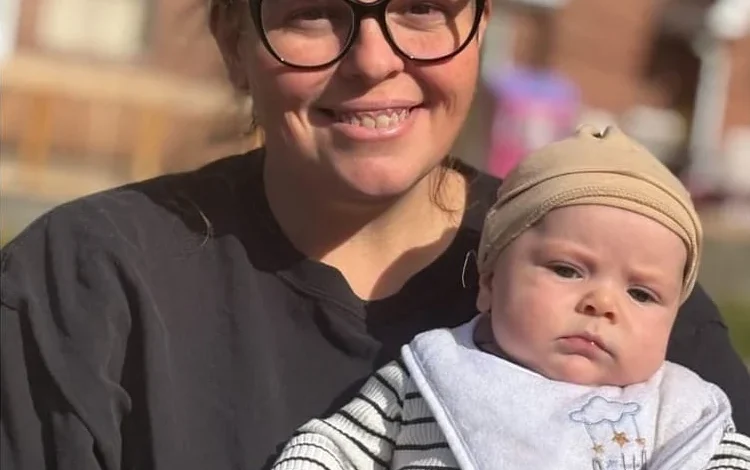
Proponents of GMI argue that direct cash transfers empower recipients to navigate emergencies without resorting to high-interest debt or enduring bureaucratic delays inherent in legacy welfare systems. Qualitative data from early trial programs underscore these operational realities. For instance, recipients like Stacy D. of West Virginia noted how unexpected life events—such as a high-risk pregnancy coinciding with a primary vehicle breakdown—can completely sever an individual’s connection to the workforce. Direct cash assistance bridges these critical gaps, enabling recipients to repair essential transportation, secure reliable childcare, and re-enter the labor market with stability.

The Rural Focus: Targeting Overlooked American Counties
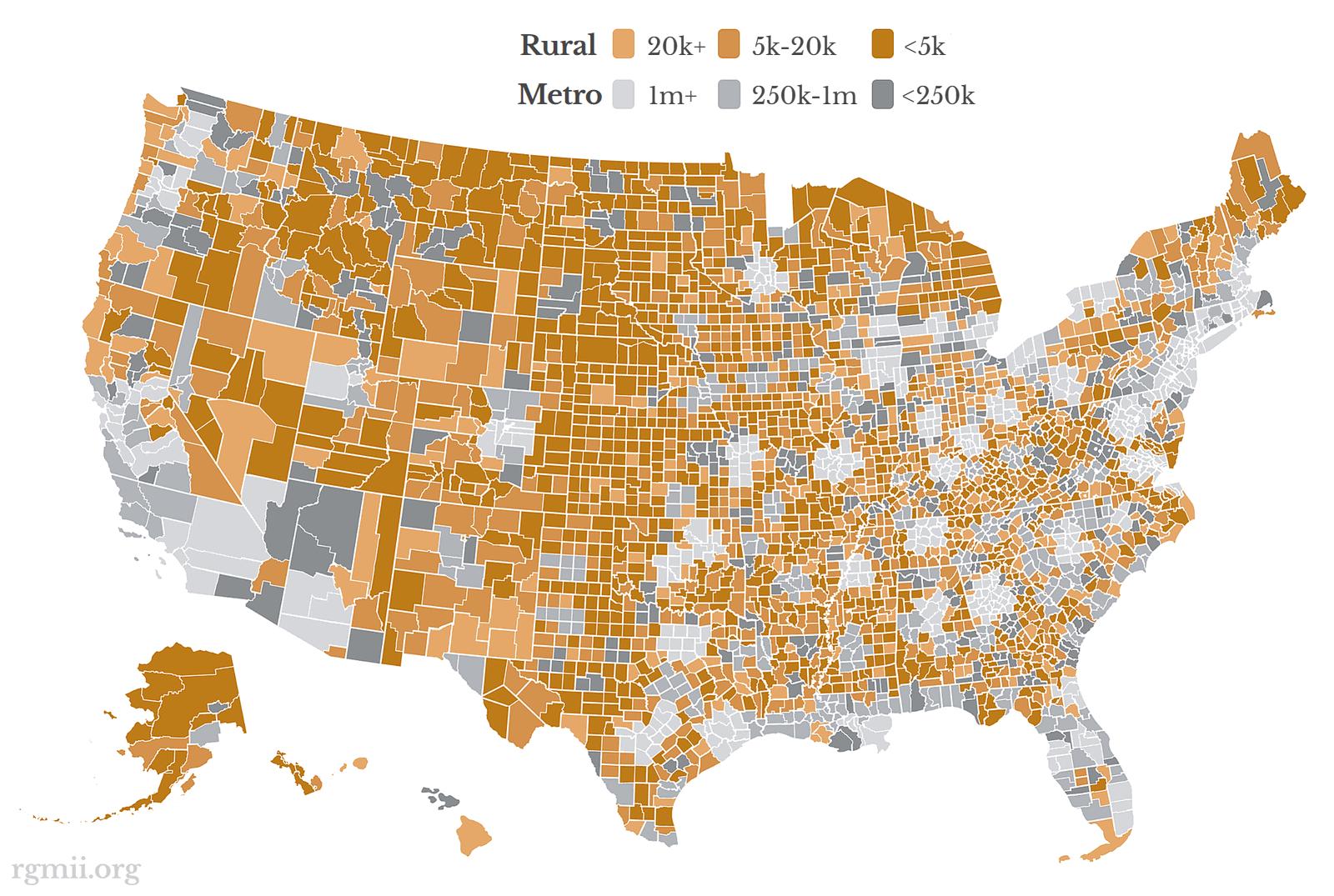
The Rural Guaranteed Minimum Income Initiative deliberately centers its pilot programs on rural American counties. According to initiative strategists, rural areas present unique advantages for comprehensive economic research: populations are smaller and more manageable for precise longitudinal studies, poverty rates are frequently more severe, and every dollar stretches significantly further than it would in major metropolitan centers. Furthermore, rural communities often possess untapped talent pools that have been systematically overlooked by national economic policy and venture capital.
Initial county-level implementations are already operational in three distinct geographic regions:

- Mercer County, West Virginia
- Beaufort County, North Carolina
- Warren County, Mississippi
These initial studies will provide direct financial support to thousands of residents over a 16-month period while meticulously tracking economic outcomes, housing stability, and health metrics. The resulting data will be made publicly available to researchers, policymakers, and the public to foster informed debate on welfare modernization.
Broader Impact and Economic Implications
The $50 million injection into RGMII arrives at a critical juncture in American economic policy. As automation, shifting labor markets, and inflationary pressures strain traditional safety nets, economists and policymakers are increasingly examining alternative models of social support.
Independent analyses of pilot cash-transfer programs nationwide consistently indicate that unconditional or targeted cash assistance does not lead to decreased labor participation, as critics often suggest. Instead, data frequently show improvements in mental health, educational persistence, and small-scale entrepreneurial activity. By funding rigorous, open-data studies across diverse rural landscapes, Atwood’s initiative attempts to supply lawmakers with undeniable empirical evidence regarding the long-term viability of income floors.
Future Outlook and Public Engagement
Atwood has confirmed that the Rural Guaranteed Minimum Income Initiative represents his third and final startup endeavor. Rather than establishing a conventional perpetual endowment like an "Atwood Foundation," the explicit goal of the initiative is to advance, test, and validate the concept of direct cash transfers until it enters mainstream legislative consideration.
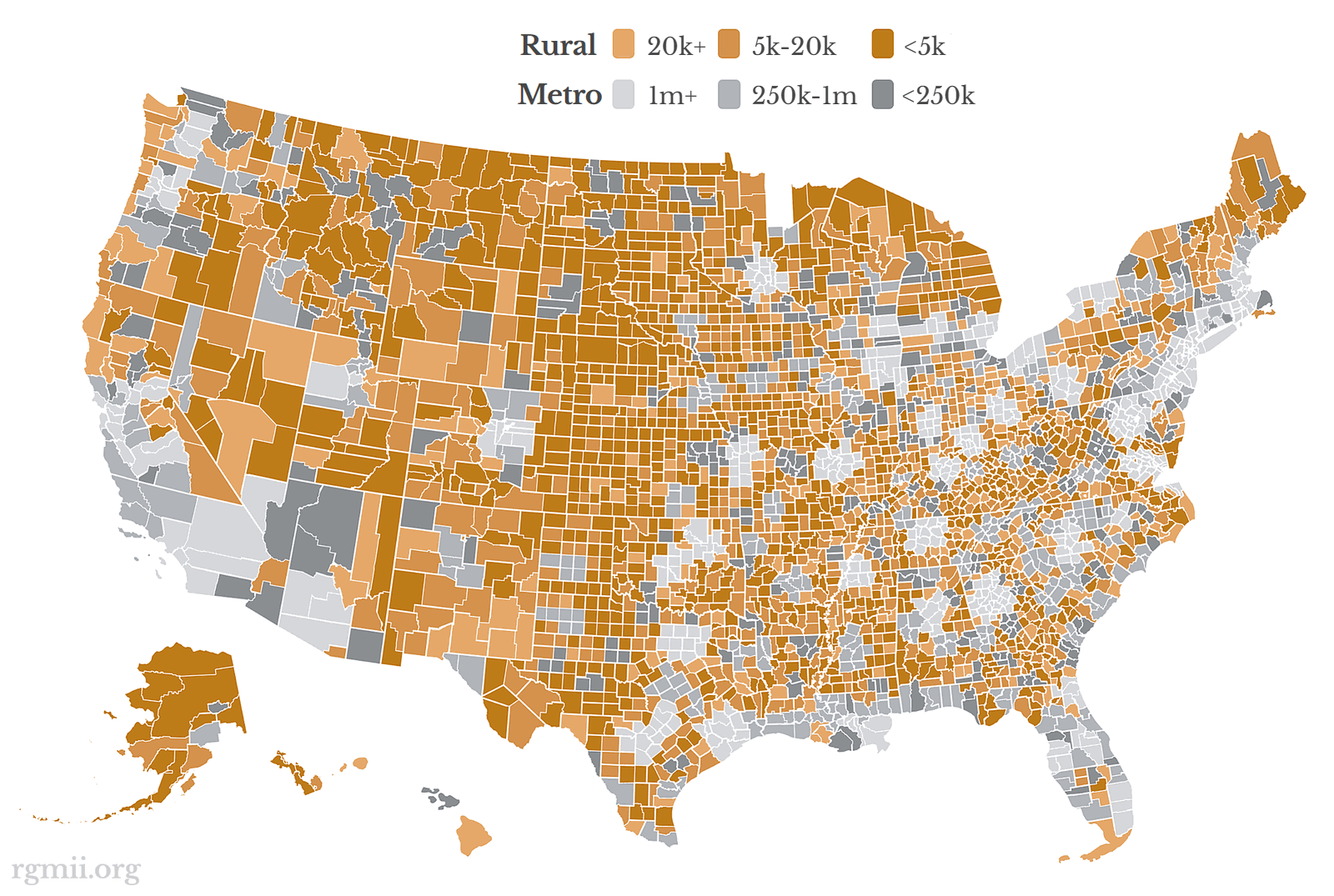
Organizers are actively encouraging public participation through educational outreach, policy advocacy, and community-level donor sponsorship. By expanding the pilot model progressively across all 50 states, the initiative seeks to demystify misconceptions surrounding GMI and UBI.
As the project scales, its architects maintain that economic security is a prerequisite for a functioning democracy. Through rigorous scientific methodology and unprecedented personal financial commitment, the Rural Guaranteed Minimum Income Initiative aims to transform the abstract ideal of the American Dream into a practical reality for every citizen.