The Ultimate Guide to Choosing and Implementing Professional Free Estimate Templates for Business Growth

In the modern competitive landscape, the ability to provide a swift, accurate, and professional price estimate is often the deciding factor in securing a new contract. A free estimate template serves as the foundational architecture for this process, offering a reusable framework that details the scope of work, labor requirements, material costs, tax implications, and binding terms. By moving away from ad-hoc document creation and adopting standardized templates, businesses can eliminate administrative bottlenecks, reduce the risk of costly miscommunications, and project a level of professional polish that instills confidence in potential clients.
The Strategic Importance of Standardized Estimating
The practice of bidding for work has become increasingly cutthroat across industries ranging from residential construction to freelance digital consulting. When a business relies on manual, inconsistent document generation, it creates a "hidden tax" on productivity—time spent formatting headers or verifying formulas is time not spent on revenue-generating activities. Industry analysts suggest that firms utilizing standardized estimation workflows can reduce their turnaround time by as much as 40%, a significant advantage when responding to competitive Request for Proposals (RFPs).
Furthermore, the estimate serves as the first formal "handshake" between a service provider and a client. An unclear or poorly structured document invites confusion, often leading to scope creep or disputes once the project is underway. By implementing a systematic approach—utilizing templates that integrate with broader operational platforms—companies ensure that their pricing strategy remains consistent, traceable, and defensible.
Evolution of Estimation Tools: From Paper to Automated Workflows
Historically, estimates were drafted on carbon-copy paper forms, a method prone to calculation errors and physical loss. The transition to digital formats in the late 1990s and early 2000s introduced spreadsheet software, which brought the power of automated calculation to small businesses. However, these standalone files often existed in isolation, detached from the actual project management or accounting systems.
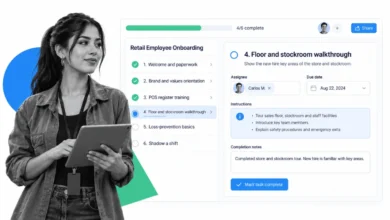
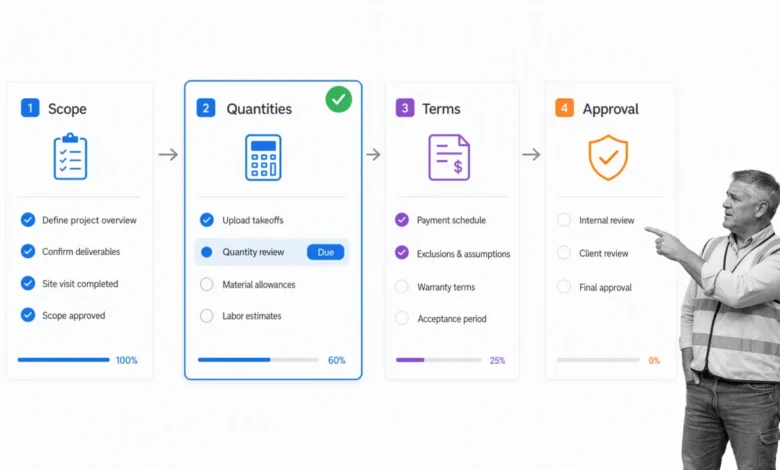
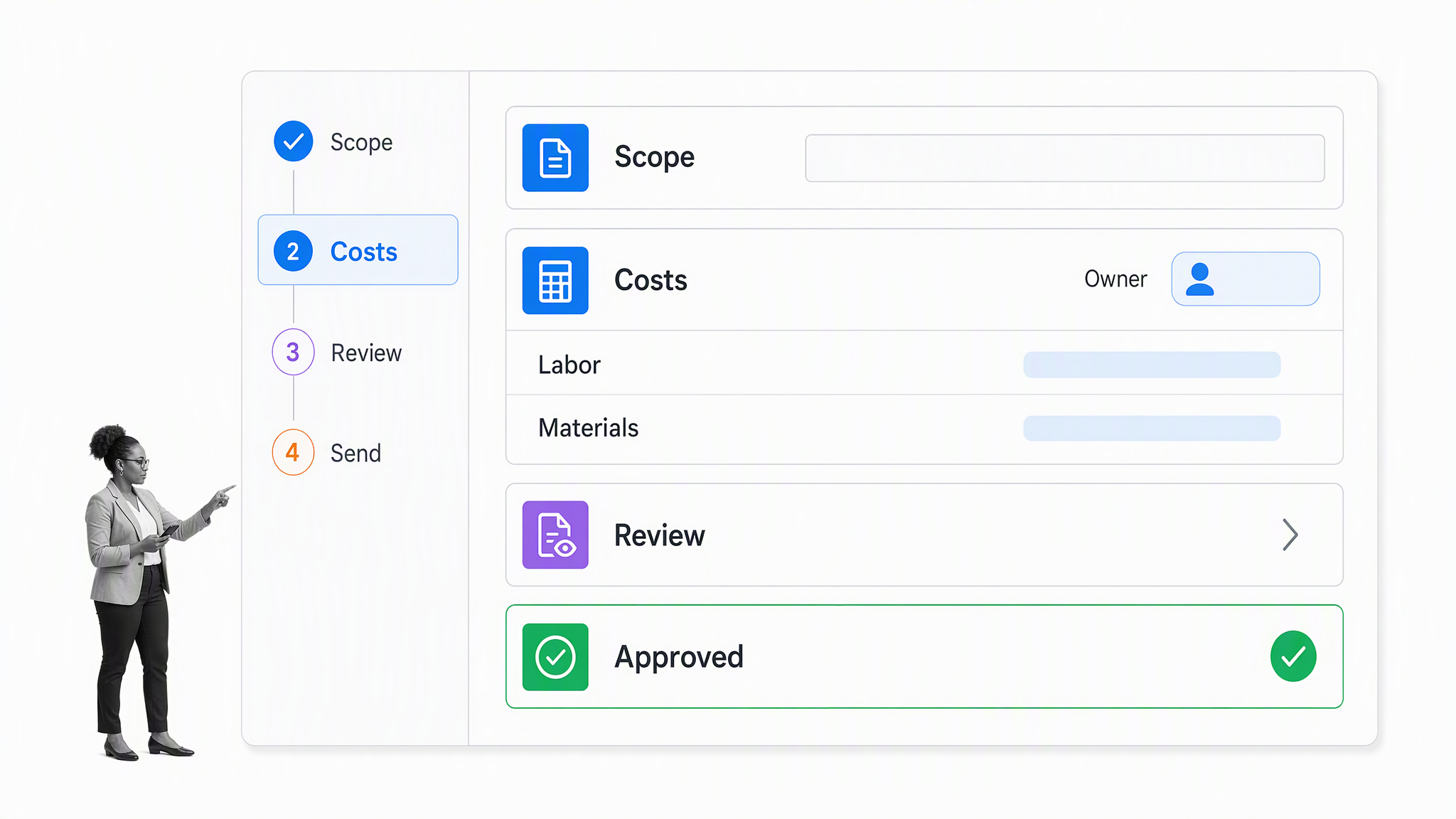
The current generation of estimation technology reflects a shift toward "Compliance Operations Platforms." Modern solutions, such as those provided by Process Street, represent the next stage in this evolution. These platforms move beyond simple document creation, allowing organizations to embed institutional knowledge directly into the estimating workflow. By utilizing conditional logic, automated approvals, and direct integrations with over 5,000 third-party systems, businesses are now able to transform the estimate from a static file into a dynamic, trackable asset.
Categorizing Estimation Frameworks: Choosing the Right Format
Selecting the correct template depends largely on the complexity of the project and the technical requirements of the business. The following categorization helps decision-makers identify which tool matches their operational needs.
1. The Workflow-Integrated Approach
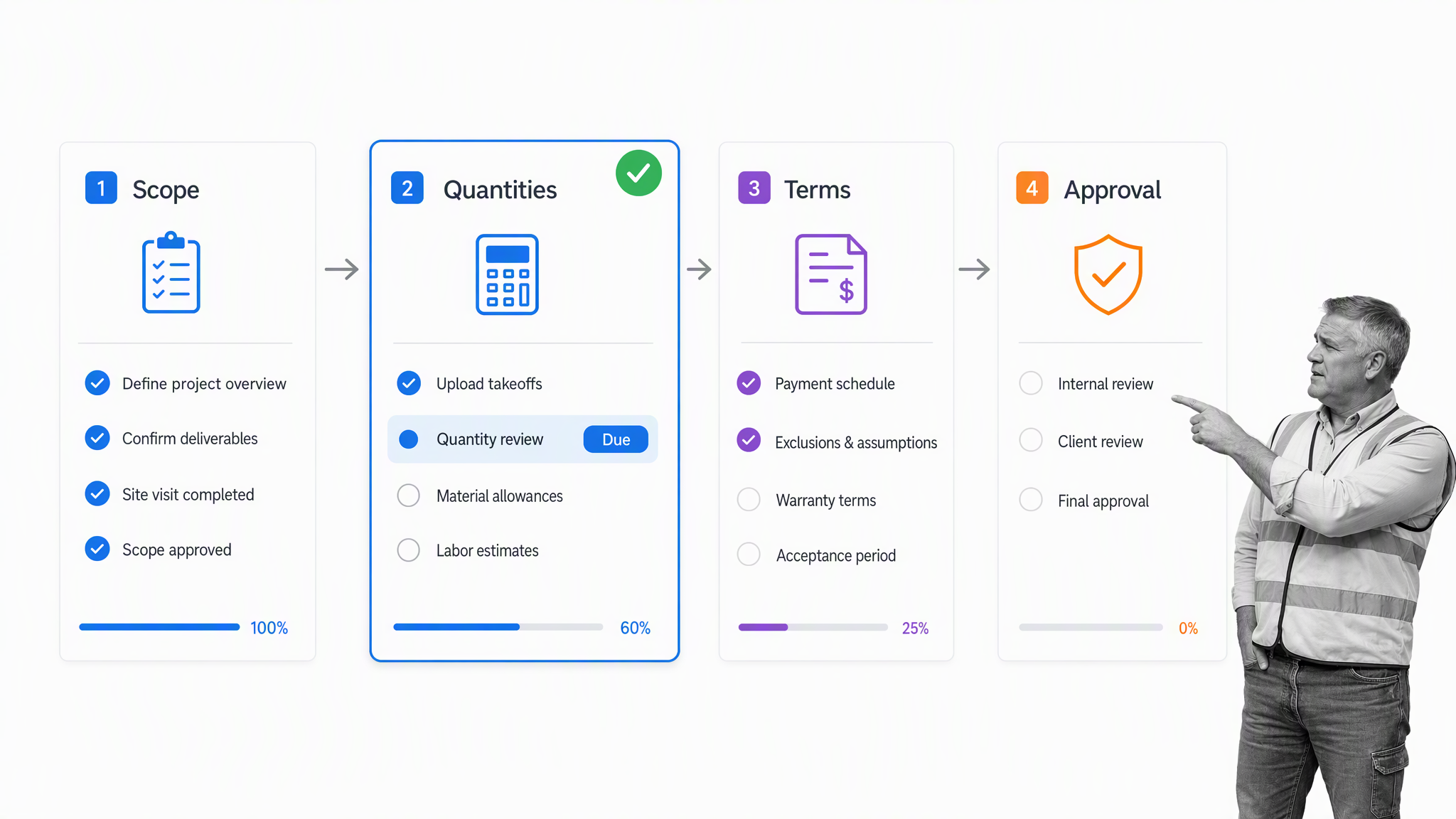
For organizations operating in regulated environments or managing recurring, high-stakes projects, static files are insufficient. Workflow-based templates provide a controlled environment where every stage of the estimate—from initial site survey to final management approval—is documented. This creates an audit trail that is invaluable for long-term project analysis. By utilizing these tools, companies ensure that no estimate is sent to a client without undergoing the necessary internal reviews, effectively mitigating the risk of underpricing or contractual errors.
2. Microsoft Word and Narrative-Driven Templates
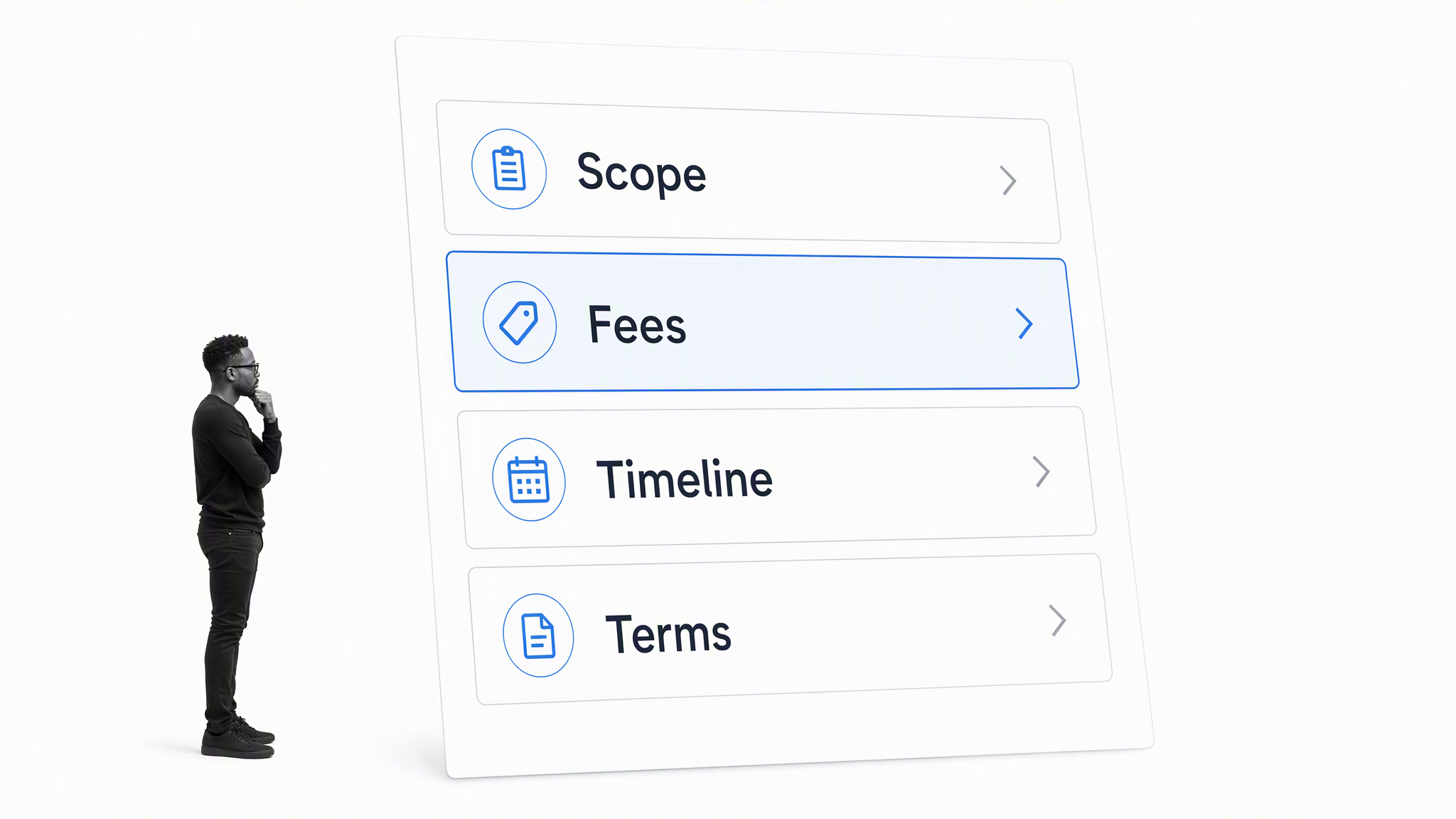
Word-based templates are best suited for service providers who require a blend of financial data and project narrative. These are particularly effective in creative industries, consulting, or specialized technical services where the "why" of the price is as important as the bottom line. Templates like the "Contract Killer" structure pioneered by industry experts highlight the importance of plain language. By prioritizing clear terms, project timelines, and scope definitions over dense legal jargon, these templates foster better client relations.
3. Excel and Data-Centric Estimating
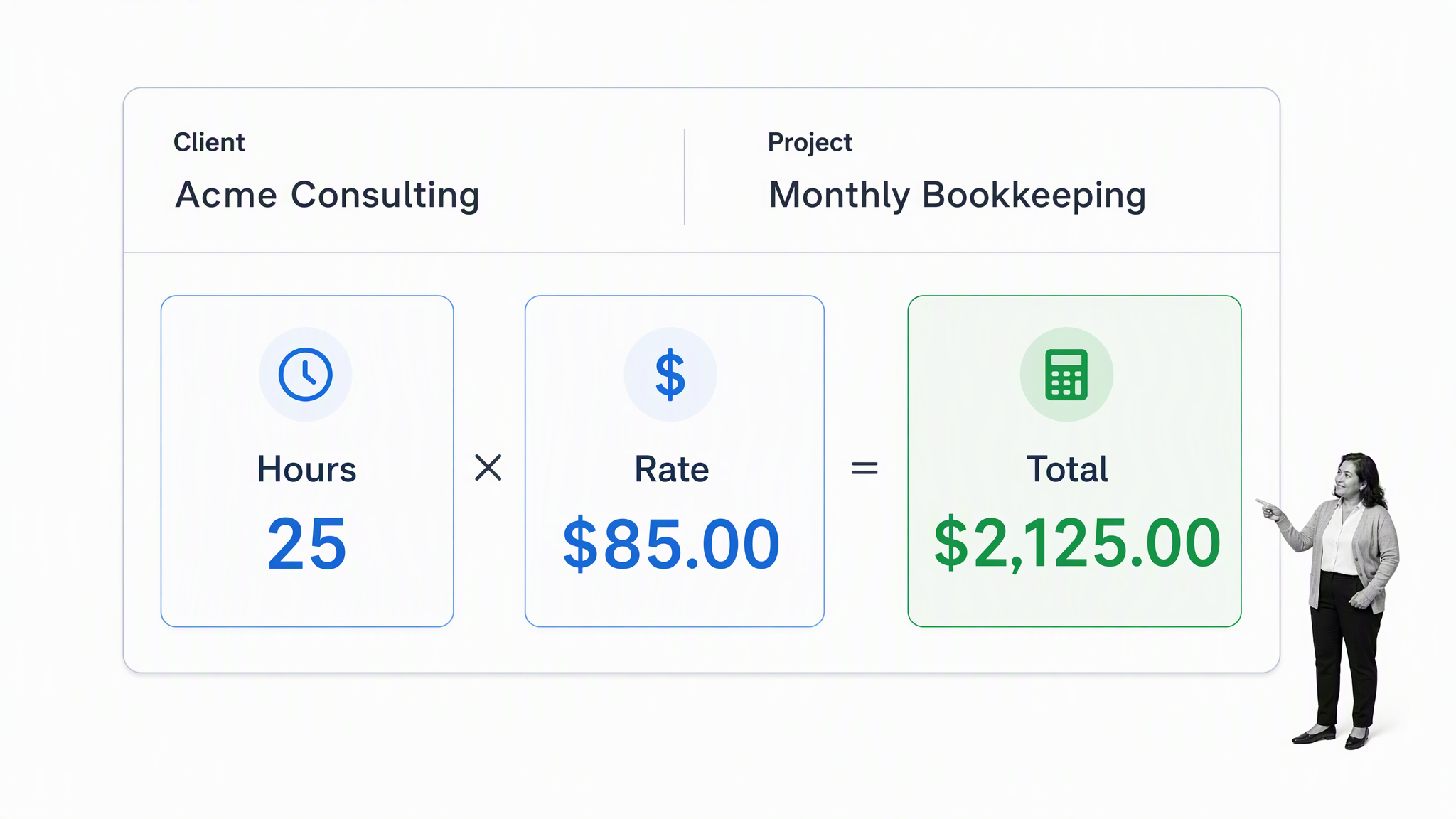
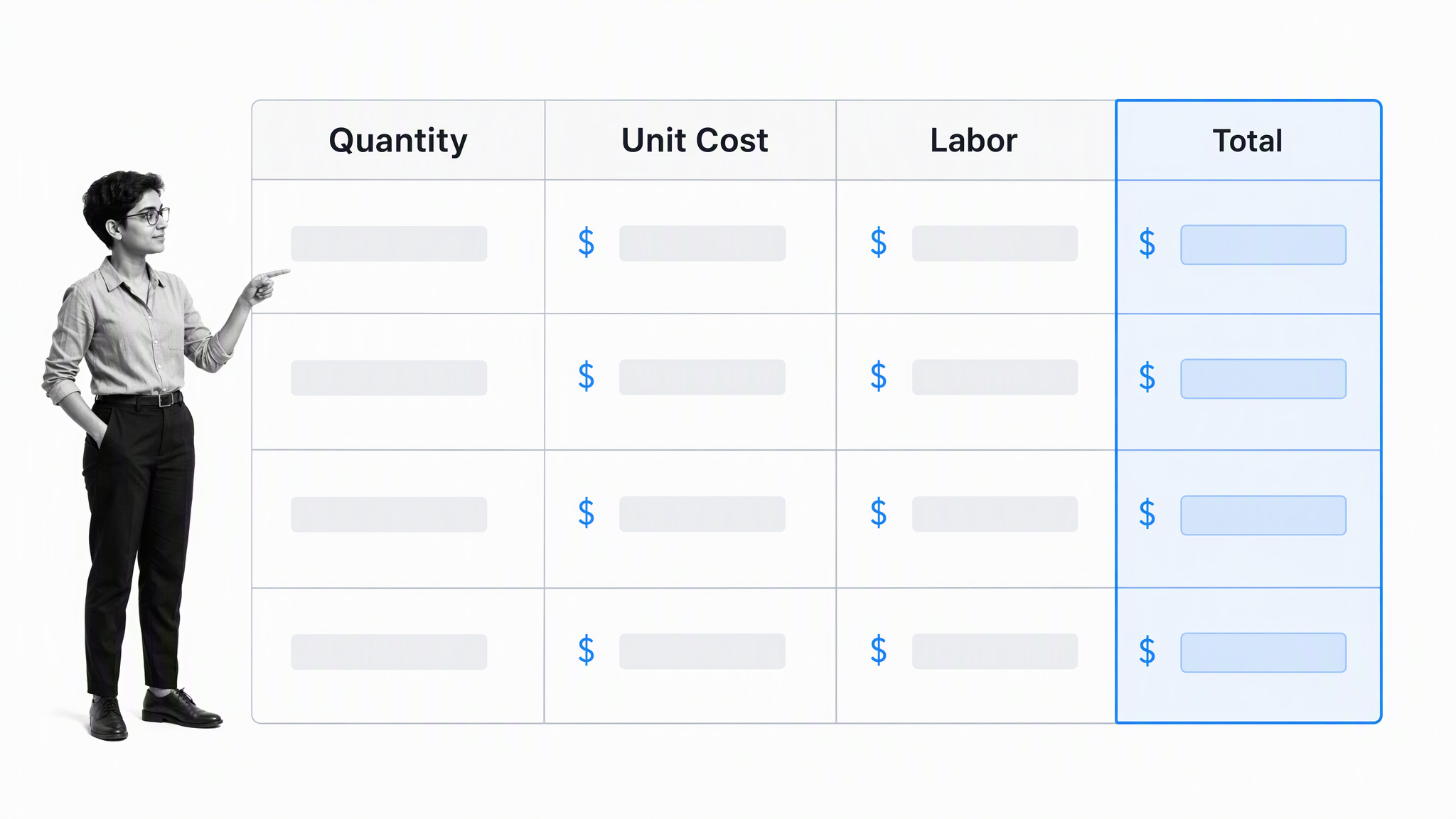
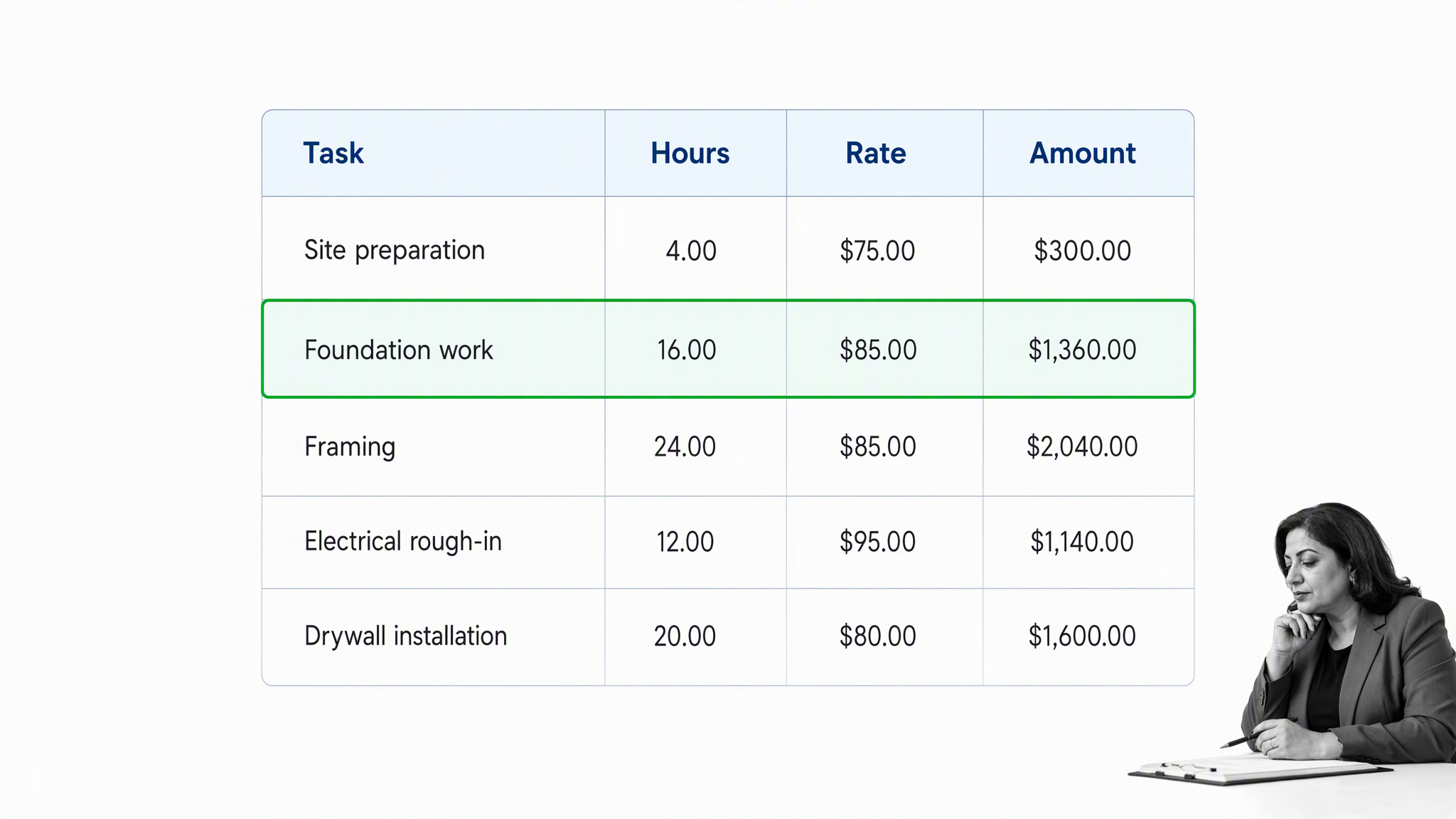
Construction, manufacturing, and high-volume retail sectors require the computational power of spreadsheet-based templates. When a project involves multiple labor grades, fluctuating material prices, and complex tax jurisdictions, formulas are essential. However, the reliance on spreadsheets introduces the risk of "formula drift," where an accidental cell modification invalidates the entire estimate. Consequently, organizations are advised to maintain a "locked" master version of these files, allowing users to input data only in designated fields while protecting the underlying logic.
4. Portable Document Format (PDF) Solutions
PDF templates are the standard for final delivery. While some users may draft estimates in Word or Excel, exporting to a non-editable PDF ensures that the document maintains its formatting integrity across different devices, from desktop workstations to mobile phones. This reliability is critical when dealing with clients who may review proposals on the go.
Establishing the "Basis of Estimate"
Perhaps the most critical, yet frequently overlooked, component of a professional estimate is the "Basis of Estimate" (BOE). This document—or section of a document—outlines the logic, source data, and assumptions that informed the final price.
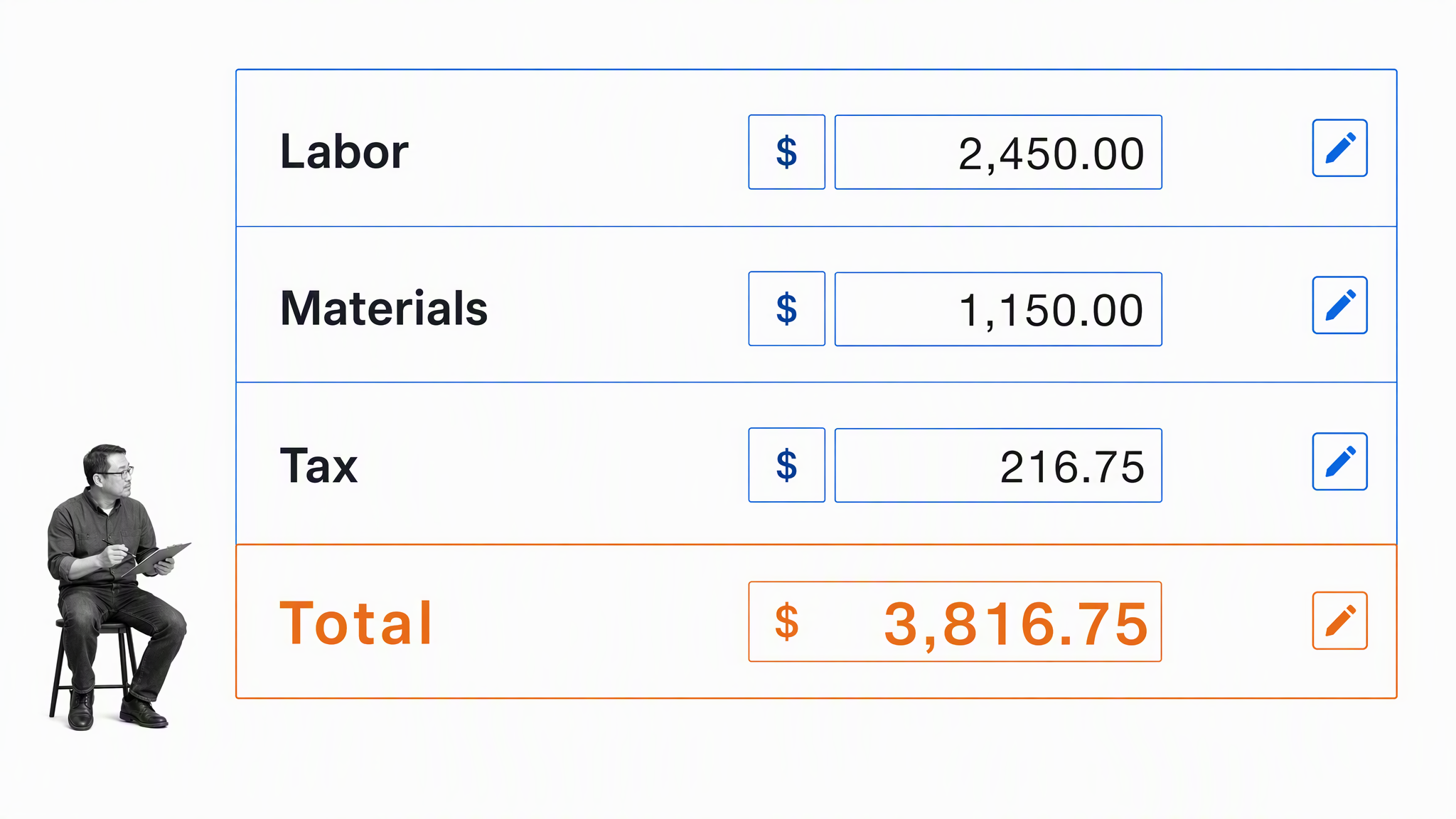
A robust BOE should include:
- Scope Definition: Explicitly stating what is included in the price and, crucially, what is excluded.
- Methodology: Explaining how the costs were derived (e.g., historical data, vendor quotes, or unit cost databases).
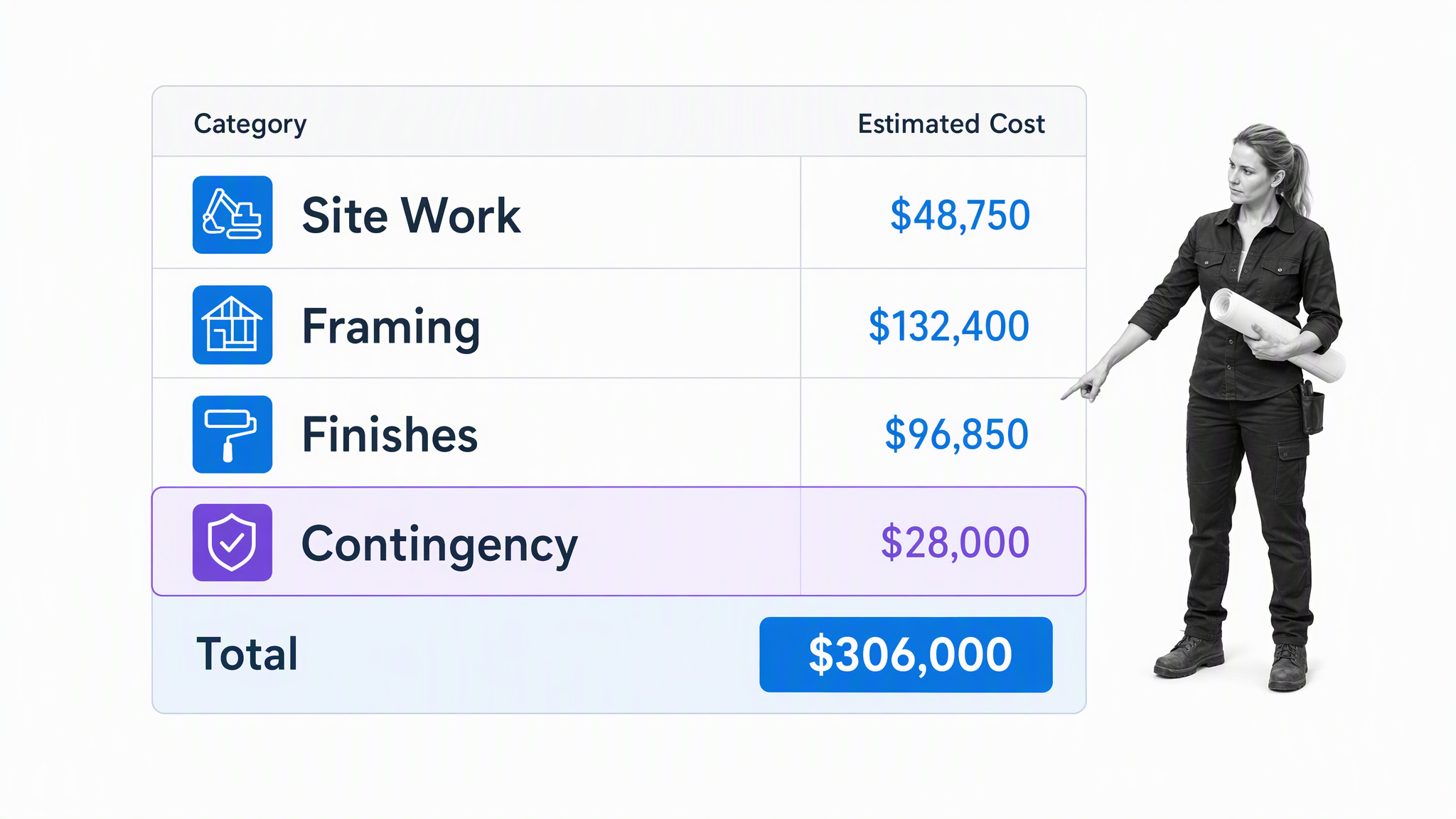
- Risk and Contingency: Providing a percentage-based allowance for unforeseen circumstances, which is standard practice in major construction and engineering projects.
By providing a BOE, the provider moves the conversation away from the final dollar amount and toward the underlying project realities. Should a client request a price reduction, the provider can refer back to the specific assumptions in the BOE, allowing for a transparent negotiation regarding which project components might be scaled back to meet a tighter budget.
Legal Implications and Best Practices
A common point of contention in business litigation is the distinction between an estimate, a quote, and a formal contract. While the terms are often used interchangeably in casual conversation, their legal standing differs significantly. An estimate is generally understood as a good-faith approximation of costs, whereas a quote is often treated as a binding offer to perform work at a specific price.
To protect the organization, every template should include:
- Validity Period: Clearly stating the date upon which the estimate expires, preventing clients from accepting a price based on outdated material costs.
- Approval Language: A clear statement regarding how the estimate becomes an agreement (e.g., signature or digital confirmation).
- Disclaimer of Change: Language that specifies how variations in the work or unforeseen site conditions will be addressed through change orders.
It is highly recommended that businesses consult with local legal counsel to ensure that their standard terms and conditions comply with regional regulations.
Broader Economic Impact and Future Trends
The adoption of standardized, AI-assisted estimation tools is part of a larger trend toward the digitalization of the small-to-medium enterprise (SME) sector. As AI agents begin to play a larger role in drafting and optimizing these documents, we can expect to see a rise in "predictive estimating," where software analyzes past project performance to suggest more accurate pricing models in real-time.
For the modern business owner, the goal is not merely to send a document, but to provide a data-backed proposal that minimizes risk and maximizes efficiency. By selecting the right template—whether it be a simple Word form for a freelance gig or a complex, integrated workflow for a multi-phase construction project—businesses position themselves to operate with greater transparency and professional integrity. In an era where client trust is the ultimate currency, the quality of the estimate is a direct reflection of the quality of the work to follow.