Strategic Planning: Bridging the Gap Between Vision and Execution in Modern Enterprise

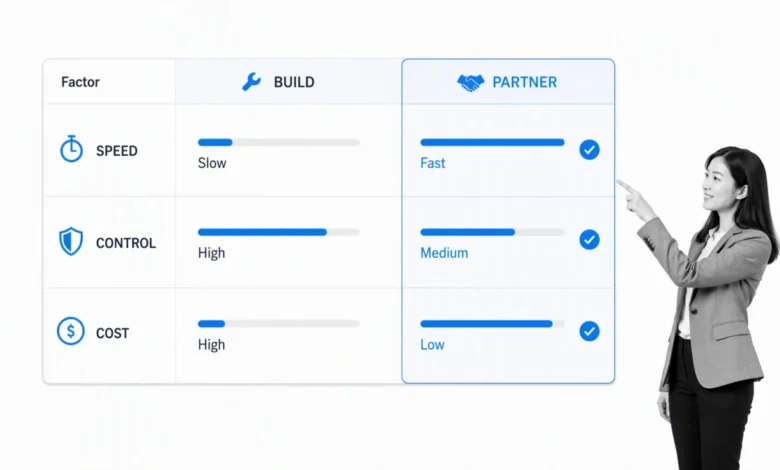
Strategic planning serves as the architectural blueprint for any high-performing organization, transforming abstract long-term goals into a series of actionable, measurable milestones. At its core, the process involves defining an enterprise’s direction and allocating the necessary resources to pursue that path. While the concept of strategy has deep roots in military and political history—dating back to ancient tactical doctrine—it was not until the mid-20th century that the discipline was formally integrated into corporate management. Today, in an era of rapid technological disruption and fluctuating market conditions, a static document is no longer sufficient. Organizations must adopt dynamic, iterative models that connect high-level strategy to daily operations, ensuring that mission-critical priorities are assigned, tracked, and periodically stress-tested against real-world evidence.

The Evolution of Strategic Management
The professionalization of strategic planning began in the 1950s and 1960s, a period marked by the emergence of formal corporate strategy functions. Academics such as Alfred D. Chandler Jr. helped define the field, arguing that an organization’s structure must follow its strategy to achieve long-term viability. Before this shift, "strategy" was largely reserved for the lexicon of war and geopolitics. As global competition intensified, however, the need for a systematic approach to resource allocation became paramount.
Throughout the late 20th century, the discipline evolved to incorporate diverse frameworks, including the SWOT (Strengths, Weaknesses, Opportunities, Threats) analysis, the Balanced Scorecard, and the Hoshin Kanri methodology. These models reflect a maturing business landscape that increasingly prioritizes customer satisfaction, operational efficiency, and cost-containment. Modern strategic management has moved away from the "command and control" styles of the past toward more adaptive, decentralized approaches that encourage organizational alignment from the executive suite to the front-line employee.
Defining the Divide: Planning vs. Management
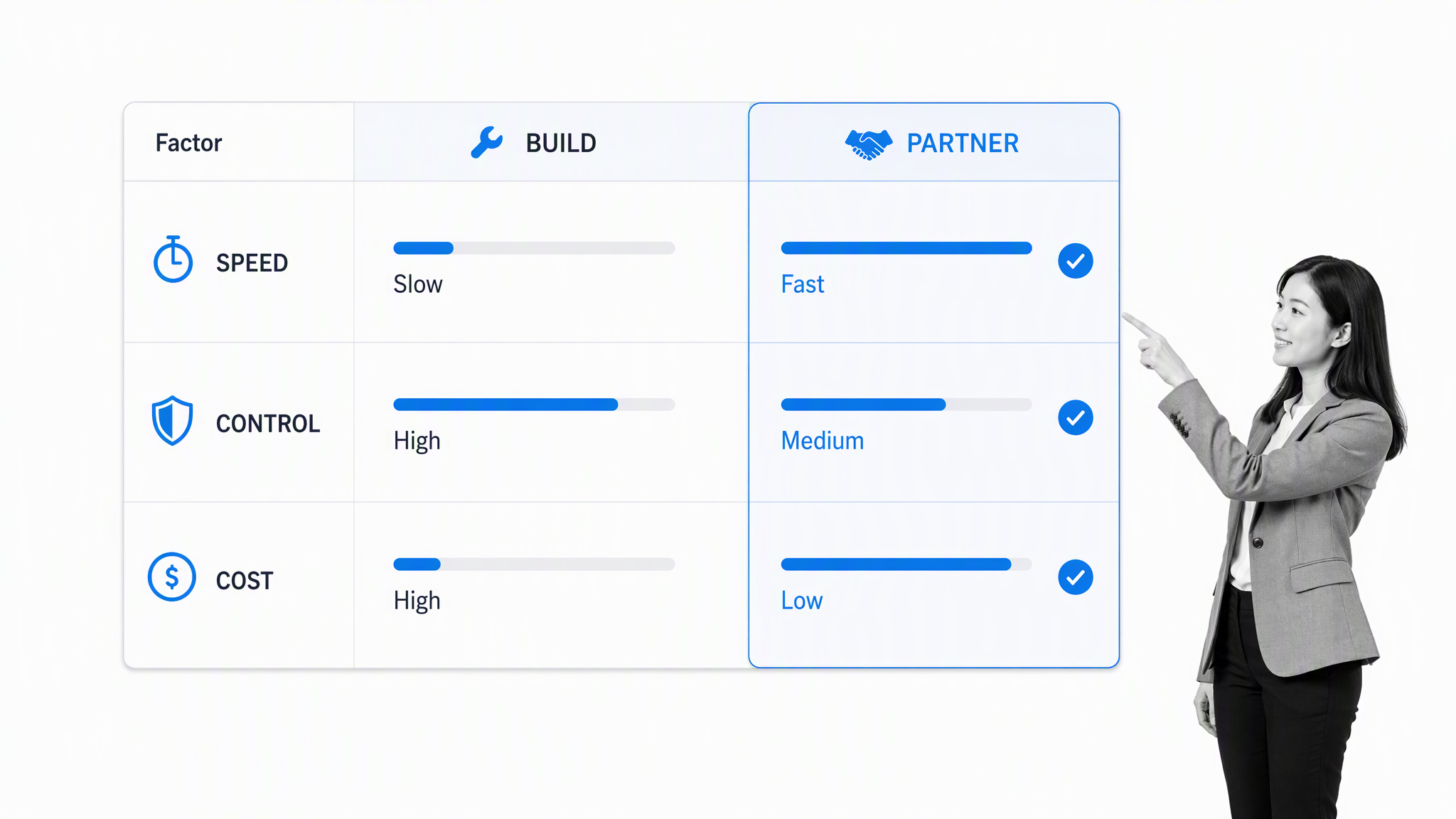
A common point of confusion in corporate governance is the distinction between strategic planning and strategic management. While the two are intrinsically linked, they serve different functions in the lifecycle of an organization. Strategic planning is essentially a forward-looking exercise; it is the process of setting priorities, identifying core goals, and outlining the path forward. It is, by definition, analytical.
Conversely, strategic management is the continuous, action-oriented governance of those plans. It encompasses the ongoing execution, monitoring, and adaptation of the strategy. While planning sets the "what" and the "why," management dictates the "how," the "who," and the "when." Effective organizations recognize that a strategic plan is not a static object but a living instrument that must be governed by results rather than merely by initial intentions.
Case Studies in Strategic Misalignment
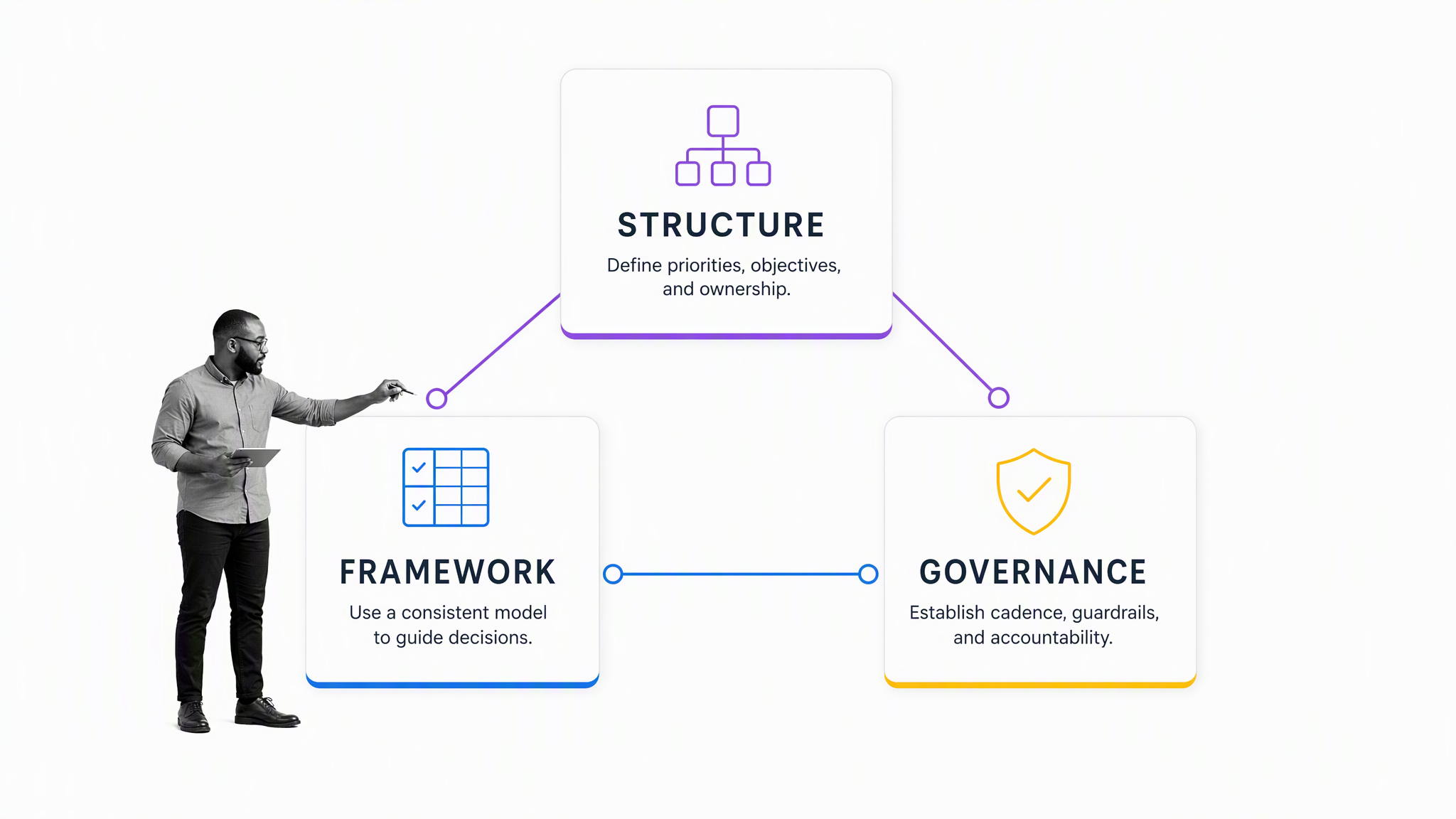
The history of modern commerce is littered with examples where high-level strategy failed due to a lack of adaptive review. The case of Iridium, the global satellite phone network launched in the late 1990s, serves as a poignant reminder of the dangers of disconnected planning. Despite a multi-billion dollar investment in cutting-edge infrastructure, the company struggled to account for market realities, including the rapid expansion of terrestrial mobile networks and the prohibitive cost of its handsets. The firm filed for bankruptcy in 1999. Analysts note that while the technology was revolutionary, the strategic plan failed to establish a robust review process to test fundamental assumptions about customer price sensitivity and adoption speed.
Similarly, the 2005 acquisition of Skype by eBay provides a lesson in the necessity of clear, measurable synergy targets. eBay executives initially projected that voice communication would significantly bolster marketplace transactions. However, the anticipated value failed to materialize, leading to a significant impairment charge before the eventual sale of the asset. Both examples highlight that a strategic plan is only as good as the governing process that supports it—a process that requires constant, evidence-based verification.
Core Principles for Sustainable Strategy
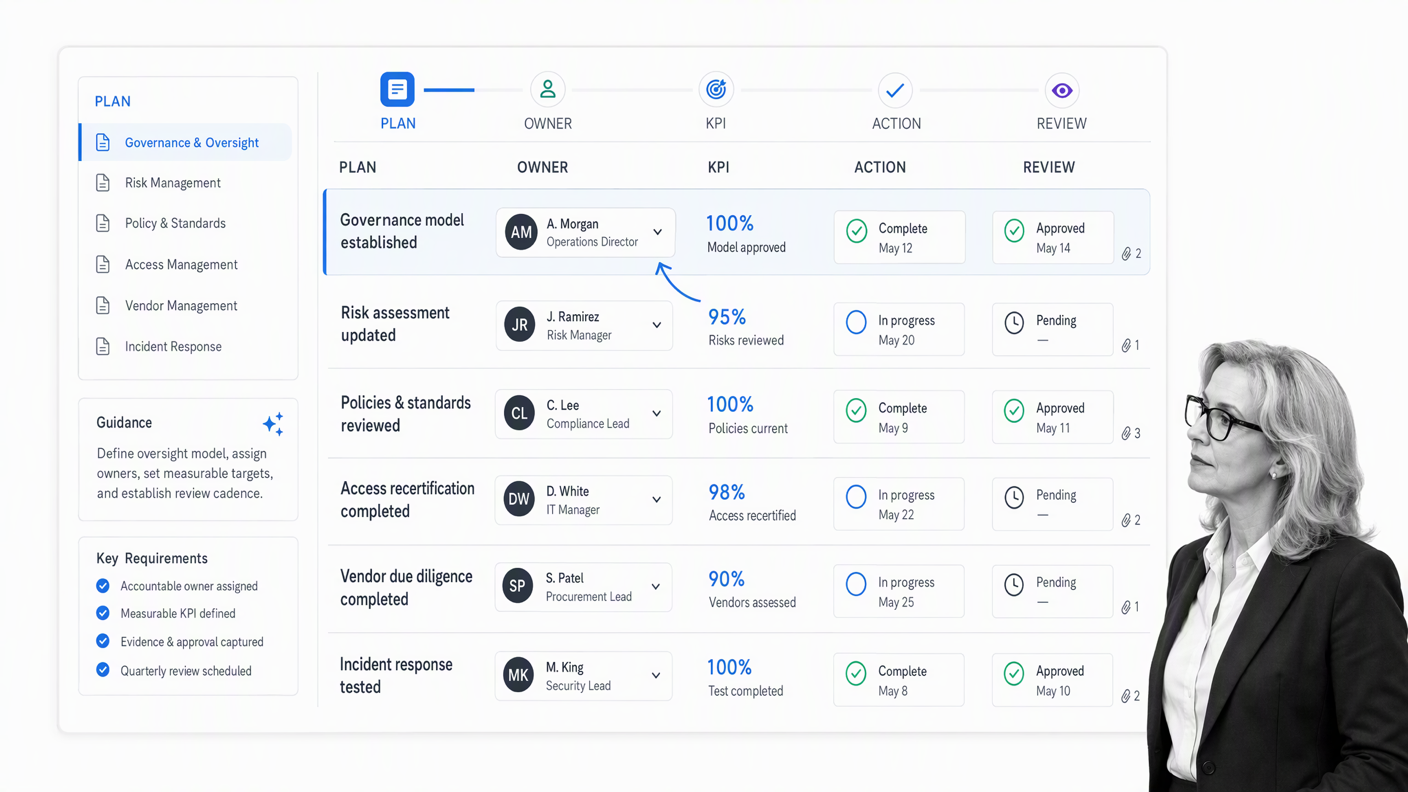
To navigate modern market instability, leaders are increasingly turning to structured frameworks that integrate three essential components: framework, structure, and governance.
- Framework: This provides the analytical lens through which the organization views its environment. Tools like SWOT analysis or PESTLE (Political, Economic, Social, Technological, Legal, Environmental) allow leaders to contextualize their internal capabilities against external market forces.
- Structure: This defines the organizational hierarchy and the cascading flow of objectives. By using models like the Cascade Strategic Planning approach, companies can communicate top-tier goals down to the functional level, ensuring that every team member understands how their individual tasks contribute to the company’s broader mission.
- Governance: This is the most critical element, involving the cycle of monitoring, measurement, and adaptation. Without a formal governance schedule, even the most well-conceived plans become obsolete.
Implementing an Adaptive Workflow
In the current digital age, the integration of technology into the strategic process is no longer optional. Modern enterprise operations platforms now allow for the digitization of these complex planning models. By moving away from static spreadsheets and manual reporting, organizations can create "living" workflows that assign ownership to specific tasks, establish clear deadlines, and trigger automatic approvals when key performance indicators (KPIs) are met.
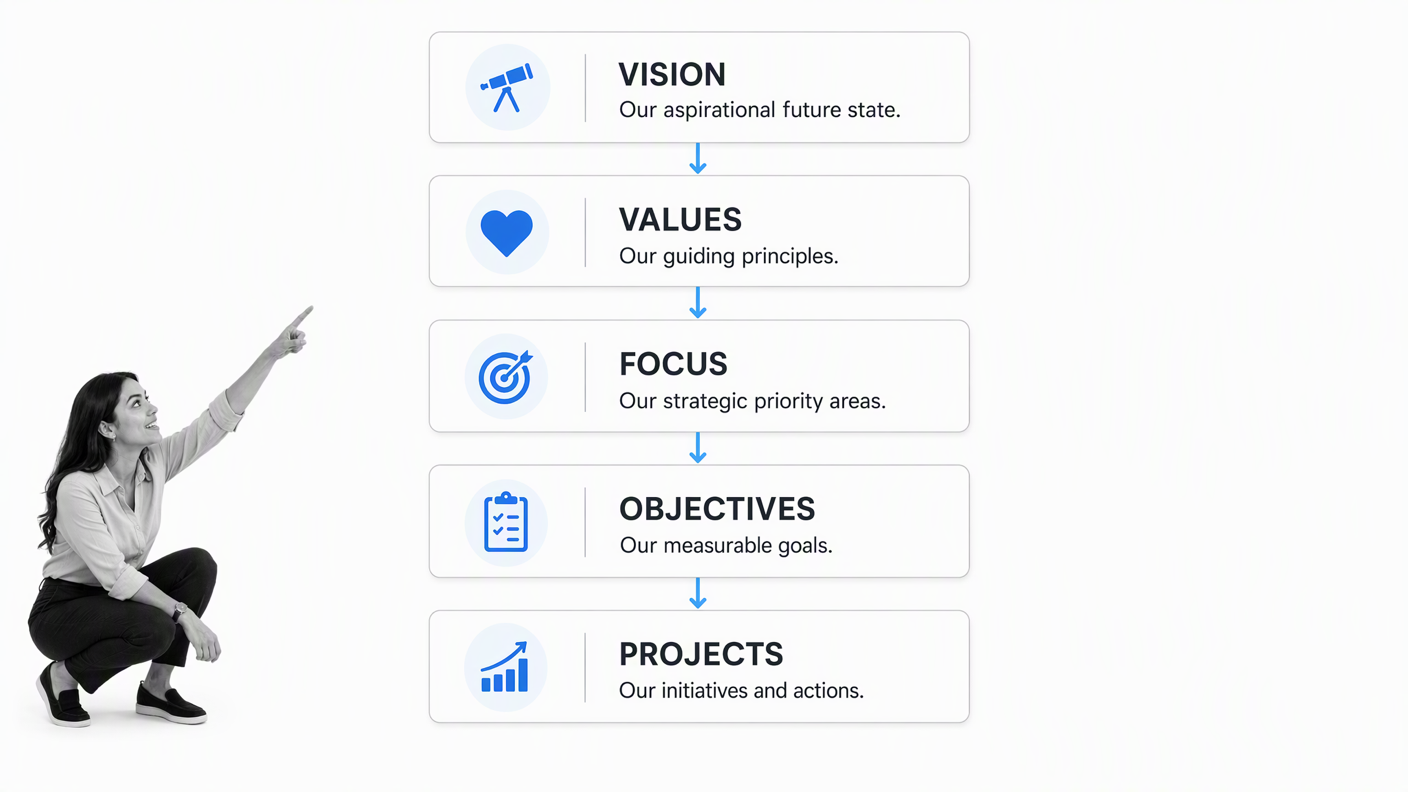
The transition from a theoretical plan to a practical, operationalized workflow involves three distinct phases:
- The Discussion Phase: This initial stage requires deep engagement with stakeholders to assess the current state of the organization. This includes conducting a thorough SWOT analysis to establish a baseline. An essential element here is the creation of a definitive executive summary, which serves as the "north star" against which future progress will be measured.
- The Development Phase: Once the baseline is established, the focus shifts to defining focus areas and cascading these into specific, measurable objectives. Each objective should be paired with actionable projects and clear KPIs. Using verbs to initiate these objectives helps foster a culture of action rather than passive observation.
- The Review and Updating Phase: This is where the strategy is either validated or course-corrected. Adopting an iterative cycle—such as the PDCA (Plan-Do-Check-Act) model—allows teams to test assumptions on a smaller scale before committing full resources. Regular monthly operating reviews and quarterly strategic audits ensure that the organization remains agile.
Implications for Future Organizational Success
The primary indicator of a successful strategic planning process is not the document itself, but the organization’s ability to remain aligned during periods of volatility. As market conditions, regulatory landscapes, and consumer expectations shift, the ability to pivot is a competitive advantage.
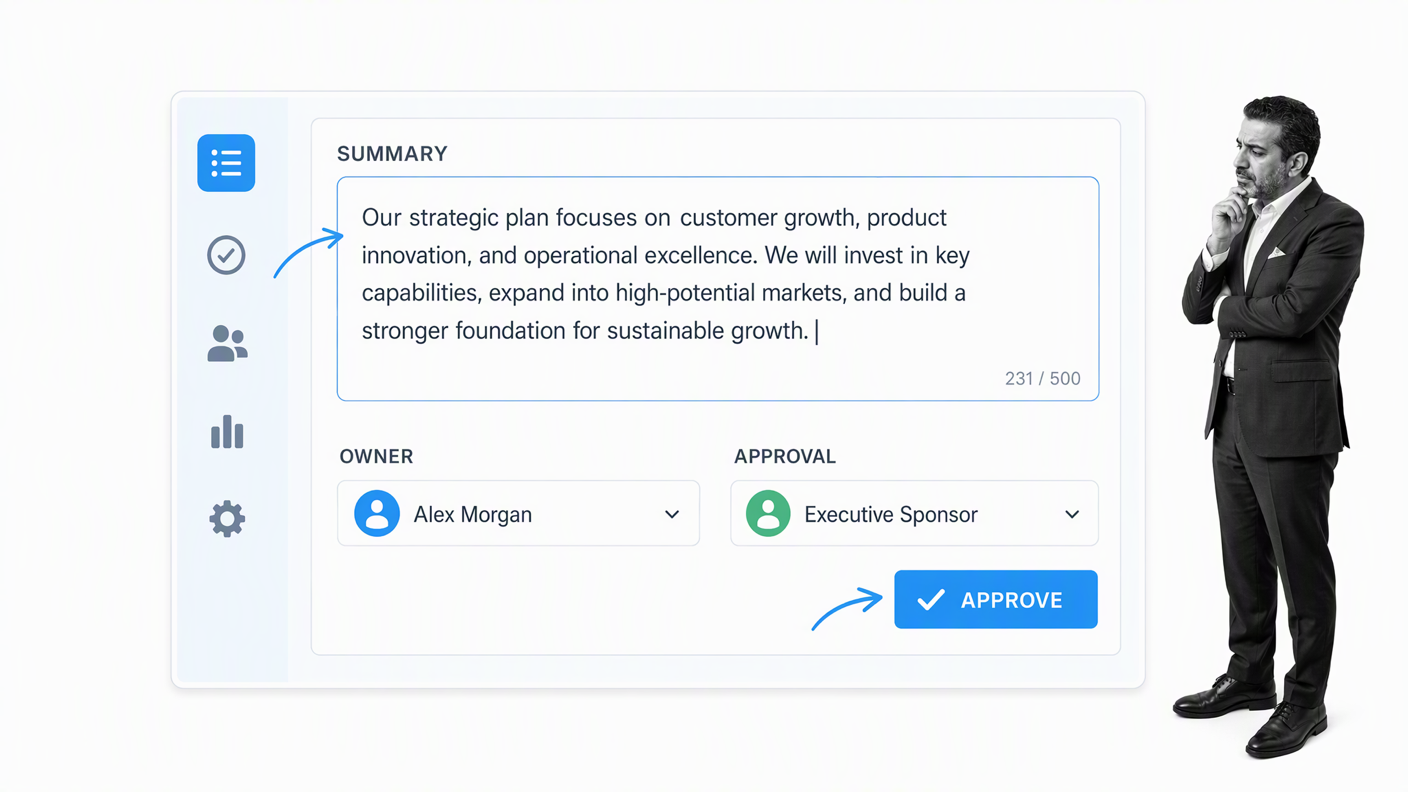
Data-driven approaches to strategy suggest that one to three well-defined KPIs per objective are often more effective than a long, disconnected list of metrics. This focus forces leaders to prioritize the most impactful drivers of success. Ultimately, the integration of strategic planning into a company’s operational platform ensures that the "vision" is never divorced from "execution." By treating strategy as a repeatable, auditable, and transparent process, businesses can move beyond the "set it and forget it" mentality that has plagued corporate planning for decades.
In conclusion, while the foundational theories of strategy remain rooted in long-term goal setting, the implementation of these goals has become increasingly technical and iterative. Organizations that leverage modern digital tools to maintain a disciplined cadence of review and adaptation are significantly better positioned to navigate the complexities of the 21st-century marketplace. By treating the strategic plan as a dynamic roadmap rather than a static document, leadership teams can ensure that every department remains focused on the core mission, effectively bridging the gap between strategic intent and operational reality.