The Death of the Town Square: How Elon Musk’s Acquisition Transformed Twitter and Accelerated the Push for Decentralized Social Media


The landscape of digital communication underwent a profound transformation following the high-profile acquisition of Twitter by billionaire entrepreneur Elon Musk. What began as a multi-billion-dollar corporate takeover in late 2022 quickly evolved into a sweeping restructuring of one of the world’s most influential public discourse platforms. The events surrounding the platform’s transition from a publicly traded company to a privately held entity—subsequently rebranded as X—have triggered widespread debate among technologists, sociologists, and digital rights advocates regarding the fragility of centralized social networks, the economics of free platforms, and the viability of decentralized alternatives like Mastodon and open-source federated protocols.

Chronology of the Acquisition and Platform Transformation
The sequence of events leading to the current state of digital discourse began in early 2022 when Elon Musk disclosed a major stake in Twitter, eventually offering to purchase the company outright for $44 billion. Following months of legal maneuvering, regulatory scrutiny, and public disputes over bot accounts and content moderation policies, the acquisition was finalized in October 2022.
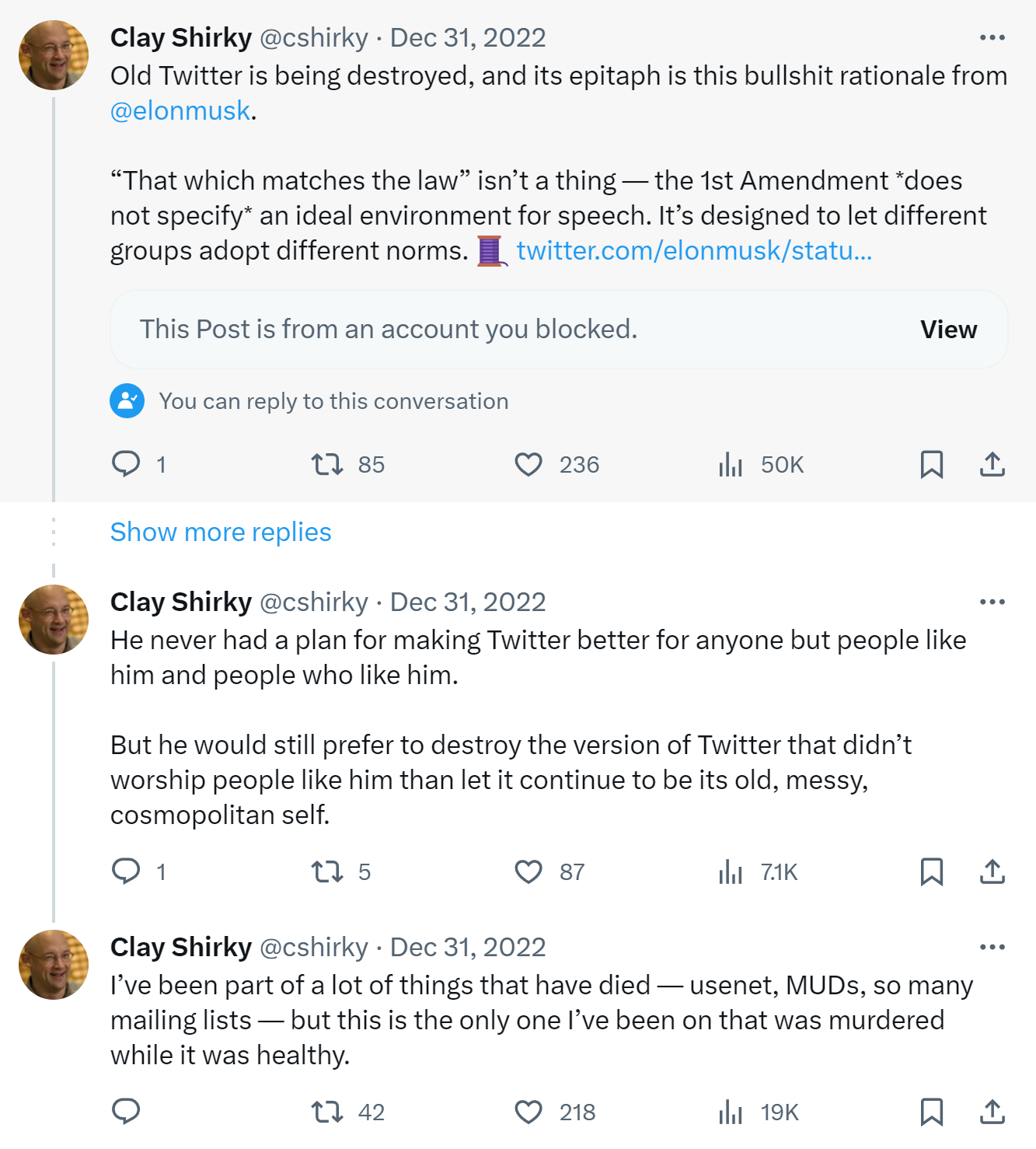
Immediately upon taking control, the new leadership initiated a series of dramatic operational changes. These included significant reductions in the global workforce, affecting core engineering, trust and safety, and public policy teams. Traditional verification systems—previously utilized to confirm the identity of public figures, journalists, and institutions—were dismantled and replaced with a subscription-based model. Furthermore, content moderation frameworks underwent a substantial shift, prioritizing a maximalist approach to free speech that critics argued weakened protections against hate speech, misinformation, and targeted harassment.

Background Context: The Evolution of Centralized Social Media
For nearly two decades, mainstream social media functioned largely on a centralized model. Platforms such as Twitter, Facebook, and Instagram acted as the de facto public squares of the twenty-first century, aggregating millions of users into proprietary ecosystems governed by private corporate policies and algorithmic engagement incentives.
Sociological and technological critics have long pointed out the inherent vulnerabilities of this model. When a single commercial entity controls the infrastructure of global communication, users effectively operate as digital sharecroppers, generating value and content while remaining entirely subject to the unilateral decisions of corporate leadership. The abrupt policy shifts, erratic management decisions, and alterations to algorithmic visibility observed under the Musk regime crystallized these concerns, prompting a mass reevaluation of digital dependency among long-term users, developers, and public intellectuals.
Industry Reactions and the Shift Toward Decentralization
The systemic changes implemented at Twitter accelerated a migration toward decentralized, open-source communication platforms. Protocols and networks built on federated architectures—most notably Mastodon and the broader ActivityPub ecosystem—experienced unprecedented surges in user adoption as individuals and organizations sought alternatives insulated from corporate whims and billionaire ownership.
Technologists and software architects have drawn parallels between the current evolution of web infrastructure and earlier decentralized paradigms, such as email and Usenet. Proponents of federation argue that distributing network control across independent, interconnected servers prevents any single actor from enacting arbitrary platform-wide shutdowns, altering terms of service retroactively, or monetizing user data without consent.
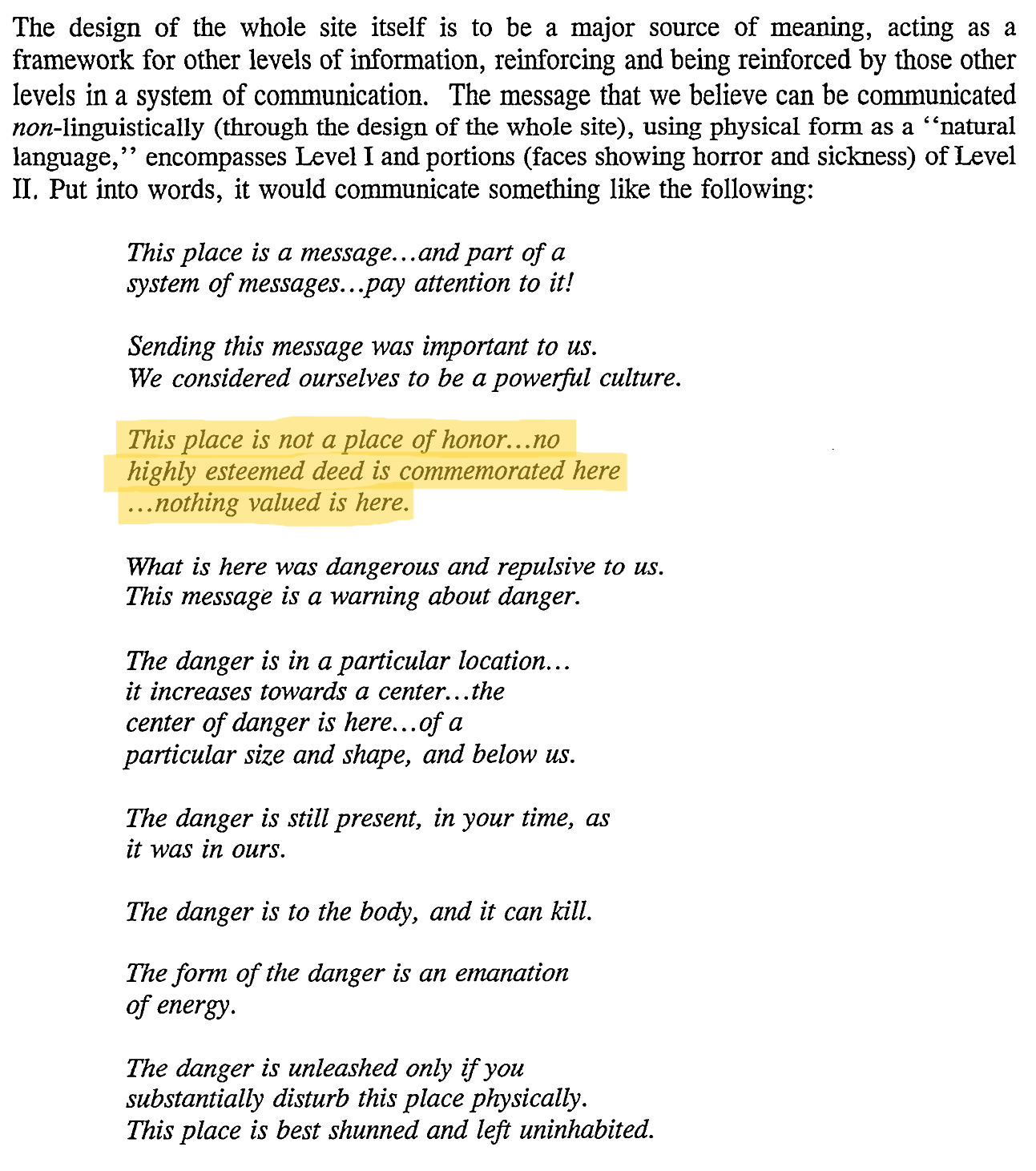
Critics of centralization emphasize that while open-source, federated networks present a steeper learning curve and a more fragmented user experience compared to legacy platforms, they offer a necessary safeguard against digital authoritarianism. Projects focused on community-owned moderation and transparent governance—such as Discourse and various ActivityPub-compliant services—have gained traction as viable models for sustainable online communities.
Economic Realities of Digital Platforms
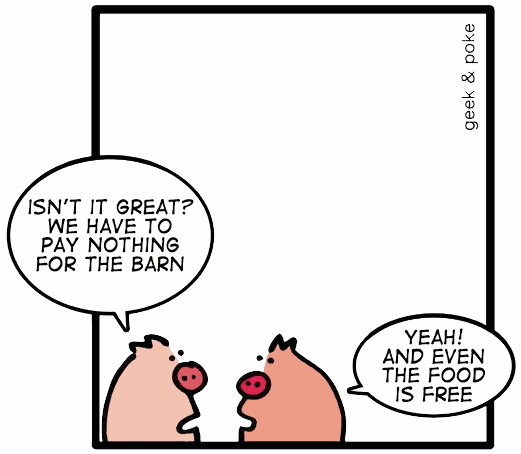
A central theme in the discourse surrounding the post-acquisition era is the economic illusion of "free" services. Mainstream social media platforms have historically operated on an advertising-driven business model, where user attention and personal data are commodified to generate revenue.
Analysts note that recent developments on platforms like X—such as the monetization of engagement, fluctuating advertising revenues due to brand safety concerns, and tiered subscription services—illustrate the hidden costs of relying on ad-subsidized infrastructure. Observers argue that true sustainability in digital communication requires acknowledging that online spaces incur real operational and moderation costs, which must be funded either through transparent subscription models, community crowdfunding, or collective ownership rather than surveillance capitalism.
Broader Impact and Implications for the Future of Discourse
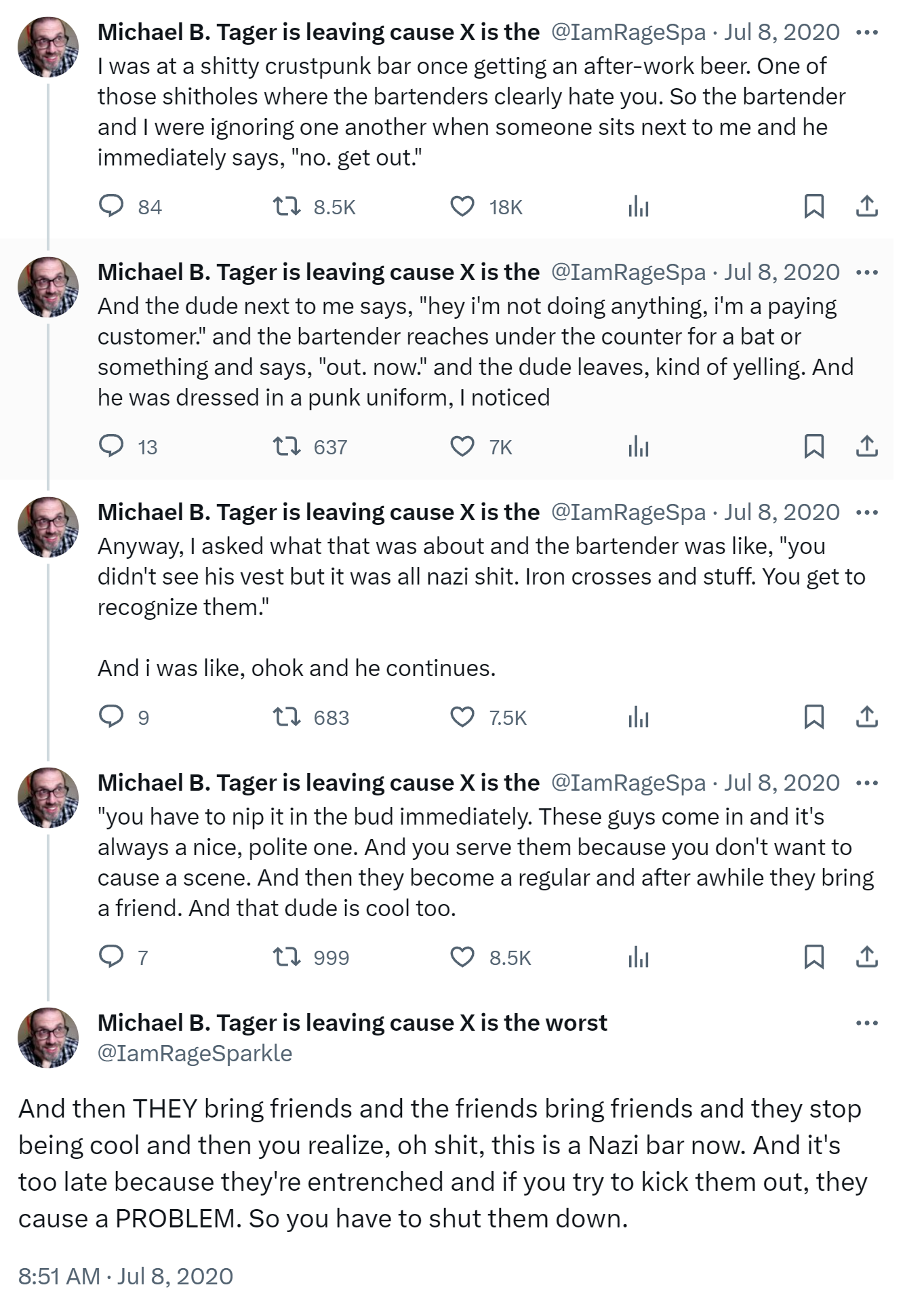
The transformation of Twitter serves as a watershed moment for internet governance and digital sociology. It has underscored the risks of vesting immense control over public discourse in the hands of autocratic corporate leadership. As regulatory bodies in the European Union and other jurisdictions increase scrutiny over content moderation and platform accountability, the digital ecosystem continues to fracture into competing ideological and technological enclaves.
The long-term implications of this shift remain unfolding. Whether federated networks will achieve mainstream critical mass or whether centralized platforms will adapt to regain user trust are questions central to the future of the internet. However, the events of recent years have permanently altered how civil society views the social contract of online spaces, cementing decentralization not merely as a niche technical preference, but as a fundamental pillar of digital resilience and democratic discourse.