Why Ranking First on Google No Longer Guarantees Citations in Artificial Intelligence Search Engines

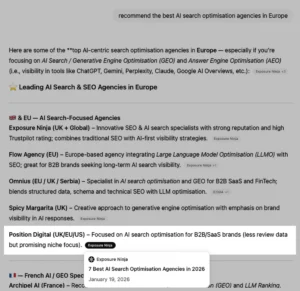
As search engines evolve into generative, conversational interfaces powered by large language models, digital marketing and search engine optimization professionals are confronting a major disruption in how web traffic is generated and distributed. Historically, a first-page ranking on traditional search engines like Google guaranteed a steady stream of visibility, clicks, and consumer traffic. However, recent industry data demonstrates that a high organic ranking does not automatically translate into citations or mentions within responses generated by artificial intelligence platforms such as ChatGPT, Perplexity, Claude, and Google AI Overviews.
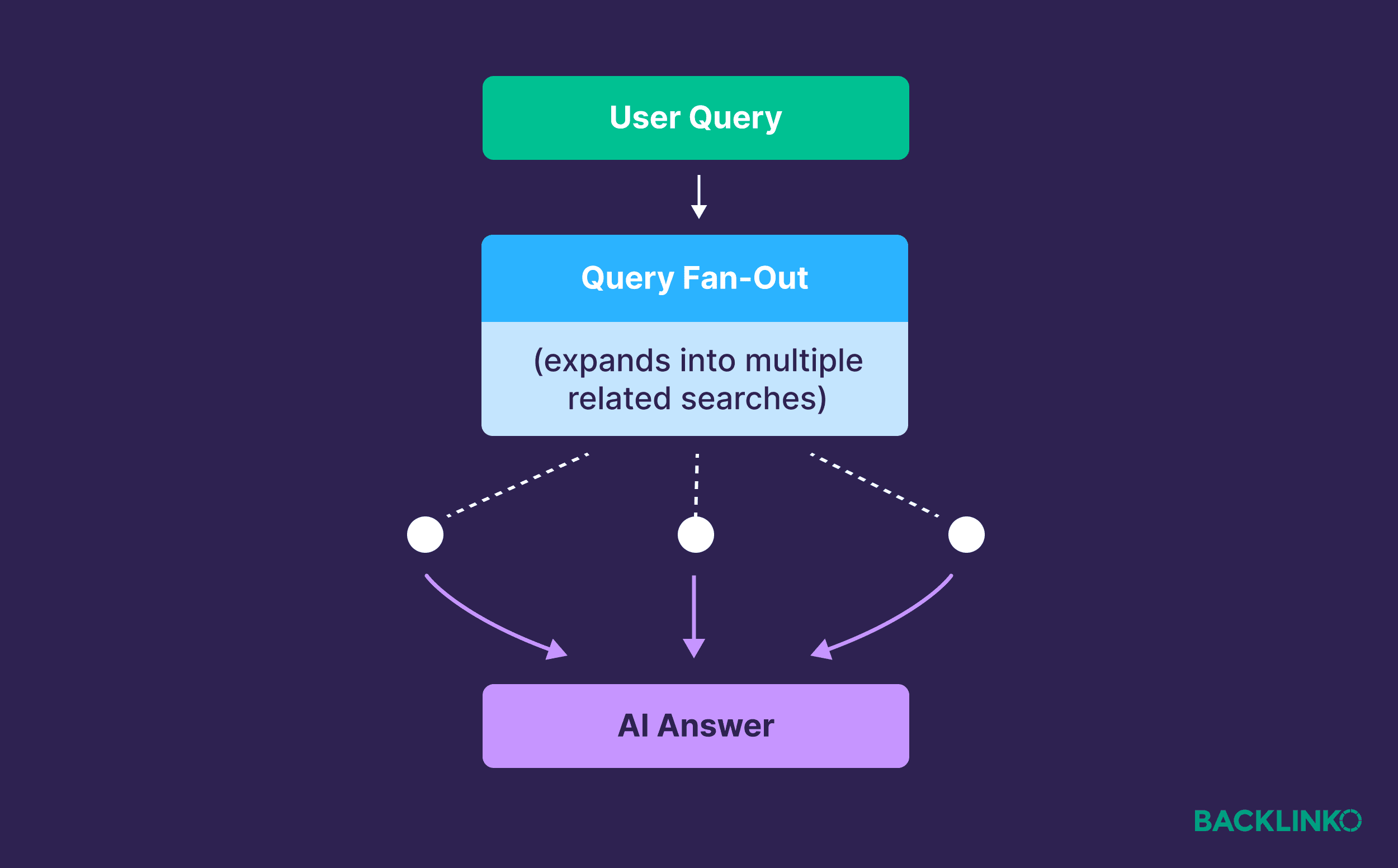
This growing disconnect between traditional search engine rankings and generative engine visibility can be traced to a core engineering mechanism known as query fan-out. Understanding this background process is essential for brands seeking to remain discoverable in an ecosystem where generative engines synthesize comprehensive answers rather than merely pointing users to a list of external web links.
Understanding Query Fan-Out and the Mechanics of AI Synthesis
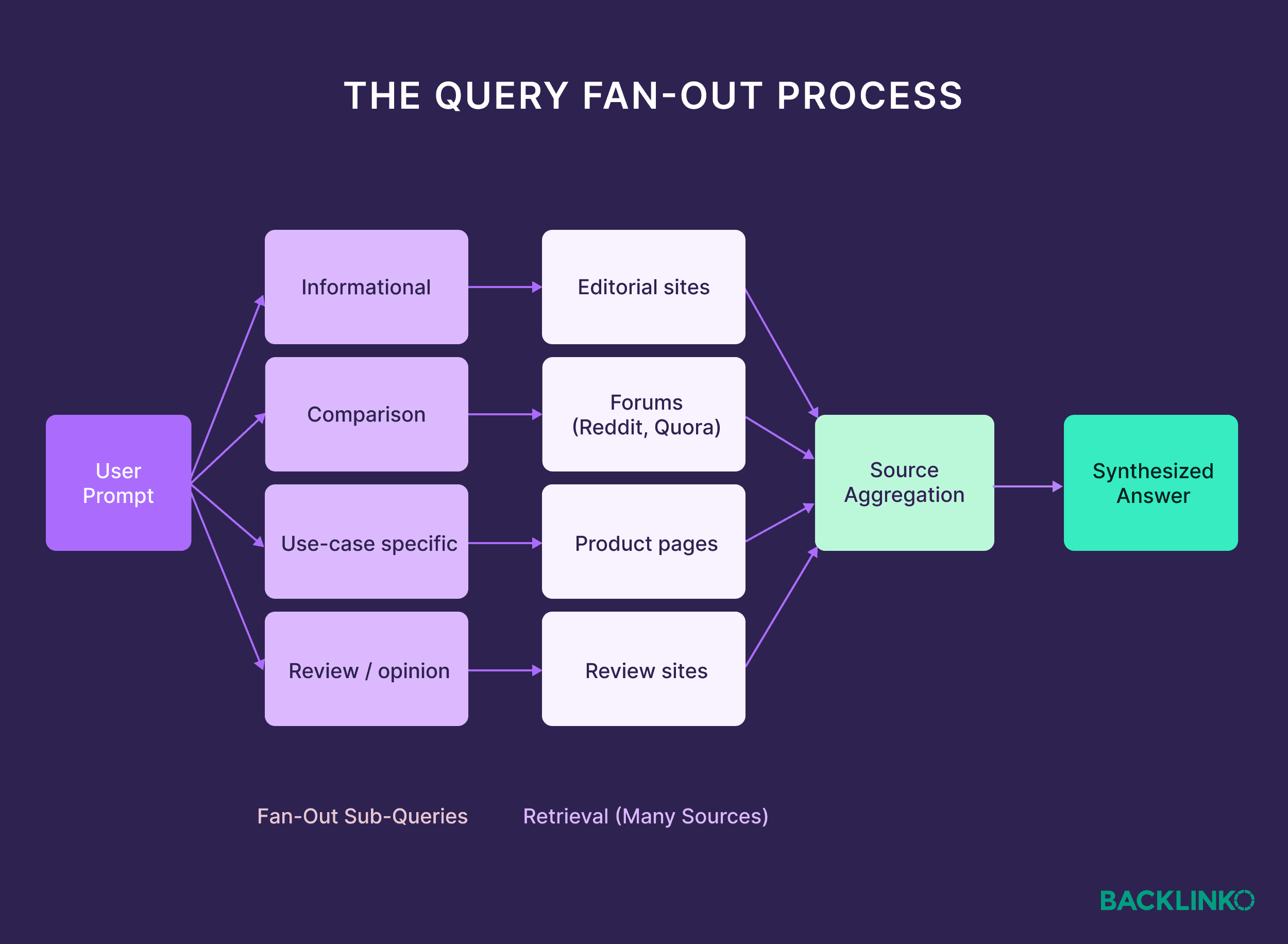
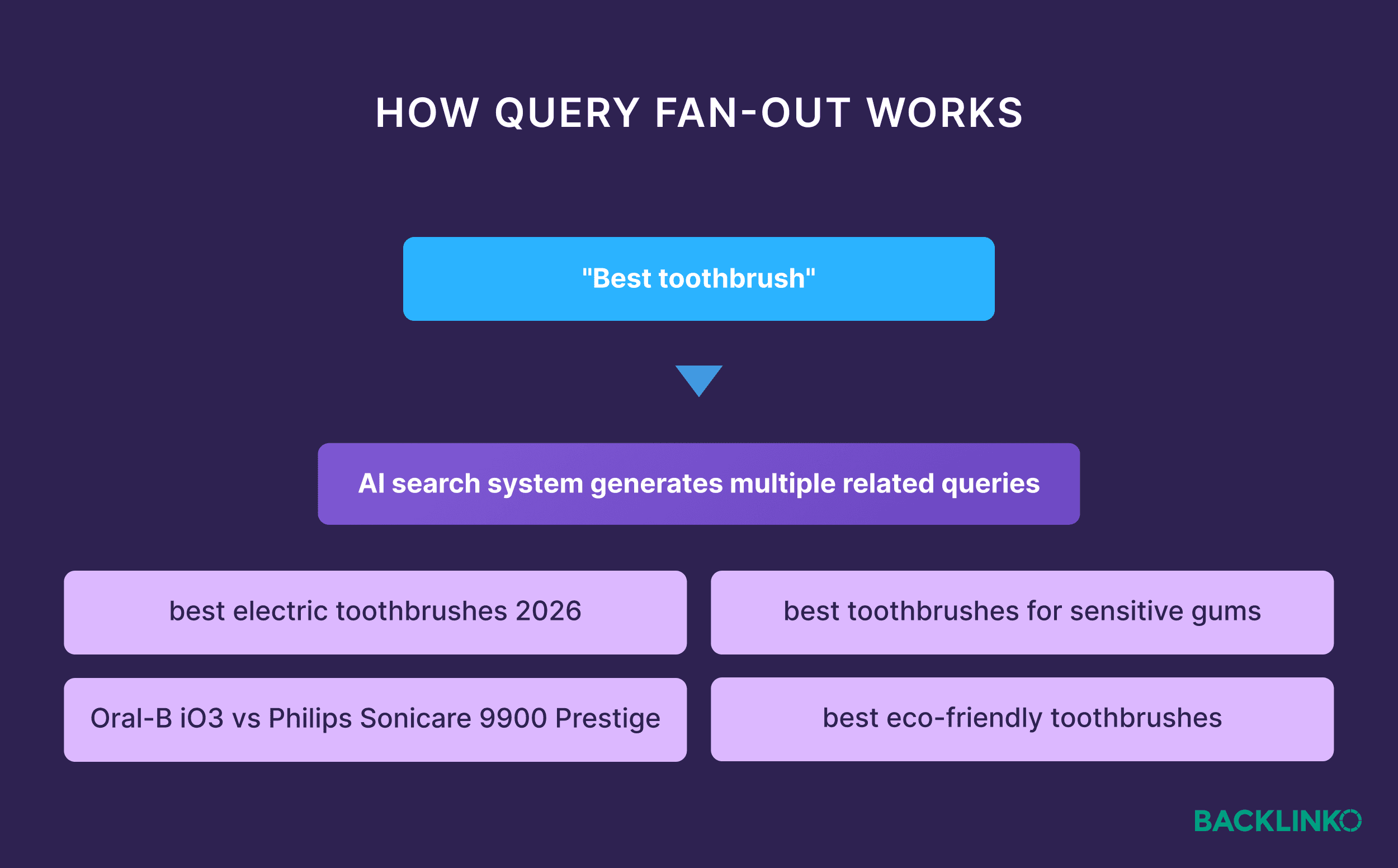
Query fan-out is a background computational process utilized by modern artificial intelligence systems to break a single, broad user prompt into multiple related sub-queries. Rather than relying on a direct match to the user’s initial input, the generative engine expands the request into a series of detailed sub-questions to construct a thorough, multifaceted response.
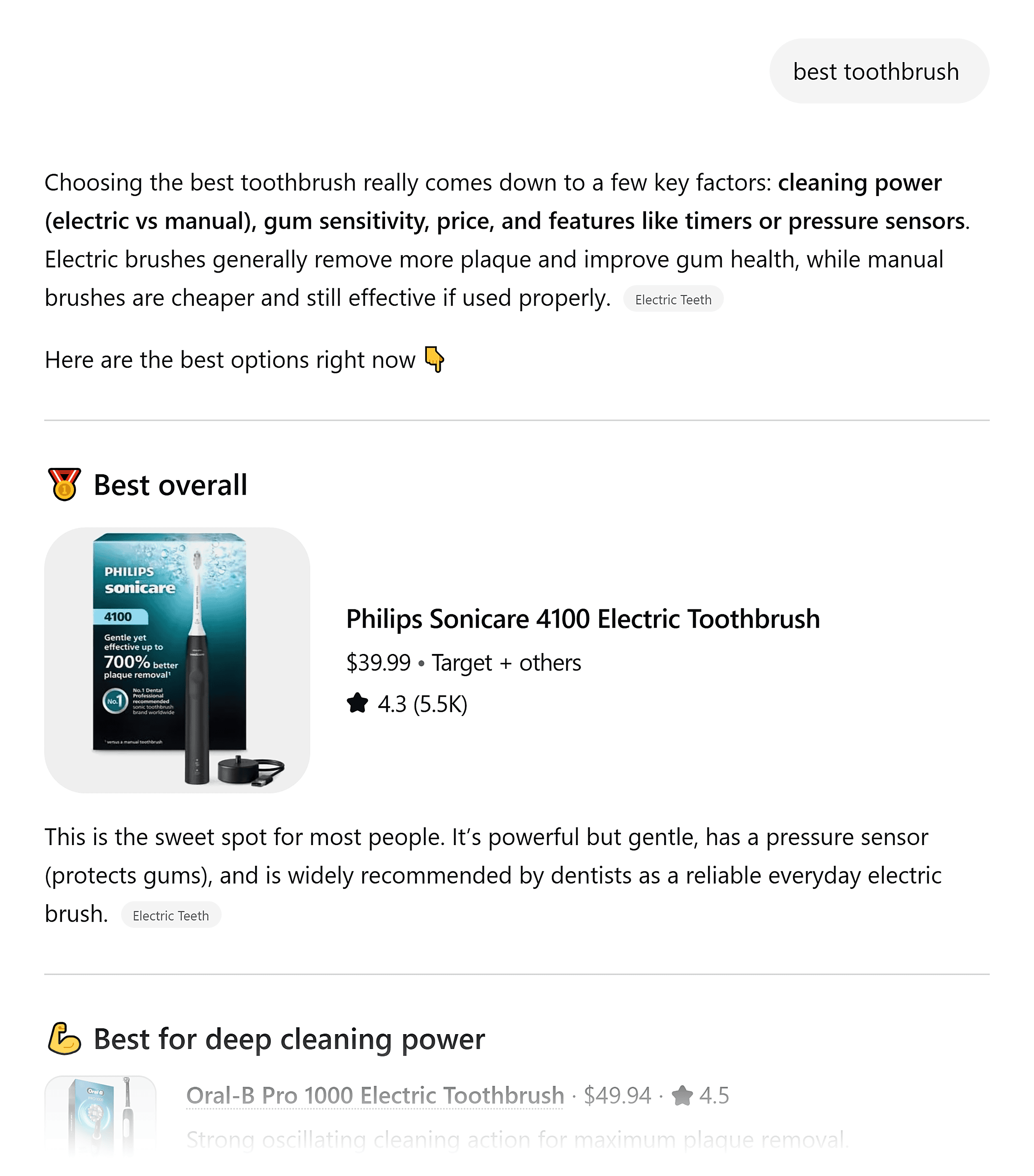
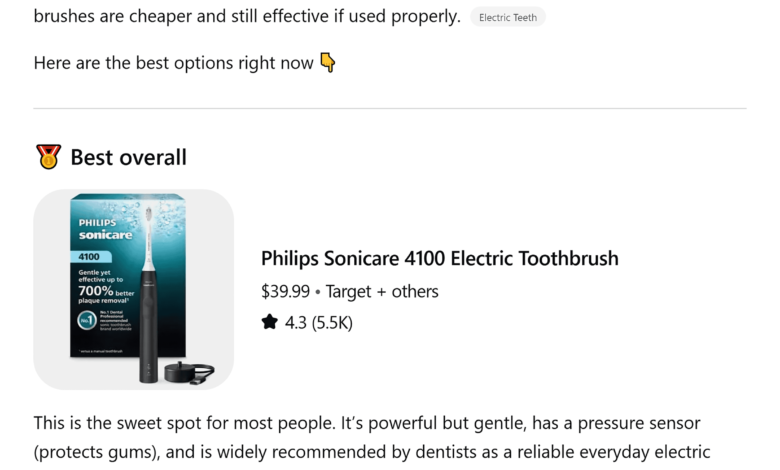
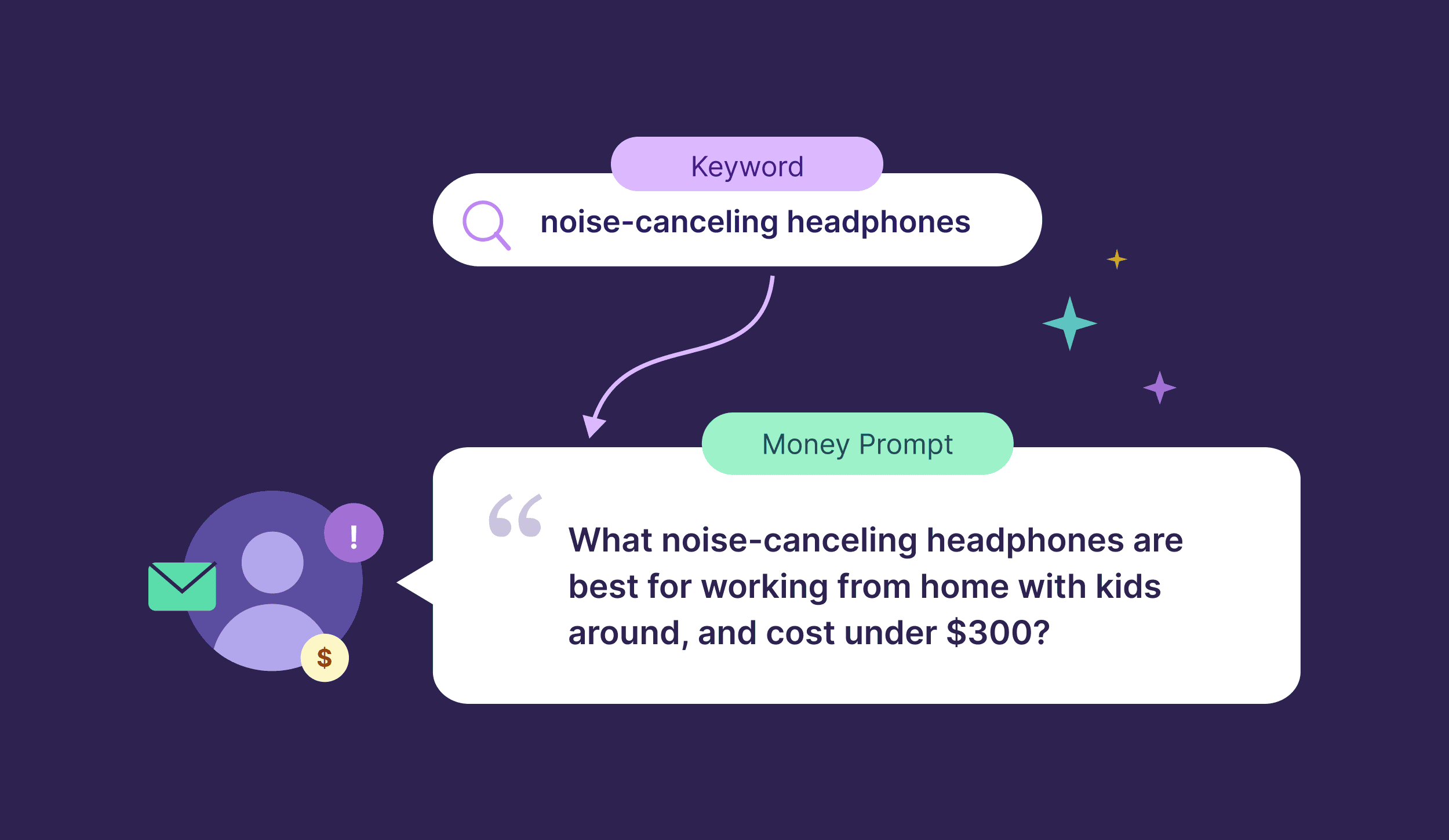
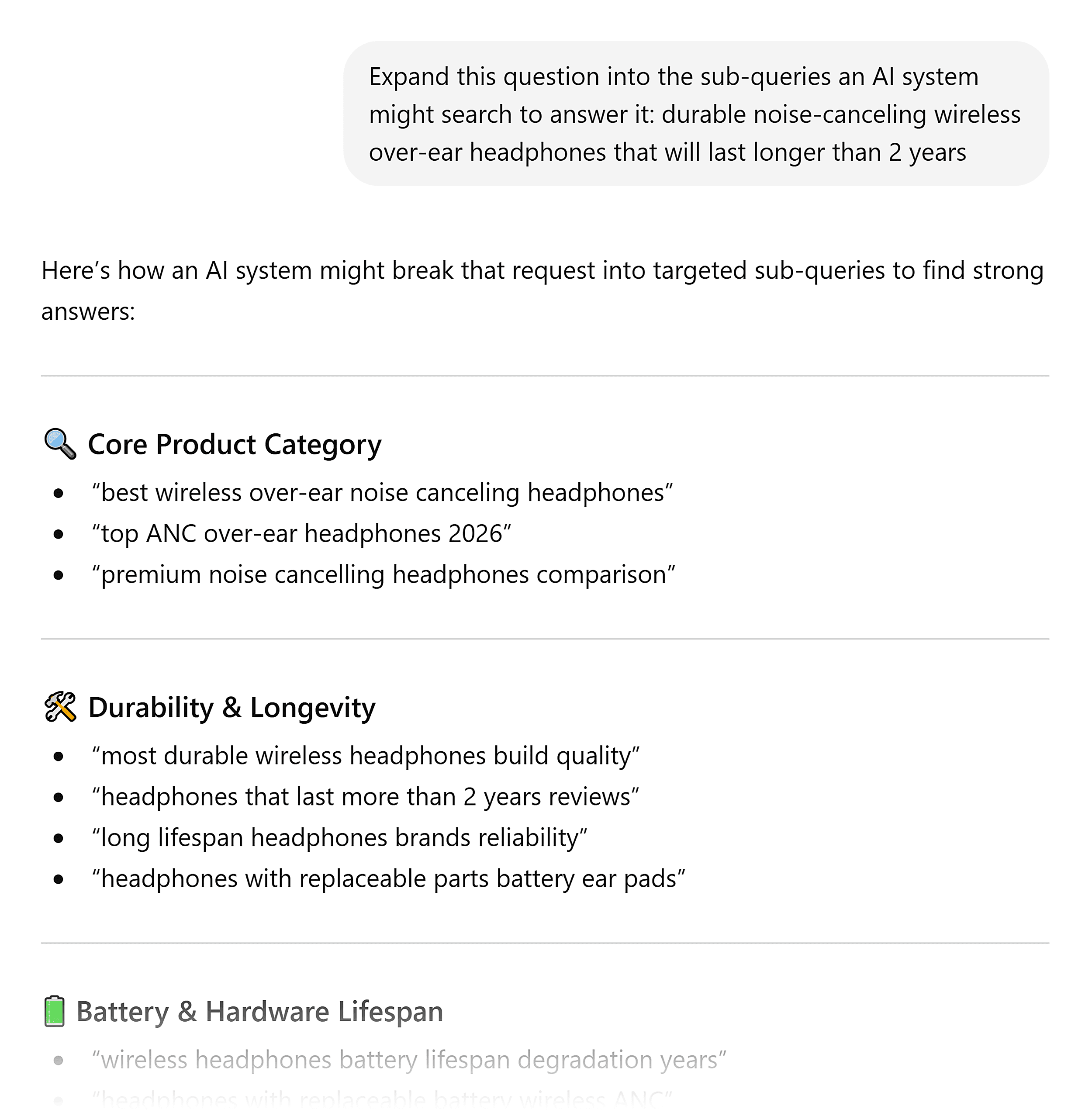
For instance, when a user submits a broad conversational prompt such as "best toothbrush" or "what noise-canceling headphones should I buy," the underlying large language model does not simply scan the top three ranking links for that specific phrase. Instead, it systematically generates dozens of hidden sub-queries behind the scenes. These sub-queries often explore comparative options, pricing parameters, niche use cases, and technical specifications.
The AI system then retrieves information from a diverse mix of sources, including traditional editorial publications, user-generated content from forums like Reddit, product specification pages, and comparative review databases. Finally, it synthesizes these disparate data points into a single, cohesive narrative. Because the system draws from the most reliable and contextually relevant source for each individual sub-query, a webpage residing outside the top organic positions can easily be extracted and cited if its specific passage answers a sub-query more effectively than a top-ranking traditional competitor.
Industry Data and the Shift Toward Passage-Level Retrieval
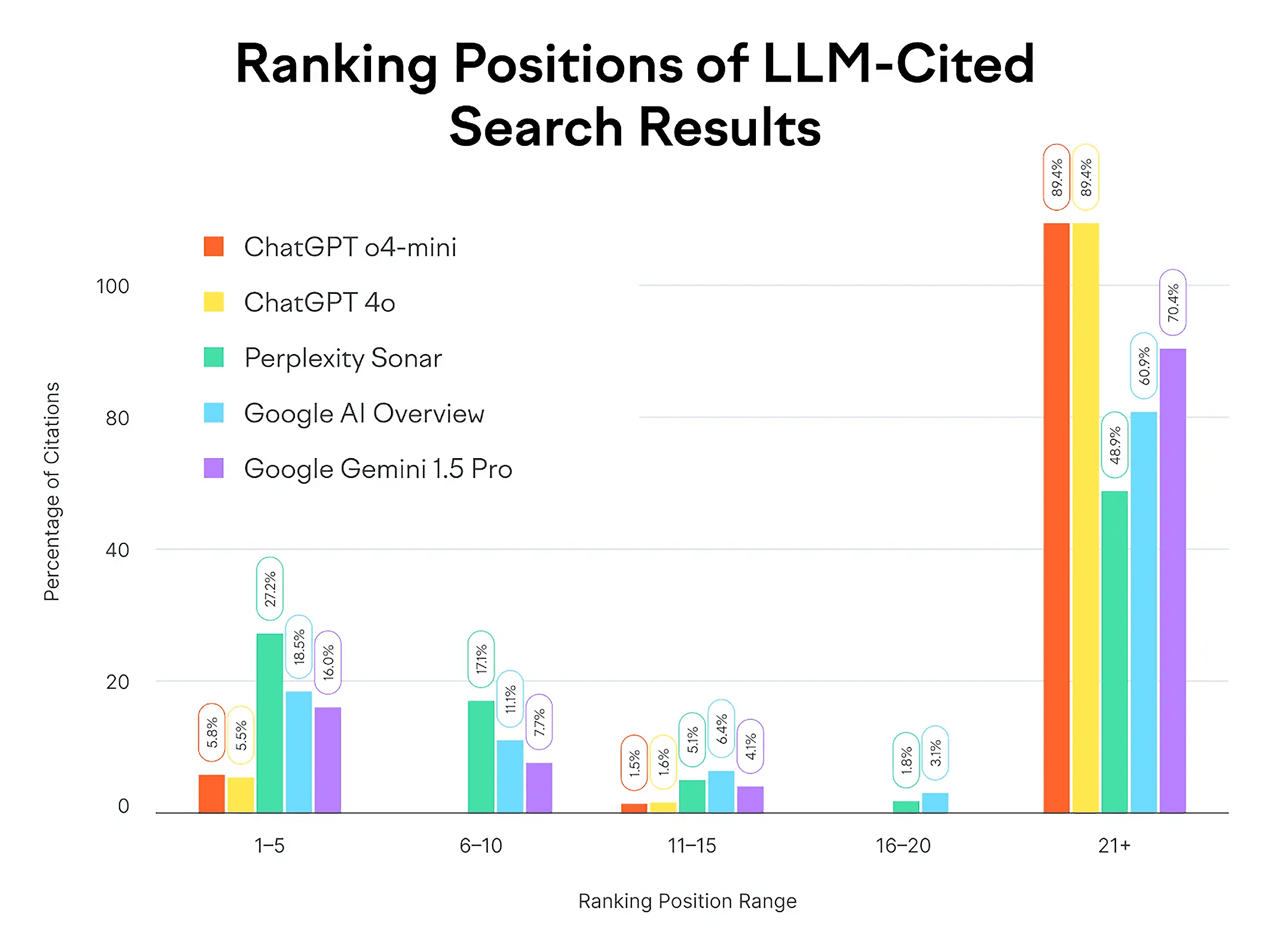
Empirical studies conducted by search industry analysts have underscored the reality of this paradigm shift. Data from comprehensive platform studies indicate that a significant majority of citations in generative engine responses originate from content positioned well beyond the first page of traditional search results—frequently pulling from ranking positions twenty-one and lower.
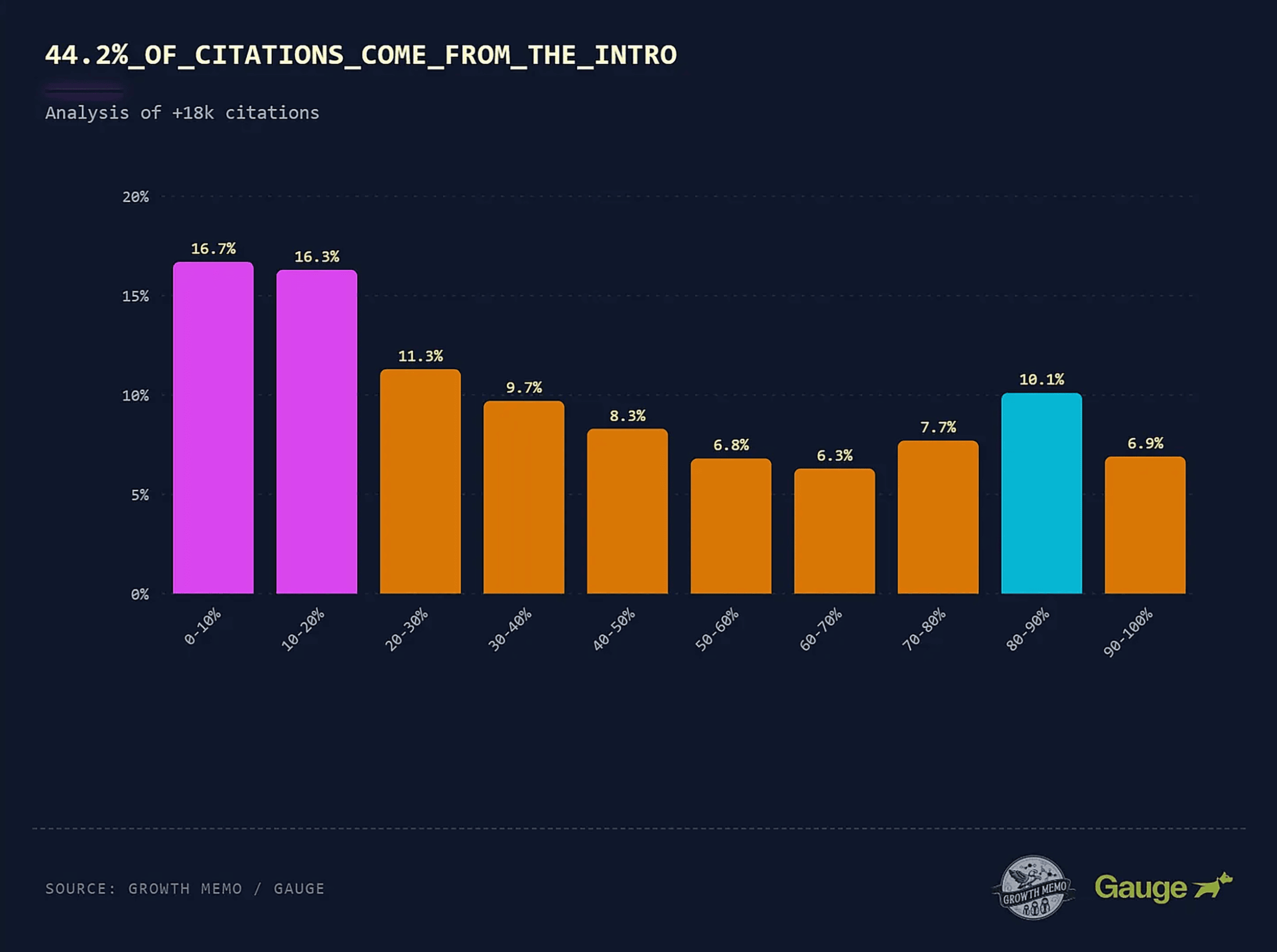
Furthermore, analysis of user attention and extraction patterns reveals that generative models do not evaluate pages holistically in the same manner as classical search engine crawlers. Instead, they operate via passage-level retrieval, scanning documents and extracting precise textual segments that directly resolve specific informational needs. Data compiled from millions of AI responses indicates that the vast majority of citations are pulled from the upper third of a webpage, emphasizing the critical importance of front-loading concise, definitive answers rather than burying core information deep within lengthy articles.
Implications for the Consumer Buying Journey

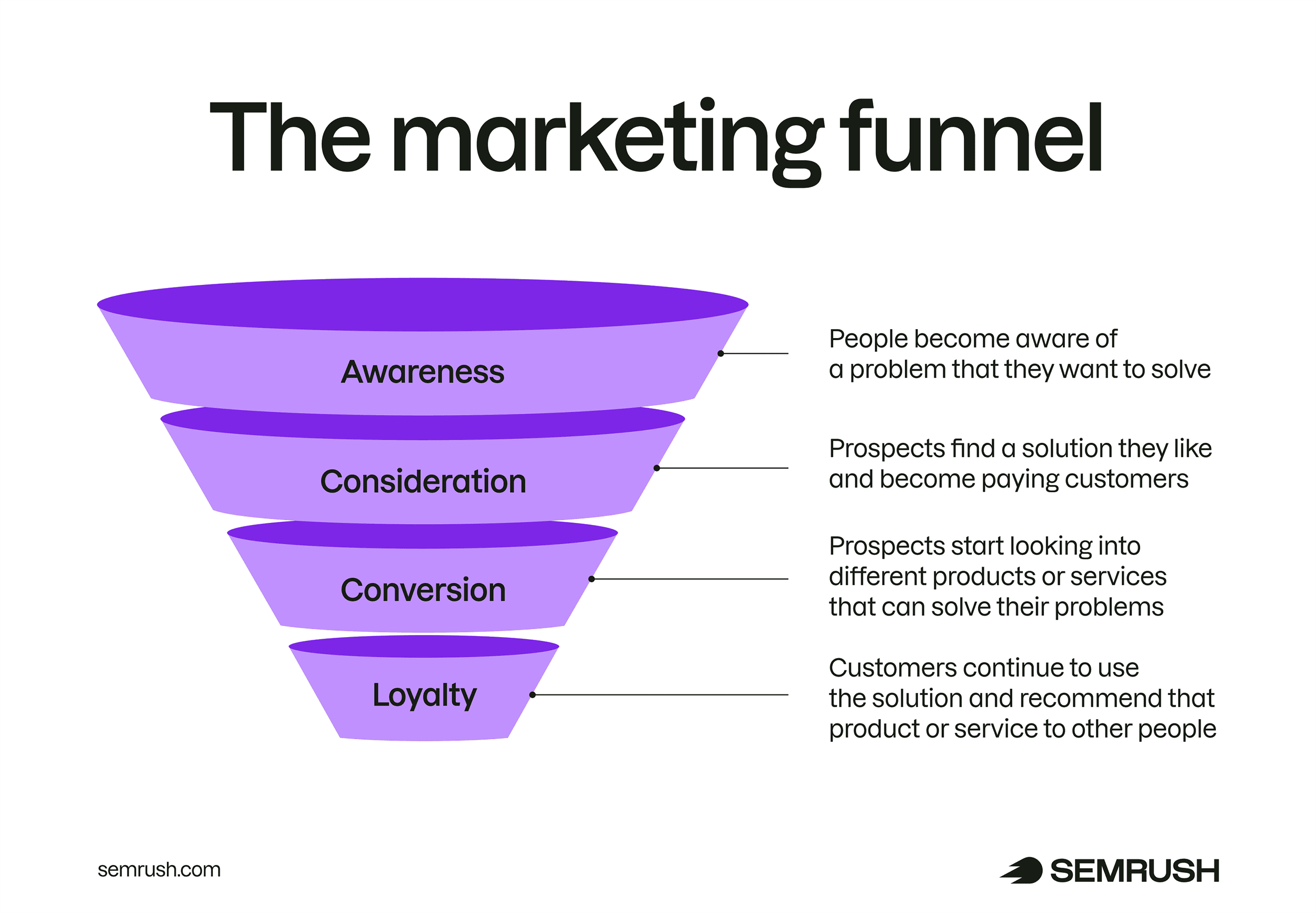
This technical evolution fundamentally compresses the traditional marketing funnel. For decades, digital marketers optimized their content strategies around a linear consumer journey consisting of distinct awareness, consideration, and decision stages. Brands maintained top-of-funnel blog posts for early research, mid-funnel comparison guides for evaluation, and bottom-of-funnel product pages for conversion.

Generative search collapses these distinct phases into a single, instantaneous interaction. Because query fan-out pulls awareness-level definitions, consideration-level comparisons, and decision-level pricing specifications into a unified conversational response, the entire purchasing journey can occur within seconds. Consequently, modern content must be structured to address multiple layers of user intent simultaneously, moving away from rigid keyword targeting toward comprehensive topical authority.
A Strategic Workflow for Maximizing Artificial Intelligence Visibility
To adapt to the dominance of query fan-out, digital strategists and content creators must adopt a systematic workflow designed to capture visibility across multiple sub-queries.
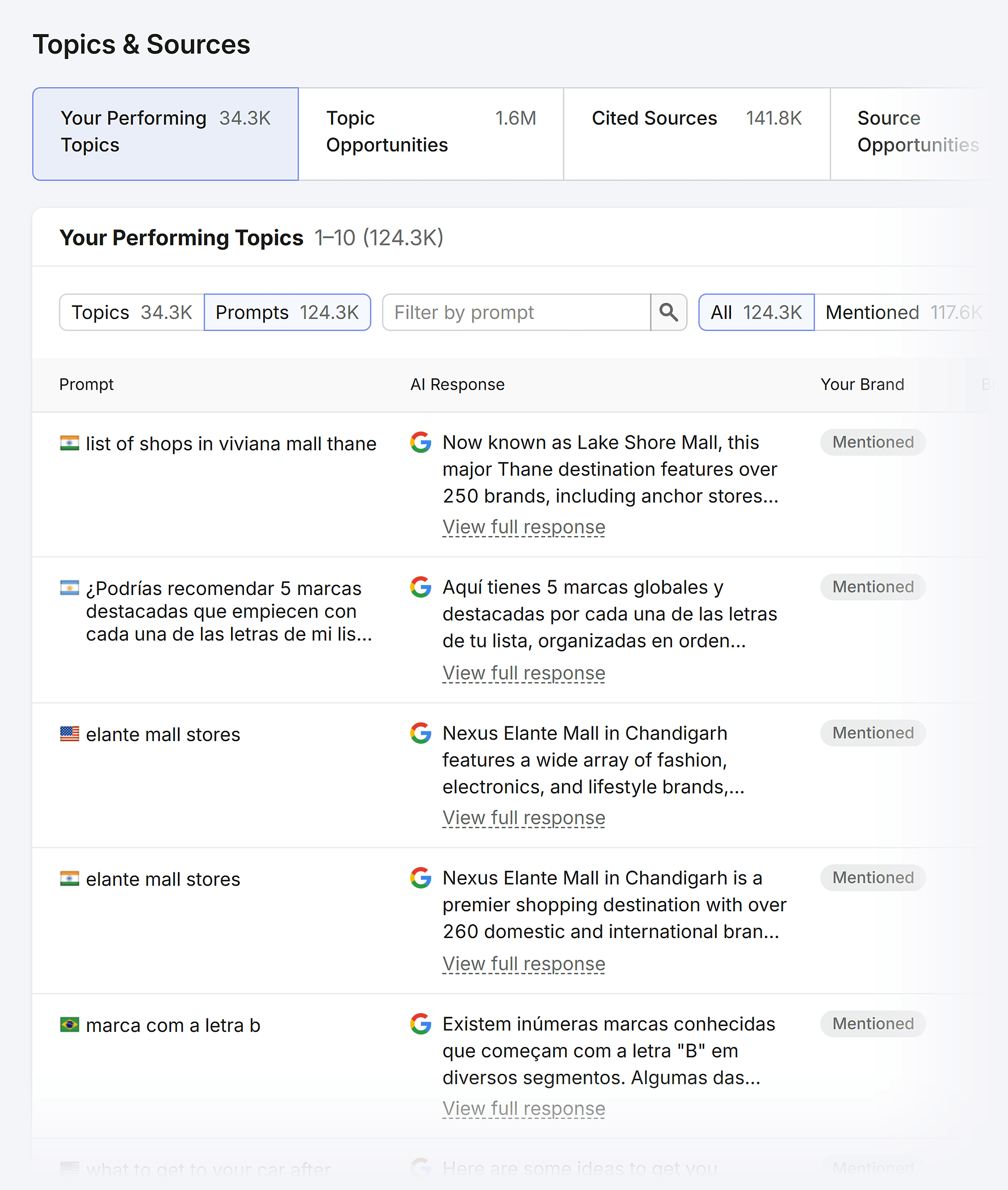
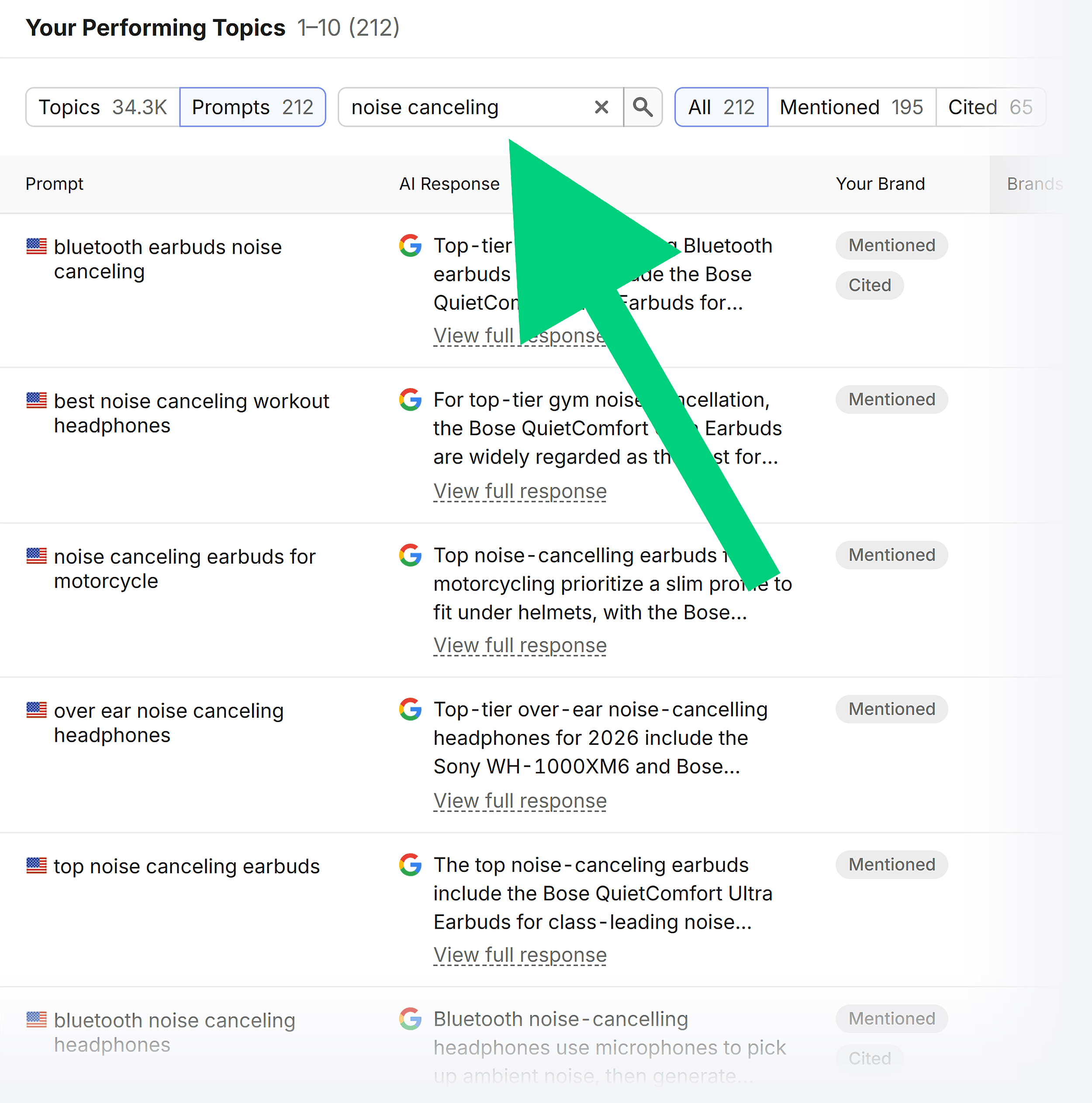
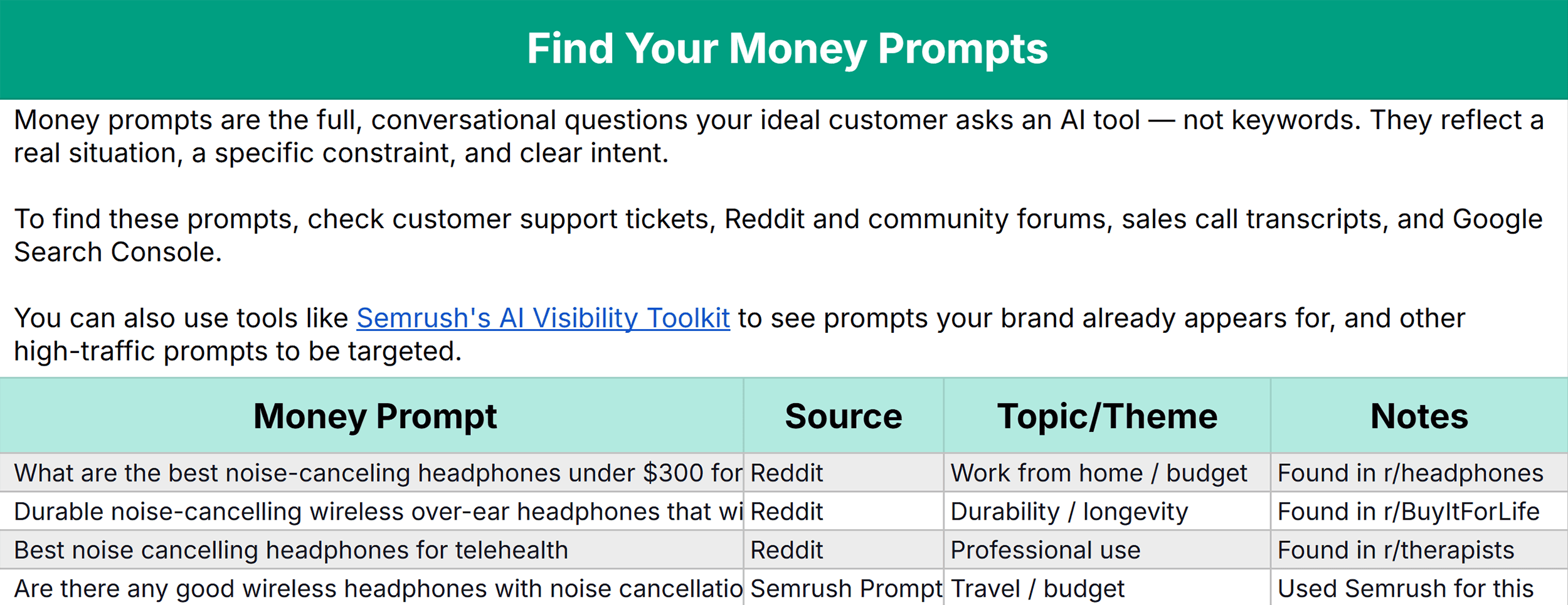
First, brands must identify their "money prompts." Unlike high-volume keywords, money prompts represent the long-tail, conversational questions that high-intent consumers pose to artificial intelligence platforms when seeking solutions. Analyzing industry-specific forums, customer service transcripts, and dedicated AI visibility analytics platforms helps uncover these high-value prompts.
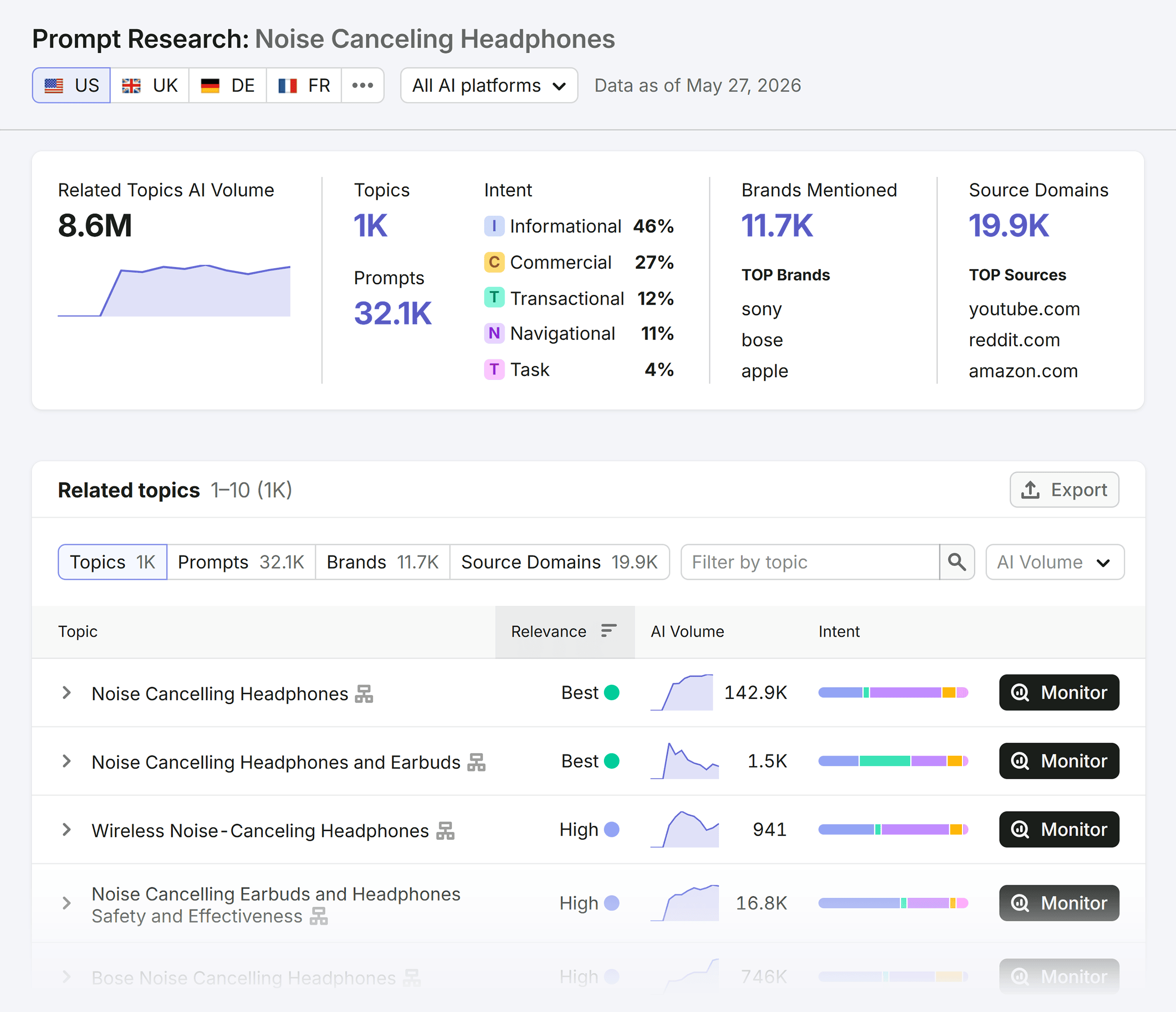
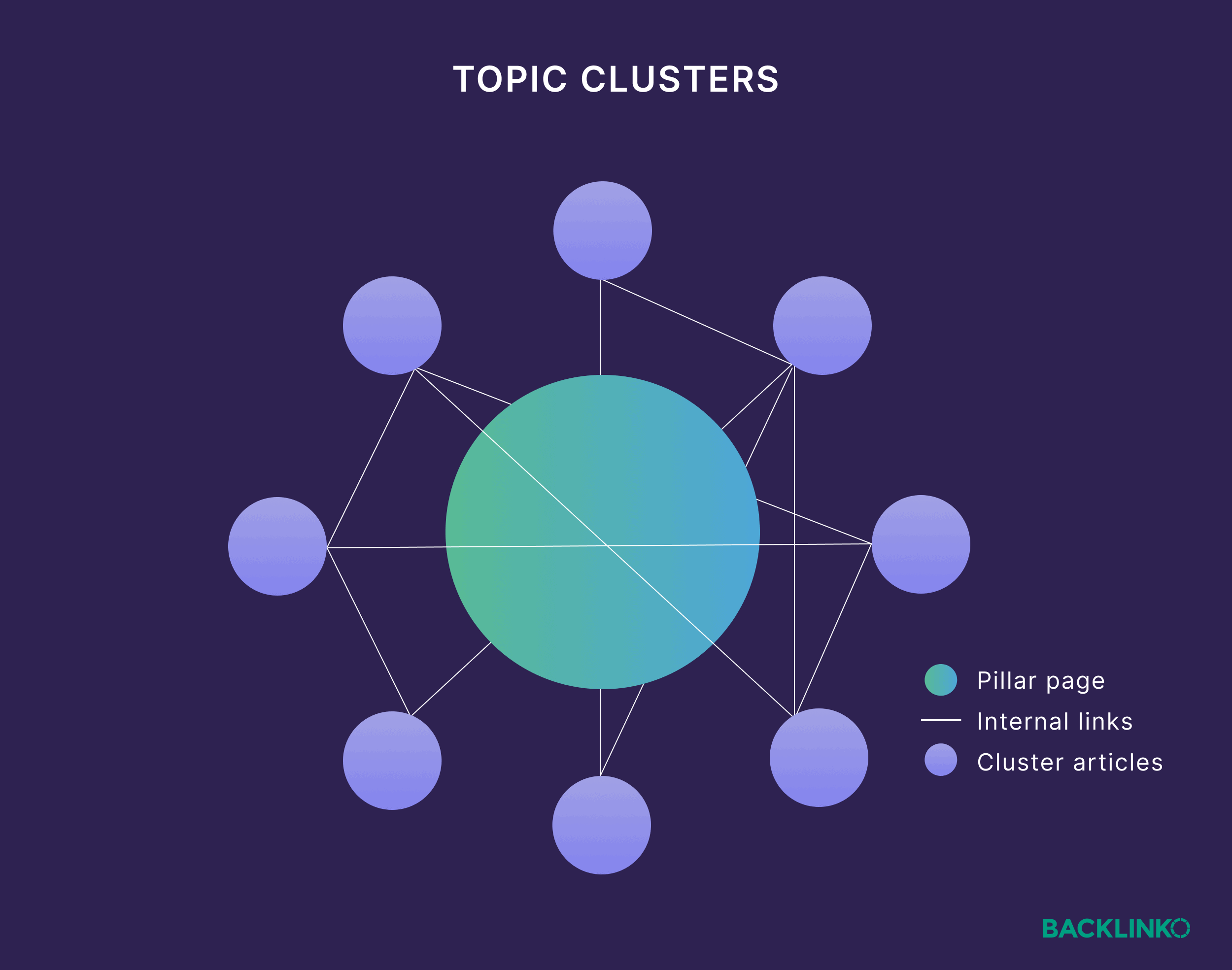
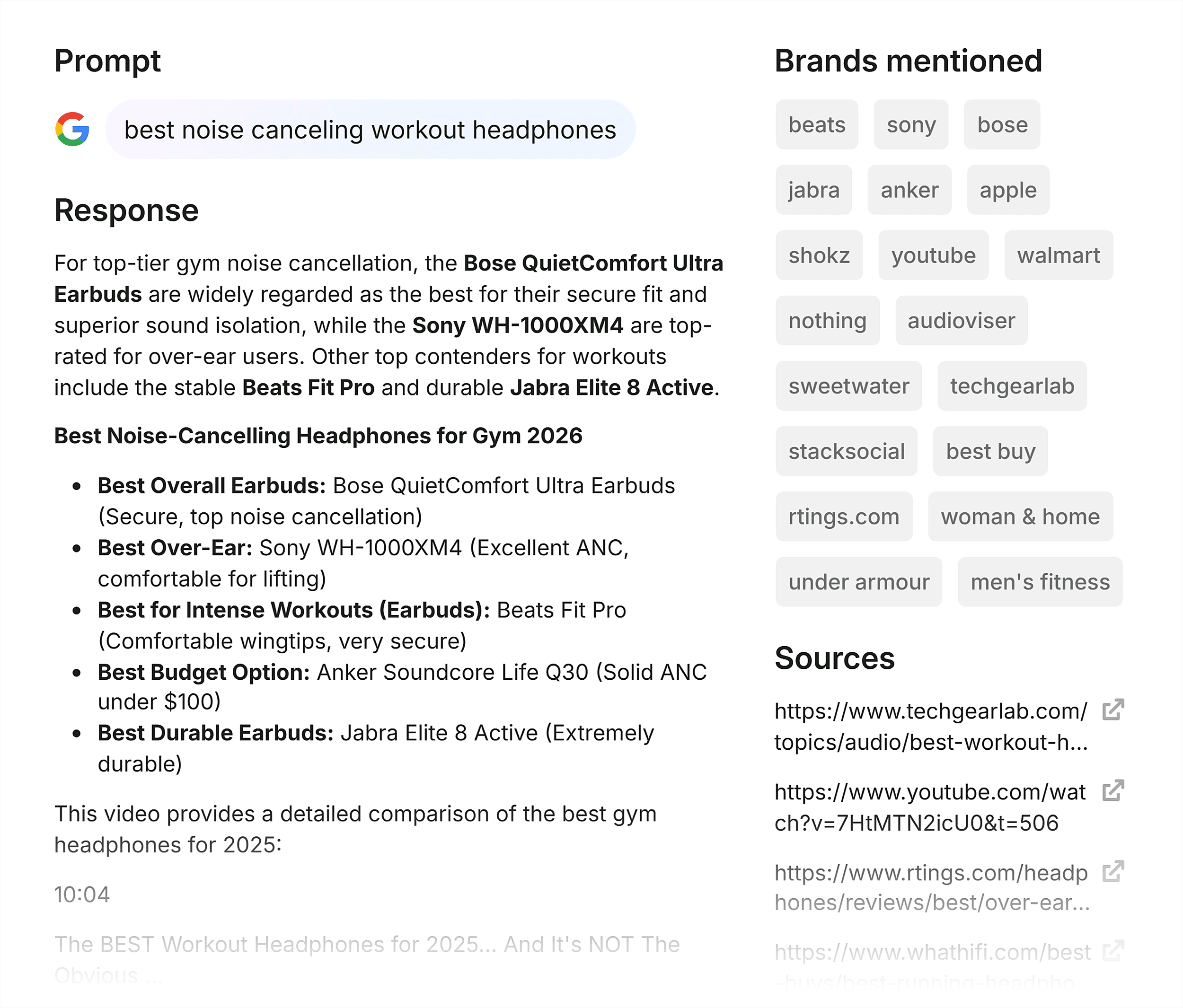
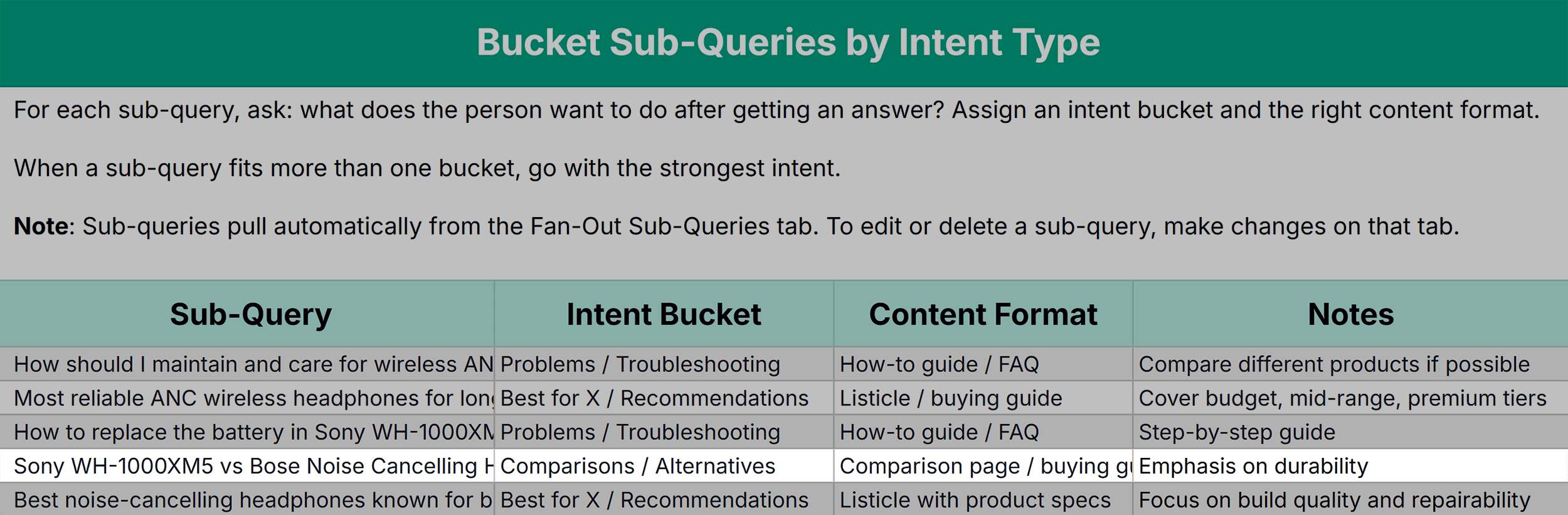
Second, content creators should map out the corresponding fan-out set for each money prompt. By examining how artificial intelligence systems expand a primary topic into secondary sub-topics—such as technical specifications, troubleshooting guides, pricing tiers, and direct product comparisons—organizations can identify critical content gaps on their websites.
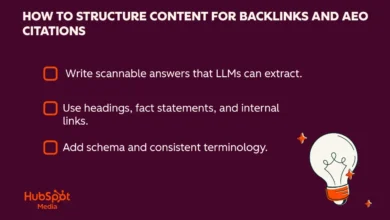
Third, existing content must be audited and restructured to facilitate easy extraction by automated systems. This involves organizing key data points into scannable elements, utilizing structured comparison tables, and placing definitive answers early within the document structure. By ensuring that individual passages can stand alone and provide immediate value without requiring surrounding context, brands significantly increase their probability of being retrieved and cited by large language models.
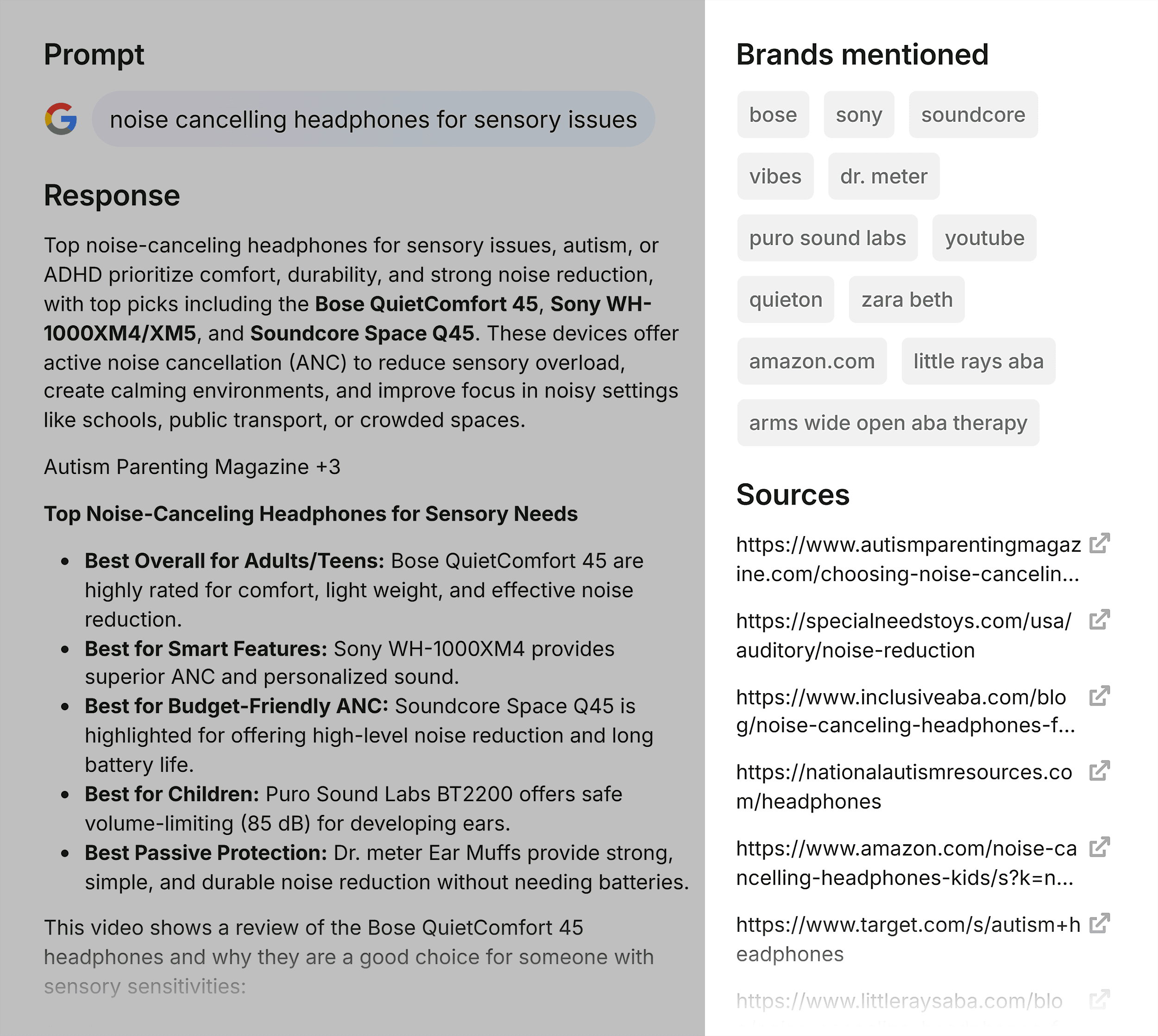
Finally, ongoing performance measurement is vital. Because generative engine responses can fluctuate based on continuous model updates and shifting user behavior, maintaining visibility requires regular monitoring of brand mentions, sentiment analysis, and citation sources across multiple platforms.
Broader Industry Implications and Future Outlook

The rise of query fan-out represents a structural maturation of digital discovery. As consumers increasingly rely on conversational interfaces to make purchasing decisions, the traditional metrics of search engine optimization—such as pure backlink volume and superficial keyword density—are losing their absolute predictive power over visibility.
Brands that successfully transition toward structured, comprehensive, and extraction-friendly content architectures will secure a distinct competitive advantage. By aligning content strategies with the multi-dimensional retrieval methods of artificial intelligence engines, organizations can ensure their expertise remains visible and authoritative in an increasingly automated information economy.