Maximizing Construction Profitability: The Critical Role of the Work in Progress (WIP) Report and Modern Project Management

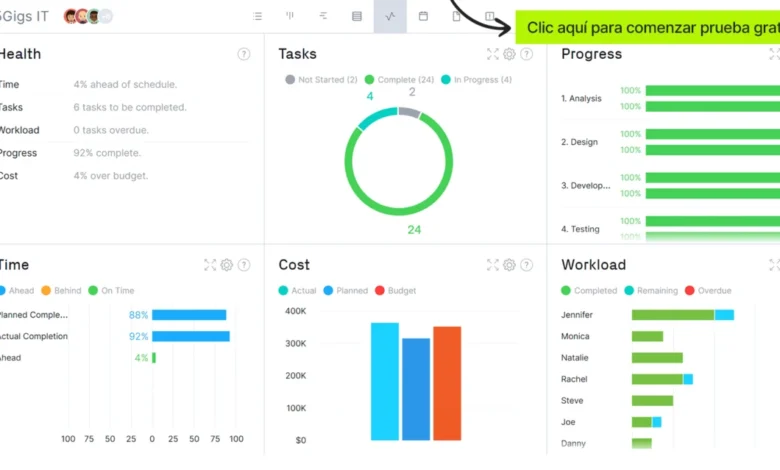
In the fast-paced and high-stakes world of commercial and residential construction, general contractors face constant pressure to safeguard their profit margins. With supply chain volatility, fluctuating labor costs, and tight delivery schedules threatening the financial health of modern builds, rigorous financial oversight has become a non-negotiable operational standard. At the center of this financial monitoring framework sits the Work in Progress (WIP) report, a foundational accounting and project management instrument that empowers construction leaders to track budgets, measure actual progress against contractual expectations, and protect their bottom lines before minor variances cascade into major financial losses.
Understanding the Mechanics of Work in Progress in Construction
To fully grasp the utility of a WIP report, industry professionals must first understand the concept of work in progress within construction accounting. WIP refers to the valuation of construction labor, materials, and overhead that has been officially completed on a job site but has not yet been formally billed to the client. This metric serves as a vital financial pulse check, giving general contractors absolute clarity regarding a project’s true profitability at any given juncture in its lifecycle.
In practice, construction timelines rarely unfold with absolute perfection. Projects frequently encounter unexpected delays, scope modifications, or accelerated phases that skew labor expenditures. Without a reliable mechanism to evaluate completed milestones versus consumed capital, contractors run the risk of catastrophic budget overruns. For example, if a high-rise commercial development is precisely 50 percent complete according to physical milestones, yet financial audits reveal that 75 percent of the total project budget has already been exhausted, a severe over-budget trajectory is virtually guaranteed. Identifying this discrepancy early through systematic tracking allows project managers to intervene immediately—adjusting resource deployment, renegotiating sub-contracts, or modifying workflows to steer the enterprise back toward profitability.

Defining the WIP Report and Its Financial Implications
A WIP report is a comprehensive financial document utilized primarily by general contractors, developers, and construction executives to monitor job costs, calculate percentage-of-completion figures, and evaluate overall fiscal health. Beyond internal budget control, this report carries significant weight for external stakeholders, including commercial lenders, bonding companies, and financial auditors who require transparent metrics to assess a construction firm’s stability and borrowing capacity.
A critical function of the WIP report is its ability to track overbilling and underbilling, directly influencing a contractor’s cash flow cycle. Overbilling occurs when a contractor collects more capital from a client than the actual value of the work completed to date. While this provides a temporary cash influx, it represents a liability on the balance sheet. Conversely, underbilling happens when work is performed and expenses are incurred, but the client has not yet been billed for the corresponding value. Underbilling suppresses cash flow and places an immediate strain on company liquidity. Maintaining a precise WIP report bridges this gap, ensuring that billing schedules align meticulously with project delivery.
The Chronology and Frequency of WIP Reporting
Historically, construction accounting treated financial reporting as an end-of-year or quarterly obligation. However, modern industry standards demand real-time visibility. The lifecycle of a WIP report begins at the pre-construction phase, where initial estimates establish the baseline financial targets for labor, materials, and equipment.
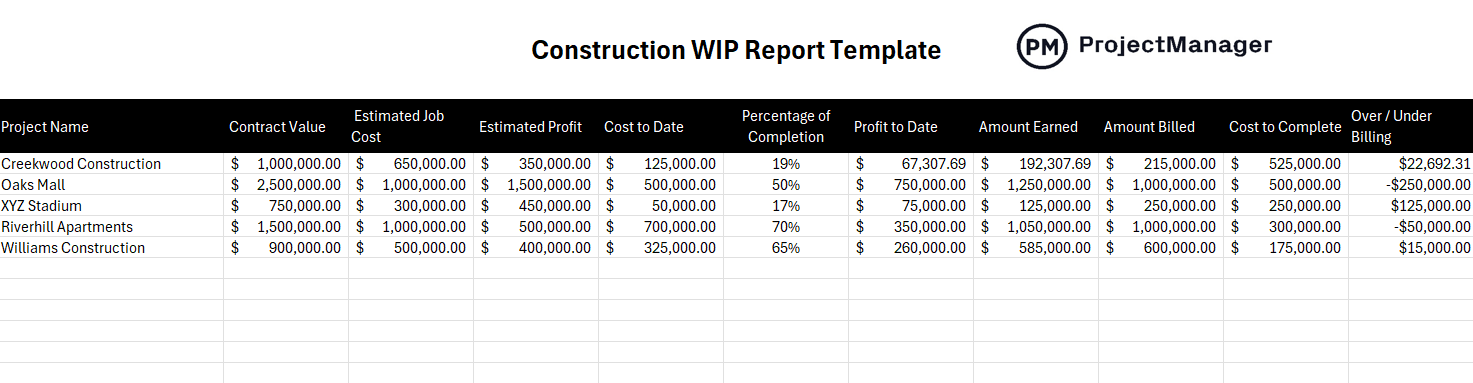
However, generating a WIP report a single time during project kickoff is entirely inadequate. Construction sites are dynamic, high-velocity environments where variables shift daily. Industry best practices dictate that general contractors update and review WIP reports continuously—typically on a monthly basis—throughout the duration of the build. Regular updates ensure that project managers maintain absolute control over the critical path schedule and financial contingencies. When paired with advanced digital tools, such as secure time-tracking software and automated labor costing systems, WIP reports transform from static historical records into proactive predictive instruments. Modern platforms allow field crews to log hours directly from the job site, feeding real-time labor data into the accounting department and eliminating the lag time that traditionally obscured budget overruns.
Core Components of an Effective Construction WIP Report
For a WIP report to serve as a reliable foundation for corporate decision-making, it must synthesize several critical data points into an organized, readable format. Industry-standard WIP reports typically incorporate the following essential elements:
- Contract Identification: The official project name, identification number, and client details.
- Total Contract Amount: The finalized agreed-upon price of the construction contract, including any approved change orders.
- Estimated Total Cost: The projected total expense required to complete the entire scope of work.
- Costs Incurred to Date: The actual expenditures—encompassing labor, materials, equipment rentals, and subcontractor fees—spent up to the reporting date.
- Percentage of Completion: The ratio of costs incurred to date versus the estimated total cost, or physical completion metrics evaluated by project engineers.
- Earned Revenue: The calculated revenue the contractor is entitled to recognize based on the percentage of work completed.
- Billings to Date: The total amount actually billed to the client for the project thus far.
- Remaining Costs: The projected capital required to finish the remaining scope of work.
- Gross Profit Projections: The anticipated profit margin based on current financial trajectories, highlighting variances between projected and actual earnings.
Strategic Benefits of Utilizing WIP Reports
The implementation of regular WIP reporting yields profound operational and strategic advantages for construction firms navigating volatile market conditions. Foremost among these is financial accuracy. By instituting a systematic approach to monitoring revenues and expenditures, organizations eliminate guesswork, leading to precise financial statements that satisfy regulatory compliance and corporate auditing standards.
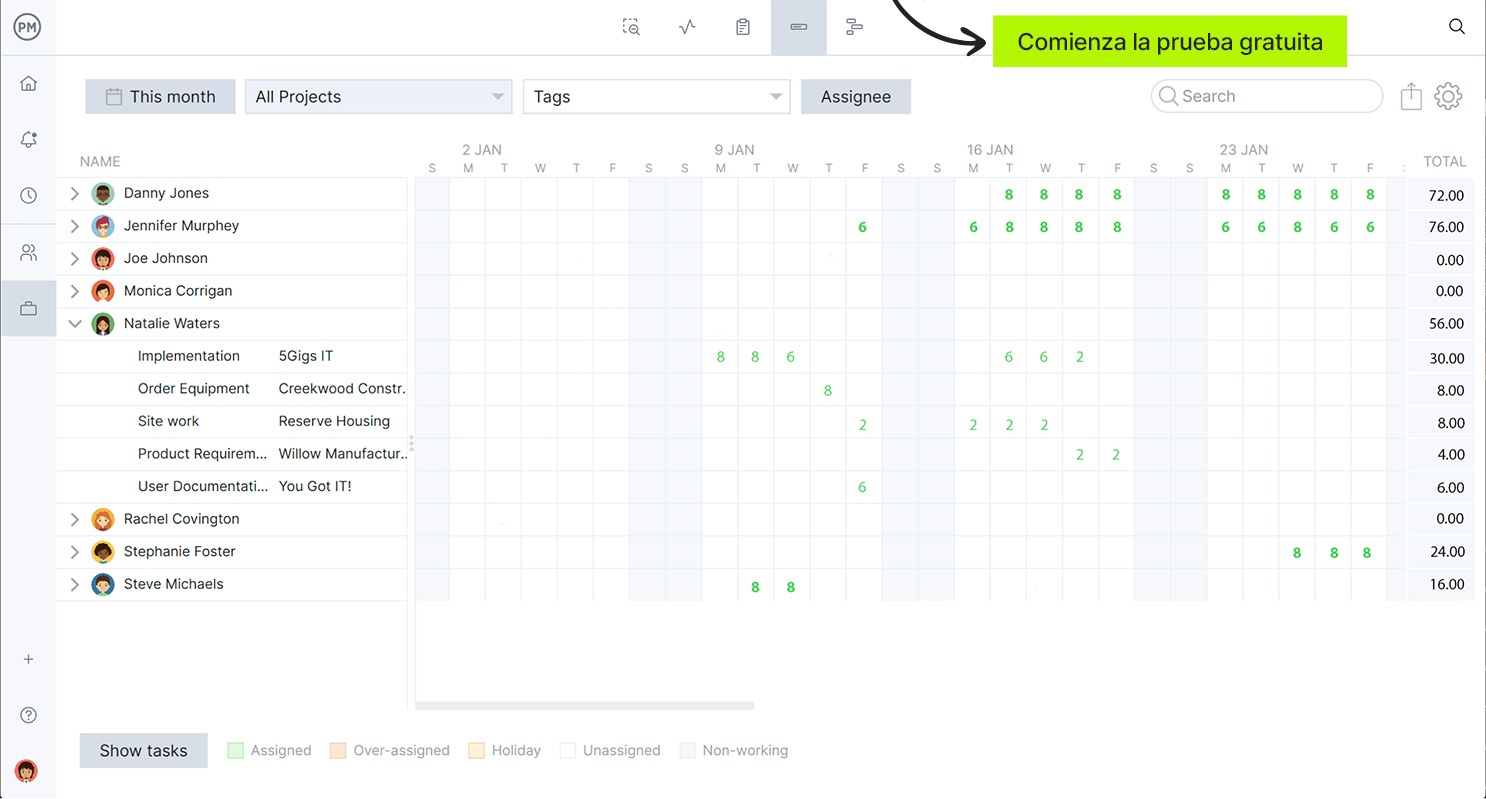
Furthermore, WIP reports drastically enhance cost control and risk management. Construction projects are notoriously susceptible to sudden material price inflation, unforeseen site conditions, and labor shortages. By continuously monitoring expenditures and identifying budget creep before it spirals out of control, contractors can protect their margins. This proactive stance ensures that client billing remains strictly aligned with actual deliverables, drastically reducing the incidence of billing disputes, mitigating cash flow crunches, and satisfying contractual obligations.
Beyond day-to-day accounting, executive leadership relies on WIP data for strategic portfolio management. When managing multiple simultaneous builds, corporate executives utilize WIP analytics to evaluate resource allocation, prioritize high-margin projects, and make informed decisions regarding bonding capacity for upcoming bids. Transparent financial breakdowns foster trust among investors, banking institutions, and project owners, establishing the construction firm as a disciplined and reliable market leader.
Integrating WIP Reports with Advanced Project Management Ecosystems
While spreadsheets and static templates have historically served as the default medium for tracking construction financials, the sheer complexity of modern mega-projects has rendered manual tracking obsolete. Static documents require manual data entry, introducing human error and pulling project managers away from critical field operations.
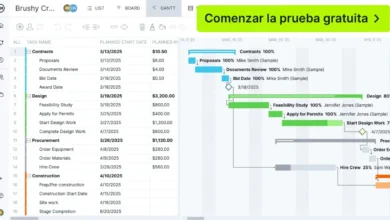
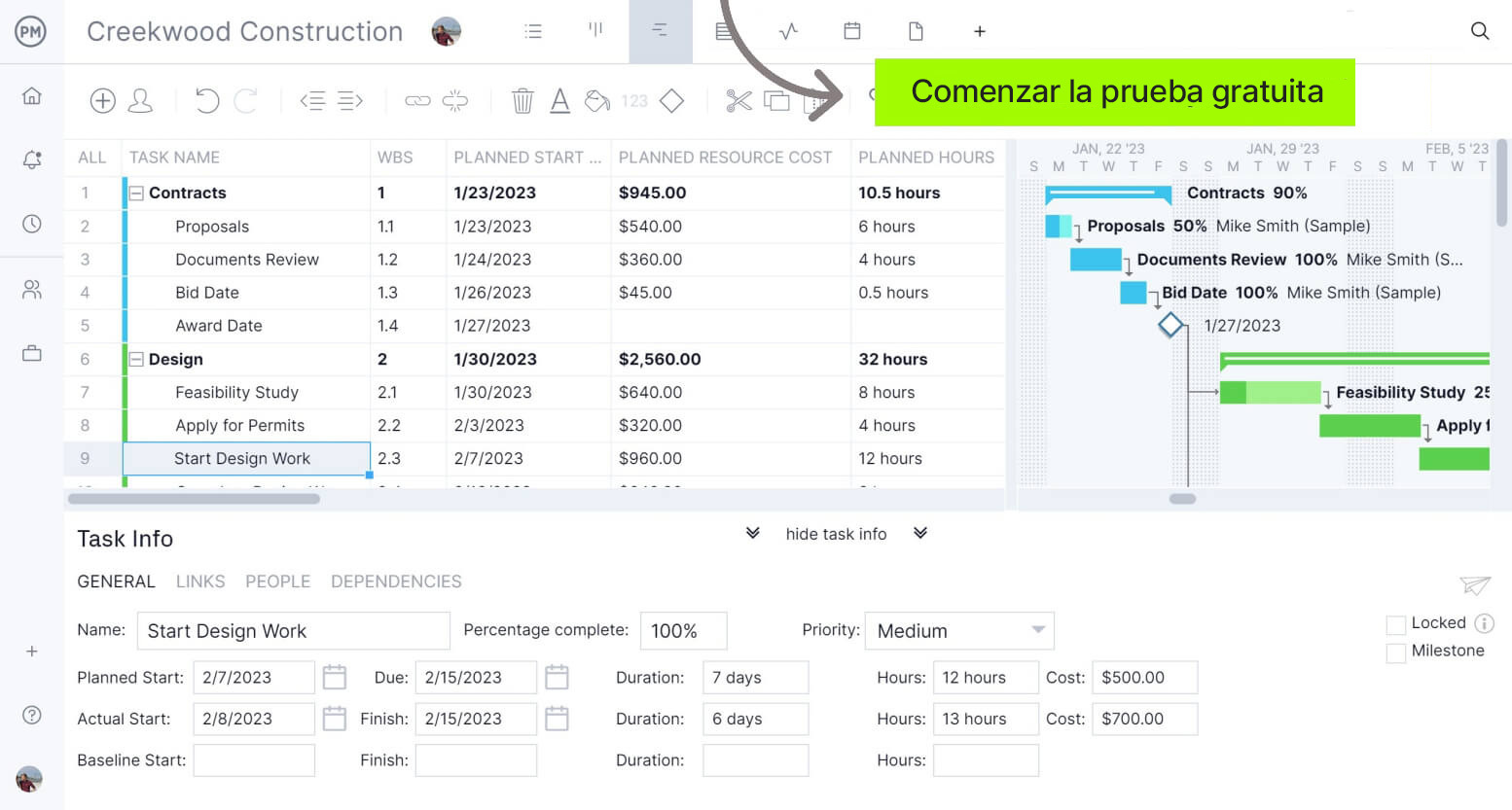
To bridge this gap, leading general contractors integrate traditional WIP metrics with enterprise-grade project management software. Modern platforms incorporate real-time project dashboards, automated Gantt charts, and secure digital timesheets that track labor expenses down to the minute. By establishing a project baseline and monitoring actual progress against real-time data feeds, construction executives can instantly detect variances in cost and schedule.
Ultimately, while the Work in Progress report remains an indispensable tool for financial transparency and cost control, its true power is unlocked when combined with digital innovation. By merging rigorous accounting principles with real-time operational software, construction firms can navigate market unpredictability, protect their profit margins, and deliver complex builds on time and within budget.