Gate reviews: Essential governance for project lifecycle success and organizational assurance


Project governance serves as the backbone of effective organizational management, providing the necessary oversight to ensure that complex initiatives remain aligned with strategic objectives. While often viewed as an administrative burden, the "gate review"—a critical control point in the project lifecycle—functions as a vital mechanism for validating the feasibility, risk profile, and ongoing value of investments. By serving as a formal "go/no-go" decision point, these reviews transition project management from simple task completion to high-level strategic stewardship.
The Evolution and Context of Gate Reviews
The concept of the gate review is deeply rooted in structured methodologies such as PRINCE2 and the frameworks established by the UK government’s National Infrastructure and Service Transformation Authority (NISTA). These reviews are designed to mitigate the inherent uncertainties of long-term projects by breaking them into manageable, verifiable phases.

Historically, these controls emerged from the manufacturing and construction sectors, where large capital outlays required strict adherence to technical and financial milestones. Today, the practice has permeated the digital and service sectors. Unlike standard project status meetings—which often focus on the tactical minutiae of daily tasks—the gate review is fundamentally an evaluative exercise. It requires stakeholders to move beyond status reporting to make definitive calls on the project’s future based on empirical evidence and pre-agreed performance criteria.
Defining the Gate: Structural Mechanisms
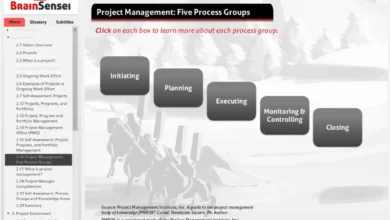
A gate review represents the boundary between distinct project stages. In a traditional predictive or "waterfall" lifecycle, these gates are immovable markers that require sign-off before a team can transition from, for instance, the initiation phase to the execution phase.
However, the application of these reviews has evolved. Modern project environments, including Agile and hybrid models, have adapted the gate review to focus on iterative value delivery. In these contexts, the "gate" may act as an authorization point for continued funding or the release of a product increment, rather than the conclusion of a rigid phase. The NISTA assurance framework reflects this maturity, providing specific guidelines for integrating these reviews into agile digital delivery, emphasizing the need for technical expertise within the review panel to ensure assessments are grounded in the realities of the delivery team.

Strategic Benefits and Empirical Value
The primary utility of the gate review lies in its ability to enforce discipline and accountability. Research into project delivery consistently demonstrates that projects subjected to rigorous governance are significantly more likely to meet their defined objectives. The benefits of this structured approach can be categorized into five core areas:
- Optimized Planning Horizons: By segmenting a project into stages, organizations can limit the necessity for long-term, high-uncertainty planning, focusing instead on detailed execution for the immediate next phase.
- Proactive Risk Management: Each gate serves as a mandatory checkpoint for re-evaluating the risk register. This prevents the "normalization of deviance," where risks are ignored or downplayed over the duration of a project.
- Stakeholder Alignment: These reviews provide a recurring forum for executive sponsors and key stakeholders to reaffirm their commitment to the initiative, ensuring that shifts in organizational strategy are reflected in the project’s trajectory.
- Expectation Management: The formal nature of a gate review forces a reconciliation between initial project assumptions and current reality, preventing scope creep and ensuring that the project remains within its intended business case.
- Increased Delivery Confidence: The presence of a governance layer provides an objective measure of progress, which increases the confidence of investors and senior management in the project’s eventual success.
The Anatomy of a Gate Review Process
To function effectively, a gate review must be supported by clear, objective criteria. These are typically bifurcated into entry and exit criteria. Entry criteria dictate the state of readiness required to even present the project for review—such as the completion of a business case or the identification of risk owners. Exit criteria define the conditions that must be satisfied to secure approval for the subsequent stage, such as budget availability or the resolution of critical dependencies.
The typical workflow for a gate review follows a five-step progression:
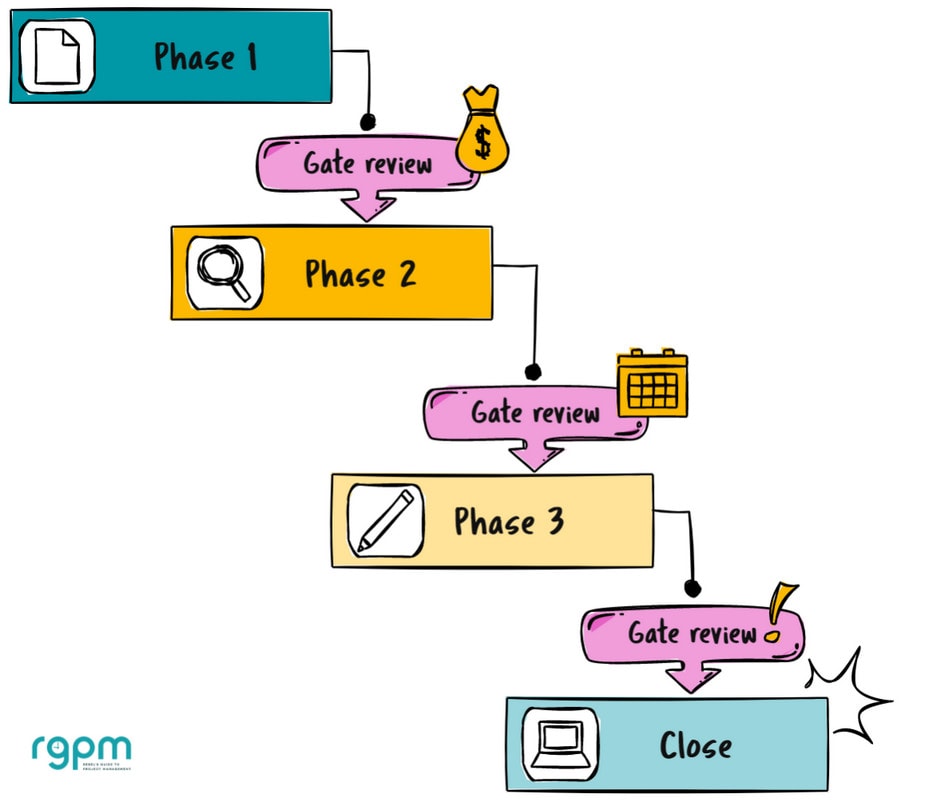
- Preparation of Decision-Led Documentation: The project manager compiles evidence—schedules, resource commitments, and updated benefit forecasts—that directly addresses the "exam question" of the gate, which is usually whether the project remains a viable investment.
- Initial Stakeholder Review: Before the formal board meeting, documentation is socialized with the project sponsor and key internal stakeholders to ensure there are no surprises and that the data is accurate.
- Internal Authorization: A secondary check, often performed by a PMO or steering group, ensures that all preceding tasks have been completed and that the project is not arriving at the gate prematurely.
- Formal Decision: The project is presented to the governing body. This group, which should remain small and empowered, evaluates the evidence to determine if the project should proceed, be paused, or be terminated.
- Execution of the Decision: The organization acts on the outcome, whether that involves releasing funds for the next stage or initiating a structured closure process if the project no longer serves its strategic purpose.
Challenges and Implementation for PMOs
For Project Management Offices (PMOs) looking to implement or refine a gate review process, the challenge is often cultural rather than technical. Organizations often fall into the trap of treating gates as "paperwork exercises" where the goal is to check boxes rather than assess value.
Industry analysts suggest that a gate review is failing if the decision has effectively been made before the meeting takes place. When every project passes through every gate without scrutiny, the process becomes an administrative overhead rather than a governance control. To counter this, PMOs are encouraged to prioritize "decision-led" documentation over length and to ensure that the individuals serving on the review panel are empowered to enact meaningful change, including the cessation of underperforming projects.
Broader Implications and Future Outlook
The integration of gate reviews into the organizational lifecycle is not merely about bureaucracy; it is about the efficient allocation of capital. In an era of rapid digital transformation, the ability to "fail fast" or pivot is a competitive advantage. Gate reviews provide the formal mechanism to identify failing projects early, allowing resources to be reallocated to more promising initiatives.

As organizations increasingly adopt hybrid project management methodologies, the gate review will likely continue to evolve. Future implementations are expected to leverage automated data analytics, where real-time project metrics—such as burn rates, velocity, and risk scores—are fed directly into the review process. This will move the gate review from a point-in-time assessment to a continuous, data-informed governance model.
Ultimately, the gate review remains a fundamental tool for accountability. By mandating that projects prove their worth at specific intervals, organizations can maintain a portfolio of work that is not only well-executed but also strategically sound, ensuring that every dollar spent is directed toward tangible, value-driven outcomes. Whether the project is a massive infrastructure undertaking or a nimble software development sprint, the logic remains the same: before moving forward, one must first prove that the journey is still worth the destination.