The 2021 SaaS Survey Part 2 Comprehensive Insights on Software as a Service Industry Performance and Trends


The release of the second part of the 2021 SaaS Survey, conducted in partnership with KBCM Technology Group, marks a critical milestone for industry analysts, venture capitalists, and software entrepreneurs seeking to understand the post-pandemic economic landscape of the Software-as-a-Service (SaaS) sector. Building upon the foundational metrics established in Part 1, this comprehensive installment dives deeper into the operational mechanics, financial benchmarks, go-to-market strategies, and scaling patterns that defined high-growth technology companies during a period of unprecedented digital transformation. As businesses globally adjusted to hybrid work models and accelerated cloud adoption, the data captured within this year’s survey provides an invaluable roadmap for navigating market volatility and optimizing corporate valuation.
Background Context and Survey Methodology
The annual SaaS Survey, historically regarded as one of the definitive benchmarks for the software industry, evaluates hundreds of private and public Software-as-a-Service companies across multiple verticals and revenue stages. KBCM Technology Group—a leading technology investment bank—collaborated with prominent industry experts to compile, analyze, and present the expansive dataset. The findings are meticulously organized to help founders and executive teams measure their key performance indicators (KPIs) against industry peers, spanning everything from sales efficiency and customer acquisition costs (CAC) to research and development (R&D) expenditure and net retention rates.
The 2021 edition carries heightened significance due to the macroeconomic disruptions caused by the COVID-19 pandemic. While early 2020 was characterized by uncertainty and cautious spending, late 2020 and 2021 experienced a massive surge in enterprise software demand. Companies across virtually all sectors rushed to modernize their infrastructure, creating a fertile environment for SaaS expansion. However, this hyper-growth phase also brought unique challenges, including intensifying competition for top talent, rising customer acquisition costs, and evolving security and compliance requirements. The survey data reflects these crosswinds, illustrating both the resilience and the operational friction experienced by modern software enterprises.
Core Financial Benchmarks: Growth Versus Efficiency
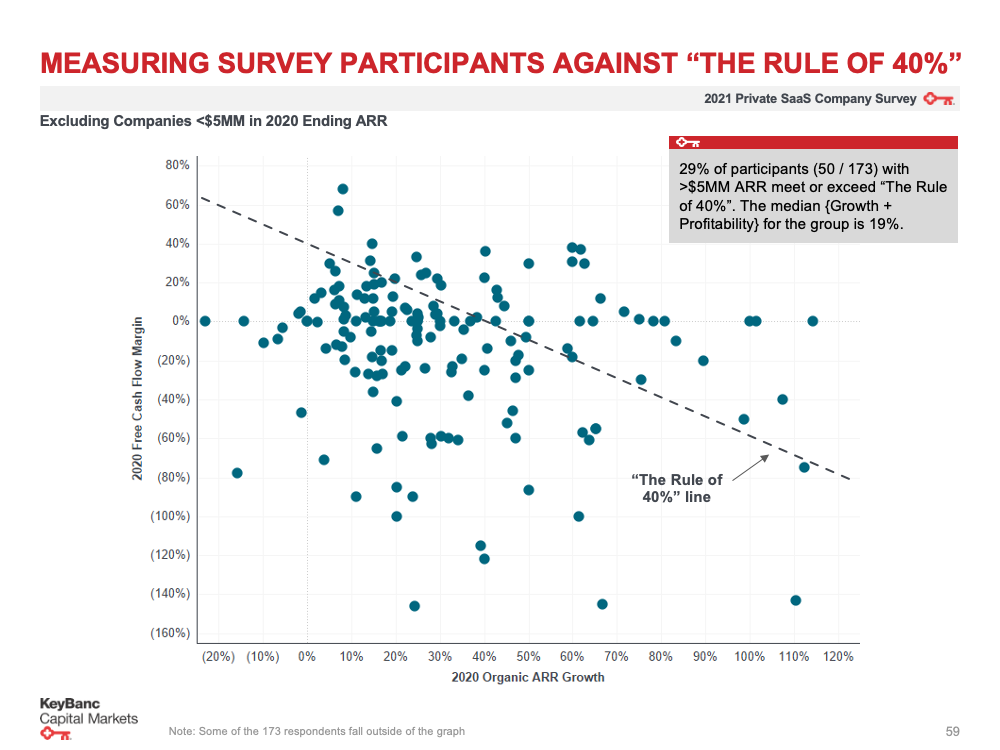
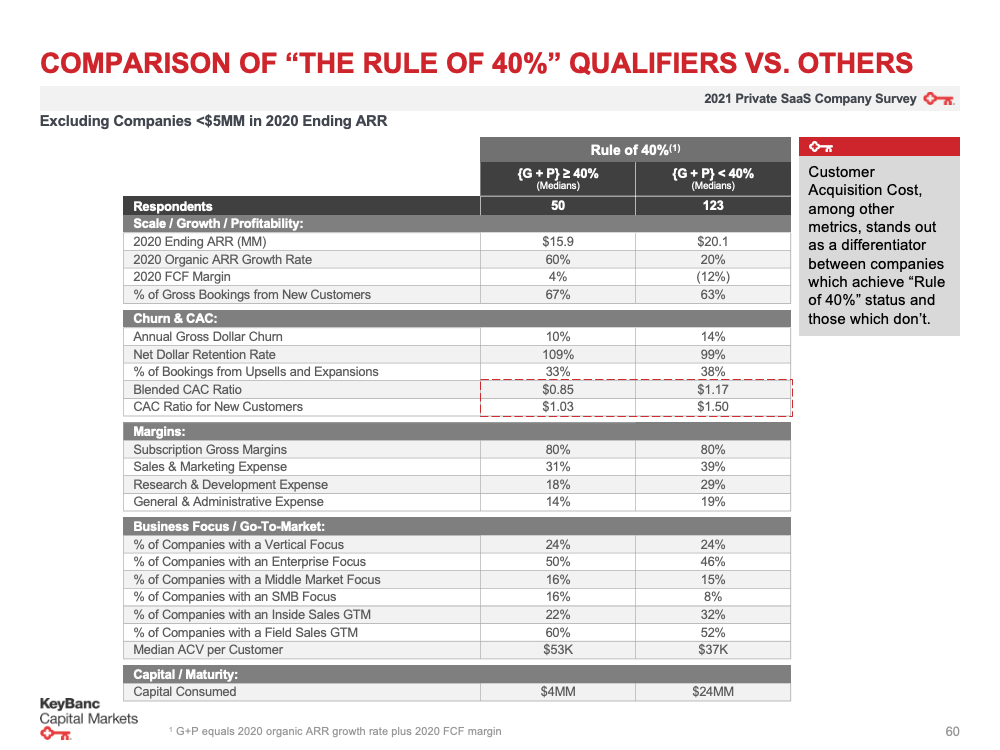
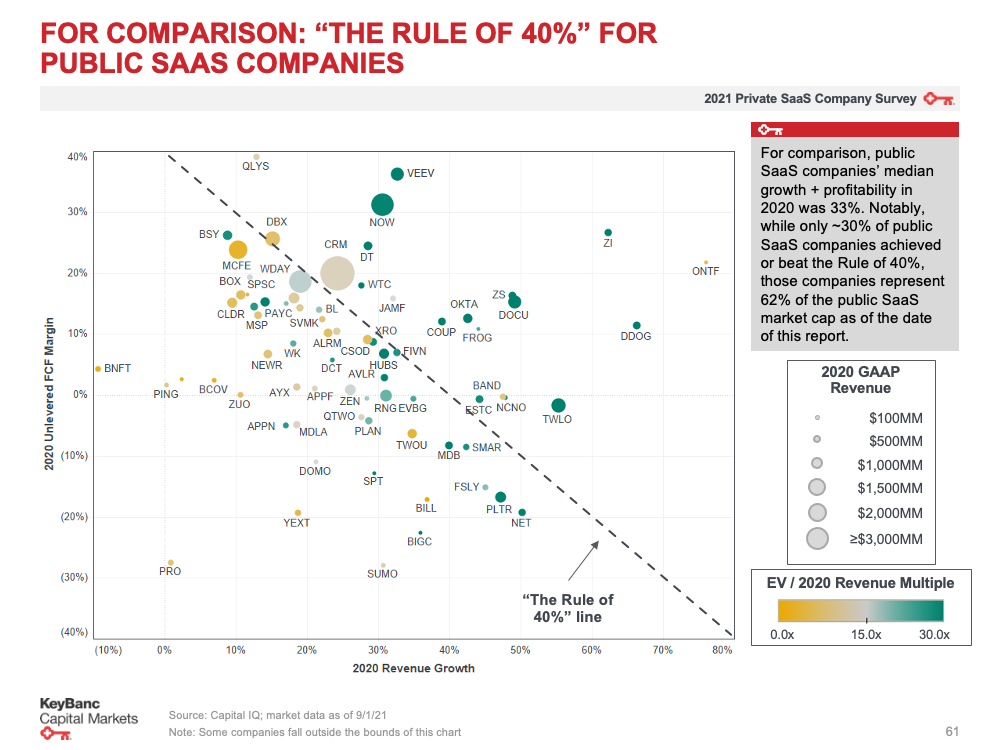
A central theme emerging from the second part of the 2021 SaaS Survey is the ongoing tension between aggressive top-line growth and sustainable capital efficiency. For years, the prevailing venture capital mantra prioritized growth at all costs. However, as the market matured through 2021, investors increasingly scrutinized unit economics, cash burn rates, and the "Rule of 40"—a widely accepted metric stating that a SaaS company’s growth rate and profit margin should combined equal or exceed 40%.

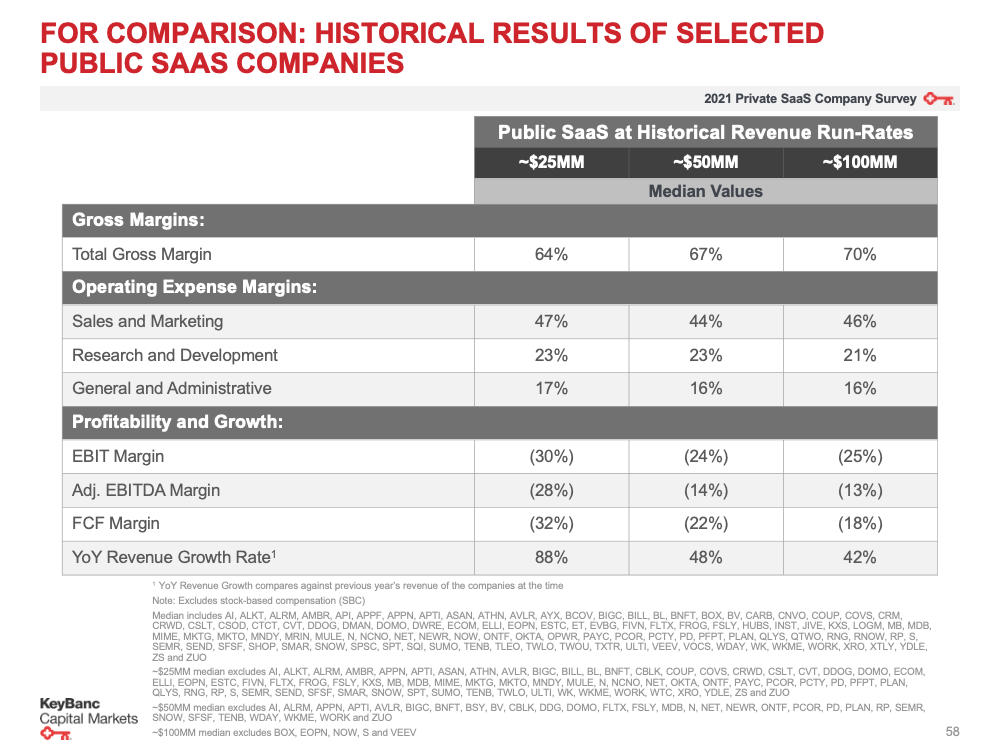
The survey data outlines how companies of varying scales—ranging from early-stage startups generating under $5 million in Annual Recurring Revenue (ARR) to enterprise giants exceeding $100 million in ARR—balanced these competing priorities. Smaller startups typically exhibited explosive growth rates often exceeding 100% year-over-year, yet frequently operated at significant net losses as they poured capital into product development and initial market penetration. Conversely, mid-to-late-stage companies demonstrated a clearer path toward profitability, leveraging economies of scale to optimize operating margins while maintaining respectable expansion rates.
Sales and Marketing Dynamics: The Evolution of Go-To-Market Strategies
Go-to-market (GTM) strategies underwent a radical transformation in 2021, a shift thoroughly documented in the survey findings. With traditional in-person enterprise sales cycles disrupted, software companies were forced to lean heavily into product-led growth (PLG) motions, digital marketing, and inside-sales models.
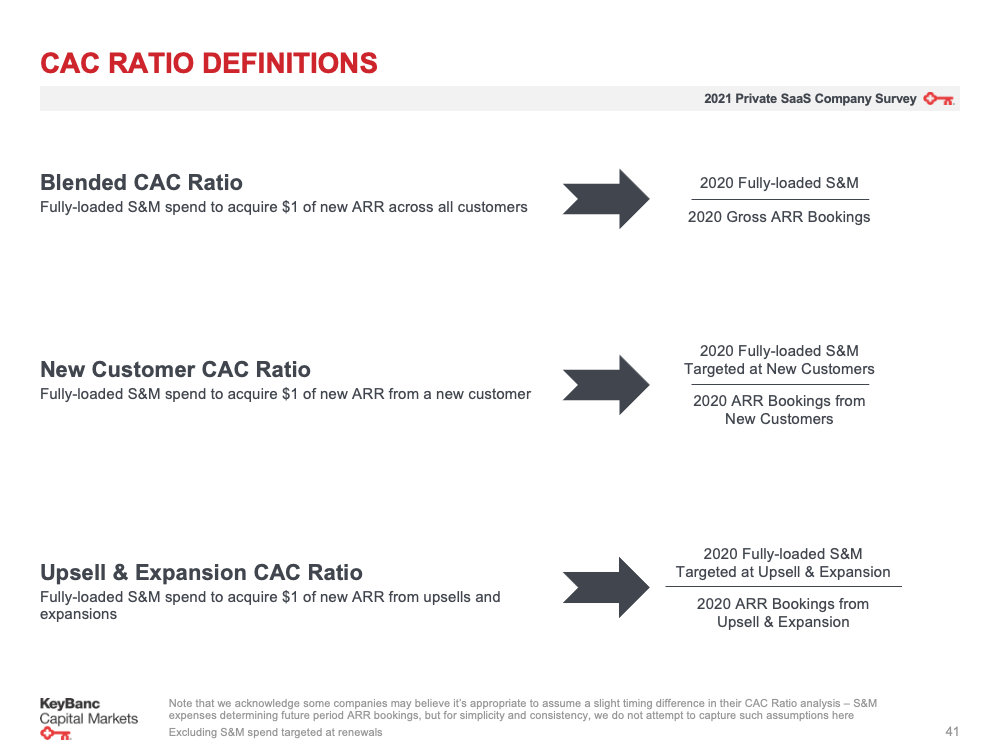
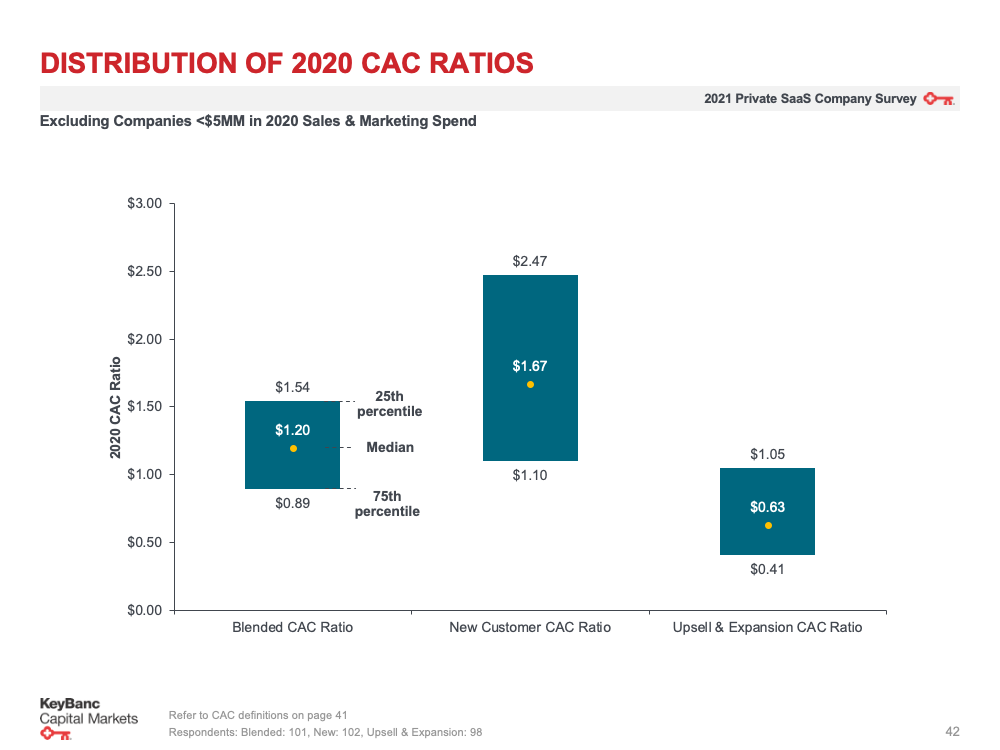
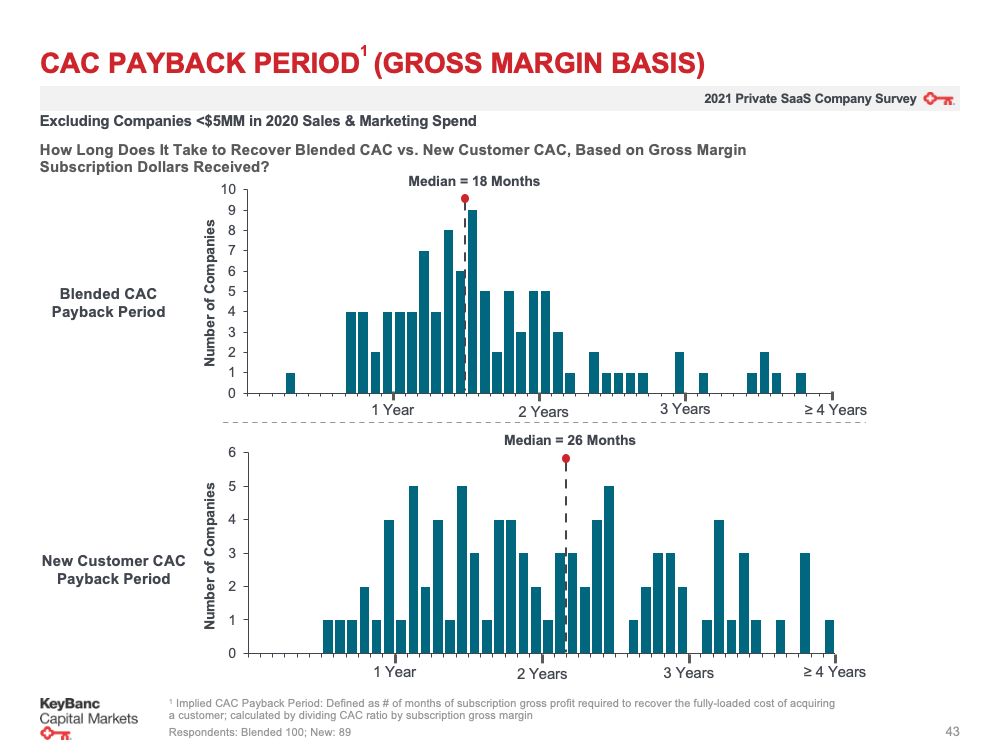
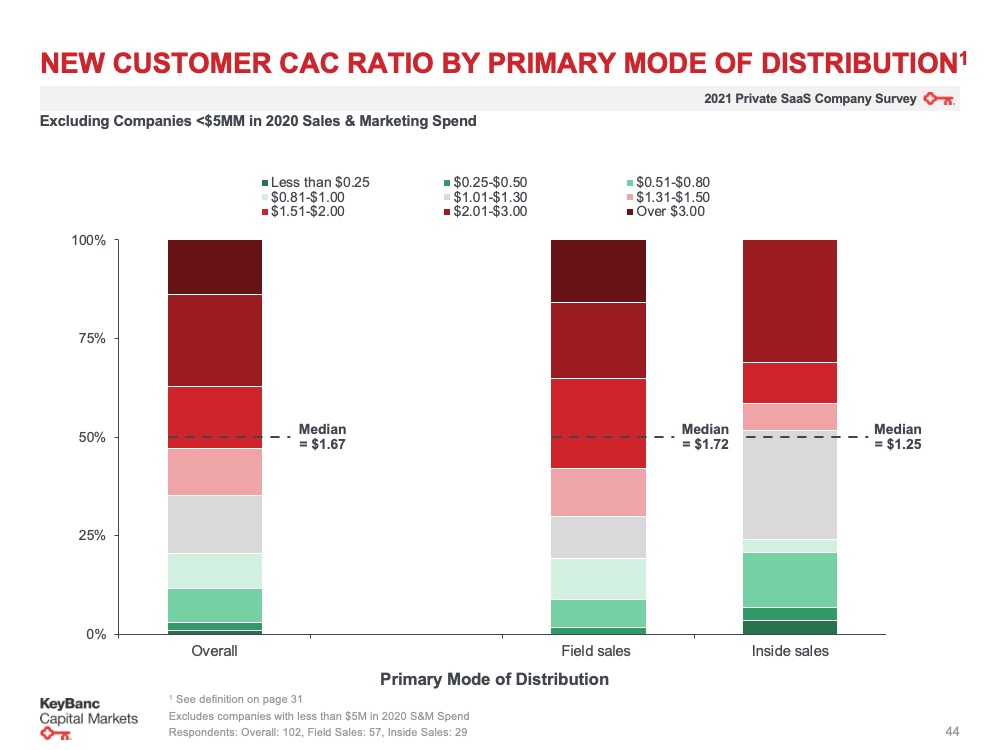
The data highlights significant shifts in customer acquisition costs (CAC) and the time required to achieve payback on those investments. Enterprise sales models, characterized by long cycles and high contract values, continued to require substantial upfront investments in field sales teams. Meanwhile, self-serve and freemium models scaled rapidly by reducing friction for end-users, though they faced distinct challenges related to churn management and average revenue per user (ARPU).
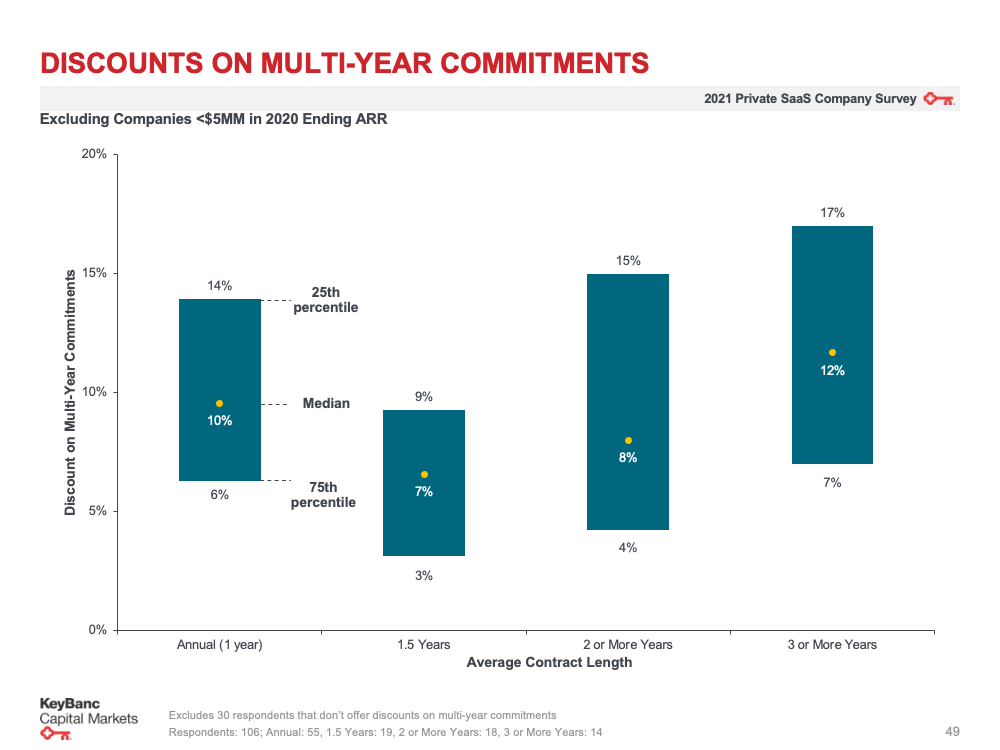
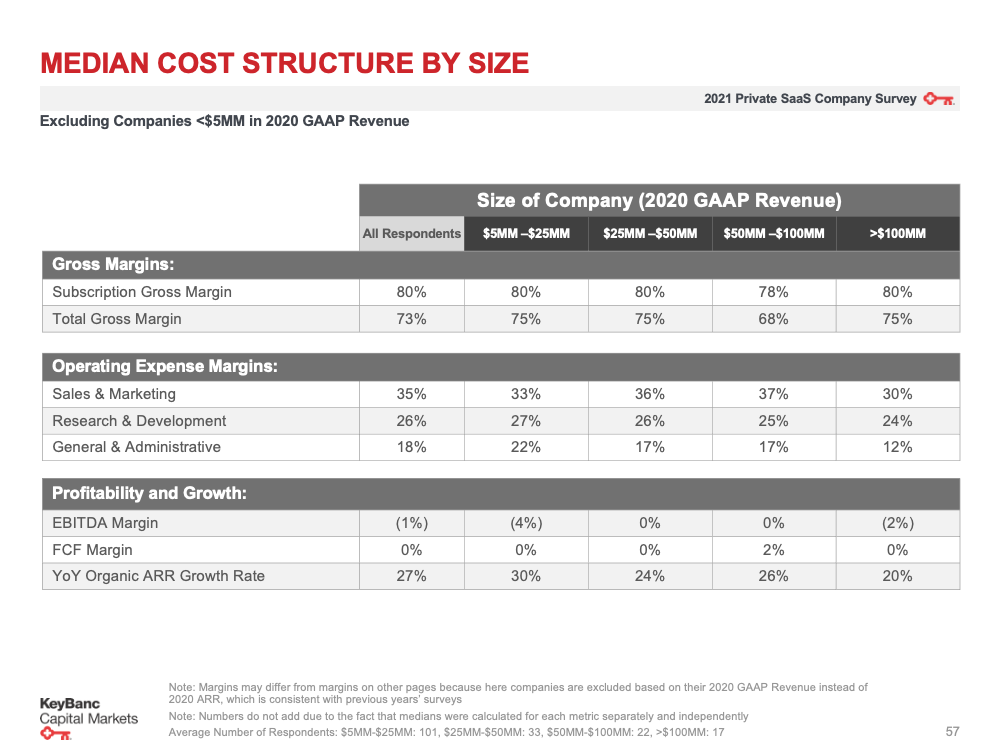
Furthermore, the survey examines the distribution of sales and marketing spend as a percentage of total revenue across different ARR brackets. As organizations scale past the $20 million ARR mark, sales and marketing efficiency typically stabilizes, allowing companies to reallocate capital toward international expansion or deeper product integrations. The visual data provided in the survey’s presentation slides illustrates these spending curves, offering clear benchmarks for executives looking to optimize their departmental budgets.

Customer Success, Retention, and Net Revenue Retention (NRR)
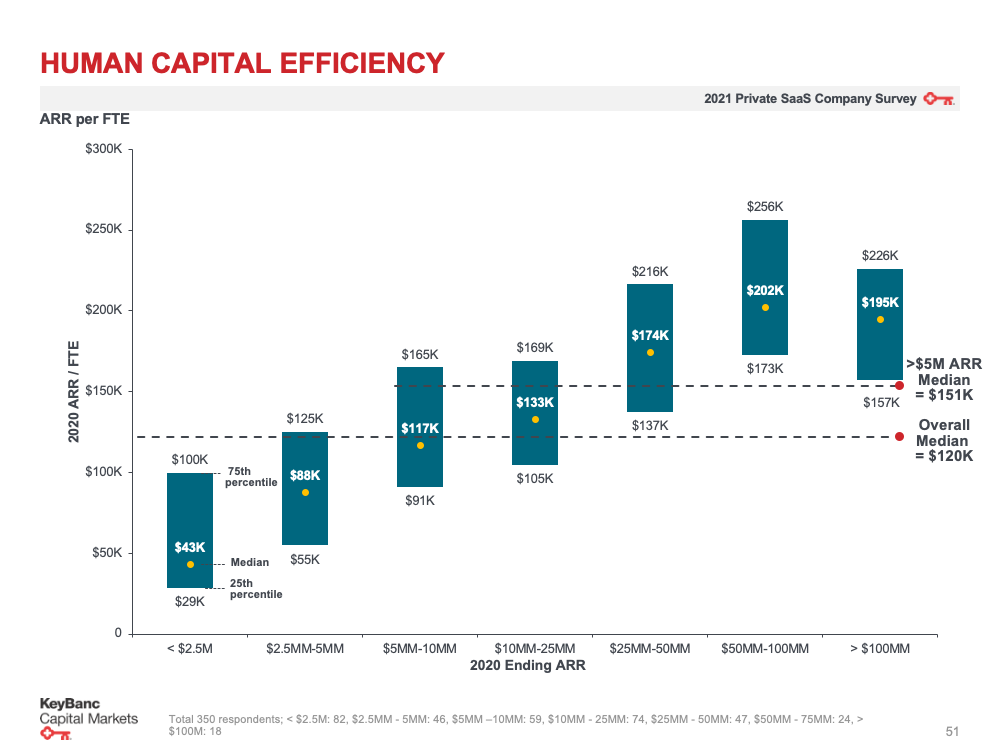
In the subscription economy, acquiring a customer is only the first step; retaining and expanding that relationship determines long-term enterprise value. The 2021 SaaS Survey places significant emphasis on Net Revenue Retention (NRR) and Gross Retention as the ultimate barometers of product-market fit and customer satisfaction.
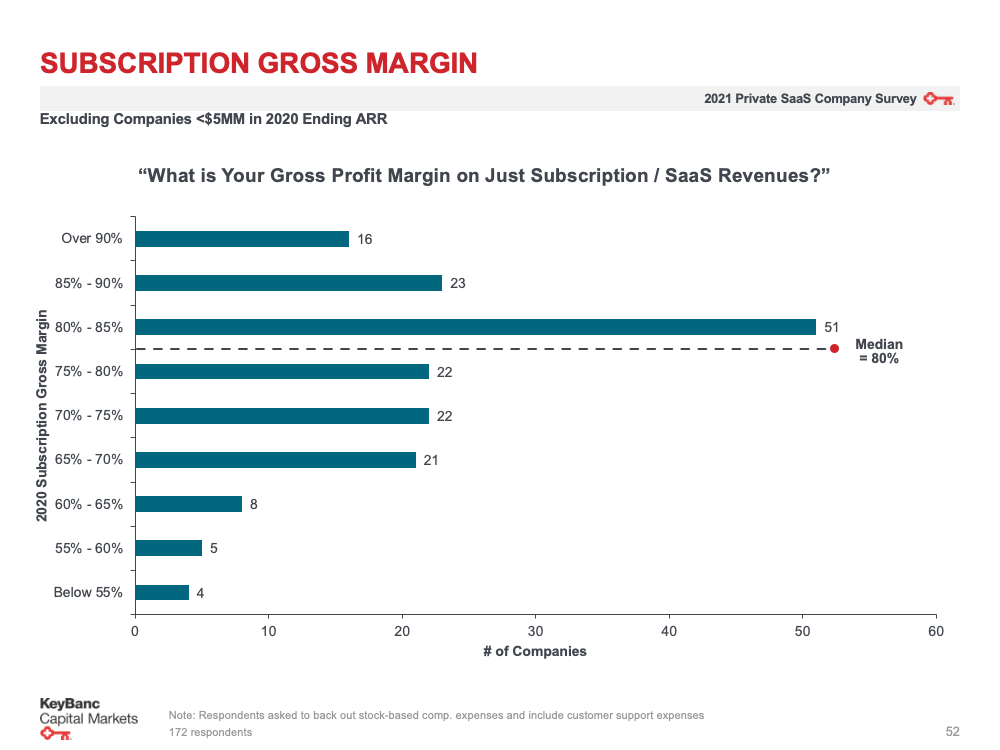
Top-tier SaaS companies consistently demonstrated NRR figures well above 100%, driven by successful upselling, cross-selling, and minimal logo churn. The survey breaks down retention metrics by customer segment—distinguishing between SMB (Small and Medium Business), mid-market, and enterprise accounts. Enterprise-focused SaaS providers reported the highest retention rates, benefiting from deep platform integration and high switching costs for buyers. However, these same companies often grappled with longer implementation timelines and heavier professional services burdens.
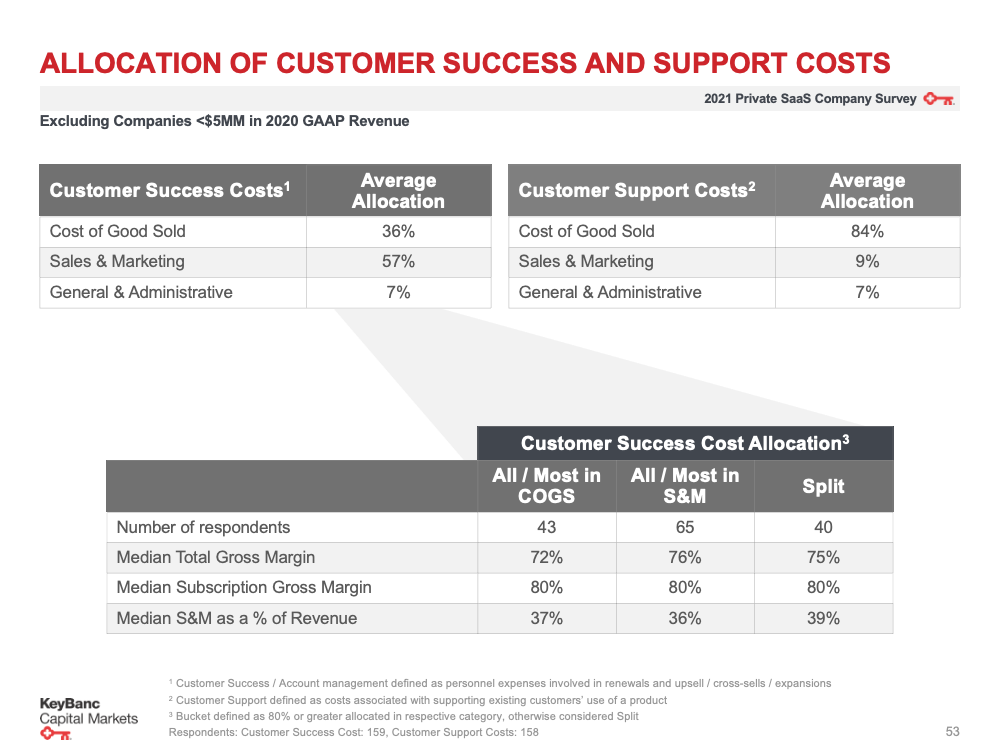
The data also sheds light on the growing importance of dedicated Customer Success (CS) organizations. As competition intensified, proactive customer onboarding and continuous value realization became non-negotiable pillars for reducing churn and maximizing lifetime value (LTV). Companies that invested early in robust customer success infrastructure reported superior expansion metrics compared to those treating CS merely as an administrative afterthought.
Research, Development, and Engineering Investments

Innovation remains the lifeblood of the software industry. The survey details how SaaS organizations allocate resources toward Research and Development (R&D) to maintain competitive advantages in rapidly evolving technological landscapes.
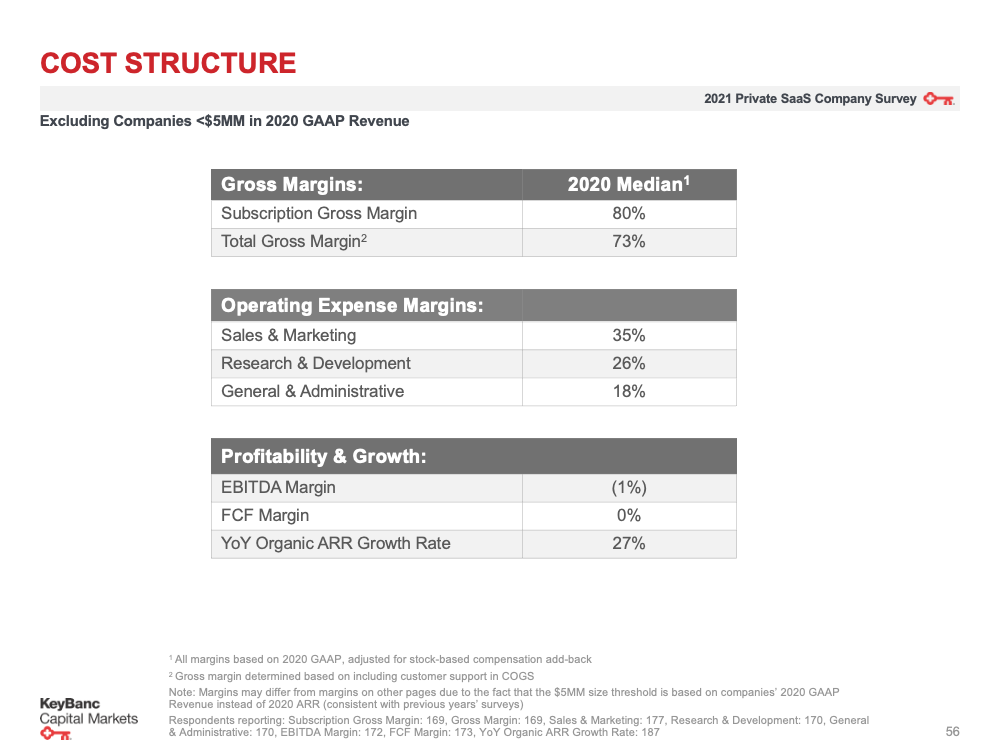
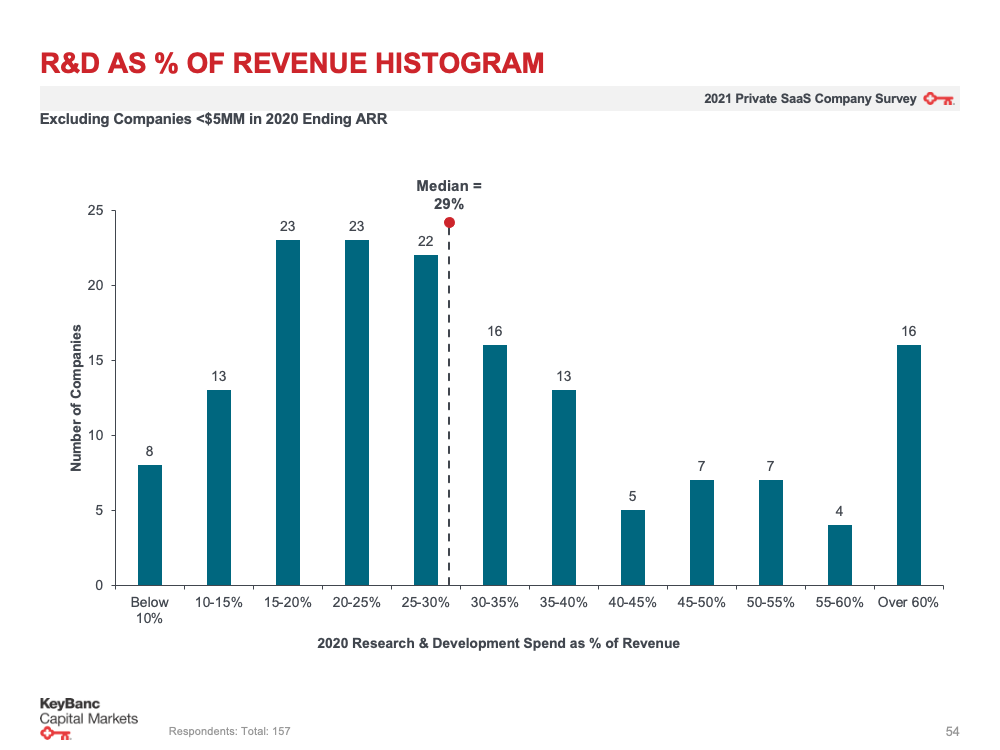
Throughout 2021, engineering talent scarcity drove up labor costs significantly. The survey captures the impact of this wage inflation on R&D as a percentage of revenue. Early-stage startups dedicated a disproportionately large share of their capital to engineering and product development, often outspending sales and marketing in the pre-revenue or early-revenue phases. As companies matured, R&D spend as a percentage of revenue naturally decreased, though absolute dollar investments continued to scale to support multi-product expansion and platform security enhancements.
The integration of advanced technologies, including artificial intelligence (AI), machine learning (ML), and advanced analytics, also emerged as a key investment area. Software vendors increasingly embedded intelligent automation features into their core offerings to justify higher price points and deliver superior operational efficiencies to their business clients.
Valuation Multiples and Market Implications
While operational metrics dictate internal management decisions, external market conditions heavily influence fundraising and valuation outcomes. The 2021 SaaS Survey provides valuable context regarding the valuation multiples commanded by software companies during a period of historically high public market valuations and abundant venture capital liquidity.
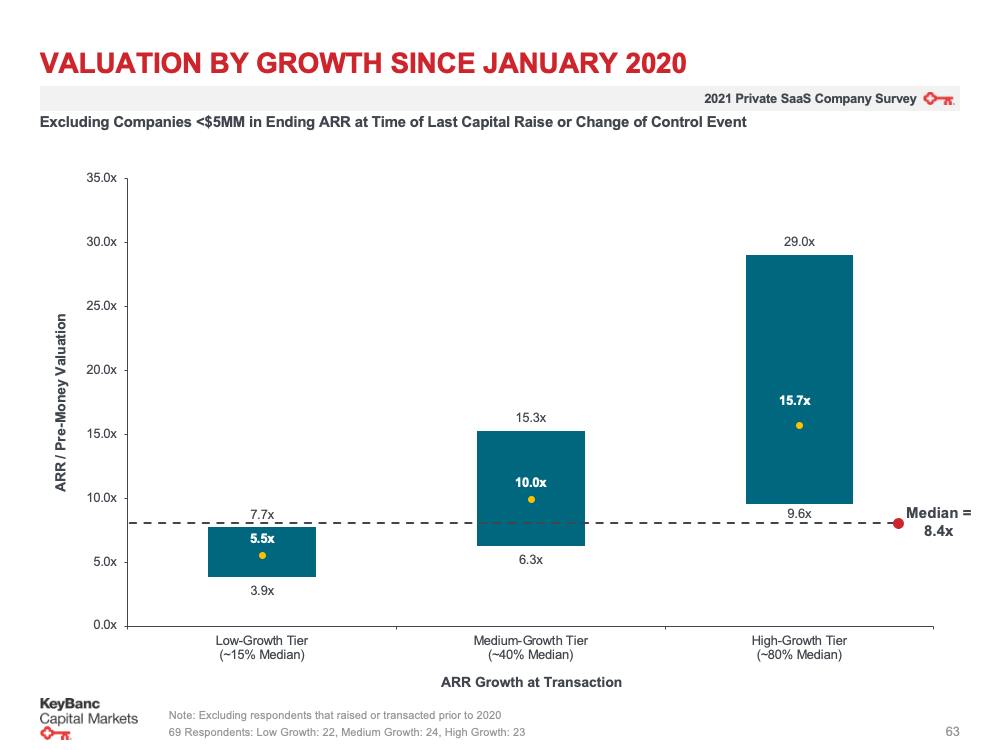
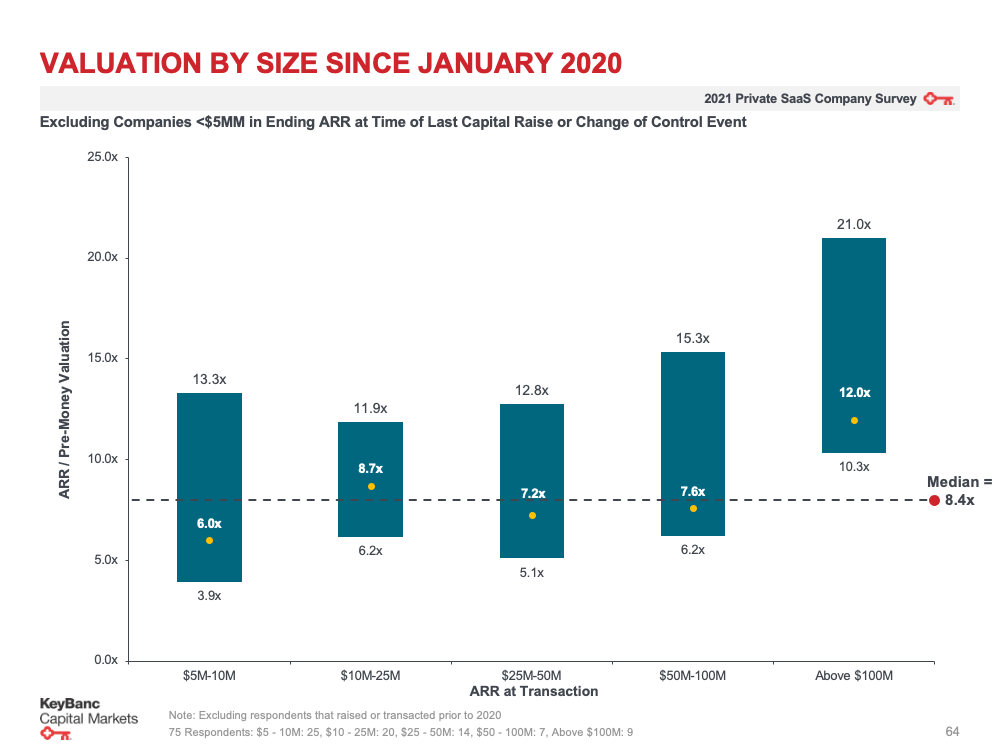
Analysts reviewing the survey data note that investors placed a massive premium on predictable recurring revenue, high gross margins, and exceptional NRR performance. Companies that managed to combine high growth with capital efficiency commanded valuation multiples that defied traditional historical averages. However, the report also serves as a subtle cautionary tale, highlighting the widening valuation spread between elite performers and average-performing peers.
Industry experts analyzing the broader implications of the survey emphasize that while the capital markets of 2021 were exceptionally forgiving, the underlying fundamentals highlighted in the KBCM report remain essential regardless of macroeconomic cycles. Strong unit economics, disciplined cost management, and rigorous customer retention strategies are universal prerequisites for enduring business success.

Conclusion and Future Outlook
The publication of Part 2 completes the 2021 SaaS Survey series, delivering an exhaustive and data-rich resource for the global software community. By offering granular insights into financial performance, operational scaling, sales efficiency, and retention dynamics, the survey equips founders, executives, and investors with the empirical evidence needed to make informed strategic decisions.
As the software industry continues to mature in the wake of the pandemic-era digital rush, the benchmarks established in this report will serve as an essential reference point. Organizations that effectively internalize these lessons—balancing aggressive innovation with disciplined financial stewardship—will be best positioned to capture market share, weather economic shifts, and build resilient, high-value enterprises in the years ahead.
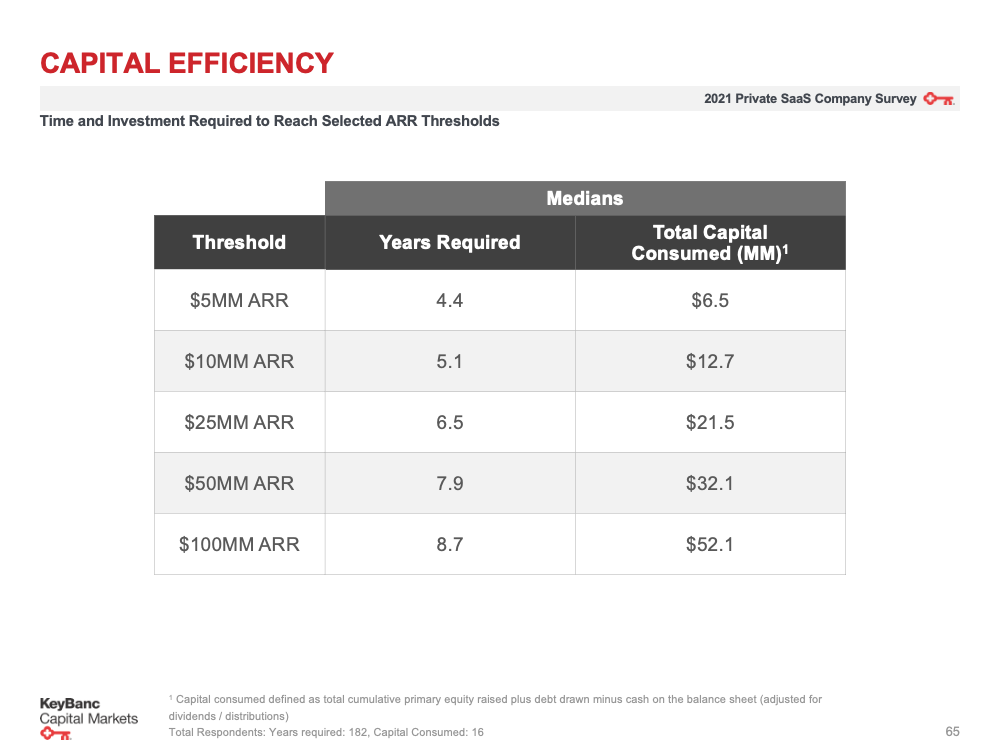
For those seeking the complete analytical picture, the full 2021 KBCM SaaS Survey is available for download in PDF format through the official channels, providing unrestricted access to the complete slide deck and supplementary data tables that underpin these findings.