The Impending Wealth Surge of Anthropic Employees and the Ripple Effects on the San Francisco Housing Market

The filing of Anthropic’s S-1 registration statement with the U.S. Securities and Exchange Commission has signaled a seismic shift in the technology sector, positioning over 5,000 employees for a transformative financial windfall. As the artificial intelligence powerhouse prepares for an initial public offering (IPO) expected to raise over $80 billion, market analysts are projecting that the median employee at the firm could see their net worth increase by $3 million to $10 million within the next three years. This event, driven by unprecedented growth in AI adoption, is not only reshaping the lives of the company’s workforce but is also exerting significant upward pressure on the real estate market in the San Francisco Bay Area, where the company is headquartered.
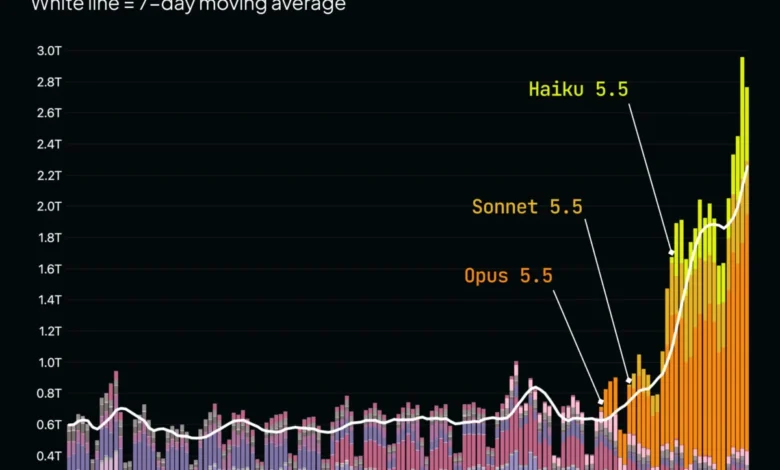
The financial performance metrics disclosed in the S-1 filing underscore the rapid trajectory of the company. Anthropic reported $16.3 billion in revenue for the first half of 2026, a substantial leap from the $1.2 billion reported during the same period in 2025. This growth is largely attributed to the successful launch of the Claude Opus 5.5 model on September 22, 2026, which triggered a 3.6-fold increase in token usage. With a treasury currently holding over $130 billion in cash and investments and a transition to operational profitability, the company has solidified its standing as a cornerstone of the modern technological landscape.
A Chronology of the AI Boom
The current environment follows a period of volatility that defined the 2022–2023 tech landscape. However, by 2024, institutional capital began flowing back into generative AI at record levels. The following timeline outlines the rapid ascent of this sector:

- 2023–2024: Stabilization of the San Francisco commercial and residential markets following post-pandemic corrections.
- Late 2025: Increased competition for top-tier engineering talent among major AI firms, driving up compensation packages and equity offerings.
- September 22, 2026: Official release of Claude Opus 5.5, acting as a catalyst for massive enterprise-wide adoption and record-breaking revenue figures.
- October 2026: Anthropic files its S-1, confirming the IPO intent and setting the stage for one of the largest liquidity events in Silicon Valley history.
The Impact on San Francisco Real Estate
The influx of capital into the pockets of thousands of employees is creating a profound supply-demand imbalance in the San Francisco housing market. According to recent data from Zumper, citywide rents have surged by approximately 27% year-over-year. This growth is particularly acute in the residential sector, where one-bedroom units have seen an appreciation of 25.4%, and two-bedroom units have risen by 26.8%.
The residential sales market is experiencing similar pressures. The median sale price for a home in San Francisco, including condominiums, climbed to approximately $1.69 million in September 2026, representing a 14.7% increase from the previous year. For single-family residences, the median price has surged by roughly 24%, hovering near $2.2 million, with 86% of properties selling above the initial asking price.
This localized economic boom has created a complex environment for property owners. Many landlords who entered into long-term lease agreements in 2025 are finding themselves significantly below current market rates. For instance, a property that might have commanded $9,200 a month in 2025 could likely fetch between $11,000 and $12,000 today.
The Landlord’s Dilemma: Contractual Integrity vs. Market Realities
For individual property owners, the dilemma involves weighing the desire for market-rate returns against the value of long-term tenant stability. Many landlords utilize a "schedule of rents"—a multi-year plan included in the lease agreement that dictates incremental increases, often capped at 3% per year.

While this strategy provides tenants with predictable housing costs and fosters positive landlord-tenant relations, it creates an opportunity cost for the landlord. When market rents rise faster than the predetermined schedule, the landlord effectively subsidizes the tenant’s housing. Some industry experts argue that in a hyper-competitive market, such arrangements may be unsustainable.
However, proponents of fixed-rent schedules suggest that the cost of turnover—which includes cleaning, repairs, potential vacancy periods, and the uncertainty of finding a new, reliable tenant—often exceeds the potential gains from raising rents to market value. Furthermore, the practice of raising rents strictly because a tenant’s net worth has increased due to an IPO or professional advancement is often viewed as ethically questionable, as it creates an unpredictable and adversarial dynamic.
Broader Implications and Economic Analysis
The rapid wealth accumulation among tech employees is expected to have long-term structural implications for regional economics. As wealth disparity grows, the "permanent underclass" phenomenon—a state where individuals without exposure to high-growth equity assets find themselves increasingly unable to afford rising costs of living—remains a significant concern for policymakers.
From an investment perspective, the current trend underscores a shift in how individuals approach wealth preservation. Many investors are increasingly looking toward diversified real estate platforms, such as private equity funds and REITs (Real Estate Investment Trusts), to capture exposure to the market without the operational risks associated with direct property management. These platforms allow for participation in the real estate sector starting with nominal amounts, bypassing the need for hands-on maintenance or complex lease negotiations.

Institutional Perspectives
Economists tracking the sector suggest that the current boom is fundamentally different from the dot-com era of the early 2000s. Unlike previous cycles, firms like Anthropic are entering the public markets with established revenue streams and significant operational profits. This suggests that the wealth being created is grounded in tangible product demand rather than purely speculative valuation.
For the employees themselves, the challenge will be financial literacy and long-term asset management. With thousands of individuals suddenly coming into eight-figure sums, the focus of wealth managers has shifted toward tax optimization, estate planning, and the mitigation of lifestyle inflation.
Conclusion
The Anthropic IPO represents a watershed moment for the artificial intelligence industry and the local economy of San Francisco. While the primary beneficiaries are the company’s employees, the secondary effects—rising real estate prices and evolving landlord-tenant dynamics—are being felt by the broader community.
As the market continues to recalibrate, the tension between maintaining long-term tenant relationships and capturing market-rate returns will persist. For the individual property owner, the decision to adhere to established lease agreements despite rising market values remains a choice between immediate financial optimization and the intangible value of stability. Meanwhile, for the broader public, the event serves as a stark reminder of the accelerating pace of wealth creation in the age of generative AI and the ongoing necessity for prudent financial planning in an increasingly expensive urban landscape. As the IPO date approaches, all eyes will remain on the S-1 filings and the subsequent market response to one of the most anticipated public offerings of the decade.