Unveiling the 2021 KBCM SaaS Survey: Comprehensive Insights, Industry Trends, and Financial Metrics for Software Leaders


The Software-as-a-Service (SaaS) industry has experienced unprecedented evolution, marked by rapid technological adoption, shifting market demands, and dynamic economic landscapes. To help founders, executives, and venture capitalists navigate this complex environment, the release of the second part of the 2021 SaaS Survey—conducted in partnership between ForEntrepreneurs and KBCM Technology Group—provides an exhaustive look at the operational, financial, and strategic benchmarks defining modern cloud-based businesses. Building upon the foundational data established in the first installment, this comprehensive report serves as an essential roadmap for scaling technology enterprises in an increasingly competitive global market.
Background and Context of the KBCM SaaS Survey Partnership
For over a decade, the annual SaaS Survey published jointly by ForEntrepreneurs and KBCM has served as a gold standard for industry benchmarks. The survey gathers granular data from hundreds of private and public Software-as-a-Service companies, tracking key performance indicators (KPIs) such as annual recurring revenue (ARR) growth, customer acquisition costs (CAC), net revenue retention, sales efficiency, and capital allocation strategies.
The 2021 edition carries particular significance as it captures the post-initial-pandemic recovery phase. During this period, enterprise software underwent a massive acceleration in demand, driven by remote workforces, digital transformation initiatives, and cloud migration strategies. However, this growth also introduced unique challenges, including intensifying competition for engineering talent, rising customer acquisition costs, and evolving investor expectations regarding the balance between growth and profitability. By examining these metrics through a multi-part breakdown, industry stakeholders are granted deep visibility into the macroeconomic and microeconomic forces shaping the tech sector.
Chronology of the 2021 Release Strategy
The rollout of the 2021 SaaS Survey was strategically partitioned to ensure that readers could digest the vast quantity of data without becoming overwhelmed.

- Early 2021: Data collection phase opens, inviting SaaS organizations across various verticals, funding stages, and geographic locations to participate in a rigorous, confidential operational questionnaire.
- Mid-2021: Aggregation, cleaning, and analytical processing of the dataset by the research teams at ForEntrepreneurs and KBCM.
- October 2021: Official publication of the findings. The release was divided into two distinct parts:
- Part 1: Focused primarily on foundational growth metrics, go-to-market strategies, sales team structures, pricing models, and initial customer retention dynamics.
- Part 2: Deep-dived into advanced operational efficiency, net retention rates, cost structures, research and development (R&D) expenditure, funding trends, and comprehensive data visualization slides.
- Late 2021 and Beyond: Distribution of the comprehensive PDF report to founders, venture capital partners, and financial analysts to guide strategic planning and board-level discussions.
Core Data Highlights and Visual Insights from Part 2
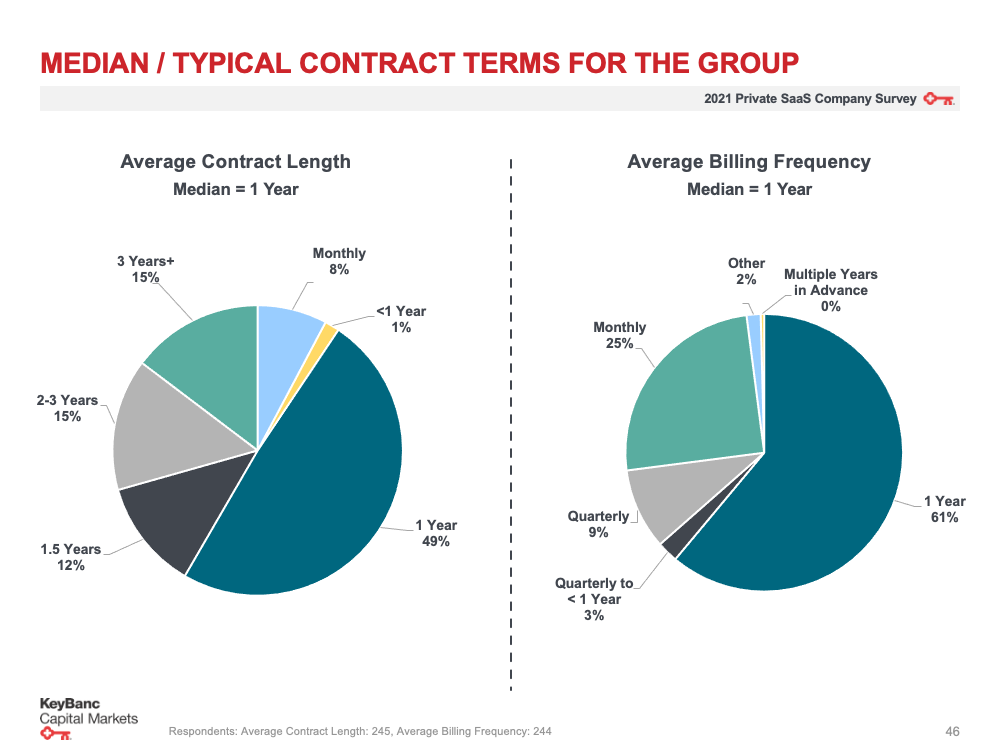
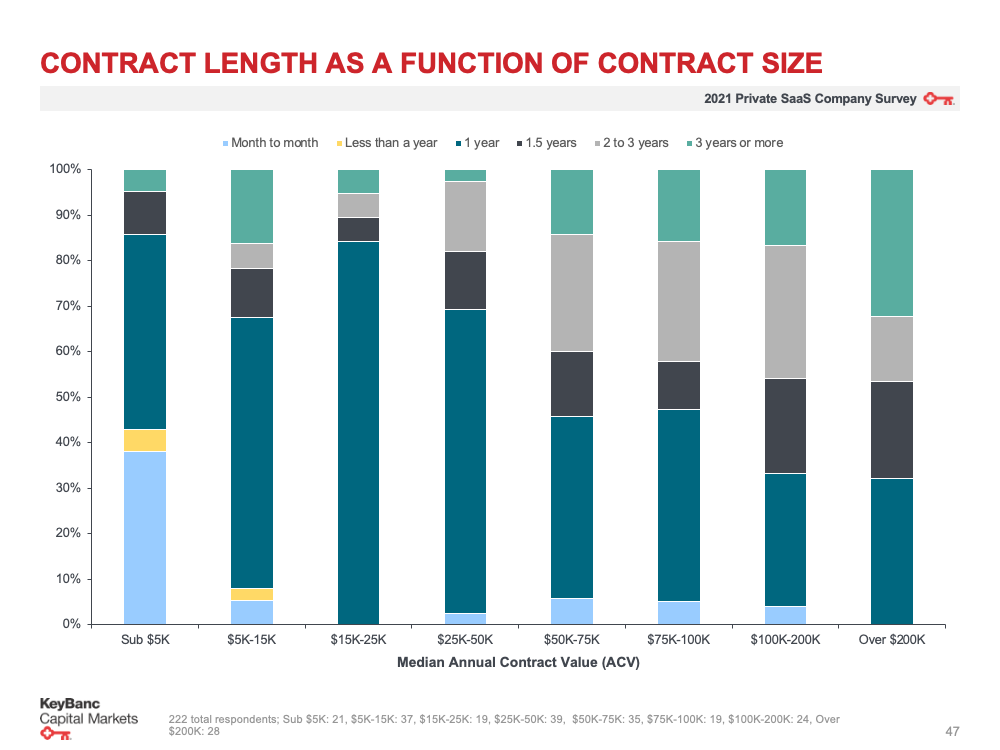
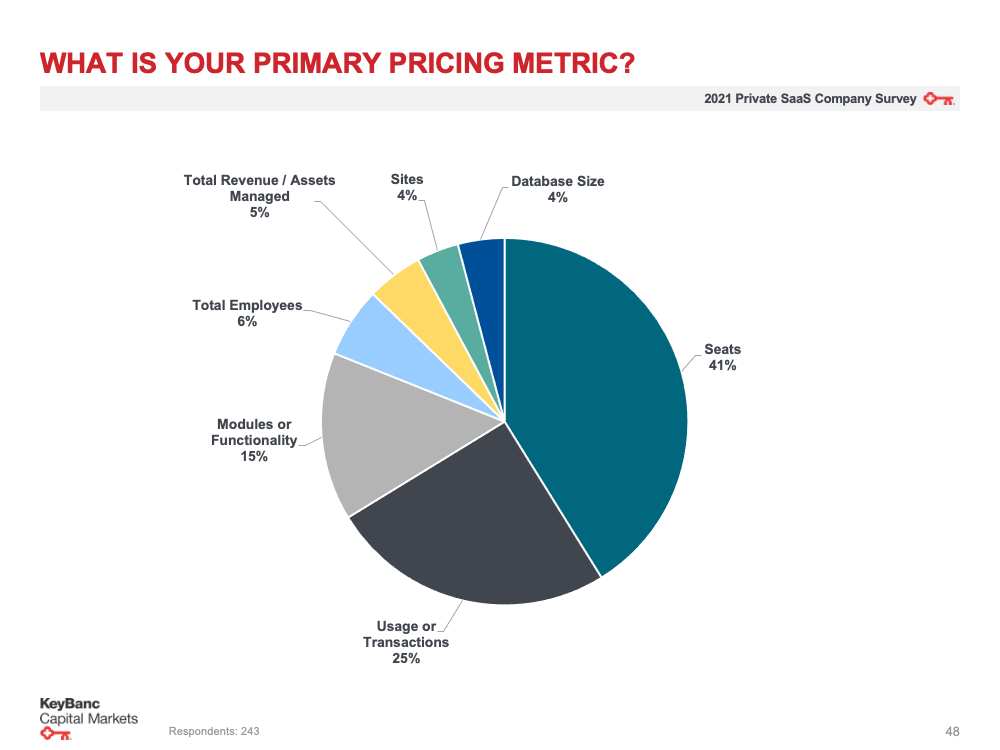
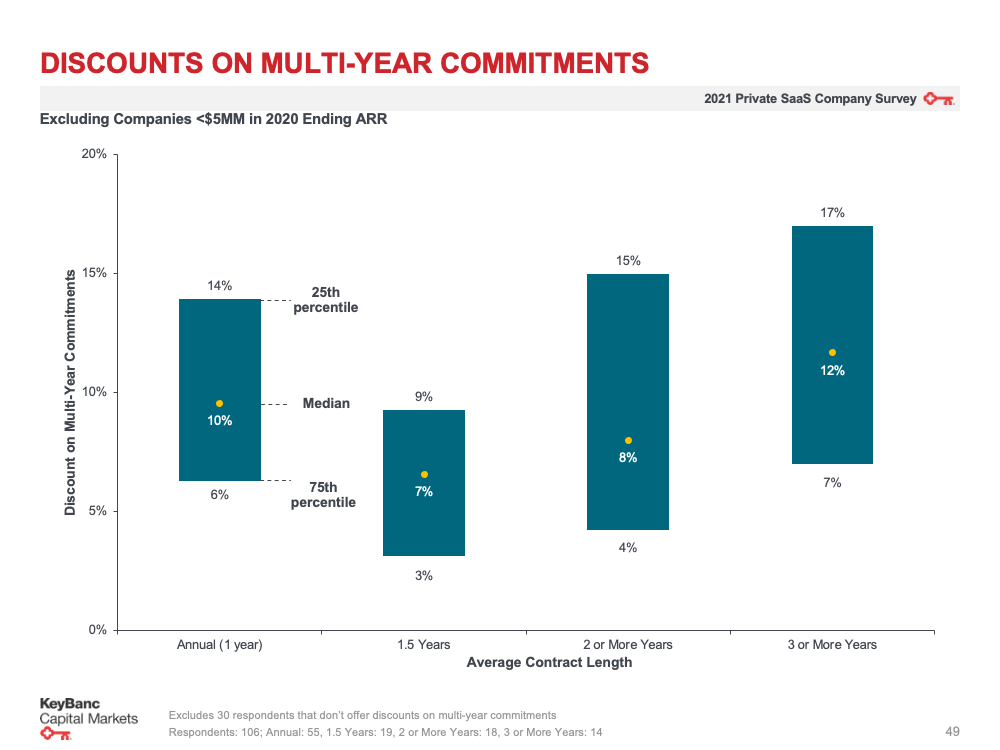
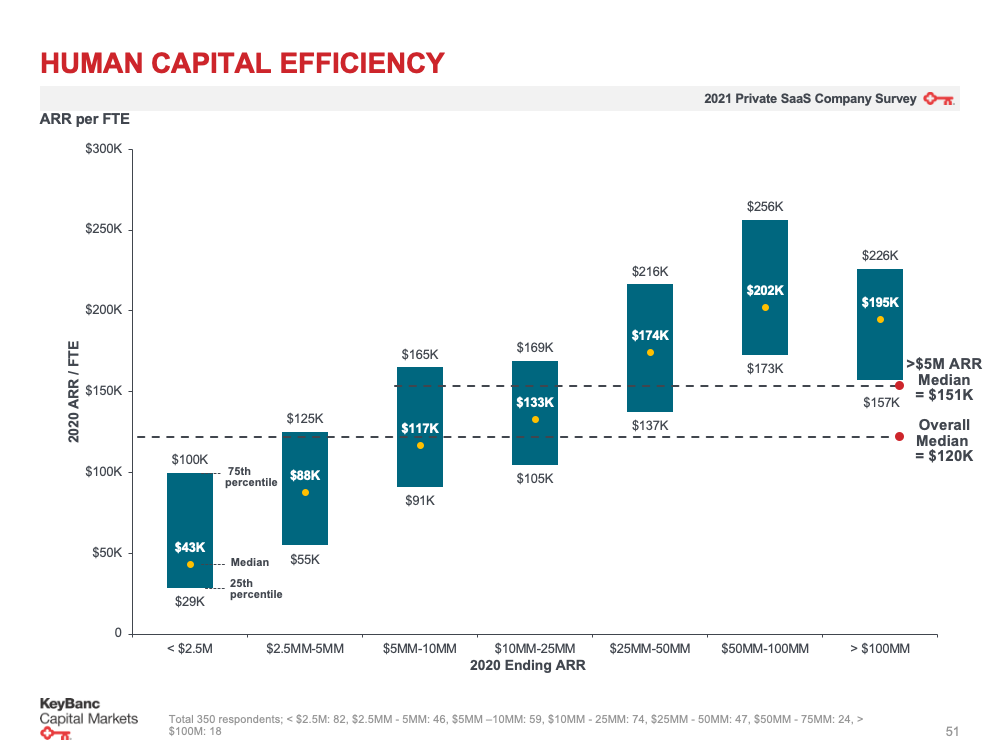
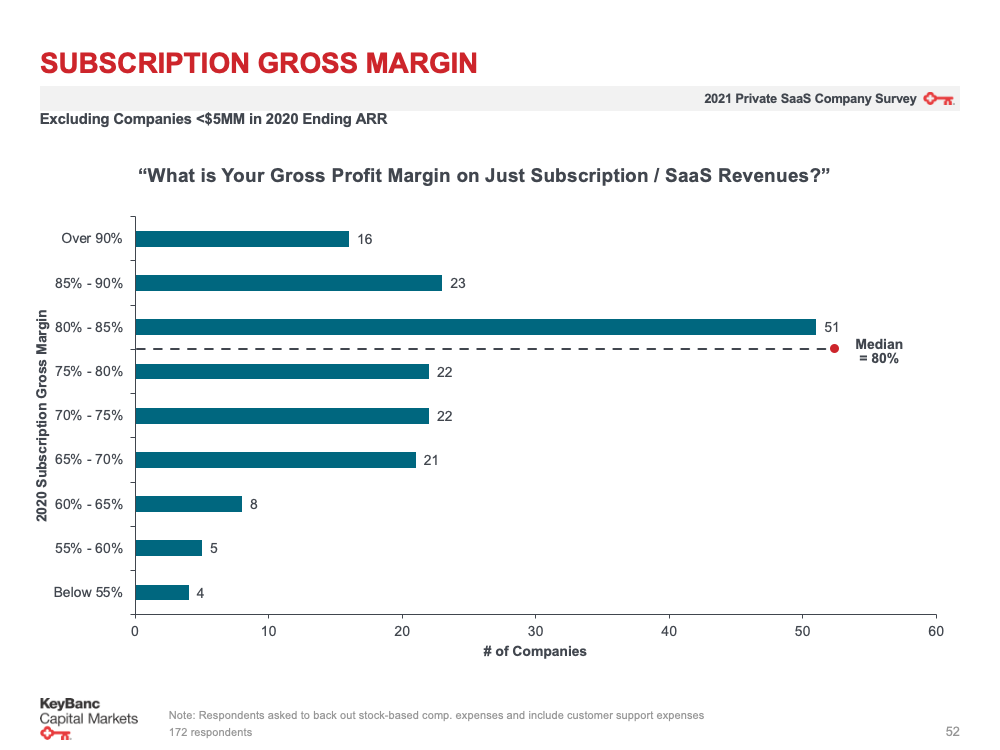
The second installment of the survey utilizes an extensive series of data-driven visual slides (spanning metrics from Slide 40 through Slide 71) to illustrate crucial operational benchmarks. These slides encapsulate the empirical reality of how top-performing SaaS companies manage their capital, scale their workforce, and drive long-term customer value.
Customer Retention and Net Expansion
One of the central themes of the 2021 report is the paramount importance of Net Revenue Retention (NRR). In a mature SaaS ecosystem, acquiring new logos is only half the battle; expanding accounts through upsells, cross-sells, and seat expansions dictates long-term valuation multiples. The survey data outlines how top-quartile companies maintain NRR figures well above 110% to 120%, effectively growing their revenue base even before factoring in new customer acquisition.
Sales and Marketing Efficiency
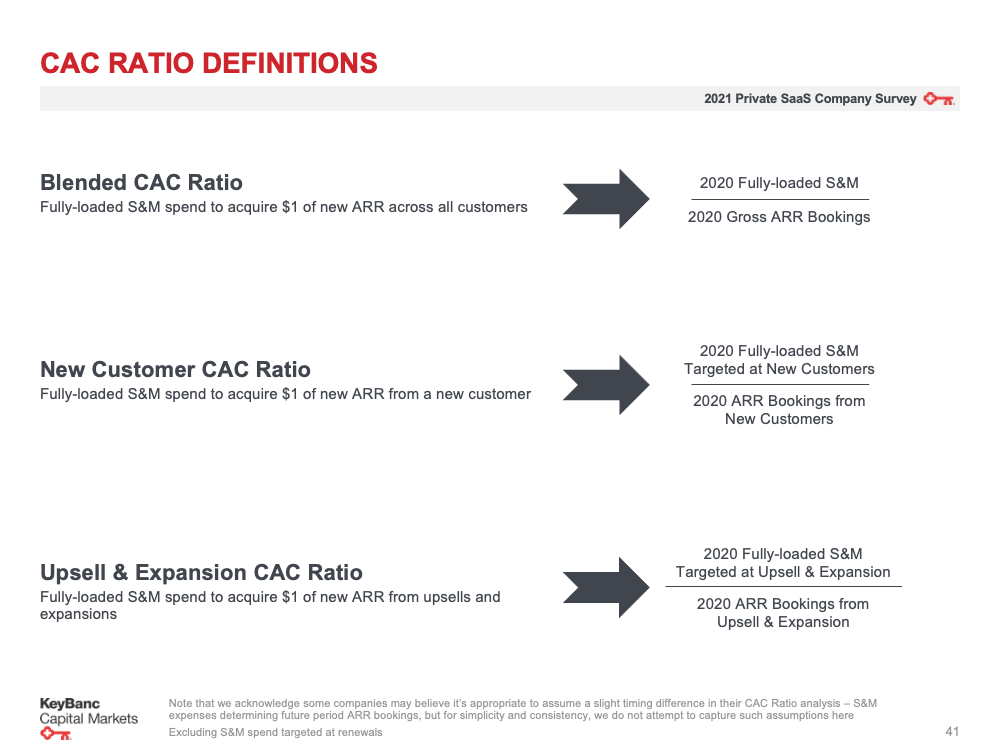
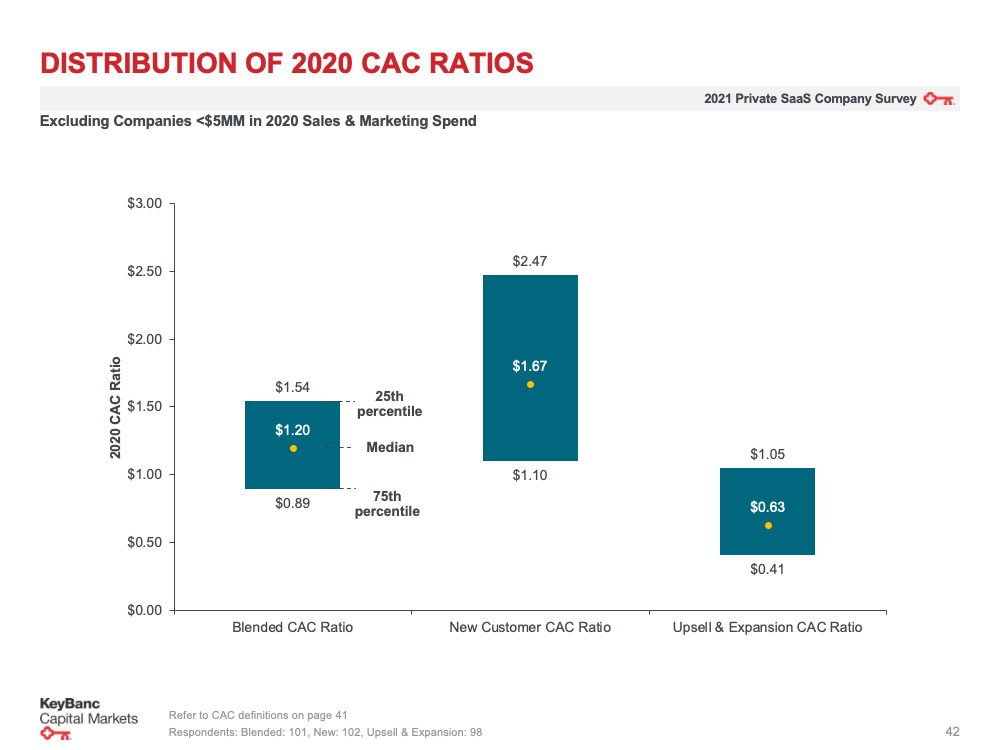
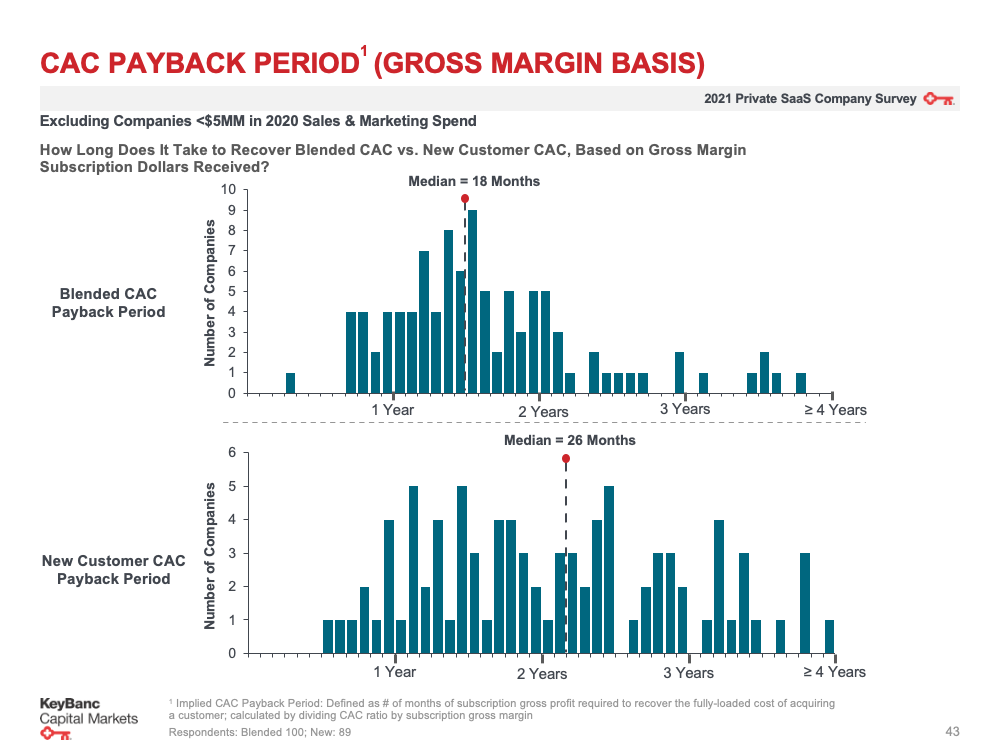
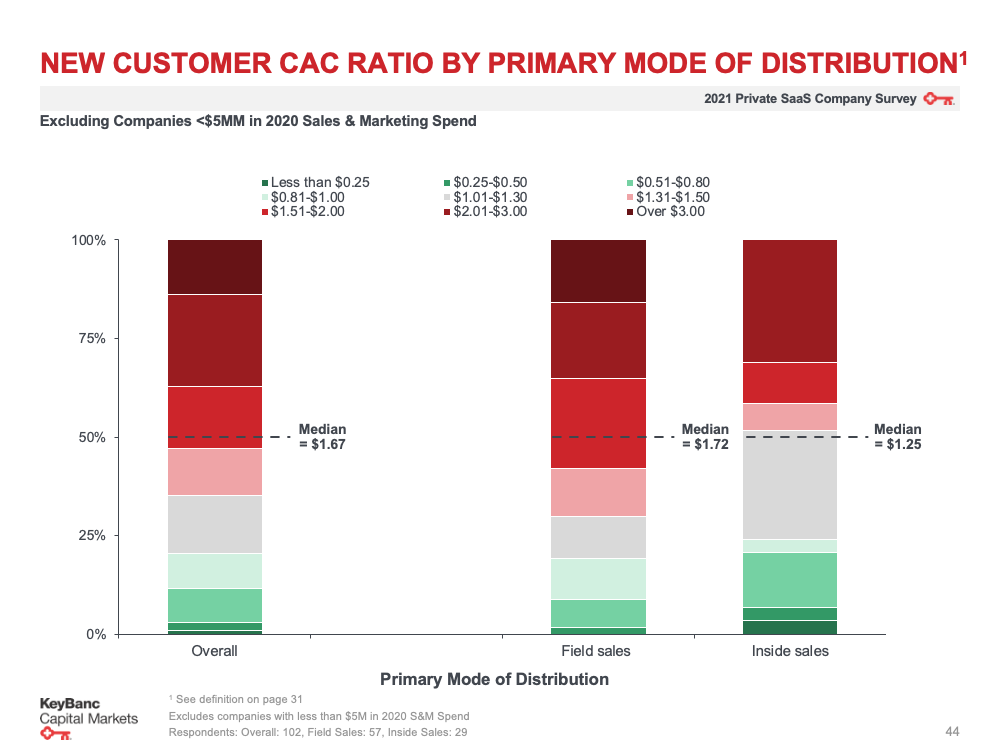
The metrics surrounding Customer Acquisition Cost (CAC) payback periods and the Magic Number (a measure of sales and marketing efficiency) revealed crucial adjustments in 2021. As digital channels became increasingly saturated, companies reported a marginal upward pressure on acquisition costs. Consequently, enterprise leaders shifted focus toward improving onboarding pipelines, reducing time-to-value, and optimizing customer success departments to safeguard against churn.
R&D and Infrastructure Investment
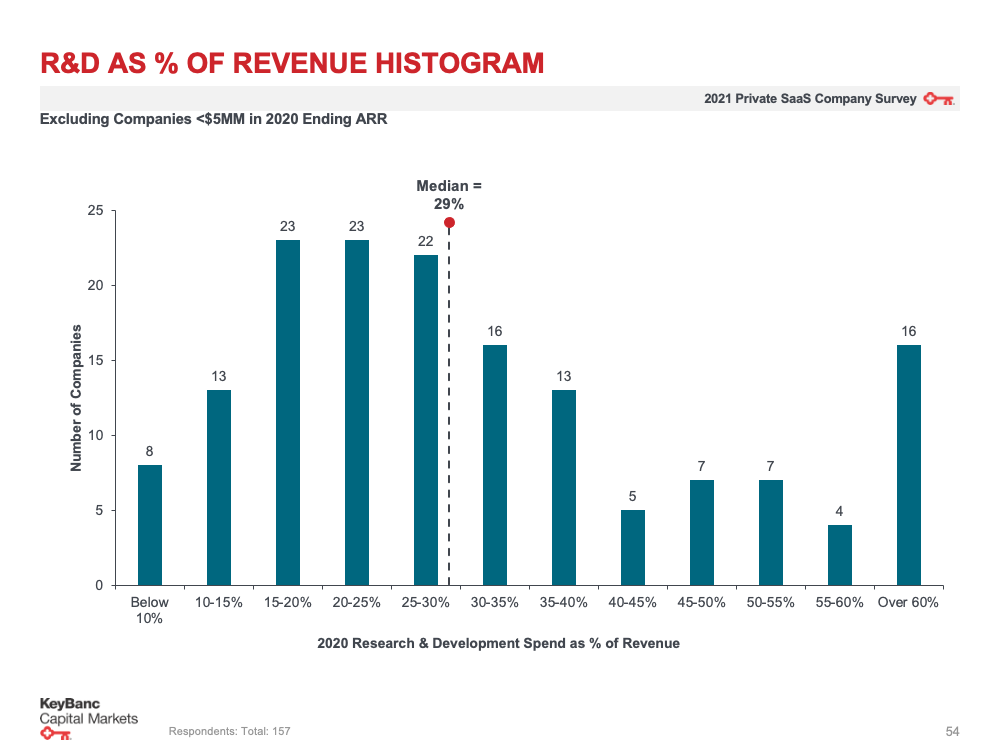
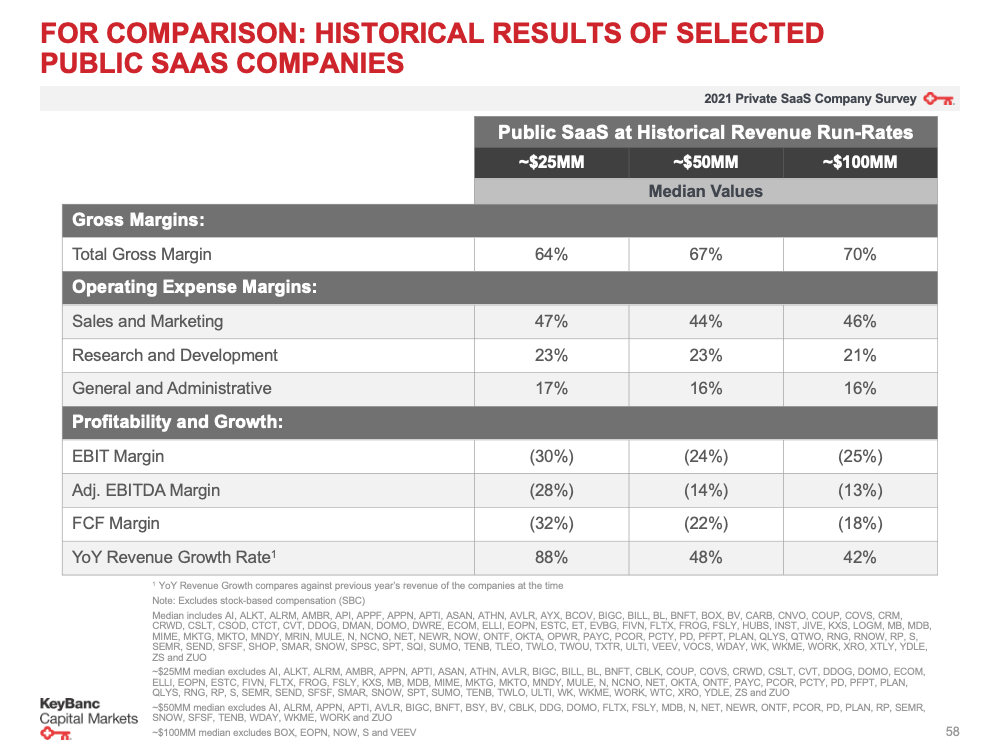
Investment in engineering and product innovation remained a primary capital allocation priority. Data illustrated within the survey’s visual documentation highlights the percentage of revenue reinvested into Research and Development. High-growth enterprises consistently dedicate a significant portion of their operational budgets to engineering talent and infrastructure scalability, ensuring their product offerings remain defensible against emerging market competitors.

Statements and Industry Reactions
Following the publication of the survey, prominent figures in the venture capital and SaaS advisory communities weighed in on the implications of the data.
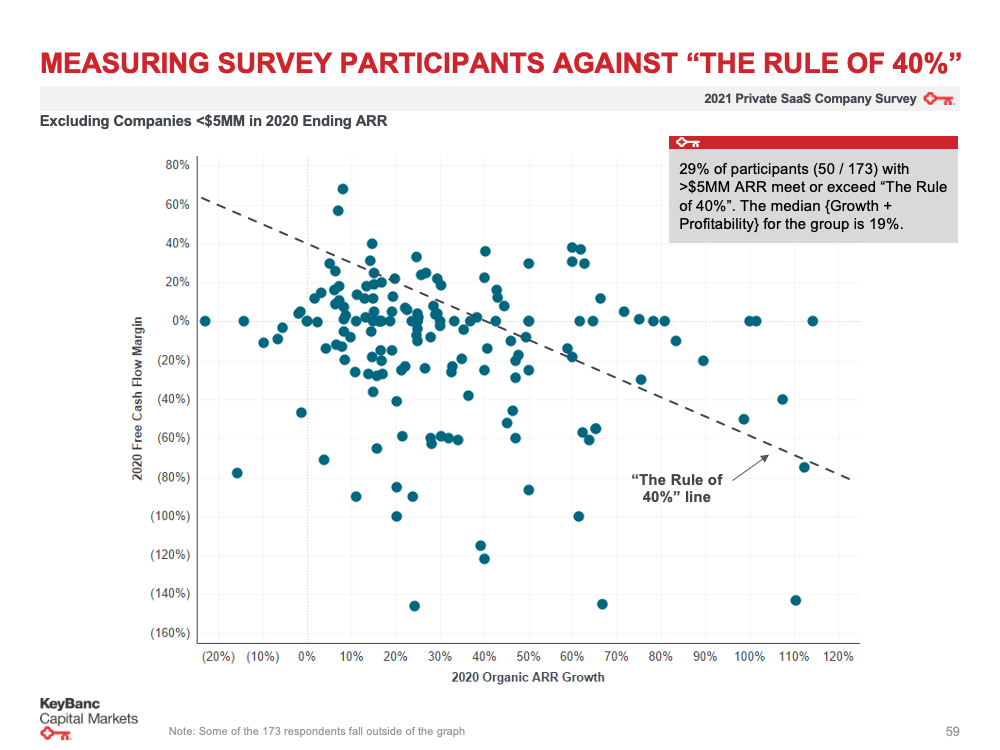
Industry analysts noted that the 2021 dataset reflects a bifurcation in the market. While hyper-growth companies continued to command premium valuations, investors increasingly scrutinized unit economics, burn multiples, and capital efficiency.
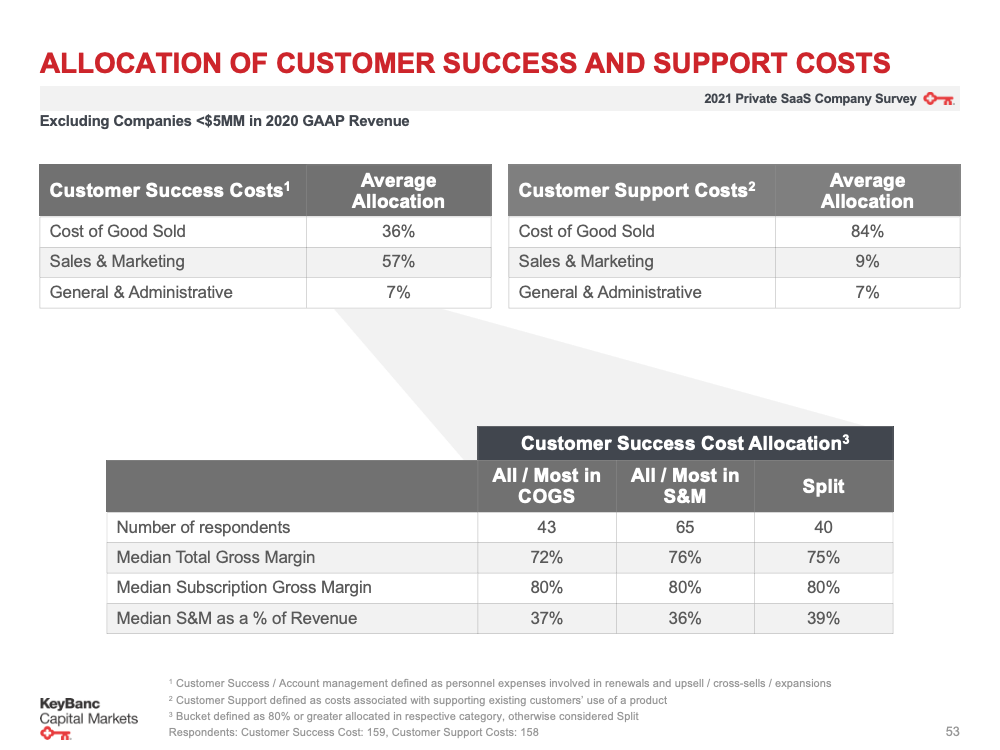
“The era of growth at all costs is facing heightened scrutiny,” noted a leading tech financial analyst familiar with the KBCM findings. “Founders are realizing that sustainable scaling requires a delicate balance between aggressive market capture and disciplined financial governance. The metrics highlighted in this survey provide the exact guardrails management teams need to evaluate their performance against industry peers.”
Furthermore, executive leadership teams across participating SaaS companies praised the granularity of the report, utilizing the comparative benchmarks to restructure compensation plans, realign sales territories, and justify budgetary adjustments during board meetings.

Broader Impact and Strategic Implications for SaaS Leaders
The implications of the 2021 KBCM SaaS Survey extend far beyond academic interest; they directly influence corporate strategy, fundraising negotiations, and operational execution.
- Strategic Fundraising: With venture capital and private equity firms placing a premium on predictable, high-retention revenue streams, startups use these benchmark slides to validate their financial models during Series A, B, and late-stage funding rounds.
- Talent Acquisition and Retention: As remote work broadened the talent pool, salary and equity benchmarks included in the survey helped human resources departments remain competitive while maintaining healthy productivity ratios.
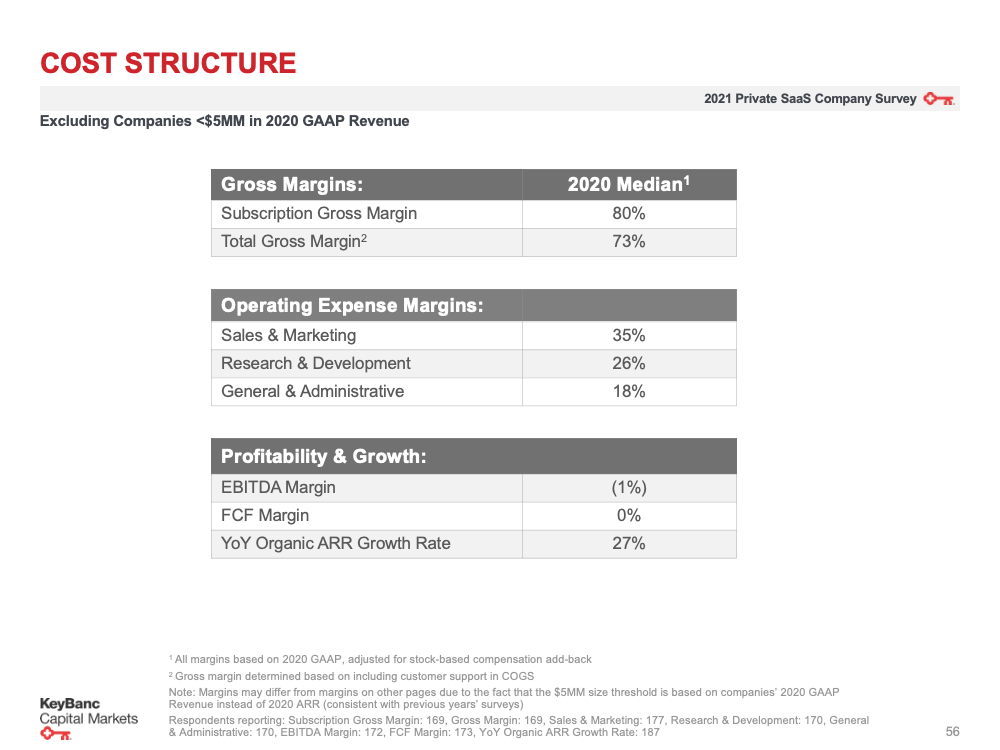
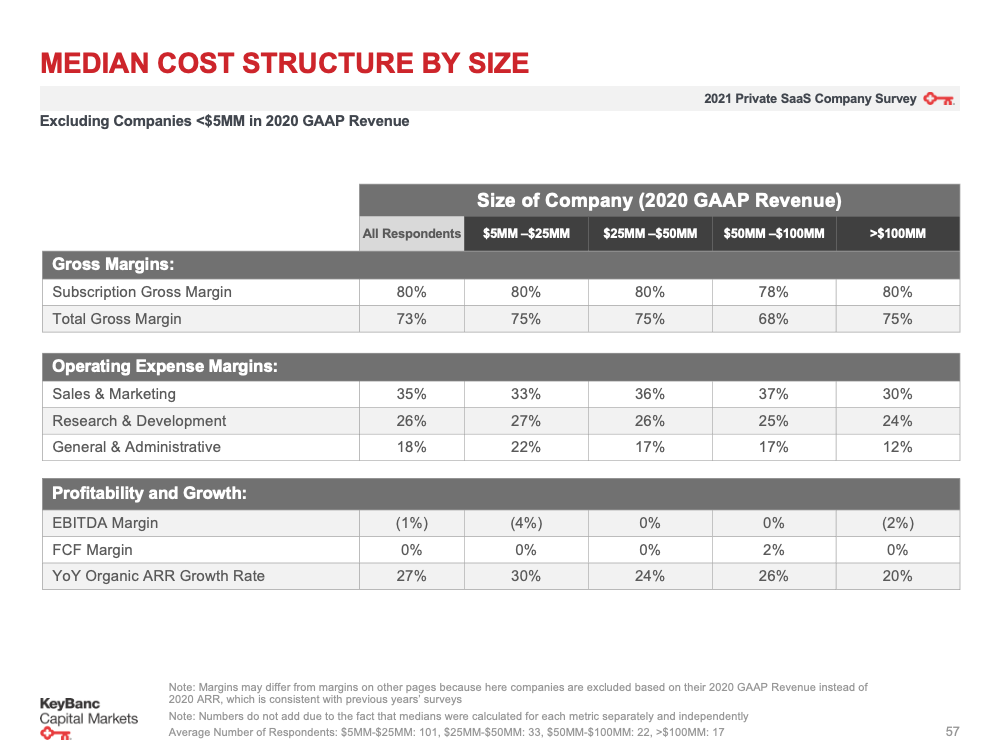
- Operational Benchmarking: Chief Executive Officers and Chief Financial Officers utilize the survey’s categorization by ARR size to compare their departmental expenditures—such as the ratio of Sales & Marketing (S&M) to General & Administrative (G&A) expenses—against companies operating at a similar scale.
Conclusion and Future Outlook
The release of the 2021 SaaS Survey by ForEntrepreneurs and KBCM remains an indispensable milestone for the software industry. By offering an unvarnished, data-driven look at the inner workings of successful cloud businesses, the survey equips entrepreneurs with the quantitative tools necessary to navigate market volatility and scale effectively.
For leaders seeking the complete analytical picture, both Part 1 and Part 2 of the survey—along with the comprehensive downloadable PDF report—remain publicly accessible through the respective publication platforms, ensuring that ongoing industry education stays rooted in empirical reality.
Related posts: